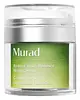
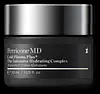
Murad Retinol Youth Renewal Night Cream Versus Perricone MD Cold Plasma Plus+ The Intensive Hydrating Complex
This anti-aging night moisturizer is formulated around Niacinamide and Retinol to soften the look of wrinkles and refine skin texture.
This anti-aging moisturizer is formulated around Sodium Hyaluronate and Copper Tripeptide-1 to soften the look of wrinkles and hydrate skin.

What's inside
What's inside
 Key Ingredients
Benefits
Concerns
Ingredients Side-by-side
Water
Skin ConditioningIsostearyl Hydroxystearate
EmollientNiacinamide
Smoothing











Propanediol
Solvent
Caprylic/Capric Triglyceride
Masking
C14-22 Alcohols
Emulsion Stabilising
Polymethylsilsesquioxane

Dimethicone
Emollient
Cetyl Alcohol
Emollient

Glyceryl Stearate
Emollient
Hydrolyzed Yeast Extract
Skin ConditioningIsopropyl Palmitate
Emollient


Retinol
Skin Conditioning

Retinyl Propionate
Skin Conditioning
Oleyl Alcohol
Emollient

Sodium Hyaluronate
Humectant
Serine
Masking
Hexyldecanol
Emollient
Glycine Soja Extract
Skin ConditioningTocopheryl Acetate
Antioxidant

Glycine Soja Sterols
Emollient
Urea
Buffering
Yeast Amino Acids
HumectantTrehalose
Humectant
Inositol
Humectant
Taurine
BufferingBetaine
Humectant
Glycerin
Humectant
Polyglucuronic Acid
Skin ConditioningC12-20 Alkyl Glucoside
EmulsifyingDioscorea Villosa Root Extract
Skin Conditioning
Pentylene Glycol
Skin Conditioning
Glyceryl Polyacrylate
Algin
Masking
Caprylyl Glycol
Emollient
Swertia Chirata Extract
HumectantLecithin
Emollient
Pullulan
Disodium Phosphate
BufferingPotassium Phosphate
BufferingPEG-75 Stearate
Surfactant
Ceteth-20
CleansingSteareth-20
CleansingCetyl Hydroxyethylcellulose
Emulsion StabilisingPhenoxyethanol
Preservative
Ethylhexylglycerin
Skin ConditioningPicolinamide
EmollientDisodium EDTA
Sodium Hydroxide
BufferingHexylene Glycol
EmulsifyingSodium Benzotriazolyl Butylphenol Sulfonate
UV AbsorberAmmonium Acryloyldimethyltaurate/Vp Copolymer
CI 19140
Cosmetic ColorantCI 14700
Cosmetic ColorantAlpha-Isomethyl Ionone
Perfuming
Citronellol
Perfuming
Parfum
Masking
Water, Isostearyl Hydroxystearate, Niacinamide, Propanediol, Caprylic/Capric Triglyceride, C14-22 Alcohols, Polymethylsilsesquioxane, Dimethicone, Cetyl Alcohol, Glyceryl Stearate, Hydrolyzed Yeast Extract, Isopropyl Palmitate, Retinol, Retinyl Propionate, Oleyl Alcohol, Sodium Hyaluronate, Serine, Hexyldecanol, Glycine Soja Extract, Tocopheryl Acetate, Glycine Soja Sterols, Urea, Yeast Amino Acids, Trehalose, Inositol, Taurine, Betaine, Glycerin, Polyglucuronic Acid, C12-20 Alkyl Glucoside, Dioscorea Villosa Root Extract, Pentylene Glycol, Glyceryl Polyacrylate, Algin, Caprylyl Glycol, Swertia Chirata Extract, Lecithin, Pullulan, Disodium Phosphate, Potassium Phosphate, PEG-75 Stearate, Ceteth-20, Steareth-20, Cetyl Hydroxyethylcellulose, Phenoxyethanol, Ethylhexylglycerin, Picolinamide, Disodium EDTA, Sodium Hydroxide, Hexylene Glycol, Sodium Benzotriazolyl Butylphenol Sulfonate, Ammonium Acryloyldimethyltaurate/Vp Copolymer, CI 19140, CI 14700, Alpha-Isomethyl Ionone, Citronellol, Parfum
Water
Skin ConditioningC12-15 Alkyl Benzoate
AntimicrobialCaprylic/Capric Triglyceride
Masking
Dicaprylyl Carbonate
EmollientPropanediol
Solvent
Shea Butter Ethyl Esters
Emollient
Glycerin
Humectant
Cetearyl Alcohol
Emollient
Behenyl Alcohol
Emollient
Bentonite
Absorbent
Glyceryl Stearate
Emollient
Hydrogenated Vegetable Glycerides
EmollientPEG-100 Stearate
Surfactant
Dimethicone
Emollient
Isoamyl Laurate
Emollient
Hydrogenated Vegetable Oil
Emollient
Hydrogenated Soybean Oil
Emollient
Butylene Glycol
Humectant
Sodium Hyaluronate
Humectant
Copper Tripeptide-1
Skin Conditioning
Phosphatidylcholine
EmulsifyingAcetyl Hexapeptide-8
Humectant
Acetyl Tetrapeptide-11
Skin Conditioning
Acetyl Tetrapeptide-9
Skin Conditioning
Palmitoyl Tripeptide-1
Skin Conditioning
Palmitoyl Tetrapeptide-7
Skin Conditioning
Dimethyl Mea
BufferingTetrahexyldecyl Ascorbate
Antioxidant
Tyrosine
MaskingHydrolyzed Myrtus Communis Leaf Extract
Skin ProtectingRosmarinus Officinalis Leaf Extract
AntimicrobialPolysorbate 20
Emulsifying
Dimethyl Isosorbide
SolventPolysilicone-11
Phenoxyethanol
Preservative
Petrolatum
Emollient
Hydrogenated Olive Oil
Skin Conditioning
Caprylyl Glycol
Emollient
Coco-Glucoside
Cleansing
Hydrogenated Jojoba Oil
Abrasive
Echium Plantagineum Seed Oil
Skin Conditioning
Citric Acid
Buffering
Glycolic Acid
Buffering
Helianthus Annuus Seed Oil
Emollient
Glycine Soja Lipids
Skin ConditioningCarbomer
Emulsion StabilisingDisodium EDTA
Phytosterols
Skin Conditioning
Ethylhexylglycerin
Skin ConditioningWater, C12-15 Alkyl Benzoate, Caprylic/Capric Triglyceride, Dicaprylyl Carbonate, Propanediol, Shea Butter Ethyl Esters, Glycerin, Cetearyl Alcohol, Behenyl Alcohol, Bentonite, Glyceryl Stearate, Hydrogenated Vegetable Glycerides, PEG-100 Stearate, Dimethicone, Isoamyl Laurate, Hydrogenated Vegetable Oil, Hydrogenated Soybean Oil, Butylene Glycol, Sodium Hyaluronate, Copper Tripeptide-1, Phosphatidylcholine, Acetyl Hexapeptide-8, Acetyl Tetrapeptide-11, Acetyl Tetrapeptide-9, Palmitoyl Tripeptide-1, Palmitoyl Tetrapeptide-7, Dimethyl Mea, Tetrahexyldecyl Ascorbate, Tyrosine, Hydrolyzed Myrtus Communis Leaf Extract, Rosmarinus Officinalis Leaf Extract, Polysorbate 20, Dimethyl Isosorbide, Polysilicone-11, Phenoxyethanol, Petrolatum, Hydrogenated Olive Oil, Caprylyl Glycol, Coco-Glucoside, Hydrogenated Jojoba Oil, Echium Plantagineum Seed Oil, Citric Acid, Glycolic Acid, Helianthus Annuus Seed Oil, Glycine Soja Lipids, Carbomer, Disodium EDTA, Phytosterols, Ethylhexylglycerin
Reviews
Ingredients Explained
These ingredients are found in both products.
Ingredients higher up in an ingredient list are typically present in a larger amount.
Caprylic/Capric Triglyceride (aka MCT Oil) is a lightweight emollient, solvent, and texture enhancer. It is considered a skin-softener by helping to prevent moisture loss.
Though it behaves like an oil, it is not technically one due to its chemical composition. One perk of this ingredient is that it is very stable, resistant to oxidation, and unlikely to go rancid.
In practice, that translates to a long shelf life and a consistently elegant skin feel.
While there is an assumption Caprylic Triglyceride can clog pores due to it being derived from coconut oil, there is no research supporting this. Just patch test if you have concerns.
Fractionated coconut oil and MCT Oil are both listed as Caprylic/Capric Triglyceride according to INCI. This is because INCI names are based on the ingredient’s final chemical composition and not its marketing name or source.
This ingredient is treated as the gold standard fungal acne safe oil. Even though it is coconut derived, the problematic lauric acid is stripped out.
This leaves just caprylic (C8) and capric (C10) acid. These chain lengths actually trend antifungal; a 2020 study found caprylic acid was enough to disrupt Malassezia furfur cell membrane, with a caprylic acid derivative damaging membrane structures at concentrations as low as 0.2%.
Learn more about Caprylic/Capric TriglycerideCaprylyl Glycol is a humectant, skin conditioner, emollient, and preservative booster derived from either caprylic acid or synthetically created.
Typical use levels vary from 0.3-1% as a preservative booster and go up to 2% to condition skin.
Because it is not a free-fatty acid, this ingredient is fungal acne safe (there's nothing for Malassezia to feed on).
Learn more about Caprylyl GlycolDimethicone is a type of synthetic silicone created from natural materials such as quartz. It is also known as polydimethylsiloxane.
What it does:
Dimethicone comes in different viscosities:
Depending on the viscosity, dimethicone has different properties.
Ingredients lists don't always show which type is used, so we recommend reaching out to the brand if you have questions about the viscosity.
This ingredient is unlikely to cause irritation because it does not get absorbed into skin. However, people with silicone allergies should be careful about using this ingredient.
Note: Dimethicone may contribute to pilling. This is because it is not oil or water soluble, so pilling may occur when layered with products. When mixed with heavy oils in a formula, the outcome is also quite greasy.
Learn more about DimethiconeDisodium EDTA is a chelating agent. It grabs onto and deactivates metal ions that sneak into your products from water, packaging, or air.
This ingredient mainly works behind the scenes and helps with:
On top of that, this ingredient can counteract the effects of hard water by binding to the minerals in it.
One thing worth knowing is that Disodium EDTA has been shown to be a mild penetration enhancer. It can help other ingredients absorb into skin more effectively which can be a double-edged sword (great for actives, but can also make the active too strong if you have sensitive skin).
Clinical patch testing showed no significant skin irritation at typical use concentrations and minimal dermal absorption.
You'll most likely see this ingredient near the end of an ingredient list. It's typically found in concentrations less than 1%.
Learn more about Disodium EDTAEthylhexylglycerin is created from glycerin. It is a multitasker ingredient that:
The CIR Expert Panel found minimal skin absorption or sensitization of any kind in a safety assessment. Though this ingredient is considered well-tolerated, a small number of cases of allergic dermatitis have been published since 2002. Just be sure to patch test if you are unsure.
Industry-reported use ranges from 8% in rinse-off products and 2% in leave-on formulations.
Learn more about EthylhexylglycerinGlycerin (or glycerol) is a compound naturally found in your skin. It's a powerhouse humectant that pulls water into the stratum corneum.
Topically, glycerin does several things at once:
Your skin makes glycerin on its own (mostly from sebaceous oil breakdown) and shuttles it to your outermost layer of skin, or your epidermis, via aquaporin-3.
Aquaporin-3 is a transporter that is essential for normal skin hydration, elasticity, and repair. Interestingly, mice lacking in AQP3 have dry and less elastic skin that can be fully corrected with glycerin.
This ingredient is non-irritating, plays well with almost every ingredient, and works across all skin types. Typical use is anywhere between 3-10% but can go up to 79% in some leave-on products.
Just know very high concentrations (>40%) can feel tacky in low humidity.
Glycerin is the name for this ingredient in American English. British English uses Glycerol/Glycerine.
Learn more about GlycerinGlyceryl Stearate is made by reacting glycerin with stearic acid (typically sourced from plant oils like palm or coconut). It's an emulsifier, emollient, and mild occlusive.
Emulsifiers help ingredients like oil and water stay mixed so your formula stays nicely blended and uniform in texture.
This ingredient is typically used in concentrations between 1-10%. Studies have found it to be non-sensitizing, non-phototoxic, and non-photoallergenic.
A close cousin of this ingredient is Glyceryl Stearate SE ("self-emulsifying"). This just has a small amount of sodium or potassium stearate added so it can emulsify without a co-emulsifier.
Since this ingredient is an ester of a C18 fatty acid, it may not be fungal acne safe. The Malassezia yeast can potentially metabolize within the C11-C24 range.
Fun fact: The human body also creates Glyceryl Stearate naturally.
Learn more about Glyceryl StearatePhenoxyethanol is one of the most widely used preservatives in skincare (and for good reason!).
It has a large spectrum of antimicrobial activity and especially effective bacteria, yeast, and mold while only having a weak effect on your skin's natural microbiome.
On a cellular level, it disrupts the cell membranes of microbes by poking holes that make the cell leak. This shuts down the chemical reactions the microbe needs to make energy so it can no longer survive.
Another perk of this ingredient is that it stays functional across a wide pH range (3-10).
You'll often see it paired with boosters like Ethylhexylglycerin; one study showed that a 1:9 ratio of Ethylhexylglycerin to Phenoxyethanol damages bacterial membranes as effectively as doubling the Phenoxyethanol concentration on its own.
Typical use concentrations range from 0.3-1% depending on the formula, and this ingredient is capped at 1% int the EU.
Safety-wise, the fear mongering does not hold up to the evidence. The EU's Scientific Committee on Consumer Safety and FDA consider it safe as a preservative at up to 1%, including for children of all ages.
Adverse systemic effects only showed up in animal studies at exposures roughly 200x higher than what people get from cosmetics. And despite its very widespread use, this ingredient is a rare sensitizer and allergic reactions are uncommon.
Learn more about PhenoxyethanolPropanediol is an all-star ingredient. It softens, hydrates, and smooths the skin.
It’s often used to:
Propanediol is not likely to cause sensitivity and considered safe to use. It is derived from corn or petroleum with a clear color and no scent.
Learn more about PropanediolSodium Hyaluronate is the salt form of hyaluronic acid. It is a long sugar chain that is naturally found in your skin, joints, and connective tissue that maintains hydration and elasticity.
In skincare, it works as a humectant. It pulls water from the environment and deeper layers of skin and binds it to the surface.
Interestingly, the size of the molecule affects its behavior:
Some clinical evidence links low molecular weight versions to improved wrinkle depth, elasticity, anti-inflammatory effects, and barrier repair.
Many serums use a blend of both weights so you can get surface hydration plus longer-lasting and deeper effects.
You'll typically see concentrations between 0.1-2% for this ingredient.
Learn more about Sodium HyaluronateWater. It's the most common cosmetic ingredient of all. You'll usually see it at the top of ingredient lists, meaning that it makes up the largest part of the product.
So why is it so popular? Water most often acts as a solvent - this means that it helps dissolve other ingredients into the formulation.
You'll also recognize water as that liquid we all need to stay alive. If you see this, drink a glass of water. Remember to stay hydrated!
Learn more about Water

