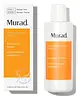
This brightening toner is formulated around Ascorbic Acid and Dipotassium Glycyrrhizate to brighten dull-looking skin and calm redness.
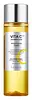
This brightening toner is formulated around Niacinamide and Tranexamic Acid to brighten dull-looking skin and fade the look of dark spots.


What's inside
What's inside
 Key Ingredients
Benefits
Concerns
Ingredients Side-by-side
Water
Skin ConditioningButylene Glycol
Humectant

Hamamelis Virginiana Water
Astringent



PEG-40 Hydrogenated Castor Oil
Emulsifying

Sodium PCA
Humectant
Betaine
Humectant
Sorbitol
Humectant
Glycine
Buffering
Alanine
Masking
Proline
Skin Conditioning
Serine
Masking
Threonine
Arginine
Masking
Lysine
Skin ConditioningGlutamic Acid
Humectant
Rice Amino Acids
Skin Conditioning
Zinc Aspartate
Skin ConditioningDipotassium Glycyrrhizate
Humectant
PEG-12 Dimethicone
Skin Conditioning
Phospholipids
Skin Conditioning
Tocopheryl Acetate
Antioxidant


Retinyl Palmitate
Skin Conditioning

Ascorbyl Palmitate
Antioxidant
Ascorbic Acid
Antioxidant

Chitosan
Propyl Gallate
Antioxidant

Citrus Aurantium Amara Flower Extract
RefreshingEchinacea Purpurea Extract
MoisturisingCitrus Aurantium Dulcis Fruit Extract
MaskingSodium Polyaspartate
HumectantBenzophenone-4
UV Absorber
Polyquaternium-4
Disodium EDTA
Citric Acid
Buffering
Phenoxyethanol
Preservative
Caprylyl Glycol
Emollient
Chlorphenesin
Antimicrobial
Limonene
Perfuming
Linalool
Perfuming
Citrus Aurantium Dulcis Peel Oil
Masking
Citrus Nobilis Peel Oil
Masking
Orbignya Oleifera Seed Oil
Emollient
Citrus Grandis Peel Oil
Masking
Ferula Galbaniflua Resin Oil
Antimicrobial
Parfum
Masking
CI 42053
Cosmetic ColorantWater, Butylene Glycol, Hamamelis Virginiana Water, PEG-40 Hydrogenated Castor Oil, Sodium PCA, Betaine, Sorbitol, Glycine, Alanine, Proline, Serine, Threonine, Arginine, Lysine, Glutamic Acid, Rice Amino Acids, Zinc Aspartate, Dipotassium Glycyrrhizate, PEG-12 Dimethicone, Phospholipids, Tocopheryl Acetate, Retinyl Palmitate, Ascorbyl Palmitate, Ascorbic Acid, Chitosan, Propyl Gallate, Citrus Aurantium Amara Flower Extract, Echinacea Purpurea Extract, Citrus Aurantium Dulcis Fruit Extract, Sodium Polyaspartate, Benzophenone-4, Polyquaternium-4, Disodium EDTA, Citric Acid, Phenoxyethanol, Caprylyl Glycol, Chlorphenesin, Limonene, Linalool, Citrus Aurantium Dulcis Peel Oil, Citrus Nobilis Peel Oil, Orbignya Oleifera Seed Oil, Citrus Grandis Peel Oil, Ferula Galbaniflua Resin Oil, Parfum, CI 42053
Water
Skin ConditioningGlycerin
Humectant
Butylene Glycol
Humectant
Niacinamide
Smoothing



Pentylene Glycol
Skin Conditioning
Betaine
Humectant
Trehalose
Humectant
1,2-Hexanediol
Skin Conditioning
Glycyrrhiza Uralensis Root Extract
Skin Conditioning
Bifida Ferment Lysate
Skin Conditioning
Panthenol
Skin Conditioning
Hippophae Rhamnoides Water
Masking
C12-14 Pareth-12
EmulsifyingTranexamic Acid
Astringent
3-O-Ethyl Ascorbic Acid
Skin Conditioning
Chlorella Vulgaris Extract
Skin ConditioningGlucose
Humectant
Curcuma Longa Root Extract
Antioxidant
Lactobacillus Ferment
Skin Conditioning
Fructooligosaccharides
Humectant
Fructose
Humectant
Ethylhexylglycerin
Skin ConditioningAdenosine
Skin Conditioning
Melia Azadirachta Flower Extract
Skin ConditioningCarbomer
Emulsion StabilisingTromethamine
BufferingAllantoin
Skin Conditioning
Melia Azadirachta Leaf Extract
Skin ConditioningDisodium EDTA
Sodium Hyaluronate
Humectant
Glycine Soja Seed Extract
Skin Conditioning
Citrus Aurantium Dulcis Peel Oil
Masking
Ocimum Sanctum Leaf Extract
Skin ConditioningAscorbic Acid
Antioxidant
Citrus Grandis Peel Oil
Masking
Corallina Officinalis Extract
Skin Conditioning
Eucalyptus Globulus Leaf Oil
Perfuming
Lavandula Angustifolia Oil
Masking
Octanediol
Hydrolyzed Collagen
Emollient
Lactobionic Acid
Buffering
Glyceryl Glucoside
Humectant
Caprylic/Capric Triglyceride
Masking
Cyanocobalamin
Skin ConditioningPvp
Emulsion StabilisingHydrogenated Lecithin
Emulsifying
Tocopherol
Antioxidant
Ceramide NP
Skin Conditioning
Palmitoyl Tripeptide-5
Skin Conditioning
Caprylyl Glycol
Emollient
Hyaluronic Acid
Humectant
Acetyl Hexapeptide-8
Humectant
Fullerenes
AntimicrobialArbutin
Antioxidant
Dipropylene Glycol
HumectantHydrolyzed Hyaluronic Acid
Humectant
Laurdimonium Hydroxypropyl Hydrolyzed Wheat Protein
Phytosterols
Skin Conditioning
Ascorbyl Glucoside
Antioxidant
Water, Glycerin, Butylene Glycol, Niacinamide, Pentylene Glycol, Betaine, Trehalose, 1,2-Hexanediol, Glycyrrhiza Uralensis Root Extract, Bifida Ferment Lysate, Panthenol, Hippophae Rhamnoides Water, C12-14 Pareth-12, Tranexamic Acid, 3-O-Ethyl Ascorbic Acid, Chlorella Vulgaris Extract, Glucose, Curcuma Longa Root Extract, Lactobacillus Ferment, Fructooligosaccharides, Fructose, Ethylhexylglycerin, Adenosine, Melia Azadirachta Flower Extract, Carbomer, Tromethamine, Allantoin, Melia Azadirachta Leaf Extract, Disodium EDTA, Sodium Hyaluronate, Glycine Soja Seed Extract, Citrus Aurantium Dulcis Peel Oil, Ocimum Sanctum Leaf Extract, Ascorbic Acid, Citrus Grandis Peel Oil, Corallina Officinalis Extract, Eucalyptus Globulus Leaf Oil, Lavandula Angustifolia Oil, Octanediol, Hydrolyzed Collagen, Lactobionic Acid, Glyceryl Glucoside, Caprylic/Capric Triglyceride, Cyanocobalamin, Pvp, Hydrogenated Lecithin, Tocopherol, Ceramide NP, Palmitoyl Tripeptide-5, Caprylyl Glycol, Hyaluronic Acid, Acetyl Hexapeptide-8, Fullerenes, Arbutin, Dipropylene Glycol, Hydrolyzed Hyaluronic Acid, Laurdimonium Hydroxypropyl Hydrolyzed Wheat Protein, Phytosterols, Ascorbyl Glucoside
Reviews
Ingredients Explained
These ingredients are found in both products.
Ingredients higher up in an ingredient list are typically present in a larger amount.
Ascorbic Acid is is pure Vitamin C and is the biologically active form used directly by skin.
Not only is vitamin C great for your overall health and immune system, but it also has plenty of benefits for your skin. It is best supported by academic literature for:
Topical vitamin C has been shown to help neutralize oxidative stress from UV and pollution, helping to improve photoaging and hyperpigmentation when used consistently.
One clinical study found that using 5% topical vitamin C for six months improved signs of photodamaged skin, both on the surface and in the deeper structural layers of the skin.
While vitamin C doesn’t replace sunscreen, studies show it can boost photoprotection when combined with Vitamin E and ferulic acid. These two ingredients help improve stability and protective effects.
The big downside of this ingredient is formulation difficulty. Vitamin C is prone to oxidation and doesn't penetrate the skin unless formulated correctly. Research found that vitamin C absorbs into the skin best at a low pH (< 3.5) with about 20% being the upper limit for effective absorption.
Skin levels can saturate after repeated application; this means your skin won’t keep absorbing more once it’s full of vitamin C. This is why more isn’t always better with vitamin C and why very high concentrations don’t necessarily give extra benefits.
Ascorbic acid generally works well with many skincare ingredients but can be irritating when combined with other active ingredients. Strong oxidizing acne treatments like benzoyl peroxide can reduce the effectiveness of vitamin C if they are used at the same time; they are often recommended for use at different times of day.
Read more about other types of Vitamin C:
Foods rich with vitamin C include oranges, strawberries, broccoli, bell peppers, and more. When consuming Vitamin C, your skin receives a portion of the nutrients.
Learn more about Ascorbic AcidBetaine is a humectant. Like hyaluronic acid, it helps attract and retain moisture in the skin. It’s known for being gentle and for helping the skin maintain balanced hydration.
Betaine is mainly used to improve hydration and support calmer skin. It helps skin cells regulate water balance because it functions as an osmolyte.
Some studies suggest betaine may support making skin tone more even.
Fun fact: Betaine naturally exists in the skin and the body. In cosmetic products, it can be either plant-derived (most commonly from sugar beets) or synthetically produced for consistency and stability.
Betaine is also known as trimethylglycine.
Learn more about BetaineButylene Glycol (or BG) is used within cosmetic products for a few different reasons:
Overall, Butylene Glycol is a safe and well-rounded ingredient that works well with other ingredients.
Though this ingredient works well with most skin types, some people with sensitive skin may experience a reaction such as allergic rashes, closed comedones, or itchiness.
Learn more about Butylene GlycolCaprylyl Glycol is a humectant, skin conditioner, emollient, and preservative booster derived from either caprylic acid or synthetically created.
Typical use levels vary from 0.3-1% as a preservative booster and go up to 2% to condition skin.
Because it is not a free-fatty acid, this ingredient is fungal acne safe (there's nothing for Malassezia to feed on).
Learn more about Caprylyl GlycolCitrus Aurantium Dulcis Peel Oil is oil from the peel of an orange fruit.
Limonene and linalool make up the majority of oils from citrus peels. Limonene has a "citrus" fragrance. Citrus peels also contain flavonoids, which have anti-inflammatory properties.
Citrus peel is also a rich source of flavonoids. Flavonoids are natural antioxidants and help protect your skin against damage. Flavonoids are a group of compounds naturally found in vegetables and fruits.
The term 'fragrance' is not regulated in many countries. In many cases, it is up to the brand to define this term. For instance, many brands choose to label themselves as "fragrance-free" because they are not using synthetic fragrances. However, their products may still contain ingredients such as essential oils that are considered a fragrance.
Learn more about Citrus Aurantium Dulcis Peel OilCitrus Grandis Peel Oil is an essential oil that is derived from the peel of a Grapefruit. It is composed largely of limonene, which is a fragrance that can cause irritation for sensitive skin.
Disodium EDTA is a chelating agent. It grabs onto and deactivates metal ions that sneak into your products from water, packaging, or air.
This ingredient mainly works behind the scenes and helps with:
On top of that, this ingredient can counteract the effects of hard water by binding to the minerals in it.
One thing worth knowing is that Disodium EDTA has been shown to be a mild penetration enhancer. It can help other ingredients absorb into skin more effectively which can be a double-edged sword (great for actives, but can also make the active too strong if you have sensitive skin).
Clinical patch testing showed no significant skin irritation at typical use concentrations and minimal dermal absorption.
You'll most likely see this ingredient near the end of an ingredient list. It's typically found in concentrations less than 1%.
Learn more about Disodium EDTAWater. It's the most common cosmetic ingredient of all. You'll usually see it at the top of ingredient lists, meaning that it makes up the largest part of the product.
So why is it so popular? Water most often acts as a solvent - this means that it helps dissolve other ingredients into the formulation.
You'll also recognize water as that liquid we all need to stay alive. If you see this, drink a glass of water. Remember to stay hydrated!
Learn more about Water

