Mother Of Pearl Lippy Shield Nourishing And Protecting Balm SPF 35 Versus Wardah Lip Barrier Sunscreen SPF 30 PA+++
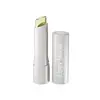
This anti-aging lip moisturizer is formulated around Tocopherol and Butyrospermum Parkii Butter to soften the look of wrinkles and hydrate lips.
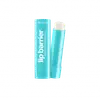
This barrier-repair lip moisturizer is formulated around Ricinus Communis Seed Oil and Petrolatum to strengthen the lip barrier and hydrate lips.

What's inside
What's inside
 Key Ingredients
Benefits
Concerns
Ingredients Side-by-side
Tridecyl Trimellitate
EmollientEthylhexyl Palmitate
Emollient




C12-15 Alkyl Benzoate
AntimicrobialEthylhexyl Methoxycinnamate
UV Absorber


Isononyl Isononanoate
EmollientOctocrylene
UV Absorber
Diethylamino Hydroxybenzoyl Hexyl Benzoate
UV Filter
Ethylhexyl Salicylate
UV Absorber
Octyldodecanol
Emollient
Dibutyl Lauroyl Glutamide
Skin ConditioningDibutyl Ethylhexanoyl Glutamide
Skin ConditioningIsostearic Acid
Cleansing
Phenoxyethanol
Preservative
Menthol
Masking

Tocopherol
Antioxidant







Vanillin
Masking
Ethylhexylglycerin
Skin ConditioningButyrospermum Parkii Butter
Skin Conditioning
Theobroma Cacao Seed Butter
Emollient
Cetearyl Ethylhexanoate
Emollient
Vegetable Oil
Skin Conditioning
Honey
Humectant
Tribehenin
Emollient
Sorbitan Isostearate
Emulsifying
Portulaca Pilosa Extract
Skin ConditioningLactic Acid
Buffering




Sucrose Cocoate
Emulsifying
Palmitoyl Tripeptide-1
Skin Conditioning
Palmitoyl Tripeptide-38
Skin Conditioning
CI 45410
Cosmetic ColorantCI 45370
Cosmetic ColorantTridecyl Trimellitate, Ethylhexyl Palmitate, C12-15 Alkyl Benzoate, Ethylhexyl Methoxycinnamate, Isononyl Isononanoate, Octocrylene, Diethylamino Hydroxybenzoyl Hexyl Benzoate, Ethylhexyl Salicylate, Octyldodecanol, Dibutyl Lauroyl Glutamide, Dibutyl Ethylhexanoyl Glutamide, Isostearic Acid, Phenoxyethanol, Menthol, Tocopherol, Vanillin, Ethylhexylglycerin, Butyrospermum Parkii Butter, Theobroma Cacao Seed Butter, Cetearyl Ethylhexanoate, Vegetable Oil, Honey, Tribehenin, Sorbitan Isostearate, Portulaca Pilosa Extract, Lactic Acid, Sucrose Cocoate, Palmitoyl Tripeptide-1, Palmitoyl Tripeptide-38, CI 45410, CI 45370
Ricinus Communis Seed Oil
Masking
Petrolatum
Emollient
C12-15 Alkyl Benzoate
AntimicrobialOlea Europaea Fruit Oil
Masking
Bis-Diglyceryl Polyacyladipate-2
Emollient
Synthetic Wax
Abrasive
Ethylhexyl Methoxycinnamate
UV Absorber
Butyl Methoxydibenzoylmethane
UV Absorber
Di-C20-40 Alkyl Dimer Dilinoleate
Skin ConditioningMicrocrystalline Wax
Emulsion StabilisingButyrospermum Parkii Butter
Skin Conditioning
Macadamia Ternifolia Seed Oil
Emollient
C10-30 Cholesterol/Lanosterol Esters
Emulsifying
Zinc Oxide
Cosmetic Colorant
Phenoxyethanol
Preservative
Simmondsia Chinensis Seed Oil
Emollient
Bisabolol
Antioxidant
Tocopheryl Acetate
Antioxidant
Ethylhexylglycerin
Skin ConditioningLinoleic Acid
Cleansing
1,2-Hexanediol
Skin Conditioning
Caprylyl Glycol
Emollient
Glycine Soja Oil
Emollient
Allantoin
Skin Conditioning
BHT
Antioxidant
Persea Gratissima Oil
Skin Conditioning
Oleic Acid
Emollient
Triethoxycaprylylsilane

Propylene Glycol
Humectant
Honey Extract
Humectant
Palmitic Acid
Emollient
Water
Skin ConditioningStearic Acid
Cleansing
Glycerin
Humectant
Linolenic Acid
Cleansing
Isobornyl Acetate
Masking
Calendula Officinalis Flower Extract
Masking
Chamomilla Recutita Flower Extract
Masking
Fucus Vesiculosus Extract
Emollient
Triticum Vulgare Bran Extract
Skin ConditioningArachidic Acid
Cleansing
Behenic Acid
Cleansing
Punica Granatum Flower Extract
Skin Conditioning
Polyglyceryl-3 Diisostearate
Emulsifying
Tocopherol
Antioxidant
Citric Acid
Buffering
Potassium Sorbate
Preservative
Sodium Benzoate
Masking
Ricinus Communis Seed Oil, Petrolatum, C12-15 Alkyl Benzoate, Olea Europaea Fruit Oil, Bis-Diglyceryl Polyacyladipate-2, Synthetic Wax, Ethylhexyl Methoxycinnamate, Butyl Methoxydibenzoylmethane, Di-C20-40 Alkyl Dimer Dilinoleate, Microcrystalline Wax, Butyrospermum Parkii Butter, Macadamia Ternifolia Seed Oil, C10-30 Cholesterol/Lanosterol Esters, Zinc Oxide, Phenoxyethanol, Simmondsia Chinensis Seed Oil, Bisabolol, Tocopheryl Acetate, Ethylhexylglycerin, Linoleic Acid, 1,2-Hexanediol, Caprylyl Glycol, Glycine Soja Oil, Allantoin, BHT, Persea Gratissima Oil, Oleic Acid, Triethoxycaprylylsilane, Propylene Glycol, Honey Extract, Palmitic Acid, Water, Stearic Acid, Glycerin, Linolenic Acid, Isobornyl Acetate, Calendula Officinalis Flower Extract, Chamomilla Recutita Flower Extract, Fucus Vesiculosus Extract, Triticum Vulgare Bran Extract, Arachidic Acid, Behenic Acid, Punica Granatum Flower Extract, Polyglyceryl-3 Diisostearate, Tocopherol, Citric Acid, Potassium Sorbate, Sodium Benzoate
Reviews
Ingredients Explained
These ingredients are found in both products.
Ingredients higher up in an ingredient list are typically present in a larger amount.
This ingredient is also known as shea butter. It is a plant-derived extract from the nuts of the Africa shea tree and one of the most well-studied emollients.
Because it has a high concentration of fatty acids (primarily oleic, stearic, and linoleic) it is able to form a protective barrier on the skin's surface. This helps seal in moisture and prevents transepidermal water loss (TEWL).
In vitro research found an increase in skin hydration by 58% and a decrease in TEWL by 37.8% after 24 hours of applying this ingredient (pretty impressive for a single ingredient!).
Besides hydration, shea butter also contains triterpenes that have anti-inflammatory potential. In particule, lupeol cinnamate has shown the highest anti-inflammatory activity in vivo.
Shea butter also contains vitamins A and E which may contribute to antioxidant activity.
While Shea Butter has an SPF rating of about 3-4, it is not a sunscreen replacement.
This ingredient may not be fungal acne safe because its fatty acids fall within the C11-C24 range that the Malassezia yeast can metabolize.
This ingredient shows up on a lot of "pore-clogging" lists but there's no real evidence behind that. It doesn't even have a comedogenic rating from an actual study; the numbers you'll find online come from blogs citing other blogs.
Ratings for other ingredients mostly come from a 1980s rabbit ear test. This test doesn't translate well to human skin or to real products because the ingredient sits at a much lower percentage.
Some people still find it breaks them out. So if that's you, definitely trust your skin. Just know this one's based on experience and not evidence.
Learn more about Butyrospermum Parkii ButterC12-15 Alkyl Benzoate is a lightweight emollient made by combinig benzoic acid with fatty alcohols that are 12-15 carbons long.
In cosmetics, it plays several roles:
The Cosmetic Review Expert Panel has concluded the alkyl benzoate group to be safe as used in cosmetics; it wasn't found to be a skin irritant and unlikely to be absorbed due to its low water solubility.
This report recorded almost 1000 reported uses with concentrations up to 59% in leave-on products but your cosmetics will typically use 0.5-15% depending on the product.
It's often called a "SPF booster": this is because it keeps UV filters properly dissolved and evenly distributed to support a sunscreen's performance. It doesn't actually raise SPF on its own.
Overall, this ingredient is well tolerated.
This ingredient is fungal acne safe because it is an ester of benzoic acid.
Think of this ingredient as two parts stuck together: an oily part and an acid part. Malassezia only gets a meal when it can snip off a fatty acid to eat. With C12-15 Alkyl Benzoate, the acid part is benzoic acid, which isn't a fatty acid and which the yeast can't use as food.
Benzoic acid is actually used as a preservative to stop yeast from growing.
The oily part is a blend of C12-15 fatty alcohols but fatty alcohols in this size range can support only a little Malassezia growth (mostly for one species of Malassezia as well).
In the ingredient, those alcohols stay locked inside the molecule. The yeast can only reach them by snipping the benzoate bond, and that type of bond is harder for it to cut than a normal fatty bond.
So not much gets released. And whatever does get snipped comes packaged with benzoic acid, which discourages yeast growth.
Learn more about C12-15 Alkyl BenzoateThis ingredient is also known as Octinoxate and is one of the oldest and most widely used chemical UV filters in skincare.
It has a simple job: soap up UVB radiation (290-320 nm), the wavelengths responsible for sunburn and a big chunk of long-term sun damage.
In formulas, it's always paired with a separate UVA filter because octinoxate solely protects skin from UVB.
Because it's an oil-soluble liquid, it's easy to blend into the oil phase of lotions/creams and gives a cosmetically elegant feel.
The one quirk about formulating this ingredient is photostability; the molecule slowly changes shape into a less effective version when sunlight hits it. So the longer you're in the sun, the weaker its protection gets. The drop can be more than 30% in some formulas.
It also doesn't play nice with Avobenzone (the common UVA filter) since avobenzone destabilizes octinoxate and the two degrade each other. But don't worry: brands have solved this issue by adding photostabilizers like Tinosorb S to prevent degradation and keep SPF stable under heavy UV exposure.
The maximum allowed level is 10% in the EU and Australia, 7.5% in the US and Canada, and 20% in Japan.
The Cosmetic Ingredient Review Panel has concluded this ingredient to be safe in cosmetics up to 10%.
One last thing worth knowing for context:
Octinoxate has been the subject of ongoing review in Europe where the Scientific Committee on Consumer Safety's (SCCS) 2025 final opinion is that this ingredient is an endocrine-active substance.
Lab and animal studies suggest it can act a bit like a hormone in the body (mildly mimicking estrogen and slightly blocking male hormones). It's important to know this hasn't really been shown to happen in everyday human use.
This ingredient is also banned in Hawaii over coral reef concerns.
Learn more about Ethylhexyl MethoxycinnamateEthylhexylglycerin is created from glycerin. It is a multitasker ingredient that:
The CIR Expert Panel found minimal skin absorption or sensitization of any kind in a safety assessment. Though this ingredient is considered well-tolerated, a small number of cases of allergic dermatitis have been published since 2002. Just be sure to patch test if you are unsure.
Industry-reported use ranges from 8% in rinse-off products and 2% in leave-on formulations.
Learn more about EthylhexylglycerinPhenoxyethanol is one of the most widely used preservatives in skincare (and for good reason!).
It has a large spectrum of antimicrobial activity and especially effective bacteria, yeast, and mold while only having a weak effect on your skin's natural microbiome.
On a cellular level, it disrupts the cell membranes of microbes by poking holes that make the cell leak. This shuts down the chemical reactions the microbe needs to make energy so it can no longer survive.
Another perk of this ingredient is that it stays functional across a wide pH range (3-10).
You'll often see it paired with boosters like Ethylhexylglycerin; one study showed that a 1:9 ratio of Ethylhexylglycerin to Phenoxyethanol damages bacterial membranes as effectively as doubling the Phenoxyethanol concentration on its own.
Typical use concentrations range from 0.3-1% depending on the formula, and this ingredient is capped at 1% int the EU.
Safety-wise, the fear mongering does not hold up to the evidence. The EU's Scientific Committee on Consumer Safety and FDA consider it safe as a preservative at up to 1%, including for children of all ages.
Adverse systemic effects only showed up in animal studies at exposures roughly 200x higher than what people get from cosmetics. And despite its very widespread use, this ingredient is a rare sensitizer and allergic reactions are uncommon.
Learn more about PhenoxyethanolTocopherol is a fat-soluble antioxidant known as Vitamin E.
You'll find this ingredient in the vast majority of skincare (for good reason). It works to neutralize free radicals, or unstable molecules generated by UV exposure, pollution, and other environmental stressors, before they can cause oxidative damage to your skin cells.
Topically applied tocopherol has been shown to protect against UV damage by ramping up the skin's own natural defense enzymes.
It also acts as a skin conditioning agent; some studies show that regular topical use can improve the skin's water-binding capacity over 2-4 weeks.
This ingredient is especially loved for being a team player. When combined with Vitamin C, the photoprotective effect of both ingredients roughly doubles and the combo also helps reduce UV-induced DNA damage.
This ingredient has some brightening potential but it's more of a prevention ingredient than spot-fader. Cell studies show it can slow down melanin production but it's worth noting that it's not the most powerful brightener out there.
In formulations, it also serves as a stabilizer that helps protect other oxidation-prone ingredients from degrading.
Concentrations usually range from 0.1-1% in most leave-on products.
Learn more about Tocopherol

