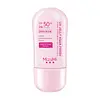
This hybrid sunscreen covers the full UV range and blocks ~98% of UVB at SPF 50.
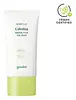
This mineral sunscreen covers the full UV range and blocks ~98% of UVB at SPF 50.


What's inside
What's inside
 Key Ingredients
Benefits
Concerns
Ingredients Side-by-side
Water
Skin ConditioningButylene Glycol
Humectant

Ethylhexyl Salicylate
UV Absorber

Ethylhexyl Triazone
UV Absorber
Diethylamino Hydroxybenzoyl Hexyl Benzoate
UV Filter
Neopentyl Glycol Diheptanoate
EmollientBis-Ethylhexyloxyphenol Methoxyphenyl Triazine
UV Absorber
Isododecane
EmollientPEG-20 Glyceryl Triisostearate
Emollient

Diisopropyl Adipate
EmollientPropylene Glycol Dicaprylate/Dicaprate
EmollientCaprylyl Methicone
Skin Conditioning
Silica
Abrasive


Propanediol
Solvent
C12-15 Alkyl Benzoate
AntimicrobialDiisopropyl Sebacate
EmollientCyclopentasiloxane
Emollient
Titanium Dioxide
Cosmetic Colorant
Lauroyl Lysine
Skin Conditioning
Aluminum Starch Octenylsuccinate
Absorbent
Sorbitan Sesquiisostearate
Emulsifying
Acrylates/Beheneth-25 Methacrylate Copolymer
Methylene Bis-Benzotriazolyl Tetramethylbutylphenol
UV Filter
PPG-8-Ceteth-20
EmulsifyingMethylpropanediol
SolventSaccharomyces Ferment
Skin Conditioning
Caprylic/Capric Triglyceride
Masking
Caprylyl Glycol
Emollient
Stearyl Glycyrrhetinate
Skin ConditioningMaltodextrin
Absorbent
Tocopheryl Acetate
Antioxidant


Polyquaternium-80
CleansingOctocrylene
UV Absorber

Decyl Glucoside
Cleansing
Pistacia Lentiscus Gum
MaskingDisodium EDTA
ChelatingHydrogenated Lecithin
Emulsifying
Didecyldimonium Chloride
EmulsifyingButyl Methoxydibenzoylmethane
UV Absorber
Aloe Barbadensis Leaf Water
MaskingPhenethyl Alcohol
MaskingPolysilicone-14
Tremella Fuciformis Polysaccharide
Emulsion Stabilising
Caesalpinia Spinosa Fruit Extract
Skin ProtectingAlteromonas Ferment Extract
Skin Conditioning
Propylene Glycol
Humectant
3-Laurylglyceryl Ascorbate
Antioxidant
Ethylhexylglycerin
Skin ConditioningXanthan Gum
EmulsifyingHelianthus Annuus Sprout Extract
Skin ConditioningRosa Roxburghii Fruit Extract
TonicCamellia Sinensis Leaf Extract
Antimicrobial
Water, Butylene Glycol, Ethylhexyl Salicylate, Ethylhexyl Triazone, Diethylamino Hydroxybenzoyl Hexyl Benzoate, Neopentyl Glycol Diheptanoate, Bis-Ethylhexyloxyphenol Methoxyphenyl Triazine, Isododecane, PEG-20 Glyceryl Triisostearate, Diisopropyl Adipate, Propylene Glycol Dicaprylate/Dicaprate, Caprylyl Methicone, Silica, Propanediol, C12-15 Alkyl Benzoate, Diisopropyl Sebacate, Cyclopentasiloxane, Titanium Dioxide, Lauroyl Lysine, Aluminum Starch Octenylsuccinate, Sorbitan Sesquiisostearate, Acrylates/Beheneth-25 Methacrylate Copolymer, Methylene Bis-Benzotriazolyl Tetramethylbutylphenol, PPG-8-Ceteth-20, Methylpropanediol, Saccharomyces Ferment, Caprylic/Capric Triglyceride, Caprylyl Glycol, Stearyl Glycyrrhetinate, Maltodextrin, Tocopheryl Acetate, Polyquaternium-80, Octocrylene, Decyl Glucoside, Pistacia Lentiscus Gum, Disodium EDTA, Hydrogenated Lecithin, Didecyldimonium Chloride, Butyl Methoxydibenzoylmethane, Aloe Barbadensis Leaf Water, Phenethyl Alcohol, Polysilicone-14, Tremella Fuciformis Polysaccharide, Caesalpinia Spinosa Fruit Extract, Alteromonas Ferment Extract, Propylene Glycol, 3-Laurylglyceryl Ascorbate, Ethylhexylglycerin, Xanthan Gum, Helianthus Annuus Sprout Extract, Rosa Roxburghii Fruit Extract, Camellia Sinensis Leaf Extract
Zinc Oxide
Cosmetic Colorant
Zinc Gluconate
Skin Conditioning

Zinc Lactate
Water
Skin ConditioningHouttuynia Cordata Extract
Skin Conditioning
Butylene Glycol
Humectant
Glycerin
Humectant
C13-16 Isoparaffin
Solvent
Betaine
Humectant
C12-14 Isoparaffin
Solvent
Pentylene Glycol
Skin Conditioning
1,2-Hexanediol
Skin Conditioning
Hydrogenated Polydecene
EmollientVinyldimethicone
Caprylyl Methicone
Skin Conditioning
Hydroxyethyl Acrylate/Sodium Acryloyldimethyl Taurate Copolymer
Emulsion StabilisingPanthenol
Skin Conditioning
Acrylates/C10-30 Alkyl Acrylate Crosspolymer
Emulsion StabilisingDimethicone/Vinyl Dimethicone Crosspolymer
Skin Conditioning
Dimethiconol
Emollient
Tromethamine
BufferingDipotassium Glycyrrhizate
Humectant
Xanthan Gum
EmulsifyingEthylhexylglycerin
Skin ConditioningGlyceryl Acrylate/Acrylic Acid Copolymer
HumectantDisodium EDTA
ChelatingMelia Azadirachta Flower Extract
Skin ConditioningMelia Azadirachta Leaf Extract
Skin ConditioningSilica
Abrasive
Madecassoside
Antioxidant
Curcuma Longa Root Extract
Antioxidant
Dextrin
AbsorbentOcimum Sanctum Leaf Extract
Skin ConditioningTheobroma Cacao Seed Extract
Antioxidant
Ocimum Basilicum Oil
Masking
Corallina Officinalis Extract
Skin Conditioning
Asiaticoside
Antioxidant
Citrus Aurantium Dulcis Peel Oil
Masking
Lavandula Angustifolia Oil
Masking
Centella Asiatica Leaf Extract
Skin Conditioning
Tocopherol
Antioxidant
Zinc Oxide, Zinc Gluconate, Zinc Lactate, Water, Houttuynia Cordata Extract, Butylene Glycol, Glycerin, C13-16 Isoparaffin, Betaine, C12-14 Isoparaffin, Pentylene Glycol, 1,2-Hexanediol, Hydrogenated Polydecene, Vinyldimethicone, Caprylyl Methicone, Hydroxyethyl Acrylate/Sodium Acryloyldimethyl Taurate Copolymer, Panthenol, Acrylates/C10-30 Alkyl Acrylate Crosspolymer, Dimethicone/Vinyl Dimethicone Crosspolymer, Dimethiconol, Tromethamine, Dipotassium Glycyrrhizate, Xanthan Gum, Ethylhexylglycerin, Glyceryl Acrylate/Acrylic Acid Copolymer, Disodium EDTA, Melia Azadirachta Flower Extract, Melia Azadirachta Leaf Extract, Silica, Madecassoside, Curcuma Longa Root Extract, Dextrin, Ocimum Sanctum Leaf Extract, Theobroma Cacao Seed Extract, Ocimum Basilicum Oil, Corallina Officinalis Extract, Asiaticoside, Citrus Aurantium Dulcis Peel Oil, Lavandula Angustifolia Oil, Centella Asiatica Leaf Extract, Tocopherol
Reviews
Ingredients Explained
These ingredients are found in both products.
Ingredients higher up in an ingredient list are typically present in a larger amount.
Butylene Glycol (or BG) is used within cosmetic products for a few different reasons:
Overall, Butylene Glycol is a safe and well-rounded ingredient that works well with other ingredients.
Though this ingredient works well with most skin types, some people with sensitive skin may experience a reaction such as allergic rashes, closed comedones, or itchiness.
Learn more about Butylene GlycolCaprylyl Methicone is a synthetic and lightweight silicone fluid. It gives products a silky, dry-touch finish without the heaviness of pure oils.
Though the EU CosIng Database lists this ingredient as a skin conditioner, it is also used for sensory reasons. It spreads easily, cuts greasiness, and reduces tackiness.
This ingredient is volatile which means it will mostly evaporate (but it evaporates slower than older cyclomethicones, like Cyclotetrasiloxane).
Typical concentration ranges from 1-30% depending on if it's being used to tweak the feel of a product or acting as the main emollient.
Learn more about Caprylyl MethiconeDisodium EDTA is a chelating agent. It grabs onto and deactivates metal ions that sneak into your products from water, packaging, or air.
This ingredient mainly works behind the scenes and helps with:
On top of that, this ingredient can counteract the effects of hard water by binding to the minerals in it.
One thing worth knowing is that Disodium EDTA has been shown to be a mild penetration enhancer. It can help other ingredients absorb into skin more effectively which can be a double-edged sword (great for actives, but can also make the active too strong if you have sensitive skin).
Clinical patch testing showed no significant skin irritation at typical use concentrations and minimal dermal absorption.
You'll most likely see this ingredient near the end of an ingredient list. It's typically found in concentrations less than 1%.
Learn more about Disodium EDTAEthylhexylglycerin is created from glycerin. It is a multitasker ingredient that:
The CIR Expert Panel found minimal skin absorption or sensitization of any kind in a safety assessment. Though this ingredient is considered well-tolerated, a small number of cases of allergic dermatitis have been published since 2002. Just be sure to patch test if you are unsure.
Industry-reported use ranges from 8% in rinse-off products and 2% in leave-on formulations.
Learn more about EthylhexylglycerinSilica, also known as silicon dioxide, is a naturally occurring mineral. It is used as a fine, spherical, and porous powder in cosmetics.
Though it has exfoliant properties, the function of silica varies depending on the product.
The unique structure of silica enhances the spreadability and adds smoothness, making it a great texture enhancer.
It is also used as an active carrier, emulsifier, and mattifier due to its ability to absorb excess oil.
In some products, tiny microneedles called spicules are made from silica or hydrolyzed sponge. When you rub them in, they lightly polish away dead skin layers and enhance the penetration of active ingredients.
Learn more about SilicaWater. It's the most common cosmetic ingredient of all. You'll usually see it at the top of ingredient lists, meaning that it makes up the largest part of the product.
So why is it so popular? Water most often acts as a solvent - this means that it helps dissolve other ingredients into the formulation.
You'll also recognize water as that liquid we all need to stay alive. If you see this, drink a glass of water. Remember to stay hydrated!
Learn more about WaterXanthan gum is used as a stabilizer and thickener within cosmetic products. It helps give products a sticky, thick feeling - preventing them from being too runny.
On the technical side of things, xanthan gum is a polysaccharide - a combination consisting of multiple sugar molecules bonded together.
Xanthan gum is a pretty common and great ingredient. It is a natural, non-toxic, non-irritating ingredient that is also commonly used in food products.
Learn more about Xanthan Gum

