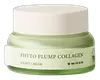
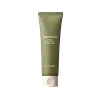
Mizon Phyto Plump Collagen Night Cream Versus The Saem Urban Eco Harakeke Deep Moisture Sleeping Pack
This anti-aging night moisturizer is formulated around Panthenol and Niacinamide to soften the look of wrinkles and hydrate skin.
This hydrating overnight mask is formulated around Ceramide NP and Phytosphingosine to hydrate skin and strengthen the skin barrier.

What's inside
What's inside
 Key Ingredients
Benefits
Concerns
Ingredients Side-by-side
Water
Skin ConditioningButylene Glycol
Humectant

Glycerin
Humectant
Pentaerythrityl Tetraethylhexanoate
Emollient
Panthenol
Skin Conditioning

Coco-Caprylate/Caprate
Emollient
Squalane
Emollient
Niacinamide
Smoothing






Butylene Glycol Dicaprylate/Dicaprate
EmollientCaprylic/Capric Triglyceride
Masking
Glyceryl Stearate
Emollient

Tremella Fuciformis Polysaccharide
Emulsion Stabilising
Betaine
Humectant
Methyl Methacrylate Crosspolymer
Palmitic Acid
Emollient


Polyglyceryl-2 Stearate
Emulsifying
C11-13 Isoparaffin
Solvent
Isohexadecane
EmollientStearic Acid
Cleansing
Dimethiconol
Emollient
Behenyl Alcohol
Emollient
Stearyl Alcohol
Emollient
Dipropylene Glycol
HumectantHydroxyacetophenone
Antioxidant
Hydroxyethyl Acrylate/Sodium Acryloyldimethyl Taurate Copolymer
Emulsion StabilisingAmmonium Polyacryloyldimethyl Taurate
Emulsion StabilisingCarbomer
Emulsion StabilisingCaprylyl Glycol
Emollient
Tromethamine
BufferingHydrogenated Olive Oil Unsaponifiables
Emollient
1,2-Hexanediol
Skin Conditioning
Ethylhexylglycerin
Skin ConditioningAdenosine
Skin Conditioning
Silica
Abrasive
Disodium EDTA
ChelatingEclipta Prostrata Extract
Skin Conditioning
Coccinia Indica Fruit Extract
Skin Conditioning
Sorbitan Isostearate
Emulsifying
Sodium Metabisulfite
Antioxidant
T-Butyl Alcohol
Perfuming



Laminaria Japonica Extract
Skin Protecting
Undaria Pinnatifida Extract
Skin ConditioningSargassum Fulvellum Extract
Skin ConditioningCoptis Japonica Root Extract
Skin ConditioningDipotassium Glycyrrhizate
Humectant
Tocopherol
Antioxidant
Water, Butylene Glycol, Glycerin, Pentaerythrityl Tetraethylhexanoate, Panthenol, Coco-Caprylate/Caprate, Squalane, Niacinamide, Butylene Glycol Dicaprylate/Dicaprate, Caprylic/Capric Triglyceride, Glyceryl Stearate, Tremella Fuciformis Polysaccharide, Betaine, Methyl Methacrylate Crosspolymer, Palmitic Acid, Polyglyceryl-2 Stearate, C11-13 Isoparaffin, Isohexadecane, Stearic Acid, Dimethiconol, Behenyl Alcohol, Stearyl Alcohol, Dipropylene Glycol, Hydroxyacetophenone, Hydroxyethyl Acrylate/Sodium Acryloyldimethyl Taurate Copolymer, Ammonium Polyacryloyldimethyl Taurate, Carbomer, Caprylyl Glycol, Tromethamine, Hydrogenated Olive Oil Unsaponifiables, 1,2-Hexanediol, Ethylhexylglycerin, Adenosine, Silica, Disodium EDTA, Eclipta Prostrata Extract, Coccinia Indica Fruit Extract, Sorbitan Isostearate, Sodium Metabisulfite, T-Butyl Alcohol, Laminaria Japonica Extract, Undaria Pinnatifida Extract, Sargassum Fulvellum Extract, Coptis Japonica Root Extract, Dipotassium Glycyrrhizate, Tocopherol
Phormium Tenax Root Extract 67%
Skin ConditioningGlycerin
Humectant
Methyl Trimethicone
Skin Conditioning
Butylene Glycol
Humectant
Vegetable Oil
Skin Conditioning
Trehalose
Humectant
Water
Skin Conditioning1,2-Hexanediol
Skin Conditioning
Ceramide NP
Skin Conditioning
Phytosphingosine
Skin Conditioning
Vitis Vinifera Seed Oil
Emollient
Ribes Nigrum Seed Oil
Emollient
Calendula Officinalis Flower Extract
Masking
Ribes Nigrum Fruit Extract
Astringent
Phormium Tenax Extract
Skin ConditioningPhormium Tenax Seed Oil
Skin Conditioning
Helianthus Annuus Seed Oil
Emollient
Sodium Hyaluronate
Humectant
Melia Azadirachta Leaf Extract
Skin ConditioningMelia Azadirachta Flower Extract
Skin ConditioningCoccinia Indica Fruit Extract
Skin Conditioning
Aloe Barbadensis Flower Extract
EmollientSolanum Melongena Fruit Extract
Skin ConditioningPortulaca Oleracea Extract
Skin Conditioning
Simmondsia Chinensis Seed Oil
Emollient
Ocimum Sanctum Leaf Extract
Skin ConditioningCurcuma Longa Root Extract
Antioxidant
Corallina Officinalis Extract
Skin Conditioning
Hippophae Rhamnoides Oil
Emollient
Jojoba Esters
Emollient
Ammonium Acryloyldimethyltaurate/Beheneth-25 Methacrylate Crosspolymer
Emulsion StabilisingPalmitic Acid
Emollient
Stearic Acid
Cleansing
Hydroxyethyl Acrylate/Sodium Acryloyldimethyl Taurate Copolymer
Emulsion StabilisingAcrylates/C10-30 Alkyl Acrylate Crosspolymer
Emulsion StabilisingArginine
Masking
Xanthan Gum
EmulsifyingDisodium EDTA
ChelatingSorbitan Isostearate
Emulsifying
Hydrogenated Lecithin
Emulsifying
Myristic Acid
Cleansing
Tocopherol
Antioxidant
Parfum
Masking
Phormium Tenax Root Extract 67%, Glycerin, Methyl Trimethicone, Butylene Glycol, Vegetable Oil, Trehalose, Water, 1,2-Hexanediol, Ceramide NP, Phytosphingosine, Vitis Vinifera Seed Oil, Ribes Nigrum Seed Oil, Calendula Officinalis Flower Extract, Ribes Nigrum Fruit Extract, Phormium Tenax Extract, Phormium Tenax Seed Oil, Helianthus Annuus Seed Oil, Sodium Hyaluronate, Melia Azadirachta Leaf Extract, Melia Azadirachta Flower Extract, Coccinia Indica Fruit Extract, Aloe Barbadensis Flower Extract, Solanum Melongena Fruit Extract, Portulaca Oleracea Extract, Simmondsia Chinensis Seed Oil, Ocimum Sanctum Leaf Extract, Curcuma Longa Root Extract, Corallina Officinalis Extract, Hippophae Rhamnoides Oil, Jojoba Esters, Ammonium Acryloyldimethyltaurate/Beheneth-25 Methacrylate Crosspolymer, Palmitic Acid, Stearic Acid, Hydroxyethyl Acrylate/Sodium Acryloyldimethyl Taurate Copolymer, Acrylates/C10-30 Alkyl Acrylate Crosspolymer, Arginine, Xanthan Gum, Disodium EDTA, Sorbitan Isostearate, Hydrogenated Lecithin, Myristic Acid, Tocopherol, Parfum
Reviews
Ingredients Explained
These ingredients are found in both products.
Ingredients higher up in an ingredient list are typically present in a larger amount.
1,2-Hexanediol is a synthetic liquid and another multi-functional powerhouse.
It is a:
- Humectant, drawing moisture into the skin
- Emollient, helping to soften skin
- Solvent, dispersing and stabilizing formulas
- Preservative booster, enhancing the antimicrobial activity of other preservatives
Butylene Glycol (or BG) is used within cosmetic products for a few different reasons:
Overall, Butylene Glycol is a safe and well-rounded ingredient that works well with other ingredients.
Though this ingredient works well with most skin types, some people with sensitive skin may experience a reaction such as allergic rashes, closed comedones, or itchiness.
Learn more about Butylene GlycolCoccinia Indica Fruit Extract is also known as Ivy Gourd Fruit Extract. It has skin conditioning properties.
The fruit is rich in flavonoids, phenolic acids, terpenoids, and sterols that show antioxidant and anti-inflammatory effect in vitro. This is because the fruit contains a thick mucilage that forms a protective and soothing layer on the skin's surface.
The extract itself has demonstrated antioxidant, soothing, and potential anti-allergy properties.
Most of this research is done in vitro and dedicated clinical studies on topical application are still limited.
Learn more about Coccinia Indica Fruit ExtractDisodium EDTA is a chelating agent. It grabs onto and deactivates metal ions that sneak into your products from water, packaging, or air.
This ingredient mainly works behind the scenes and helps with:
On top of that, this ingredient can counteract the effects of hard water by binding to the minerals in it.
One thing worth knowing is that Disodium EDTA has been shown to be a mild penetration enhancer. It can help other ingredients absorb into skin more effectively which can be a double-edged sword (great for actives, but can also make the active too strong if you have sensitive skin).
Clinical patch testing showed no significant skin irritation at typical use concentrations and minimal dermal absorption.
You'll most likely see this ingredient near the end of an ingredient list. It's typically found in concentrations less than 1%.
Learn more about Disodium EDTAGlycerin (or glycerol) is a compound naturally found in your skin. It's a powerhouse humectant that pulls water into the stratum corneum.
Topically, glycerin does several things at once:
Your skin makes glycerin on its own (mostly from sebaceous oil breakdown) and shuttles it to your outermost layer of skin, or your epidermis, via aquaporin-3.
Aquaporin-3 is a transporter that is essential for normal skin hydration, elasticity, and repair. Interestingly, mice lacking in AQP3 have dry and less elastic skin that can be fully corrected with glycerin.
This ingredient is non-irritating, plays well with almost every ingredient, and works across all skin types. Typical use is anywhere between 3-10% but can go up to 79% in some leave-on products.
Just know very high concentrations (>40%) can feel tacky in low humidity.
Glycerin is the name for this ingredient in American English. British English uses Glycerol/Glycerine.
Learn more about GlycerinThis is a synthetic polymer. It helps improve the texture of products by adding thickness and gel-like feel.
It is also an emulsifer, meaning it prevents ingredients such as oil and water from separating. It also helps evenly disperse other ingredients.
Palmitic Acid is a fatty acid naturally found in our skin and in many plant and animal sources.
In cosmetics, it is usually derived from palm oil. It serves many purposes in skincare, acting as a cleanser, emollient, and emulsifier.
Interestingly, topically applied Palmitic Acid can be elongated into longer chain fatty acids and ceramides. A 2019 study found low levels of Palmitic Acid lead to slower development of cells, suggesting it plays a role in keeping your skin's renewal process on track.
The CIR (Cosmetic Ingredient Review) panel determined it safe as used in cosmetics at concentrations up to 13%. It is non-irritating and non-sensitizing in clinical studies.
The culprit behind fungal acne, the Malassezia yeast, feeds on fatty acids with carbon chain lengths between C11-C24. Palmitic Acid, at C16, falls right into that sweet spot.
In vitro studies have shown that Palmitic Acid is one of the fatty acids that induce rapid Malassezia growth in lab settings.
It's worth noting that what feeds yeast in a lab doesn't necessarily feed it on your face since formulation and your skin's chemistry play a bigger role.
This ingredient does have a comedogenic rating of 2, but this doesn't mean a formula with this ingredient will clog pores.
Human testing has proved that any finished product with a comedogenic ingredient won't automatically make you break out; it really comes down to concentration, formula, and your skin.
Learn more about Palmitic AcidSorbitan Isostearate is an emulsifer. It is created from isostearic acid and sorbitol.
As an emulsifier, it keeps the water and oil ingredients from separating. This keeps formulas stable and smooth.
In a 24 hour occlusive patch test on 56 subjects, 10% sorbitan isostearate was completely non-irritating. Most formulas use less than 10%.
Because it's a fatty acid ester, it may not be fungal acne safe since the Malassezia yeast can utilize it as a nutrient source.
Learn more about Sorbitan IsostearateStearic Acid is a fatty acid that is already found in your skin. It's one of the free fatty acids that works alongside ceramides and cholesterols to maintain your barrier.
In cosmetics, it is a multitasker:
Safety-wise, the CIR Expert Panel has concluded it to be safe in cosmetics when formulated to be non-irritating and non-sensitizing.
Free stearic acid is a C18 fatty acid that the Malassezia yeast can substrate, so this ingredient may not be fungal acne safe.
This ingredient does have a comedogenic rating of 2-3, but this doesn't mean a formula with this ingredient will clog pores.
Human testing has proved that any finished product with this ingredient won't automatically make you break out; it really comes down to concentration, formula, and your skin.
Learn more about Stearic AcidTocopherol is a fat-soluble antioxidant known as Vitamin E.
You'll find this ingredient in the vast majority of skincare (for good reason). It works to neutralize free radicals, or unstable molecules generated by UV exposure, pollution, and other environmental stressors, before they can cause oxidative damage to your skin cells.
Topically applied tocopherol has been shown to protect against UV damage by ramping up the skin's own natural defense enzymes.
It also acts as a skin conditioning agent; some studies show that regular topical use can improve the skin's water-binding capacity over 2-4 weeks.
This ingredient is especially loved for being a team player. When combined with Vitamin C, the photoprotective effect of both ingredients roughly doubles and the combo also helps reduce UV-induced DNA damage.
This ingredient has some brightening potential but it's more of a prevention ingredient than spot-fader. Cell studies show it can slow down melanin production but it's worth noting that it's not the most powerful brightener out there.
In formulations, it also serves as a stabilizer that helps protect other oxidation-prone ingredients from degrading.
Concentrations usually range from 0.1-1% in most leave-on products.
Learn more about TocopherolWater. It's the most common cosmetic ingredient of all. You'll usually see it at the top of ingredient lists, meaning that it makes up the largest part of the product.
So why is it so popular? Water most often acts as a solvent - this means that it helps dissolve other ingredients into the formulation.
You'll also recognize water as that liquid we all need to stay alive. If you see this, drink a glass of water. Remember to stay hydrated!
Learn more about Water

