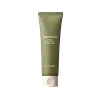
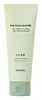
The Saem Urban Eco Harakeke Deep Moisture Sleeping Pack Versus heimish Matcha Biome Oil-Free Calming Gel Moisturizer
This hydrating overnight mask is formulated around Ceramide NP and Phytosphingosine to hydrate skin and strengthen the skin barrier.
This calming moisturizer is formulated around Camellia Sinensis Leaf Extract and Niacinamide to calm redness and hydrate skin.

What's inside
What's inside
 Key Ingredients
Benefits
Concerns
Ingredients Side-by-side
Phormium Tenax Root Extract 67%
Skin ConditioningGlycerin
Humectant


Methyl Trimethicone
Skin Conditioning
Butylene Glycol
Humectant
Vegetable Oil
Skin Conditioning


Trehalose
Humectant
Water
Skin Conditioning1,2-Hexanediol
Skin Conditioning
Ceramide NP
Skin Conditioning


Phytosphingosine
Skin Conditioning
Vitis Vinifera Seed Oil
Emollient
Ribes Nigrum Seed Oil
Emollient
Calendula Officinalis Flower Extract
Masking
Ribes Nigrum Fruit Extract
Astringent
Phormium Tenax Extract
Skin ConditioningPhormium Tenax Seed Oil
Skin Conditioning
Helianthus Annuus Seed Oil
Emollient
Sodium Hyaluronate
Humectant
Melia Azadirachta Leaf Extract
Skin ConditioningMelia Azadirachta Flower Extract
Skin ConditioningCoccinia Indica Fruit Extract
Skin Conditioning
Aloe Barbadensis Flower Extract
EmollientSolanum Melongena Fruit Extract
Skin ConditioningPortulaca Oleracea Extract
Skin Conditioning
Simmondsia Chinensis Seed Oil
Emollient
Ocimum Sanctum Leaf Extract
Skin ConditioningCurcuma Longa Root Extract
Antioxidant
Corallina Officinalis Extract
Skin Conditioning

Hippophae Rhamnoides Oil
Emollient
Jojoba Esters
Emollient
Ammonium Acryloyldimethyltaurate/Beheneth-25 Methacrylate Crosspolymer
Emulsion StabilisingPalmitic Acid
Emollient
Stearic Acid
Cleansing
Hydroxyethyl Acrylate/Sodium Acryloyldimethyl Taurate Copolymer
Emulsion StabilisingAcrylates/C10-30 Alkyl Acrylate Crosspolymer
Emulsion StabilisingArginine
Masking
Xanthan Gum
EmulsifyingDisodium EDTA
ChelatingSorbitan Isostearate
Emulsifying
Hydrogenated Lecithin
Emulsifying
Myristic Acid
Cleansing
Tocopherol
Antioxidant


Parfum
Masking

Phormium Tenax Root Extract 67%, Glycerin, Methyl Trimethicone, Butylene Glycol, Vegetable Oil, Trehalose, Water, 1,2-Hexanediol, Ceramide NP, Phytosphingosine, Vitis Vinifera Seed Oil, Ribes Nigrum Seed Oil, Calendula Officinalis Flower Extract, Ribes Nigrum Fruit Extract, Phormium Tenax Extract, Phormium Tenax Seed Oil, Helianthus Annuus Seed Oil, Sodium Hyaluronate, Melia Azadirachta Leaf Extract, Melia Azadirachta Flower Extract, Coccinia Indica Fruit Extract, Aloe Barbadensis Flower Extract, Solanum Melongena Fruit Extract, Portulaca Oleracea Extract, Simmondsia Chinensis Seed Oil, Ocimum Sanctum Leaf Extract, Curcuma Longa Root Extract, Corallina Officinalis Extract, Hippophae Rhamnoides Oil, Jojoba Esters, Ammonium Acryloyldimethyltaurate/Beheneth-25 Methacrylate Crosspolymer, Palmitic Acid, Stearic Acid, Hydroxyethyl Acrylate/Sodium Acryloyldimethyl Taurate Copolymer, Acrylates/C10-30 Alkyl Acrylate Crosspolymer, Arginine, Xanthan Gum, Disodium EDTA, Sorbitan Isostearate, Hydrogenated Lecithin, Myristic Acid, Tocopherol, Parfum
Water
Skin ConditioningCamellia Sinensis Leaf Extract
Antimicrobial

Glycerin
Humectant
Butylene Glycol
Humectant
Dicaprylyl Ether
Emollient
Niacinamide
Smoothing


1,2-Hexanediol
Skin Conditioning
Pentylene Glycol
Skin Conditioning
Chlorella Vulgaris Extract
Skin ConditioningMelia Azadirachta Leaf Extract
Skin ConditioningMelia Azadirachta Flower Extract
Skin ConditioningCynanchum Atratum Extract
Skin ConditioningSaccharomyces Ferment
Skin Conditioning
Lactobacillus Ferment
Skin Conditioning
Theobroma Cacao Seed Extract
Antioxidant
Althaea Rosea Flower Extract
Skin ConditioningCentella Asiatica Leaf Extract
Skin Conditioning
Cryptomeria Japonica Leaf Extract
HumectantNelumbo Nucifera Leaf Extract
Skin ConditioningHydrogenated Polydecene
EmollientVinyldimethicone
Caprylyl Methicone
Skin Conditioning
Hydroxyethyl Acrylate/Sodium Acryloyldimethyl Taurate Copolymer
Emulsion StabilisingPanthenol
Skin Conditioning
Acrylates/C10-30 Alkyl Acrylate Crosspolymer
Emulsion StabilisingDimethiconol
Emollient
Sodium Polyacryloyldimethyl Taurate
Emulsion StabilisingGlucose
Humectant
Tromethamine
BufferingGlyceryl Acrylate/Acrylic Acid Copolymer
HumectantDipotassium Glycyrrhizate
Humectant
Fructooligosaccharides
Humectant
Fructose
Humectant
Ethylhexylglycerin
Skin ConditioningCitric Acid
Buffering
Sodium Phytate
ChelatingTocopherol
Antioxidant
Dextrin
AbsorbentDipropylene Glycol
HumectantMadecassoside
Antioxidant
Asiaticoside
Antioxidant
Madecassic Acid
Skin Conditioning
Asiatic Acid
Skin Conditioning
Xanthan Gum
EmulsifyingWater, Camellia Sinensis Leaf Extract, Glycerin, Butylene Glycol, Dicaprylyl Ether, Niacinamide, 1,2-Hexanediol, Pentylene Glycol, Chlorella Vulgaris Extract, Melia Azadirachta Leaf Extract, Melia Azadirachta Flower Extract, Cynanchum Atratum Extract, Saccharomyces Ferment, Lactobacillus Ferment, Theobroma Cacao Seed Extract, Althaea Rosea Flower Extract, Centella Asiatica Leaf Extract, Cryptomeria Japonica Leaf Extract, Nelumbo Nucifera Leaf Extract, Hydrogenated Polydecene, Vinyldimethicone, Caprylyl Methicone, Hydroxyethyl Acrylate/Sodium Acryloyldimethyl Taurate Copolymer, Panthenol, Acrylates/C10-30 Alkyl Acrylate Crosspolymer, Dimethiconol, Sodium Polyacryloyldimethyl Taurate, Glucose, Tromethamine, Glyceryl Acrylate/Acrylic Acid Copolymer, Dipotassium Glycyrrhizate, Fructooligosaccharides, Fructose, Ethylhexylglycerin, Citric Acid, Sodium Phytate, Tocopherol, Dextrin, Dipropylene Glycol, Madecassoside, Asiaticoside, Madecassic Acid, Asiatic Acid, Xanthan Gum
Reviews
Ingredients Explained
These ingredients are found in both products.
Ingredients higher up in an ingredient list are typically present in a larger amount.
1,2-Hexanediol is a synthetic liquid and another multi-functional powerhouse.
It is a:
- Humectant, drawing moisture into the skin
- Emollient, helping to soften skin
- Solvent, dispersing and stabilizing formulas
- Preservative booster, enhancing the antimicrobial activity of other preservatives
Acrylates/C10-30 Alkyl Acrylate Crosspolymer is a synthetic polymer. It is used to thicken, emulsify, and improve the texture of products.
As an emulsifier, it helps stabilize oil-in-water emulsions to give products an elegant feel when applied.
It can also form a thin protective film on skin. One study found that a formula using this polymer helped slow down how quickly other ingredients (like DEET) were absorbed through skin.
A 2024 study of over 1,300 patients confirmed that sensitization to this ingredient is rare. It is also non-mutagenic and has a clean track record.
Learn more about Acrylates/C10-30 Alkyl Acrylate CrosspolymerButylene Glycol (or BG) is used within cosmetic products for a few different reasons:
Overall, Butylene Glycol is a safe and well-rounded ingredient that works well with other ingredients.
Though this ingredient works well with most skin types, some people with sensitive skin may experience a reaction such as allergic rashes, closed comedones, or itchiness.
Learn more about Butylene GlycolGlycerin (or glycerol) is a compound naturally found in your skin. It's a powerhouse humectant that pulls water into the stratum corneum.
Topically, glycerin does several things at once:
Your skin makes glycerin on its own (mostly from sebaceous oil breakdown) and shuttles it to your outermost layer of skin, or your epidermis, via aquaporin-3.
Aquaporin-3 is a transporter that is essential for normal skin hydration, elasticity, and repair. Interestingly, mice lacking in AQP3 have dry and less elastic skin that can be fully corrected with glycerin.
This ingredient is non-irritating, plays well with almost every ingredient, and works across all skin types. Typical use is anywhere between 3-10% but can go up to 79% in some leave-on products.
Just know very high concentrations (>40%) can feel tacky in low humidity.
Glycerin is the name for this ingredient in American English. British English uses Glycerol/Glycerine.
Learn more about GlycerinThis is a synthetic polymer. It helps improve the texture of products by adding thickness and gel-like feel.
It is also an emulsifer, meaning it prevents ingredients such as oil and water from separating. It also helps evenly disperse other ingredients.
Melia Azadirachta Flower Extract is from the Neem tree. Neem trees originate from India.
Melia Azadirachta Flower Extract contains antioxidants. Antioxidants help fight free-radicals. Free-radicals are molecules that may damage your skin cells, such as pollution.
The flowers of this tree are lilac colored.
Learn more about Melia Azadirachta Flower ExtractThis ingredient is also known as neem leaf extract. It contains natural compounds like nimbidin, quercetin, and other polyphenols that give it antibacterial, antifungal, and anti-inflammatory activity.
Lab studies have shown neem leaf extract can inhibit acne-related bacteria and help calm skin. Animal studies on wound gels using 1-3% neem leaf extract found it sped up healing without causing irritation.
A wound-healing study testing gels with the extract at 1%, 2%, and 3% concentrations and found none of them irritated the skin.
Most commercial products also use it in a similar low range (typically under 5%).
Allergy-wise, there are some case reports on neem oil causing allergic contact dermatitis so people with plant/botanical sensitivities may want to patch test first.
Learn more about Melia Azadirachta Leaf ExtractTocopherol is a fat-soluble antioxidant known as Vitamin E.
You'll find this ingredient in the vast majority of skincare (for good reason). It works to neutralize free radicals, or unstable molecules generated by UV exposure, pollution, and other environmental stressors, before they can cause oxidative damage to your skin cells.
Topically applied tocopherol has been shown to protect against UV damage by ramping up the skin's own natural defense enzymes.
It also acts as a skin conditioning agent; some studies show that regular topical use can improve the skin's water-binding capacity over 2-4 weeks.
This ingredient is especially loved for being a team player. When combined with Vitamin C, the photoprotective effect of both ingredients roughly doubles and the combo also helps reduce UV-induced DNA damage.
This ingredient has some brightening potential but it's more of a prevention ingredient than spot-fader. Cell studies show it can slow down melanin production but it's worth noting that it's not the most powerful brightener out there.
In formulations, it also serves as a stabilizer that helps protect other oxidation-prone ingredients from degrading.
Concentrations usually range from 0.1-1% in most leave-on products.
Learn more about TocopherolWater. It's the most common cosmetic ingredient of all. You'll usually see it at the top of ingredient lists, meaning that it makes up the largest part of the product.
So why is it so popular? Water most often acts as a solvent - this means that it helps dissolve other ingredients into the formulation.
You'll also recognize water as that liquid we all need to stay alive. If you see this, drink a glass of water. Remember to stay hydrated!
Learn more about WaterXanthan gum is used as a stabilizer and thickener within cosmetic products. It helps give products a sticky, thick feeling - preventing them from being too runny.
On the technical side of things, xanthan gum is a polysaccharide - a combination consisting of multiple sugar molecules bonded together.
Xanthan gum is a pretty common and great ingredient. It is a natural, non-toxic, non-irritating ingredient that is also commonly used in food products.
Learn more about Xanthan Gum

