Minimalist Vitamin B12 + NMF 03% Face Toner Versus Haruharu Wonder Black Rice Probiotics Barrier Essence
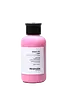
This hydrating toner is formulated around Panthenol to hydrate skin and strengthen the skin barrier.
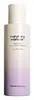
This barrier-repair essence is formulated around Oryza Sativa Extract and Galactomyces Ferment Filtrate to strengthen the skin barrier and hydrate skin.


What's inside
What's inside
 Key Ingredients
Benefits
Concerns
Ingredients Side-by-side
Water
Skin ConditioningButylene Glycol
Humectant

Betaine
Humectant
Triheptanoin
Skin ConditioningPanthenol
Skin Conditioning

Trehalose
Humectant
Sodium PCA
Humectant
Serine
Masking
Sodium Lactate
Buffering
Proline
Skin Conditioning
Alanine
Masking
PCA
Humectant
Glycine
Buffering
Sodium Hyaluronate
Humectant
Cyanocobalamin
Skin ConditioningGlutamic Acid
Humectant
Lysine Hcl
Skin Conditioning
Ethylhexylglycerin
Skin ConditioningCaprylyl/Capryl Glucoside
CleansingPhenoxyethanol
Preservative
Threonine
Pentylene Glycol
Skin Conditioning
Sodium Hydroxide
BufferingSodium Polyacrylate Starch
AbsorbentAcrylates/C10-30 Alkyl Acrylate Crosspolymer
Emulsion StabilisingArginine
Masking
Allantoin
Skin Conditioning
Octyldodecyl Myristate
EmollientTrisodium Ethylenediamine Disuccinate
ChelatingBis-PEG-18 Methyl Ether Dimethyl Silane
EmollientLecithin
Emollient
Oleyl Alcohol
Emollient







Sorbitan Oleate
Emulsifying
Water, Butylene Glycol, Betaine, Triheptanoin, Panthenol, Trehalose, Sodium PCA, Serine, Sodium Lactate, Proline, Alanine, PCA, Glycine, Sodium Hyaluronate, Cyanocobalamin, Glutamic Acid, Lysine Hcl, Ethylhexylglycerin, Caprylyl/Capryl Glucoside, Phenoxyethanol, Threonine, Pentylene Glycol, Sodium Hydroxide, Sodium Polyacrylate Starch, Acrylates/C10-30 Alkyl Acrylate Crosspolymer, Arginine, Allantoin, Octyldodecyl Myristate, Trisodium Ethylenediamine Disuccinate, Bis-PEG-18 Methyl Ether Dimethyl Silane, Lecithin, Oleyl Alcohol, Sorbitan Oleate
Water
Skin ConditioningButylene Glycol
Humectant
Helianthus Annuus Seed Oil
Emollient
Caprylic/Capric Triglyceride
Masking
Hydrogenated Polyisobutene
EmollientLimnanthes Alba Seed Oil
Skin Conditioning
Butylene Glycol Dicaprylate/Dicaprate
Emollient1,2-Hexanediol
Skin Conditioning
Potassium Cetyl Phosphate
EmulsifyingCetearyl Alcohol
Emollient
Hydroxyacetophenone
Antioxidant
Glycerin
Humectant
Glyceryl Stearate
Emollient
Oryza Sativa Extract
Absorbent
Phyllostachys Pubescens Shoot Bark Extract
Skin ConditioningHydrogenated Lecithin
Emulsifying
Polyglyceryl-10 Laurate
Skin Conditioning
Polyglyceryl-3 Methylglucose Distearate
Emulsifying
Xanthan Gum
EmulsifyingGalactomyces Ferment Filtrate
Humectant
Panthenol
Skin Conditioning
Bifida Ferment Filtrate
Skin Conditioning
Aspergillus Ferment
Skin ConditioningEthylhexylglycerin
Skin ConditioningAcrylates/C10-30 Alkyl Acrylate Crosspolymer
Emulsion StabilisingCeramide NP
Skin Conditioning
Disodium EDTA
ChelatingPentylene Glycol
Skin Conditioning
Tromethamine
BufferingButyrospermum Parkii Butter
Skin Conditioning
Phytosterols
Skin Conditioning
Oryza Sativa Lees Extract
Skin ConditioningPanax Ginseng Root Extract
Emollient
Stearic Acid
Cleansing
Palmitic Acid
Emollient
Caprylyl Glycol
Emollient
Squalane
Emollient
Hydrolyzed Wheat Protein
Skin ConditioningCyclodextrin
AbsorbentArachidic Acid
Cleansing
Myristic Acid
Cleansing
Oleic Acid
Emollient
Ceramide Ns
Skin Conditioning
Phytosphingosine
Skin Conditioning
Cholesterol
Emollient
Ceramide As
Skin Conditioning
Ceramide AP
Skin Conditioning
Ceramide EOP
Skin Conditioning
Water, Butylene Glycol, Helianthus Annuus Seed Oil, Caprylic/Capric Triglyceride, Hydrogenated Polyisobutene, Limnanthes Alba Seed Oil, Butylene Glycol Dicaprylate/Dicaprate, 1,2-Hexanediol, Potassium Cetyl Phosphate, Cetearyl Alcohol, Hydroxyacetophenone, Glycerin, Glyceryl Stearate, Oryza Sativa Extract, Phyllostachys Pubescens Shoot Bark Extract, Hydrogenated Lecithin, Polyglyceryl-10 Laurate, Polyglyceryl-3 Methylglucose Distearate, Xanthan Gum, Galactomyces Ferment Filtrate, Panthenol, Bifida Ferment Filtrate, Aspergillus Ferment, Ethylhexylglycerin, Acrylates/C10-30 Alkyl Acrylate Crosspolymer, Ceramide NP, Disodium EDTA, Pentylene Glycol, Tromethamine, Butyrospermum Parkii Butter, Phytosterols, Oryza Sativa Lees Extract, Panax Ginseng Root Extract, Stearic Acid, Palmitic Acid, Caprylyl Glycol, Squalane, Hydrolyzed Wheat Protein, Cyclodextrin, Arachidic Acid, Myristic Acid, Oleic Acid, Ceramide Ns, Phytosphingosine, Cholesterol, Ceramide As, Ceramide AP, Ceramide EOP
Reviews
Ingredients Explained
These ingredients are found in both products.
Ingredients higher up in an ingredient list are typically present in a larger amount.
Acrylates/C10-30 Alkyl Acrylate Crosspolymer is a synthetic polymer. It is used to thicken, emulsify, and improve the texture of products.
As an emulsifier, it helps stabilize oil-in-water emulsions to give products an elegant feel when applied.
It can also form a thin protective film on skin. One study found that a formula using this polymer helped slow down how quickly other ingredients (like DEET) were absorbed through skin.
A 2024 study of over 1,300 patients confirmed that sensitization to this ingredient is rare. It is also non-mutagenic and has a clean track record.
Learn more about Acrylates/C10-30 Alkyl Acrylate CrosspolymerButylene Glycol (or BG) is used within cosmetic products for a few different reasons:
Overall, Butylene Glycol is a safe and well-rounded ingredient that works well with other ingredients.
Though this ingredient works well with most skin types, some people with sensitive skin may experience a reaction such as allergic rashes, closed comedones, or itchiness.
Learn more about Butylene GlycolEthylhexylglycerin is created from glycerin. It is a multitasker ingredient that:
The CIR Expert Panel found minimal skin absorption or sensitization of any kind in a safety assessment. Though this ingredient is considered well-tolerated, a small number of cases of allergic dermatitis have been published since 2002. Just be sure to patch test if you are unsure.
Industry-reported use ranges from 8% in rinse-off products and 2% in leave-on formulations.
Learn more about EthylhexylglycerinPanthenol is a common ingredient that helps hydrate and soothe the skin. It is found naturally in our skin and hair.
There are two forms of panthenol: D and L.
D-panthenol is also known as dexpanthenol. Most cosmetics use dexpanthenol or a mixture of D and L-panthenol.
Panthenol is famous due to its ability to go deeper into the skin's layers. Using this ingredient has numerous pros (and no cons):
Like hyaluronic acid, panthenol is a humectant. Humectants are able to bind and hold large amounts of water to keep skin hydrated.
This ingredient works well for wound healing. It works by increasing tissue in the wound and helps close open wounds.
Once oxidized, panthenol converts to pantothenic acid. Panthothenic acid is found in all living cells.
This ingredient is also referred to as pro-vitamin B5.
Learn more about PanthenolPentylene Glycol (1,2-pentanediol) is a multitasking little diol with three main roles in a formula:
Research on alkanediols (the family pentylene glycol belongs to) show they work by disrupting microbial cell membranes. This disruption helps the primary preservative system in a product work more effectively at lower doses.
On the safety side, the Cosmetic Ingredient Review Expert Panel has concluded this ingredient to be safe as used in current cosmetic practices + concentrations.
Typical use levels in a formula run about 1-5%.
Learn more about Pentylene GlycolWater. It's the most common cosmetic ingredient of all. You'll usually see it at the top of ingredient lists, meaning that it makes up the largest part of the product.
So why is it so popular? Water most often acts as a solvent - this means that it helps dissolve other ingredients into the formulation.
You'll also recognize water as that liquid we all need to stay alive. If you see this, drink a glass of water. Remember to stay hydrated!
Learn more about Water

