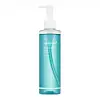
MediCube Zero Pore Blackhead Deep Cleansing Oil Versus Luxe Organix First Cleanse Deep Cleansing Oil
This oil-based makeup remover is made to dissolve makeup, sunscreen, and daily buildup.
This oil-based makeup remover is made to dissolve makeup, sunscreen, and daily buildup.


What's inside
What's inside
 Key Ingredients
No key ingredients
Benefits
Concerns
Ingredients Side-by-side
Glycine Soja Oil
Emollient








Sorbeth-30 Tetraoleate
Emulsifying
Parfum
Masking


Vitis Vinifera Seed Oil
Emollient
Olea Europaea Fruit Oil
Masking
Melia Azadirachta Leaf Extract
Skin ConditioningMelia Azadirachta Flower Extract
Skin ConditioningSimmondsia Chinensis Seed Oil
Emollient

Ricinus Communis Seed Oil
Masking
Macadamia Integrifolia Seed Oil
Skin Conditioning
Corylus Avellana Seed Oil
Emollient
Argania Spinosa Kernel Oil
Emollient
Oryza Sativa Bran Oil
Emollient
Camellia Japonica Seed Oil
Emollient
Helianthus Annuus Seed Oil
Emollient
Coccinia Indica Fruit Extract
Skin Conditioning
Aloe Barbadensis Flower Extract
EmollientSolanum Melongena Fruit Extract
Skin ConditioningOcimum Sanctum Leaf Extract
Skin ConditioningCorallina Officinalis Extract
Skin Conditioning
Curcuma Longa Root Extract
Antioxidant
Water
Skin ConditioningButylene Glycol
Humectant
Capryloyl Salicylic Acid
Exfoliating


Allantoin
Skin Conditioning
Niacinamide
Smoothing



Guaiazulene
Antimicrobial
Asiaticoside
Antioxidant
Asiatic Acid
Skin Conditioning
Madecassic Acid
Skin Conditioning
Tocopherol
Antioxidant
1,2-Hexanediol
Skin Conditioning
Pentylene Glycol
Skin Conditioning
Salix Alba Bark Extract
Astringent
Chamaecyparis Obtusa Leaf Extract
Skin ConditioningOriganum Vulgare Leaf Extract
Skin ConditioningSodium Hyaluronate
Humectant
Pinus Densiflora Leaf Extract
Antimicrobial
Madecassoside
Antioxidant
Scutellaria Baicalensis Root Extract
Astringent
Cinnamomum Cassia Bark Extract
Masking
Portulaca Oleracea Extract
Skin Conditioning
Lactobacillus/Soybean Ferment Extract
Skin ConditioningDecyl Glucoside
Cleansing
Pueraria Lobata Root Extract
HumectantPinus Palustris Leaf Extract
TonicUlmus Davidiana Root Extract
Skin Conditioning
Oenothera Biennis Flower Extract
AstringentCaprylyl Glycol
Emollient
Ethylhexylglycerin
Skin ConditioningGlycine Soja Oil, Sorbeth-30 Tetraoleate, Parfum, Vitis Vinifera Seed Oil, Olea Europaea Fruit Oil, Melia Azadirachta Leaf Extract, Melia Azadirachta Flower Extract, Simmondsia Chinensis Seed Oil, Ricinus Communis Seed Oil, Macadamia Integrifolia Seed Oil, Corylus Avellana Seed Oil, Argania Spinosa Kernel Oil, Oryza Sativa Bran Oil, Camellia Japonica Seed Oil, Helianthus Annuus Seed Oil, Coccinia Indica Fruit Extract, Aloe Barbadensis Flower Extract, Solanum Melongena Fruit Extract, Ocimum Sanctum Leaf Extract, Corallina Officinalis Extract, Curcuma Longa Root Extract, Water, Butylene Glycol, Capryloyl Salicylic Acid, Allantoin, Niacinamide, Guaiazulene, Asiaticoside, Asiatic Acid, Madecassic Acid, Tocopherol, 1,2-Hexanediol, Pentylene Glycol, Salix Alba Bark Extract, Chamaecyparis Obtusa Leaf Extract, Origanum Vulgare Leaf Extract, Sodium Hyaluronate, Pinus Densiflora Leaf Extract, Madecassoside, Scutellaria Baicalensis Root Extract, Cinnamomum Cassia Bark Extract, Portulaca Oleracea Extract, Lactobacillus/Soybean Ferment Extract, Decyl Glucoside, Pueraria Lobata Root Extract, Pinus Palustris Leaf Extract, Ulmus Davidiana Root Extract, Oenothera Biennis Flower Extract, Caprylyl Glycol, Ethylhexylglycerin
Caprylic/Capric Triglyceride
Masking
Octyldodecanol
Emollient
PEG-20 Glyceryl Triisostearate
Emollient
Oryza Sativa Bran Oil
Emollient
Vitis Vinifera Seed Oil
Emollient
Decyl Glucoside
Cleansing
Water
Skin ConditioningPhenoxyethanol
Preservative
Parfum
Masking
Octyldodecyl Myristate
EmollientHumulus Lupulus Extract
AntimicrobialZea Mays Oil
Emulsifying
Daucus Carota Sativa Root Extract
Skin Conditioning
Lithospermum Officinale Root Extract
Skin ConditioningCaprylic/Capric Triglyceride, Octyldodecanol, PEG-20 Glyceryl Triisostearate, Oryza Sativa Bran Oil, Vitis Vinifera Seed Oil, Decyl Glucoside, Water, Phenoxyethanol, Parfum, Octyldodecyl Myristate, Humulus Lupulus Extract, Zea Mays Oil, Daucus Carota Sativa Root Extract, Lithospermum Officinale Root Extract
Reviews
Ingredients Explained
These ingredients are found in both products.
Ingredients higher up in an ingredient list are typically present in a larger amount.
Decyl Glucoside is a plant-derived surfactant and emulsion stabilizer. It is created by reacting glucose with the fatty acids from plants.
Like all surfactants, it works by lowering the surface tension between water and oil. This makes it so that dirt, sebum, and makeup can be lifted off your skin and rinsed away. It also produces a dense and creamy foam.
Because it has a neutral charge, it is compatible with a wide range of ingredients and stays stable across a broad pH range/water hardiness conditions.
Patch testing has shown it to have the lowest irritation potential among common cleansing surfactants (like SLS).
Typical use levels range from 5-20% in rinse-off cleansers.
One thing worth knowing: The American Contact Dermatitis Society named the parent family, alkyl glucosides, "Allergen of the Year" in 2017. The prevalence of allergy is pretty low but be sure to patch test if you've reacted to "gentle" or sulfate-free cleansers before.
This ingredient is fungal acne safe because the fatty alcohol portion of this ingredient is not within the C11-24 chain length that Malassezia can metabolize.
Learn more about Decyl GlucosideThis oil comes from the outer layer (bran) of rice grains. It is packed with skin-friendly fatty acids to soften and condition the skin while supporting your moisture barrier.
What makes it stand out from other plant oils is its naturally high concentration of gamma-oryzanol, a potent antioxidant. This antioxidant has shown some UV-absorptive properties in research.
Other antioxidants found in this oil include tocopherols, tocotrienols, and ferulic acid.
According to manufacturers, this oil has a lightweight texture that absorbs nicely.
The CIR (Cosmetic Ingredient Review) has concluded this ingredient to be safe as used in cosmetics and it has not shown to be a skin sensitizer in testing (unless you have a known rice allergy).
Due to the fatty acids (primarily Oleic Acid ~40%, Linoleic Acid ~30%, and some Palmitic Acid), this ingredient may not be fungal acne safe.
Learn more about Oryza Sativa Bran OilParfum is a catch-all term for an ingredient or more that is used to give a scent to products.
Also called "fragrance", this ingredient can be a blend of hundreds of chemicals or plant oils. This means every product with "fragrance" or "parfum" in the ingredients list is a different mixture.
For instance, Habanolide is a proprietary trade name for a specific aroma chemical. When used as a fragrance ingredient in cosmetics, most aroma chemicals fall under the broad labeling category of “FRAGRANCE” or “PARFUM” according to EU and US regulations.
The term 'parfum' or 'fragrance' is not regulated in many countries. In many cases, it is up to the brand to define this term.
For instance, many brands choose to label themselves as "fragrance-free" because they are not using synthetic fragrances. However, their products may still contain ingredients such as essential oils that are considered a fragrance by INCI standards.
One example is Calendula flower extract. Calendula is an essential oil that still imparts a scent or 'fragrance'.
Depending on the blend, the ingredients in the mixture can cause allergies and sensitivities on the skin. Some ingredients that are known EU allergens include linalool and citronellol.
Parfum can also be used to mask or cover an unpleasant scent.
The bottom line is: not all fragrances/parfum/ingredients are created equally. If you are worried about fragrances, we recommend taking a closer look at an ingredient. And of course, we always recommend speaking with a professional.
Learn more about ParfumVitis Vinifera Seed Oil comes from the grape vine. Grape seeds are a byproduct of creating grape juice or wine.
The components of grape seeds have many skin benefits. Research has found it to be antimicrobial and anti-inflammatory. It also contains many potent antioxidants such as Vitamin E , Vitamin C, proanthocyanidins, polyphenols, flavonoids, and anthocyanins. Proanthocyanidin has been shown to help even out skin tone.
Antioxidants help fight free-radical molecules. Free-radical molecules are capable of damaging our cells and other genetic material. Antioxidants help stabilize free-radicals by donating extra electrons. Grape seed extract may help reduce the signs of aging.
The antimicrobial properties of grape seed may help treat acne. However, more research is needed to support this claim.
Grape seed has also been found to help absorb UV rays. Grape seed extract should not replace your sunscreen.
The fatty acids of grape seed oil give it emollient properties. Emollients help soothe and soften your skin by creating a film. This film traps moisture within, keeping your skin hydrated.
Learn more about Vitis Vinifera Seed OilWater. It's the most common cosmetic ingredient of all. You'll usually see it at the top of ingredient lists, meaning that it makes up the largest part of the product.
So why is it so popular? Water most often acts as a solvent - this means that it helps dissolve other ingredients into the formulation.
You'll also recognize water as that liquid we all need to stay alive. If you see this, drink a glass of water. Remember to stay hydrated!
Learn more about Water

