MEDI-PEEL Retinol Collagen Lifting Ampoule Versus Sulwhasoo Concentrated Ginseng Renewing Rescue Ampoule
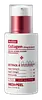
This anti-aging ampoule is formulated around Niacinamide and Retinol to soften the look of wrinkles and refine skin texture.
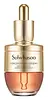
This anti-aging ampoule is formulated around Adenosine and Panax Ginseng Root Extract to soften the look of wrinkles and calm redness.

What's inside
What's inside
 Key Ingredients
Benefits
Concerns
Ingredients Side-by-side
Water
Skin ConditioningButylene Glycol
Humectant

Glycerin
Humectant
Cetyl Ethylhexanoate
EmollientNiacinamide
Smoothing









Cetearyl Alcohol
Emollient






Limnanthes Alba Seed Oil
Skin Conditioning
Propanediol
Solvent
Anastatica Hierochuntica Extract
AstringentCamellia Japonica Flower Extract
EmollientSolanum Lycopersicum Fruit Extract
Antioxidant
1,2-Hexanediol
Skin Conditioning
Caprylic/Capric Triglyceride
Masking
Argania Spinosa Kernel Oil
Emollient
Macadamia Ternifolia Seed Oil
Emollient
Helianthus Annuus Seed Oil
Emollient
Dipropylene Glycol
HumectantHydrogenated Polydecene
EmollientSodium Hyaluronate
Humectant
Glucose
Humectant
Dipotassium Glycyrrhizate
Humectant
Retinyl Palmitate
Skin Conditioning
Sh-Polypeptide-121
Skin Conditioning
Retinol
Skin Conditioning
Retinal
Skin Conditioning
Retinyl Retinoate
Skin Conditioning
Hydroxypinacolone Retinoate
Skin Conditioning
Soluble Collagen
Humectant
Silybin
Skin ConditioningCetearyl Glucoside
Emulsifying
Caprylyl Glycol
Emollient
Sodium Polyacrylate
Absorbent
Arginine
Masking
Lecithin
Emollient
Xanthan Gum
EmulsifyingTocopherol
Antioxidant
Coptis Japonica Root Extract
Skin ConditioningTocopheryl Acetate
Antioxidant
Diisopropyl Adipate
EmollientC14-22 Alcohols
Emulsion Stabilising
Cetyl Palmitate
Emollient
Sorbitan Olivate
Emulsifying
Sorbitan Palmitate
Emulsifying
C12-20 Alkyl Glucoside
EmulsifyingIsopropyl Lauroyl Sarcosinate
Skin ConditioningPentylene Glycol
Skin Conditioning
Madecassoside
Antioxidant
Decyl Glucoside
Cleansing
Benzotriazolyl Dodecyl P-Cresol
UV AbsorberDiethylhexyl Ipdi
Diethylhexyl Syringylidenemalonate
Skin Protecting
Simethicone
Emollient
Cetearyl Ethylhexanoate
Emollient
Acrylates/C10-30 Alkyl Acrylate Crosspolymer
Emulsion StabilisingHydroxyacetophenone
Antioxidant
Carbomer
Emulsion StabilisingArachis Hypogaea Oil
Skin Conditioning
Ethylhexylglycerin
Skin ConditioningPotassium Sorbate
Preservative
PPG-13-Decyltetradeceth-24
EmulsifyingPolysorbate 20
Emulsifying
BHT
Antioxidant
BHA
Antioxidant
Disodium EDTA
ChelatingParfum
Masking

Water, Butylene Glycol, Glycerin, Cetyl Ethylhexanoate, Niacinamide, Cetearyl Alcohol, Limnanthes Alba Seed Oil, Propanediol, Anastatica Hierochuntica Extract, Camellia Japonica Flower Extract, Solanum Lycopersicum Fruit Extract, 1,2-Hexanediol, Caprylic/Capric Triglyceride, Argania Spinosa Kernel Oil, Macadamia Ternifolia Seed Oil, Helianthus Annuus Seed Oil, Dipropylene Glycol, Hydrogenated Polydecene, Sodium Hyaluronate, Glucose, Dipotassium Glycyrrhizate, Retinyl Palmitate, Sh-Polypeptide-121, Retinol, Retinal, Retinyl Retinoate, Hydroxypinacolone Retinoate, Soluble Collagen, Silybin, Cetearyl Glucoside, Caprylyl Glycol, Sodium Polyacrylate, Arginine, Lecithin, Xanthan Gum, Tocopherol, Coptis Japonica Root Extract, Tocopheryl Acetate, Diisopropyl Adipate, C14-22 Alcohols, Cetyl Palmitate, Sorbitan Olivate, Sorbitan Palmitate, C12-20 Alkyl Glucoside, Isopropyl Lauroyl Sarcosinate, Pentylene Glycol, Madecassoside, Decyl Glucoside, Benzotriazolyl Dodecyl P-Cresol, Diethylhexyl Ipdi, Diethylhexyl Syringylidenemalonate, Simethicone, Cetearyl Ethylhexanoate, Acrylates/C10-30 Alkyl Acrylate Crosspolymer, Hydroxyacetophenone, Carbomer, Arachis Hypogaea Oil, Ethylhexylglycerin, Potassium Sorbate, PPG-13-Decyltetradeceth-24, Polysorbate 20, BHT, BHA, Disodium EDTA, Parfum
Water
Skin ConditioningButylene Glycol
Humectant
Glycerin
Humectant
PEG/PPG-17/6 Copolymer
SolventDipropylene Glycol
HumectantPolysorbate 80
Emulsifying
1,2-Hexanediol
Skin Conditioning
PEG-150 Distearate
Emulsifying
Diethoxyethyl Succinate
SolventBis-PEG-18 Methyl Ether Dimethyl Silane
EmollientPolysorbate 20
Emulsifying
Olive Oil PEG-8 Esters
Emollient
Parfum
Masking
Dipotassium Glycyrrhizate
Humectant
Pentylene Glycol
Skin Conditioning
Ethylhexylglycerin
Skin ConditioningAdenosine
Skin Conditioning
Disodium EDTA
ChelatingMethoxy PEG-114/Polyepsilon Caprolactone
BufferingXanthan Gum
EmulsifyingSodium Chloride
MaskingPanax Ginseng Root Extract
Emollient
Achillea Millefolium Extract
CleansingHoney
Humectant
Rehmannia Glutinosa Root Extract
Skin ConditioningHydrolyzed Ginseng Saponins
Skin ConditioningPaeonia Lactiflora Root Extract
Skin ConditioningLilium Candidum Bulb Extract
Skin ConditioningPolygonatum Odoratum Rhizome Extract
Skin ConditioningPhenoxyethanol
Preservative
Nelumbo Nucifera Flower Extract
Skin ConditioningBHT
Antioxidant
Glycyrrhiza Glabra Root Extract
Bleaching
Tocopherol
Antioxidant
Caprylyl Glycol
Emollient
Acetyl Heptapeptide-4
Humectant
Acetyl Hexapeptide-8
Humectant
Sodium Hydroxide
BufferingAcetyl Octapeptide-3
Humectant
Water, Butylene Glycol, Glycerin, PEG/PPG-17/6 Copolymer, Dipropylene Glycol, Polysorbate 80, 1,2-Hexanediol, PEG-150 Distearate, Diethoxyethyl Succinate, Bis-PEG-18 Methyl Ether Dimethyl Silane, Polysorbate 20, Olive Oil PEG-8 Esters, Parfum, Dipotassium Glycyrrhizate, Pentylene Glycol, Ethylhexylglycerin, Adenosine, Disodium EDTA, Methoxy PEG-114/Polyepsilon Caprolactone, Xanthan Gum, Sodium Chloride, Panax Ginseng Root Extract, Achillea Millefolium Extract, Honey, Rehmannia Glutinosa Root Extract, Hydrolyzed Ginseng Saponins, Paeonia Lactiflora Root Extract, Lilium Candidum Bulb Extract, Polygonatum Odoratum Rhizome Extract, Phenoxyethanol, Nelumbo Nucifera Flower Extract, BHT, Glycyrrhiza Glabra Root Extract, Tocopherol, Caprylyl Glycol, Acetyl Heptapeptide-4, Acetyl Hexapeptide-8, Sodium Hydroxide, Acetyl Octapeptide-3
Reviews
Ingredients Explained
These ingredients are found in both products.
Ingredients higher up in an ingredient list are typically present in a larger amount.
1,2-Hexanediol is a synthetic liquid and another multi-functional powerhouse.
It is a:
- Humectant, drawing moisture into the skin
- Emollient, helping to soften skin
- Solvent, dispersing and stabilizing formulas
- Preservative booster, enhancing the antimicrobial activity of other preservatives
BHT is a synthetic antioxidant and preservative.
As an antioxidant, it helps your body fight off free-radicals. Free-radicals are molecules that may damage your skin cells.
As a preservative, it is used to stabilize products and prevent them from degrading. Specifically, BHT prevents degradation from oxidation.
The concerns related to BHT come from oral studies; this ingredient is currently allowed for use by both the FDA and EU.
However, it was recently restricted for use in the UK as of April 2024.
Learn more about BHTButylene Glycol (or BG) is used within cosmetic products for a few different reasons:
Overall, Butylene Glycol is a safe and well-rounded ingredient that works well with other ingredients.
Though this ingredient works well with most skin types, some people with sensitive skin may experience a reaction such as allergic rashes, closed comedones, or itchiness.
Learn more about Butylene GlycolCaprylyl Glycol is a humectant, skin conditioner, emollient, and preservative booster derived from either caprylic acid or synthetically created.
Typical use levels vary from 0.3-1% as a preservative booster and go up to 2% to condition skin.
Because it is not a free-fatty acid, this ingredient is fungal acne safe (there's nothing for Malassezia to feed on).
Learn more about Caprylyl GlycolDipotassium Glycyrrhizate comes from licorice root.
Extracts of licorice have demonstrated to have antibacterial, anti‐inflammatory, antiviral, antioxidant properties.
One component, glabridin, has extra potent antioxidant and soothing properties. It has also been found to block pigmentation from UVB rays in guinea pigs.
Licorice Root also contains a flavonoid. Flavonoids are a natural substance from in plants. Flavonoids also have antioxidant properties.
Another component, glycyrrhizin, has been found to have anti-inflammatory and antimicrobial benefits. This may make licorice root extract effective at treating acne. However, more research is needed to support this.
Liquiritin is one of the flavone compounds found in licorice. It has been found to help lighten skin by preventing tyrosinase from reacting with tyrosine. When the two react, protein is converted to melanin. Melanin is the substance in your body that gives your features pigmentation.
Licorice root is native to Southern Europe and Asia. It has been used in traditional Chinese medicine to help with respiratory issues.
Learn more about Dipotassium GlycyrrhizateDipropylene Glycol is a synthetically created humectant, stabilizer, and solvent.
This ingredient helps:
Dipropylene glycol is technically an alcohol, but it belongs to the glycol family (often considered part of the ‘good’ alcohols). This means it is hydrating and gentle on skin unlike drying solvent alcohols like denatured alcohol.
As a masking agent, Dipropylene Glycol can be used to cover the smell of other ingredients. However, it does not have a scent.
Studies show Dipropylene Glycol is considered safe to use in skincare.
Learn more about Dipropylene GlycolDisodium EDTA is a chelating agent. It grabs onto and deactivates metal ions that sneak into your products from water, packaging, or air.
This ingredient mainly works behind the scenes and helps with:
On top of that, this ingredient can counteract the effects of hard water by binding to the minerals in it.
One thing worth knowing is that Disodium EDTA has been shown to be a mild penetration enhancer. It can help other ingredients absorb into skin more effectively which can be a double-edged sword (great for actives, but can also make the active too strong if you have sensitive skin).
Clinical patch testing showed no significant skin irritation at typical use concentrations and minimal dermal absorption.
You'll most likely see this ingredient near the end of an ingredient list. It's typically found in concentrations less than 1%.
Learn more about Disodium EDTAEthylhexylglycerin is created from glycerin. It is a multitasker ingredient that:
The CIR Expert Panel found minimal skin absorption or sensitization of any kind in a safety assessment. Though this ingredient is considered well-tolerated, a small number of cases of allergic dermatitis have been published since 2002. Just be sure to patch test if you are unsure.
Industry-reported use ranges from 8% in rinse-off products and 2% in leave-on formulations.
Learn more about EthylhexylglycerinGlycerin (or glycerol) is a compound naturally found in your skin. It's a powerhouse humectant that pulls water into the stratum corneum.
Topically, glycerin does several things at once:
Your skin makes glycerin on its own (mostly from sebaceous oil breakdown) and shuttles it to your outermost layer of skin, or your epidermis, via aquaporin-3.
Aquaporin-3 is a transporter that is essential for normal skin hydration, elasticity, and repair. Interestingly, mice lacking in AQP3 have dry and less elastic skin that can be fully corrected with glycerin.
This ingredient is non-irritating, plays well with almost every ingredient, and works across all skin types. Typical use is anywhere between 3-10% but can go up to 79% in some leave-on products.
Just know very high concentrations (>40%) can feel tacky in low humidity.
Glycerin is the name for this ingredient in American English. British English uses Glycerol/Glycerine.
Learn more about GlycerinParfum is a catch-all term for an ingredient or more that is used to give a scent to products.
Also called "fragrance", this ingredient can be a blend of hundreds of chemicals or plant oils. This means every product with "fragrance" or "parfum" in the ingredients list is a different mixture.
For instance, Habanolide is a proprietary trade name for a specific aroma chemical. When used as a fragrance ingredient in cosmetics, most aroma chemicals fall under the broad labeling category of “FRAGRANCE” or “PARFUM” according to EU and US regulations.
The term 'parfum' or 'fragrance' is not regulated in many countries. In many cases, it is up to the brand to define this term.
For instance, many brands choose to label themselves as "fragrance-free" because they are not using synthetic fragrances. However, their products may still contain ingredients such as essential oils that are considered a fragrance by INCI standards.
One example is Calendula flower extract. Calendula is an essential oil that still imparts a scent or 'fragrance'.
Depending on the blend, the ingredients in the mixture can cause allergies and sensitivities on the skin. Some ingredients that are known EU allergens include linalool and citronellol.
Parfum can also be used to mask or cover an unpleasant scent.
The bottom line is: not all fragrances/parfum/ingredients are created equally. If you are worried about fragrances, we recommend taking a closer look at an ingredient. And of course, we always recommend speaking with a professional.
Learn more about ParfumPentylene Glycol (1,2-pentanediol) is a multitasking little diol with three main roles in a formula:
Research on alkanediols (the family pentylene glycol belongs to) show they work by disrupting microbial cell membranes. This disruption helps the primary preservative system in a product work more effectively at lower doses.
On the safety side, the Cosmetic Ingredient Review Expert Panel has concluded this ingredient to be safe as used in current cosmetic practices + concentrations.
Typical use levels in a formula run about 1-5%.
Learn more about Pentylene GlycolPolysorbate 20 is a gentle, water-soluble emulsifier and mild surfactant. It stops oil and water from separating to keep your formulas blended and stable.
It also acts as a mild penetration enhancer by helping active ingredients absorb slightly better.
The common safety discussion around this ingredient involves a manufacturing byproduct called 1,4-dioxane.
Trace amounts can form during production but the EU's Scientific Committee on Consumer Safety has concluded that levels at/below 10 ppm in finished products are safe (commercial products consistently fall within acceptable margins).
True allergic reactions are uncommon and the CIR Expert Panel has confirmed this ingredient to be safe as used in cosmetics.
Because it is derived from lauric acid, it may not be fungal acne safe.
Learn more about Polysorbate 20Tocopherol is a fat-soluble antioxidant known as Vitamin E.
You'll find this ingredient in the vast majority of skincare (for good reason). It works to neutralize free radicals, or unstable molecules generated by UV exposure, pollution, and other environmental stressors, before they can cause oxidative damage to your skin cells.
Topically applied tocopherol has been shown to protect against UV damage by ramping up the skin's own natural defense enzymes.
It also acts as a skin conditioning agent; some studies show that regular topical use can improve the skin's water-binding capacity over 2-4 weeks.
This ingredient is especially loved for being a team player. When combined with Vitamin C, the photoprotective effect of both ingredients roughly doubles and the combo also helps reduce UV-induced DNA damage.
This ingredient has some brightening potential but it's more of a prevention ingredient than spot-fader. Cell studies show it can slow down melanin production but it's worth noting that it's not the most powerful brightener out there.
In formulations, it also serves as a stabilizer that helps protect other oxidation-prone ingredients from degrading.
Concentrations usually range from 0.1-1% in most leave-on products.
Learn more about TocopherolWater. It's the most common cosmetic ingredient of all. You'll usually see it at the top of ingredient lists, meaning that it makes up the largest part of the product.
So why is it so popular? Water most often acts as a solvent - this means that it helps dissolve other ingredients into the formulation.
You'll also recognize water as that liquid we all need to stay alive. If you see this, drink a glass of water. Remember to stay hydrated!
Learn more about WaterXanthan gum is used as a stabilizer and thickener within cosmetic products. It helps give products a sticky, thick feeling - preventing them from being too runny.
On the technical side of things, xanthan gum is a polysaccharide - a combination consisting of multiple sugar molecules bonded together.
Xanthan gum is a pretty common and great ingredient. It is a natural, non-toxic, non-irritating ingredient that is also commonly used in food products.
Learn more about Xanthan Gum

