COSRX Hydrium Centella Aqua Soothing Ampoule Versus Sulwhasoo Concentrated Ginseng Renewing Rescue Ampoule
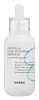
This calming ampoule is formulated around Centella Asiatica Extract and Madecassoside to calm redness and hydrate skin.
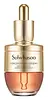
This anti-aging ampoule is formulated around Adenosine and Panax Ginseng Root Extract to soften the look of wrinkles and calm redness.

What's inside
What's inside
 Key Ingredients
Benefits
Concerns
Ingredients Side-by-side
Water
Skin ConditioningCentella Asiatica Extract
Cleansing





Dipropylene Glycol
HumectantGlycerin
Humectant
1,2-Hexanediol
Skin Conditioning
Betaine
Humectant
Chondrus Crispus Extract
Skin Conditioning

Saccharum Officinarum Extract
MoisturisingPentylene Glycol
Skin Conditioning
Octanediol
Ammonium Acryloyldimethyltaurate/Vp Copolymer
Xanthan Gum
EmulsifyingEthylhexylglycerin
Skin ConditioningAllantoin
Skin Conditioning
Madecassoside
Antioxidant
Panthenol
Skin Conditioning
Water
Skin ConditioningButylene Glycol
Humectant
Glycerin
Humectant
PEG/PPG-17/6 Copolymer
SolventDipropylene Glycol
HumectantPolysorbate 80
Emulsifying

1,2-Hexanediol
Skin Conditioning
PEG-150 Distearate
Emulsifying
Diethoxyethyl Succinate
SolventBis-PEG-18 Methyl Ether Dimethyl Silane
EmollientPolysorbate 20
Emulsifying
Olive Oil PEG-8 Esters
Emollient
Parfum
Masking


Dipotassium Glycyrrhizate
Humectant
Pentylene Glycol
Skin Conditioning
Ethylhexylglycerin
Skin ConditioningAdenosine
Skin Conditioning
Disodium EDTA
ChelatingMethoxy PEG-114/Polyepsilon Caprolactone
BufferingXanthan Gum
EmulsifyingSodium Chloride
MaskingPanax Ginseng Root Extract
Emollient
Achillea Millefolium Extract
CleansingHoney
Humectant
Rehmannia Glutinosa Root Extract
Skin ConditioningHydrolyzed Ginseng Saponins
Skin ConditioningPaeonia Lactiflora Root Extract
Skin ConditioningLilium Candidum Bulb Extract
Skin ConditioningPolygonatum Odoratum Rhizome Extract
Skin ConditioningPhenoxyethanol
Preservative
Nelumbo Nucifera Flower Extract
Skin ConditioningBHT
Antioxidant
Glycyrrhiza Glabra Root Extract
Bleaching

Tocopherol
Antioxidant
Caprylyl Glycol
Emollient
Acetyl Heptapeptide-4
Humectant
Acetyl Hexapeptide-8
Humectant
Sodium Hydroxide
BufferingAcetyl Octapeptide-3
Humectant
Water, Butylene Glycol, Glycerin, PEG/PPG-17/6 Copolymer, Dipropylene Glycol, Polysorbate 80, 1,2-Hexanediol, PEG-150 Distearate, Diethoxyethyl Succinate, Bis-PEG-18 Methyl Ether Dimethyl Silane, Polysorbate 20, Olive Oil PEG-8 Esters, Parfum, Dipotassium Glycyrrhizate, Pentylene Glycol, Ethylhexylglycerin, Adenosine, Disodium EDTA, Methoxy PEG-114/Polyepsilon Caprolactone, Xanthan Gum, Sodium Chloride, Panax Ginseng Root Extract, Achillea Millefolium Extract, Honey, Rehmannia Glutinosa Root Extract, Hydrolyzed Ginseng Saponins, Paeonia Lactiflora Root Extract, Lilium Candidum Bulb Extract, Polygonatum Odoratum Rhizome Extract, Phenoxyethanol, Nelumbo Nucifera Flower Extract, BHT, Glycyrrhiza Glabra Root Extract, Tocopherol, Caprylyl Glycol, Acetyl Heptapeptide-4, Acetyl Hexapeptide-8, Sodium Hydroxide, Acetyl Octapeptide-3
Reviews
Ingredients Explained
These ingredients are found in both products.
Ingredients higher up in an ingredient list are typically present in a larger amount.
1,2-Hexanediol is a synthetic liquid and another multi-functional powerhouse.
It is a:
- Humectant, drawing moisture into the skin
- Emollient, helping to soften skin
- Solvent, dispersing and stabilizing formulas
- Preservative booster, enhancing the antimicrobial activity of other preservatives
Dipropylene Glycol is a synthetically created humectant, stabilizer, and solvent.
This ingredient helps:
Dipropylene glycol is technically an alcohol, but it belongs to the glycol family (often considered part of the ‘good’ alcohols). This means it is hydrating and gentle on skin unlike drying solvent alcohols like denatured alcohol.
As a masking agent, Dipropylene Glycol can be used to cover the smell of other ingredients. However, it does not have a scent.
Studies show Dipropylene Glycol is considered safe to use in skincare.
Learn more about Dipropylene GlycolEthylhexylglycerin is created from glycerin. It is a multitasker ingredient that:
The CIR Expert Panel found minimal skin absorption or sensitization of any kind in a safety assessment. Though this ingredient is considered well-tolerated, a small number of cases of allergic dermatitis have been published since 2002. Just be sure to patch test if you are unsure.
Industry-reported use ranges from 8% in rinse-off products and 2% in leave-on formulations.
Learn more about EthylhexylglycerinGlycerin (or glycerol) is a compound naturally found in your skin. It's a powerhouse humectant that pulls water into the stratum corneum.
Topically, glycerin does several things at once:
Your skin makes glycerin on its own (mostly from sebaceous oil breakdown) and shuttles it to your outermost layer of skin, or your epidermis, via aquaporin-3.
Aquaporin-3 is a transporter that is essential for normal skin hydration, elasticity, and repair. Interestingly, mice lacking in AQP3 have dry and less elastic skin that can be fully corrected with glycerin.
This ingredient is non-irritating, plays well with almost every ingredient, and works across all skin types. Typical use is anywhere between 3-10% but can go up to 79% in some leave-on products.
Just know very high concentrations (>40%) can feel tacky in low humidity.
Glycerin is the name for this ingredient in American English. British English uses Glycerol/Glycerine.
Learn more about GlycerinPentylene Glycol (1,2-pentanediol) is a multitasking little diol with three main roles in a formula:
Research on alkanediols (the family pentylene glycol belongs to) show they work by disrupting microbial cell membranes. This disruption helps the primary preservative system in a product work more effectively at lower doses.
On the safety side, the Cosmetic Ingredient Review Expert Panel has concluded this ingredient to be safe as used in current cosmetic practices + concentrations.
Typical use levels in a formula run about 1-5%.
Learn more about Pentylene GlycolWater. It's the most common cosmetic ingredient of all. You'll usually see it at the top of ingredient lists, meaning that it makes up the largest part of the product.
So why is it so popular? Water most often acts as a solvent - this means that it helps dissolve other ingredients into the formulation.
You'll also recognize water as that liquid we all need to stay alive. If you see this, drink a glass of water. Remember to stay hydrated!
Learn more about WaterXanthan gum is used as a stabilizer and thickener within cosmetic products. It helps give products a sticky, thick feeling - preventing them from being too runny.
On the technical side of things, xanthan gum is a polysaccharide - a combination consisting of multiple sugar molecules bonded together.
Xanthan gum is a pretty common and great ingredient. It is a natural, non-toxic, non-irritating ingredient that is also commonly used in food products.
Learn more about Xanthan Gum

