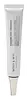
This brightening eye moisturizer is formulated around Niacinamide and Tranexamic Acid to fade the look of dark spots and brighten dull-looking skin.
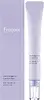
This anti-aging eye moisturizer is formulated around Collagen Extract and Bakuchiol to soften the look of wrinkles and hydrate skin.

What's inside
What's inside
 Key Ingredients
Benefits
Concerns
Ingredients Side-by-side
Water
Skin ConditioningEthylhexyl Palmitate
Emollient




Glycereth-26
Humectant
Glycerin
Humectant

Cetearyl Alcohol
Emollient

Niacinamide
Smoothing









Hydrogenated Poly(C6-14 Olefin)
EmollientBeeswax
Emulsion Stabilising
Caprylic/Capric Triglyceride
Masking
Polyglyceryl-2 Stearate
Emulsifying
Dipropylene Glycol
HumectantIsododecane
EmollientGlyceryl Stearate
Emollient
Hydroxyethyl Acrylate/Sodium Acryloyldimethyl Taurate Copolymer
Emulsion StabilisingStearyl Alcohol
Emollient
Glycol Stearate Se
Emulsifying
Sodium Polyacrylate
Absorbent
Hydroxyacetophenone
Antioxidant
Stearic Acid
Cleansing
Dimethiconol
Emollient
Dimethicone/Vinyl Dimethicone Crosspolymer
Skin Conditioning
Hydrogenated Polydecene
EmollientHydrogenated Lecithin
Emulsifying
Tranexamic Acid
Astringent
Betaine
Humectant
Glutathione
Panthenol
Skin Conditioning
Parfum
Masking


Hippophae Rhamnoides Fruit Oil
Skin Protecting
Butylene Glycol
Humectant
Adenosine
Skin Conditioning
Sorbitan Isostearate
Emulsifying
Caprylyl Glycol
Emollient
Trideceth-6
Emulsifying1,2-Hexanediol
Skin Conditioning
Disodium EDTA
ChelatingSodium Hyaluronate
Humectant
Ascorbic Acid
Antioxidant
Water, Ethylhexyl Palmitate, Glycereth-26, Glycerin, Cetearyl Alcohol, Niacinamide, Hydrogenated Poly(C6-14 Olefin), Beeswax, Caprylic/Capric Triglyceride, Polyglyceryl-2 Stearate, Dipropylene Glycol, Isododecane, Glyceryl Stearate, Hydroxyethyl Acrylate/Sodium Acryloyldimethyl Taurate Copolymer, Stearyl Alcohol, Glycol Stearate Se, Sodium Polyacrylate, Hydroxyacetophenone, Stearic Acid, Dimethiconol, Dimethicone/Vinyl Dimethicone Crosspolymer, Hydrogenated Polydecene, Hydrogenated Lecithin, Tranexamic Acid, Betaine, Glutathione, Panthenol, Parfum, Hippophae Rhamnoides Fruit Oil, Butylene Glycol, Adenosine, Sorbitan Isostearate, Caprylyl Glycol, Trideceth-6, 1,2-Hexanediol, Disodium EDTA, Sodium Hyaluronate, Ascorbic Acid
Water
Skin ConditioningGlycerin
Humectant
Hydrogenated Polydecene
EmollientCyclopentasiloxane
Emollient
Polypropylsilsesquioxane
Caprylic/Capric Triglyceride
Masking
Butylene Glycol
Humectant
Diglycerin
Humectant
Polyglyceryl-3 Methylglucose Distearate
Emulsifying
Cetearyl Alcohol
Emollient
Ethylhexyl Palmitate
Emollient
Cetyl Alcohol
Emollient
Butyrospermum Parkii Butter
Skin Conditioning
Glyceryl Stearate
Emollient
1,2-Hexanediol
Skin Conditioning
Sodium Hyaluronate
Humectant
Caprylyl Glycol
Emollient
Collagen Extract
Skin Conditioning
Collagen
Moisturising
Soluble Collagen
Humectant
Hydrolyzed Collagen
Emollient
Collagen Amino Acids
Moisturising
Sodium Soy Hydrolyzed Collagen
Surfactant
Zinc Hydrolyzed Collagen
Skin Conditioning
Microcrystalline Wax
Emulsion StabilisingPropanediol
Solvent
Illicium Verum Fruit Extract
Perfuming
Macadamia Ternifolia Seed Oil
Emollient
Hydroxyethyl Acrylate/Sodium Acryloyldimethyl Taurate Copolymer
Emulsion StabilisingBixa Orellana Seed Oil
Emollient
Helianthus Annuus Seed Oil
Emollient
Glycine Soja Oil
Emollient
Tocopherol
Antioxidant
Atelocollagen
Skin Conditioning
Lavandula Angustifolia Flower Water
Skin Conditioning
Salvia Sclarea Extract
AntiseborrhoeicHyacinthus Orientalis Extract
Skin ConditioningChamomilla Recutita Flower/Leaf Extract
AntimicrobialBorago Officinalis Extract
Emollient
Centaurea Cyanus Flower Extract
Astringent
Ethylhexylglycerin
Skin ConditioningBrassica Oleracea Italica Extract
AstringentMedicago Sativa Extract
TonicBrassica Oleracea Capitata Leaf Extract
Skin ConditioningTriticum Vulgare Germ Extract
Skin ConditioningBrassica Campestris Extract
Skin ConditioningRaphanus Sativus Seed Extract
Skin ConditioningAllantoin
Skin Conditioning
Tocopheryl Acetate
Antioxidant
Bakuchiol
Antimicrobial
Acetyl Hexapeptide-8
Humectant
Copper Tripeptide-1
Skin Conditioning
Palmitoyl Pentapeptide-4
Skin Conditioning
Acetyl Tetrapeptide-5
Humectant
Palmitoyl Tripeptide-1
Skin Conditioning
Nonapeptide-1
Skin Conditioning
Dipeptide-2
Skin Conditioning
Tripeptide-1
Skin Conditioning
Hexapeptide-9
Skin Conditioning
Adenosine
Skin Conditioning
Disodium EDTA
ChelatingDipotassium Glycyrrhizate
Humectant
Ceramide NP
Skin Conditioning
Argania Spinosa Kernel Oil
Emollient
Rosa Canina Fruit Oil
Emollient
Camellia Japonica Seed Oil
Emollient
Salvia Officinalis Oil
Masking
Retinal
Skin Conditioning
Lecithin
Emollient
Ascorbic Acid
Antioxidant
Water, Glycerin, Hydrogenated Polydecene, Cyclopentasiloxane, Polypropylsilsesquioxane, Caprylic/Capric Triglyceride, Butylene Glycol, Diglycerin, Polyglyceryl-3 Methylglucose Distearate, Cetearyl Alcohol, Ethylhexyl Palmitate, Cetyl Alcohol, Butyrospermum Parkii Butter, Glyceryl Stearate, 1,2-Hexanediol, Sodium Hyaluronate, Caprylyl Glycol, Collagen Extract, Collagen, Soluble Collagen, Hydrolyzed Collagen, Collagen Amino Acids, Sodium Soy Hydrolyzed Collagen, Zinc Hydrolyzed Collagen, Microcrystalline Wax, Propanediol, Illicium Verum Fruit Extract, Macadamia Ternifolia Seed Oil, Hydroxyethyl Acrylate/Sodium Acryloyldimethyl Taurate Copolymer, Bixa Orellana Seed Oil, Helianthus Annuus Seed Oil, Glycine Soja Oil, Tocopherol, Atelocollagen, Lavandula Angustifolia Flower Water, Salvia Sclarea Extract, Hyacinthus Orientalis Extract, Chamomilla Recutita Flower/Leaf Extract, Borago Officinalis Extract, Centaurea Cyanus Flower Extract, Ethylhexylglycerin, Brassica Oleracea Italica Extract, Medicago Sativa Extract, Brassica Oleracea Capitata Leaf Extract, Triticum Vulgare Germ Extract, Brassica Campestris Extract, Raphanus Sativus Seed Extract, Allantoin, Tocopheryl Acetate, Bakuchiol, Acetyl Hexapeptide-8, Copper Tripeptide-1, Palmitoyl Pentapeptide-4, Acetyl Tetrapeptide-5, Palmitoyl Tripeptide-1, Nonapeptide-1, Dipeptide-2, Tripeptide-1, Hexapeptide-9, Adenosine, Disodium EDTA, Dipotassium Glycyrrhizate, Ceramide NP, Argania Spinosa Kernel Oil, Rosa Canina Fruit Oil, Camellia Japonica Seed Oil, Salvia Officinalis Oil, Retinal, Lecithin, Ascorbic Acid
Reviews
Ingredients Explained
These ingredients are found in both products.
Ingredients higher up in an ingredient list are typically present in a larger amount.
1,2-Hexanediol is a synthetic liquid and another multi-functional powerhouse.
It is a:
- Humectant, drawing moisture into the skin
- Emollient, helping to soften skin
- Solvent, dispersing and stabilizing formulas
- Preservative booster, enhancing the antimicrobial activity of other preservatives
Adenosine is a purine nucleoside that your body already makes in every cell. In skincare, it acts mainly as a skin conditioning and anti-aging agent.
The way it works is fairly well mapped out:
Your skin has cells called fibroblasts that build collagen (the stuff that keeps skin firm and smooth). Adenosine basically flips a switch on these cells that tells them to get to work making more collagen and other proteins. These cells slow down on their own as skin ages, so Adenosine helps give them a little nudge to keep going.
The clinical backing is pretty solid too.
A blind, randomized, placebo-controlled trial of 126 women aged 45-65 tested a 0.1% cream twice daily and found real improvements in crow's feet and frown lines using a precise 3D skin-mapping technique; these changes showed up by week 3 and held at 2 months.
A later study using Adenosine-loaded dissolving microneedle patches reported gains in wrinkle depth, dermal density, elasticity, and hydration.
On concentrations, South Korea's Ministry of Food and Drug Safety has set 0.04% as the approved functional anti-wrinkle level. You'll typically see this ingredient used somewhere in the 0.04-0.1% range since it works at low doses.
This ingredient has been found safe for cosmetics with the data showing no irritation or sensitization.
Overall, this is a great ingredient for any anti-aging routine and has no photosensitizing effect, so it suits both AM and PM use.
Learn more about AdenosineAscorbic Acid is is pure Vitamin C and is the biologically active form used directly by skin.
Not only is vitamin C great for your overall health and immune system, but it also has plenty of benefits for your skin. It is best supported by academic literature for:
Topical vitamin C has been shown to help neutralize oxidative stress from UV and pollution, helping to improve photoaging and hyperpigmentation when used consistently.
One clinical study found that using 5% topical vitamin C for six months improved signs of photodamaged skin, both on the surface and in the deeper structural layers of the skin.
While vitamin C doesn’t replace sunscreen, studies show it can boost photoprotection when combined with Vitamin E and ferulic acid. These two ingredients help improve stability and protective effects.
The big downside of this ingredient is formulation difficulty. Vitamin C is prone to oxidation and doesn't penetrate the skin unless formulated correctly. Research found that vitamin C absorbs into the skin best at a low pH (< 3.5) with about 20% being the upper limit for effective absorption.
Skin levels can saturate after repeated application; this means your skin won’t keep absorbing more once it’s full of vitamin C. This is why more isn’t always better with vitamin C and why very high concentrations don’t necessarily give extra benefits.
Ascorbic acid generally works well with many skincare ingredients but can be irritating when combined with other active ingredients. Strong oxidizing acne treatments like benzoyl peroxide can reduce the effectiveness of vitamin C if they are used at the same time; they are often recommended for use at different times of day.
Read more about other types of Vitamin C:
Foods rich with vitamin C include oranges, strawberries, broccoli, bell peppers, and more. When consuming Vitamin C, your skin receives a portion of the nutrients.
Learn more about Ascorbic AcidButylene Glycol (or BG) is used within cosmetic products for a few different reasons:
Overall, Butylene Glycol is a safe and well-rounded ingredient that works well with other ingredients.
Though this ingredient works well with most skin types, some people with sensitive skin may experience a reaction such as allergic rashes, closed comedones, or itchiness.
Learn more about Butylene GlycolCaprylic/Capric Triglyceride (aka MCT Oil) is a lightweight emollient, solvent, and texture enhancer. It is considered a skin-softener by helping to prevent moisture loss.
Though it behaves like an oil, it is not technically one due to its chemical composition. One perk of this ingredient is that it is very stable, resistant to oxidation, and unlikely to go rancid.
In practice, that translates to a long shelf life and a consistently elegant skin feel.
While there is an assumption Caprylic Triglyceride can clog pores due to it being derived from coconut oil, there is no research supporting this. Just patch test if you have concerns.
Fractionated coconut oil and MCT Oil are both listed as Caprylic/Capric Triglyceride according to INCI. This is because INCI names are based on the ingredient’s final chemical composition and not its marketing name or source.
This ingredient is treated as the gold standard fungal acne safe oil. Even though it is coconut derived, the problematic lauric acid is stripped out.
This leaves just caprylic (C8) and capric (C10) acid. These chain lengths actually trend antifungal; a 2020 study found caprylic acid was enough to disrupt Malassezia furfur cell membrane, with a caprylic acid derivative damaging membrane structures at concentrations as low as 0.2%.
Learn more about Caprylic/Capric TriglycerideCaprylyl Glycol is a humectant, skin conditioner, emollient, and preservative booster derived from either caprylic acid or synthetically created.
Typical use levels vary from 0.3-1% as a preservative booster and go up to 2% to condition skin.
Because it is not a free-fatty acid, this ingredient is fungal acne safe (there's nothing for Malassezia to feed on).
Learn more about Caprylyl GlycolCetearyl alcohol is a waxy mixture of two fatty alcohols: cetyl alcohol and stearyl alcohol. It is an emollient and emulsifier.
Despite having "alcohol" in its name, it has nothing to do with drying solvent alcohols; the FDA also allows "alcohol-free" products to contain fatty alcohols like this ingredient.
It plays several roles in a formula:
Typical use levels for this ingredient sit around 1-10% and the Cosmetic Ingredient Review Expert Panel has affirmed safety at concentrations up to 25% in leave-on products.
Multiple assessments have found it to be non-irritating and non-sensitizing to most people.
However, there have been some cases of allergic contact dermatitis in patients with chronically compromised skin barriers.
Cetearyl alcohol has a comedogenic rating of 2 and irritancy rating of 1. Both of these numbers come from the 1989 study that used rabbit ears; a "2" means mildly comedogenic and a "1" means low irritancy.
Here's the catch: rabbit skin is more sensitive than human skin and throws a lot of false positives. A 1996 reappraisal found that ingredients rated 1-2 in the rabbit ear tests are generally safe for humans.
Remember comedogenic ratings are unable to assess the entire formula of a product or how it will react on your skin. Just be sure to patch test if you are unsure about certain ingredients.
This ingredient is not fungal acne safe. Cetearyl alcohol is a fatty alcohol with chain lengths that fall within the range that Malassezia can metabolize.
A 2019 study has also observed Malassezia growth in the presence of this ingredient, confirming it to be not-fungal acne safe.
Learn more about Cetearyl AlcoholDisodium EDTA is a chelating agent. It grabs onto and deactivates metal ions that sneak into your products from water, packaging, or air.
This ingredient mainly works behind the scenes and helps with:
On top of that, this ingredient can counteract the effects of hard water by binding to the minerals in it.
One thing worth knowing is that Disodium EDTA has been shown to be a mild penetration enhancer. It can help other ingredients absorb into skin more effectively which can be a double-edged sword (great for actives, but can also make the active too strong if you have sensitive skin).
Clinical patch testing showed no significant skin irritation at typical use concentrations and minimal dermal absorption.
You'll most likely see this ingredient near the end of an ingredient list. It's typically found in concentrations less than 1%.
Learn more about Disodium EDTAEthylhexyl Palmitate, also known as octyl palmitate, is created from 2-ethylhexyl alcohol and palmitic acid.
In cosmetics, it plays many roles:
One thing worth noting: a controlled study found this ingredient applied under occlusion to acne-prone subjects increased microcomedones. Just keep in mind this was under occlusive conditions and don't reflect how most products are used day-to-day.
For most people, this is a well-tolerated and lightweight ingredient.
This ingredient may not be fungal acne safe because it is an ester of palmitic acid, a C16 fatty acid that falls within the C11-24 range that Malassezia can metabolize.
You'll see this one rated 4 comedogenic all over the internet. That number isn't from a single study, and the actual research is more interesting.
The original rating comes from 1980s rabbit ear tests (which are a shaky basis for anything). But Ethylhexyl Palmitate is one of the few ingredients with real human data behind it. A 2021 controlled trial found this ingredient increased microcomedones by an average of 365% over four weeks.
Just know that test used the pure ingredient under an occlusive pad on back skin; most products use it at much lower levels alongside other ingredients and plenty of people use those with no issue.
Learn more about Ethylhexyl PalmitateGlycerin (or glycerol) is a compound naturally found in your skin. It's a powerhouse humectant that pulls water into the stratum corneum.
Topically, glycerin does several things at once:
Your skin makes glycerin on its own (mostly from sebaceous oil breakdown) and shuttles it to your outermost layer of skin, or your epidermis, via aquaporin-3.
Aquaporin-3 is a transporter that is essential for normal skin hydration, elasticity, and repair. Interestingly, mice lacking in AQP3 have dry and less elastic skin that can be fully corrected with glycerin.
This ingredient is non-irritating, plays well with almost every ingredient, and works across all skin types. Typical use is anywhere between 3-10% but can go up to 79% in some leave-on products.
Just know very high concentrations (>40%) can feel tacky in low humidity.
Glycerin is the name for this ingredient in American English. British English uses Glycerol/Glycerine.
Learn more about GlycerinGlyceryl Stearate is made by reacting glycerin with stearic acid (typically sourced from plant oils like palm or coconut). It's an emulsifier, emollient, and mild occlusive.
Emulsifiers help ingredients like oil and water stay mixed so your formula stays nicely blended and uniform in texture.
This ingredient is typically used in concentrations between 1-10%. Studies have found it to be non-sensitizing, non-phototoxic, and non-photoallergenic.
A close cousin of this ingredient is Glyceryl Stearate SE ("self-emulsifying"). This just has a small amount of sodium or potassium stearate added so it can emulsify without a co-emulsifier.
Since this ingredient is an ester of a C18 fatty acid, it may not be fungal acne safe. The Malassezia yeast can potentially metabolize within the C11-C24 range.
Fun fact: The human body also creates Glyceryl Stearate naturally.
Learn more about Glyceryl StearateHydrogenated Polydecene is a synthetic emollient. It forms a non-occlusive film on the skin's surface to provide a silky feel without being greasy.
In vivo studies in volunteers with atopic and dry skin showed no irritation or intolerance. The volunteers also saw a positive effect in dryness, scaling, and roughness after 28 days of use.
Concentrations up to 100% in guinea pig tests found it to be non-sensitizing and completely safe for use in cosmetics.
Learn more about Hydrogenated PolydeceneThis is a synthetic polymer. It helps improve the texture of products by adding thickness and gel-like feel.
It is also an emulsifer, meaning it prevents ingredients such as oil and water from separating. It also helps evenly disperse other ingredients.
Sodium Hyaluronate is the salt form of hyaluronic acid. It is a long sugar chain that is naturally found in your skin, joints, and connective tissue that maintains hydration and elasticity.
In skincare, it works as a humectant. It pulls water from the environment and deeper layers of skin and binds it to the surface.
Interestingly, the size of the molecule affects its behavior:
Some clinical evidence links low molecular weight versions to improved wrinkle depth, elasticity, anti-inflammatory effects, and barrier repair.
Many serums use a blend of both weights so you can get surface hydration plus longer-lasting and deeper effects.
You'll typically see concentrations between 0.1-2% for this ingredient.
Learn more about Sodium HyaluronateWater. It's the most common cosmetic ingredient of all. You'll usually see it at the top of ingredient lists, meaning that it makes up the largest part of the product.
So why is it so popular? Water most often acts as a solvent - this means that it helps dissolve other ingredients into the formulation.
You'll also recognize water as that liquid we all need to stay alive. If you see this, drink a glass of water. Remember to stay hydrated!
Learn more about Water

