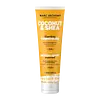
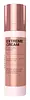
Marc Anthony Coconut & Shea Nourishing Conditioner Versus iNNBEAUTY PROJECT Extreme Cream Firming & Lifting Moisturizer
This anti-aging moisturizer is formulated around Squalane and Nicotiana Benthamiana Hexapeptide-40 Sh-Polypeptide-76 to soften the look of wrinkles and strengthen the skin barrier.

What's inside
What's inside
 Key Ingredients
Benefits
Concerns
Ingredients Side-by-side
Water
Skin ConditioningCetyl Alcohol
Emollient



Stearyl Alcohol
Emollient
Dimethicone
Emollient

Cocos Nucifera Oil
Masking





Cetyl Esters
Emollient
Butyrospermum Parkii Butter
Skin Conditioning
Biotin
AntiseborrhoeicTocopheryl Acetate
Antioxidant


Panthenol
Skin Conditioning

Hydrolyzed Keratin
Humectant
Bambusa Vulgaris Shoot Extract
Antioxidant
Vitis Vinifera Seed Oil
Emollient
Arginine
Masking
Aspartic Acid
Masking
Threonine
Proline
Skin Conditioning
Serine
Masking
Phenylalanine
Masking
Isoleucine
Skin ConditioningValine
MaskingPCA
Humectant
Histidine
Humectant
Alanine
Masking
Glycine
Buffering
Citric Acid
Buffering
Propylene Glycol
Humectant
Cetrimonium Chloride
Antimicrobial
Behentrimonium Chloride
Preservative
Sodium PCA
Humectant
Trideceth-12
EmulsifyingButylene Glycol
Humectant
Disodium EDTA
ChelatingAmodimethicone
Dehydroacetic Acid
Preservative
Sodium Lactate
Buffering
Isopropyl Alcohol
Solvent


Cyclopentasiloxane
Emollient
Cyclohexasiloxane
Emollient
Phenoxyethanol
Preservative
Benzoic Acid
Masking
Sodium Hydroxide
BufferingCaramel
Cosmetic ColorantParfum
Masking
Water, Cetyl Alcohol, Stearyl Alcohol, Dimethicone, Cocos Nucifera Oil, Cetyl Esters, Butyrospermum Parkii Butter, Biotin, Tocopheryl Acetate, Panthenol, Hydrolyzed Keratin, Bambusa Vulgaris Shoot Extract, Vitis Vinifera Seed Oil, Arginine, Aspartic Acid, Threonine, Proline, Serine, Phenylalanine, Isoleucine, Valine, PCA, Histidine, Alanine, Glycine, Citric Acid, Propylene Glycol, Cetrimonium Chloride, Behentrimonium Chloride, Sodium PCA, Trideceth-12, Butylene Glycol, Disodium EDTA, Amodimethicone, Dehydroacetic Acid, Sodium Lactate, Isopropyl Alcohol, Cyclopentasiloxane, Cyclohexasiloxane, Phenoxyethanol, Benzoic Acid, Sodium Hydroxide, Caramel, Parfum
Water
Skin ConditioningC13-15 Alkane
SolventSqualane
Emollient
Propanediol
Solvent
Polyglyceryl-5 Polyricinoleate
Emulsifying
Bisabolol
Antioxidant
Coco-Caprylate/Caprate
Emollient
Glycerin
Humectant
Magnesium Sulfate
Panthenol
Skin Conditioning
Glyceryl Behenate
Emollient
1,2-Hexanediol
Skin Conditioning
Butylene Glycol
Humectant
Heptapeptide-7
Skin Conditioning
Acetyl Sh-Hexapeptide-5 Amide Acetate
Skin Conditioning
Nicotiana Benthamiana Hexapeptide-40 Sh-Polypeptide-76
Skin Conditioning
Ceramide AP
Skin Conditioning
Ceramide EOP
Skin Conditioning
Ceramide NP
Skin Conditioning
Tremella Fuciformis Extract
Humectant
Allantoin
Skin Conditioning
Oryza Sativa Bran Oil
Emollient
Arginine
Masking
Glycosphingolipids
EmollientPhytosphingosine
Skin Conditioning
Cholesterol
Emollient
Tetraacetylphytosphingosine
Skin ConditioningPolyglyceryl-6 Octastearate
EmulsifyingStearic Acid
Cleansing
Cetearyl Alcohol
Emollient
Glyceryl Glucoside
Humectant
Glyceryl Stearate
Emollient
Hydrogenated Polydecene
EmollientHydrogenated Lecithin
Emulsifying
Lecithin
Emollient
Xanthan Gum
EmulsifyingTocopherol
Antioxidant
Carnosine
Skin Conditioning
Potassium Sorbate
Preservative
Sodium Benzoate
Masking
Phenoxyethanol
Preservative
Citric Acid
Buffering
Quaternium-90 Bentonite
Mica
Cosmetic ColorantTriethyl Citrate
Masking
Zinc Stearate
Cosmetic ColorantEthylhexylglycerin
Skin ConditioningGluconolactone
Chelating




Calcium Gluconate
HumectantHydroxyacetophenone
Antioxidant
Water, C13-15 Alkane, Squalane, Propanediol, Polyglyceryl-5 Polyricinoleate, Bisabolol, Coco-Caprylate/Caprate, Glycerin, Magnesium Sulfate, Panthenol, Glyceryl Behenate, 1,2-Hexanediol, Butylene Glycol, Heptapeptide-7, Acetyl Sh-Hexapeptide-5 Amide Acetate, Nicotiana Benthamiana Hexapeptide-40 Sh-Polypeptide-76, Ceramide AP, Ceramide EOP, Ceramide NP, Tremella Fuciformis Extract, Allantoin, Oryza Sativa Bran Oil, Arginine, Glycosphingolipids, Phytosphingosine, Cholesterol, Tetraacetylphytosphingosine, Polyglyceryl-6 Octastearate, Stearic Acid, Cetearyl Alcohol, Glyceryl Glucoside, Glyceryl Stearate, Hydrogenated Polydecene, Hydrogenated Lecithin, Lecithin, Xanthan Gum, Tocopherol, Carnosine, Potassium Sorbate, Sodium Benzoate, Phenoxyethanol, Citric Acid, Quaternium-90 Bentonite, Mica, Triethyl Citrate, Zinc Stearate, Ethylhexylglycerin, Gluconolactone, Calcium Gluconate, Hydroxyacetophenone
Reviews
Ingredients Explained
These ingredients are found in both products.
Ingredients higher up in an ingredient list are typically present in a larger amount.
Arginine is a semi-essential amino acid. This just means our bodies can product a bit on its own, but sometimes needs a little boost from food sources.
It is a part of your skin's natural moisturizing factor (NMF), or the water-loving molecules in your outermost layer of skin (stratum corneum) that keeps everything hydrated and happy.
Here's an interesting thing about Arginine: your skin converts it into urea through the Krebs-Henseleit urea cycle. Urea is one of the most effective humectants your skin naturally produces.
A clinical study showed applying 2.5% arginine hydrochloride to atopic dermatitis skin showed significant urea levels in the stratum corneum and improved moisture in just four weeks.
Arginine is also a precursor to nitric oxide; nitric oxide improves microcirculation and supports wound healing and collagen synthesis.
One study found that an amino acid complex containing Arginine reduced skin irritation, improved hydration, and accelerated skin repair in clinical / in-vivo studies.
Arginine itself is an amino acid and not a fatty acid, oil, or ester. On its own, it's not a direct food source for Malassezia, or the yeast that causes fungal acne.
Learn more about ArginineButylene Glycol (or BG) is used within cosmetic products for a few different reasons:
Overall, Butylene Glycol is a safe and well-rounded ingredient that works well with other ingredients.
Though this ingredient works well with most skin types, some people with sensitive skin may experience a reaction such as allergic rashes, closed comedones, or itchiness.
Learn more about Butylene GlycolCitric Acid is an alpha hydroxy acid (AHA) naturally found in citrus fruits like oranges, lemons, and limes.
Like other AHAs, citric acid can exfoliate skin by breaking down the bonds that hold dead skin cells together. This helps reveal smoother and brighter skin underneath.
However, this exfoliating effect only happens at high concentrations (20%) which can be hard to find in cosmetic products.
Due to this, citric acid is usually included in small amounts as a pH adjuster. This helps keep products slightly more acidic and compatible with skin's natural pH.
In skincare formulas, citric acid can:
While it can provide some skin benefits, research shows lactic acid and glycolic acid are generally more effective and less irritating exfoliants.
Most citric acid used in skincare today is made by fermenting sugars (usually from molasses). This synthetic version is identical to the natural citrus form but easier to stabilize and use in formulations.
Rosacea skin has a lower threshold for acids generally, with 62.5% of rosacea subjects in one study reacting to lactic acid in a sting test. This is why we mark citric acid as a potential rosacea trigger.
However, this ingredient shows up as a pH adjuster or chelator at roughly 0.1-1% in many products. These low levels are unlikely to be an issue for rosacea skin and becomes a potential trigger at exfoliating concentrations (20%). Because everybody's skin is unique, we recommend a patch test if you are unsure.
Learn more about Citric AcidPanthenol is a common ingredient that helps hydrate and soothe the skin. It is found naturally in our skin and hair.
There are two forms of panthenol: D and L.
D-panthenol is also known as dexpanthenol. Most cosmetics use dexpanthenol or a mixture of D and L-panthenol.
Panthenol is famous due to its ability to go deeper into the skin's layers. Using this ingredient has numerous pros (and no cons):
Like hyaluronic acid, panthenol is a humectant. Humectants are able to bind and hold large amounts of water to keep skin hydrated.
This ingredient works well for wound healing. It works by increasing tissue in the wound and helps close open wounds.
Once oxidized, panthenol converts to pantothenic acid. Panthothenic acid is found in all living cells.
This ingredient is also referred to as pro-vitamin B5.
Learn more about PanthenolPhenoxyethanol is one of the most widely used preservatives in skincare (and for good reason!).
It has a large spectrum of antimicrobial activity and especially effective bacteria, yeast, and mold while only having a weak effect on your skin's natural microbiome.
On a cellular level, it disrupts the cell membranes of microbes by poking holes that make the cell leak. This shuts down the chemical reactions the microbe needs to make energy so it can no longer survive.
Another perk of this ingredient is that it stays functional across a wide pH range (3-10).
You'll often see it paired with boosters like Ethylhexylglycerin; one study showed that a 1:9 ratio of Ethylhexylglycerin to Phenoxyethanol damages bacterial membranes as effectively as doubling the Phenoxyethanol concentration on its own.
Typical use concentrations range from 0.3-1% depending on the formula, and this ingredient is capped at 1% int the EU.
Safety-wise, the fear mongering does not hold up to the evidence. The EU's Scientific Committee on Consumer Safety and FDA consider it safe as a preservative at up to 1%, including for children of all ages.
Adverse systemic effects only showed up in animal studies at exposures roughly 200x higher than what people get from cosmetics. And despite its very widespread use, this ingredient is a rare sensitizer and allergic reactions are uncommon.
Learn more about PhenoxyethanolWater. It's the most common cosmetic ingredient of all. You'll usually see it at the top of ingredient lists, meaning that it makes up the largest part of the product.
So why is it so popular? Water most often acts as a solvent - this means that it helps dissolve other ingredients into the formulation.
You'll also recognize water as that liquid we all need to stay alive. If you see this, drink a glass of water. Remember to stay hydrated!
Learn more about Water

