Mac Cosmetics Studio Radiance 24Hr Luminous Lift Concealer Versus Fenty Beauty Pro Filt'r Instant Retouch Concealer

What's inside
What's inside
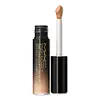 Key Ingredients
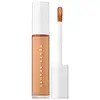
Benefits
Concerns
Ingredients Side-by-side
Water
Skin ConditioningPhenyl Trimethicone
Skin Conditioning
Trimethylsiloxysilicate
Emollient
Methyl Trimethicone
Skin Conditioning
Glycerin
Humectant



C9-12 Alkane
SolventNiacinamide
Smoothing







Butylene Glycol
Humectant
Neopentyl Glycol Diheptanoate
EmollientAscorbyl Glucoside
Antioxidant


Lauryl PEG-9 Polydimethylsiloxyethyl Dimethicone
Skin Conditioning
Silica
Abrasive


Olea Europaea Fruit Oil
Masking


Simmondsia Chinensis Seed Oil
Emollient
Hydrogenated Polyisobutene
EmollientPolysilicone-11
Hydroxyethyl Urea
Humectant
Algae Extract
Emollient
Tocopheryl Acetate
Antioxidant
Sodium PCA
Humectant
Helianthus Annuus Seed Extract
Skin Conditioning
Caffeine
Skin Conditioning
Sodium Hyaluronate
Humectant
Hordeum Vulgare Extract
EmollientTrametes Versicolor Extract
Cucumis Sativus Fruit Extract
Emollient
PEG-10 Dimethicone
Skin Conditioning
Propylene Glycol Dicaprate
EmollientSorbitol
Humectant
Caprylyl Glycol
Emollient
Trehalose
Humectant
Triethyl Citrate
Masking
Dipotassium Glycyrrhizate
Humectant
Salicylic Acid
Masking


Sodium Chloride
Masking
Vinyl Dimethicone/Methicone Silsesquioxane Crosspolymer
Triethoxycaprylylsilane
Disteardimonium Hectorite
StabilisingAmmonium Acryloyldimethyltaurate/Vp Copolymer
Dimethicone/PEG-10/15 Crosspolymer
Alumina
Abrasive
Lecithin
Emollient
Zinc Stearate
Cosmetic ColorantPropylene Glycol Caprylate
Skin ConditioningSodium Hydroxide
BufferingSodium Citrate
BufferingLaureth-7
EmulsifyingSynthetic Fluorphlogopite
Magnesium Aluminum Silicate
AbsorbentHexylene Glycol
EmulsifyingDisodium EDTA
Citric Acid
Buffering
Dipropylene Glycol
HumectantTin Oxide
Abrasive
Resveratrol
Antioxidant
Phenoxyethanol
Preservative
Potassium Sorbate
Preservative
CI 77891
Cosmetic ColorantCI 77492
Cosmetic ColorantCI 77491
Cosmetic ColorantCI 77499
Cosmetic ColorantWater, Phenyl Trimethicone, Trimethylsiloxysilicate, Methyl Trimethicone, Glycerin, C9-12 Alkane, Niacinamide, Butylene Glycol, Neopentyl Glycol Diheptanoate, Ascorbyl Glucoside, Lauryl PEG-9 Polydimethylsiloxyethyl Dimethicone, Silica, Olea Europaea Fruit Oil, Simmondsia Chinensis Seed Oil, Hydrogenated Polyisobutene, Polysilicone-11, Hydroxyethyl Urea, Algae Extract, Tocopheryl Acetate, Sodium PCA, Helianthus Annuus Seed Extract, Caffeine, Sodium Hyaluronate, Hordeum Vulgare Extract, Trametes Versicolor Extract, Cucumis Sativus Fruit Extract, PEG-10 Dimethicone, Propylene Glycol Dicaprate, Sorbitol, Caprylyl Glycol, Trehalose, Triethyl Citrate, Dipotassium Glycyrrhizate, Salicylic Acid, Sodium Chloride, Vinyl Dimethicone/Methicone Silsesquioxane Crosspolymer, Triethoxycaprylylsilane, Disteardimonium Hectorite, Ammonium Acryloyldimethyltaurate/Vp Copolymer, Dimethicone/PEG-10/15 Crosspolymer, Alumina, Lecithin, Zinc Stearate, Propylene Glycol Caprylate, Sodium Hydroxide, Sodium Citrate, Laureth-7, Synthetic Fluorphlogopite, Magnesium Aluminum Silicate, Hexylene Glycol, Disodium EDTA, Citric Acid, Dipropylene Glycol, Tin Oxide, Resveratrol, Phenoxyethanol, Potassium Sorbate, CI 77891, CI 77492, CI 77491, CI 77499
Water
Skin ConditioningHydrogenated Didecene
Skin ConditioningHydrogenated Polyisobutene
EmollientDisteardimonium Hectorite
StabilisingTrimethylsiloxysilicate
Emollient
Cetyl PEG/PPG-10/1 Dimethicone
Emulsifying
Glycerin
Humectant
Nylon-12

Dimethicone
Emollient
Methicone
Emollient
Sodium Chloride
Masking
Acrylates/Polytrimethylsiloxymethacrylate Copolymer
Skin ConditioningPolymethylsilsesquioxane
Hydrogenated Styrene/Isoprene Copolymer
Hydroxyacetophenone
Antioxidant
Lauryl PEG-8 Dimethicone
Hdi/Trimethylol Hexyllactone Crosspolymer
1,2-Hexanediol
Skin Conditioning
Caprylyl Glycol
Emollient
Tocopheryl Acetate
Antioxidant
Trisodium Ethylenediamine Disuccinate
Talc
Abrasive
Lauroyl Lysine
Skin ConditioningCombretum Fruticosum Flower Nectar
MaskingAlcohol
Antimicrobial

Butylene Glycol
Humectant
Pentaerythrityl Tetra-Di-T-Butyl Hydroxyhydrocinnamate
Antioxidant
Centella Asiatica Leaf Extract
Skin Conditioning
Camellia Sinensis Leaf Extract
Antimicrobial
Titanium Dioxide
Cosmetic Colorant
Iron Oxides
Water, Hydrogenated Didecene, Hydrogenated Polyisobutene, Disteardimonium Hectorite, Trimethylsiloxysilicate, Cetyl PEG/PPG-10/1 Dimethicone, Glycerin, Nylon-12, Dimethicone, Methicone, Sodium Chloride, Acrylates/Polytrimethylsiloxymethacrylate Copolymer, Polymethylsilsesquioxane, Hydrogenated Styrene/Isoprene Copolymer, Hydroxyacetophenone, Lauryl PEG-8 Dimethicone, Hdi/Trimethylol Hexyllactone Crosspolymer, 1,2-Hexanediol, Caprylyl Glycol, Tocopheryl Acetate, Trisodium Ethylenediamine Disuccinate, Talc, Lauroyl Lysine, Combretum Fruticosum Flower Nectar, Alcohol, Butylene Glycol, Pentaerythrityl Tetra-Di-T-Butyl Hydroxyhydrocinnamate, Centella Asiatica Leaf Extract, Camellia Sinensis Leaf Extract, Titanium Dioxide, Iron Oxides
Reviews
Ingredients Explained
These ingredients are found in both products.
Ingredients higher up in an ingredient list are typically present in a larger amount.
Butylene Glycol (or BG) is used within cosmetic products for a few different reasons:
Overall, Butylene Glycol is a safe and well-rounded ingredient that works well with other ingredients.
Though this ingredient works well with most skin types, some people with sensitive skin may experience a reaction such as allergic rashes, closed comedones, or itchiness.
Learn more about Butylene GlycolCaprylyl Glycol is a humectant and emollient, meaning it attracts and preserves moisture.
It is a common ingredient in many products, especially those designed to hydrate skin. The primary benefits are retaining moisture, skin softening, and promoting a healthy skin barrier.
Though Caprylyl Glycol is an alcohol derived from fatty acids, it is not the kind that can dry out skin.
This ingredient is also used as a preservative to extend the life of products. It has slight antimicrobial properties.
Learn more about Caprylyl GlycolDisteardimonium Hectorite comes from the clay mineral named hectorite. It is used to add thickness to a product.
It can also help stabilize a product by helping to disperse other ingredients.
Hectorite is a rare, white clay mineral.
Learn more about Disteardimonium HectoriteGlycerin is already naturally found in your skin. It helps moisturize and protect your skin.
A study from 2016 found glycerin to be more effective as a humectant than AHAs and hyaluronic acid.
As a humectant, it helps the skin stay hydrated by pulling moisture to your skin. The low molecular weight of glycerin allows it to pull moisture into the deeper layers of your skin.
Hydrated skin improves your skin barrier; Your skin barrier helps protect against irritants and bacteria.
Glycerin has also been found to have antimicrobial and antiviral properties. Due to these properties, glycerin is often used in wound and burn treatments.
In cosmetics, glycerin is usually derived from plants such as soybean or palm. However, it can also be sourced from animals, such as tallow or animal fat.
This ingredient is organic, colorless, odorless, and non-toxic.
Glycerin is the name for this ingredient in American English. British English uses Glycerol/Glycerine.
Learn more about GlycerinHydrogenated Polyisobutene is a synthetic polymer. Polymers are compounds with high molecular weight. Hydrogenated Polyisobutene is an emollient and texture enhancer.
In one study, Hydrogenated Polyisobutene showed better skin hydration levels than Caprylic/Capric Triglyceride. As an emollient, it helps keep your skin soft and hydrated by trapping moisture in.
Hydrogenated Polyisobutene is often used as a mineral oil replacement.
Learn more about Hydrogenated PolyisobuteneChances are, you eat sodium chloride every day. Sodium Chloride is also known as table salt.
This ingredient has many purposes in skincare: thickener, emulsifier, and exfoliator.
You'll most likely find this ingredient in cleansers where it is used to create a gel-like texture. As an emulsifier, it also prevents ingredients from separating.
There is much debate on whether this ingredient is comedogenic. The short answer - comedogenic ratings don't tell the whole story. Learn more about comegodenic ratings here.
The concensus about this ingredient causing acne seems to be divided. Research is needed to understand if this ingredient does cause acne.
Scrubs may use salt as the primary exfoliating ingredient.
Learn more about Sodium ChlorideTocopheryl Acetate is AKA Vitamin E. It is an antioxidant and protects your skin from free radicals. Free radicals damage the skin by breaking down collagen.
One study found using Tocopheryl Acetate with Vitamin C decreased the number of sunburned cells.
Tocopheryl Acetate is commonly found in both skincare and dietary supplements.
Learn more about Tocopheryl AcetateThis silicone is an emollient. Emollients create a thin film on the skin to prevent moisture from escaping.
It is not soluble in water and helps increase water-resistance in products.
According to a manufacturer, it can blend seamlessly with silicone oils, such as Cyclopentasiloxane.
Learn more about TrimethylsiloxysilicateWater. It's the most common cosmetic ingredient of all. You'll usually see it at the top of ingredient lists, meaning that it makes up the largest part of the product.
So why is it so popular? Water most often acts as a solvent - this means that it helps dissolve other ingredients into the formulation.
You'll also recognize water as that liquid we all need to stay alive. If you see this, drink a glass of water. Stay hydrated!
Learn more about Water
