Luxe Organix Whitening Repair Ultra Light Glow Moisturizer Versus Dr.Leo 7X Ceramide Barrier Recovery Cream
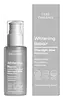
This brightening night moisturizer is formulated around Snail Secretion Filtrate and Niacinamide to fade the look of dark spots and strengthen the skin barrier.
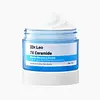
This barrier-repair moisturizer is formulated around Centella Asiatica Leaf Extract and Panthenol to strengthen the skin barrier and calm redness.


What's inside
What's inside
 Key Ingredients
Benefits
Concerns
Ingredients Side-by-side
Water
Skin ConditioningSnail Secretion Filtrate
Skin Conditioning





Niacinamide
Smoothing







Butylene Glycol
Humectant
Caprylic/Capric Triglyceride
Masking
Cetearyl Olivate


Glycerin
Humectant
Sorbitan Olivate
Emulsifying
Microcrystalline Wax
Emulsion StabilisingSodium Polyacrylate
Absorbent
Carbomer
Emulsion StabilisingHydroxyacetophenone
Antioxidant
Benzyl Glycol
SolventArginine
Masking
Caprylyl Glycol
Emollient
Pentylene Glycol
Skin Conditioning
Glyceryl Starch
AbsorbentPolyacrylate-2
Sodium Acrylate/Sodium Acryloyldimethyl Taurate Copolymer
Emulsion StabilisingRaspberry Ketone
Masking

Isohexadecane
EmollientDisodium EDTA
ChelatingButoxydiglycol
MaskingPolysorbate 80
Emulsifying
Sorbitan Oleate
Emulsifying

Adenosine
Skin Conditioning
BHT
Antioxidant
Parfum
Masking
Water, Snail Secretion Filtrate, Niacinamide, Butylene Glycol, Caprylic/Capric Triglyceride, Cetearyl Olivate, Glycerin, Sorbitan Olivate, Microcrystalline Wax, Sodium Polyacrylate, Carbomer, Hydroxyacetophenone, Benzyl Glycol, Arginine, Caprylyl Glycol, Pentylene Glycol, Glyceryl Starch, Polyacrylate-2, Sodium Acrylate/Sodium Acryloyldimethyl Taurate Copolymer, Raspberry Ketone, Isohexadecane, Disodium EDTA, Butoxydiglycol, Polysorbate 80, Sorbitan Oleate, Adenosine, BHT, Parfum
Water
Skin ConditioningPropanediol
Solvent
Dimethicone
Emollient
Propylheptyl Caprylate
EmollientMethyl Gluceth-20
Humectant
Hydroxyethyl Urea
Humectant
Centella Asiatica Leaf Extract
Skin Conditioning
Butylene Glycol
Humectant
Glyceryl Glucoside
Humectant
Cetearyl Olivate
Panthenol
Skin Conditioning
Carbomer
Emulsion Stabilising1,2-Hexanediol
Skin Conditioning
Tromethamine
BufferingHydroxyacetophenone
Antioxidant
Sorbitan Olivate
Emulsifying
Allantoin
Skin Conditioning
Pentylene Glycol
Skin Conditioning
Polyacrylate Crosspolymer-6
Emulsion StabilisingAmmonium Acryloyldimethyltaurate/Vp Copolymer
Avena Sativa Kernel Oil
Skin Conditioning
Ectoin
Skin Conditioning
Squalane
Emollient
Saccharomyces Ferment Filtrate
Humectant
Sorbitol
Humectant
Polyacrylate-13
Glycerin
Humectant
Glycerophosphoinositol Choline
Skin ProtectingSophora Angustifolia Root Extract
Skin ConditioningPolyisobutene
Avena Sativa Kernel Extract
Abrasive
Ethylhexylglycerin
Skin ConditioningParfum
Masking
Salvia Miltiorrhiza Root Extract
Skin ConditioningAndrographis Paniculata Leaf Extract
AstringentPhaeodactylum Tricornutum Extract
HumectantChondrus Crispus Extract
Skin Conditioning
Lecithin
Emollient
Polysorbate 20
Emulsifying
Sorbitan Isostearate
Emulsifying
Caprylhydroxamic Acid
ChelatingCaprylyl Glycol
Emollient
Sargassum Muticum Extract
Skin ProtectingSodium Ascorbate
Antioxidant
Fucus Serratus Extract
Skin ProtectingHydrogenated Lecithin
Emulsifying
Cetyl-Pg Hydroxyethyl Palmitamide
Skin ConditioningCamellia Japonica Seed Oil
Emollient
Trehalose
Humectant
Cetylhydroxyproline Palmitamide
Skin ConditioningTocopherol
Antioxidant
Glycosphingolipids
EmollientGlycolipids
Skin ConditioningDimethiconol
Emollient
Dipalmitoyl Hydroxyproline
Skin Conditioning
Ceramide NP
Skin Conditioning
Ceramide Ns
Skin Conditioning
Ceramide As
Skin Conditioning
Ceramide AP
Skin Conditioning
Ceramide EOP
Skin Conditioning
Water, Propanediol, Dimethicone, Propylheptyl Caprylate, Methyl Gluceth-20, Hydroxyethyl Urea, Centella Asiatica Leaf Extract, Butylene Glycol, Glyceryl Glucoside, Cetearyl Olivate, Panthenol, Carbomer, 1,2-Hexanediol, Tromethamine, Hydroxyacetophenone, Sorbitan Olivate, Allantoin, Pentylene Glycol, Polyacrylate Crosspolymer-6, Ammonium Acryloyldimethyltaurate/Vp Copolymer, Avena Sativa Kernel Oil, Ectoin, Squalane, Saccharomyces Ferment Filtrate, Sorbitol, Polyacrylate-13, Glycerin, Glycerophosphoinositol Choline, Sophora Angustifolia Root Extract, Polyisobutene, Avena Sativa Kernel Extract, Ethylhexylglycerin, Parfum, Salvia Miltiorrhiza Root Extract, Andrographis Paniculata Leaf Extract, Phaeodactylum Tricornutum Extract, Chondrus Crispus Extract, Lecithin, Polysorbate 20, Sorbitan Isostearate, Caprylhydroxamic Acid, Caprylyl Glycol, Sargassum Muticum Extract, Sodium Ascorbate, Fucus Serratus Extract, Hydrogenated Lecithin, Cetyl-Pg Hydroxyethyl Palmitamide, Camellia Japonica Seed Oil, Trehalose, Cetylhydroxyproline Palmitamide, Tocopherol, Glycosphingolipids, Glycolipids, Dimethiconol, Dipalmitoyl Hydroxyproline, Ceramide NP, Ceramide Ns, Ceramide As, Ceramide AP, Ceramide EOP
Reviews
Ingredients Explained
These ingredients are found in both products.
Ingredients higher up in an ingredient list are typically present in a larger amount.
Butylene Glycol (or BG) is used within cosmetic products for a few different reasons:
Overall, Butylene Glycol is a safe and well-rounded ingredient that works well with other ingredients.
Though this ingredient works well with most skin types, some people with sensitive skin may experience a reaction such as allergic rashes, closed comedones, or itchiness.
Learn more about Butylene GlycolCaprylyl Glycol is a humectant, skin conditioner, emollient, and preservative booster derived from either caprylic acid or synthetically created.
Typical use levels vary from 0.3-1% as a preservative booster and go up to 2% to condition skin.
Because it is not a free-fatty acid, this ingredient is fungal acne safe (there's nothing for Malassezia to feed on).
Learn more about Caprylyl GlycolCarbomer is a synthetic thickening and gelling agent. It's basically the ingredient that gives a lot of serums, gels, creams, and sunscreens their smooth, non-sticky texture.
Although legally permitted at very high levels, carbomers are normally used at concentrations below 1%.
It also needs to be neutralized to actually thicken, and because it is a large molecule, it doesn't really penetrate the skin barrier.
Allergy-wise, the risk is very low. Clinical studies show carbomers have low potential for skin irritation/sensitization even at concentrations up to 100%.
A 2024 UK study patch-tested 1,302 patients and found true allergy to the parent group of carbomer to be rare with no confirmed relevant reactions.
Learn more about CarbomerCetearyl Olivate is a plant-derived emulsifier and texture enhancer. It helps keep the oil and water phases from separating so your formulas stay stable.
You'll likely see it combined with Sorbitan Olivate (together sold as the trade name Olivem 1000). This combination generates a liquid crystal structure that closely resemble the lipid organization of the stratum corneum.
These "skin-like" liquid crystals improve skin barrier integrity and promote the delivery of actives into the skin.
This ingredient is well-tolerated and has no significant sensitization data.
Because it is derived from the fatty acids in olive oil, this ingredient may not be fungal acne safe.
Learn more about Cetearyl OlivateGlycerin (or glycerol) is a compound naturally found in your skin. It's a powerhouse humectant that pulls water into the stratum corneum.
Topically, glycerin does several things at once:
Your skin makes glycerin on its own (mostly from sebaceous oil breakdown) and shuttles it to your outermost layer of skin, or your epidermis, via aquaporin-3.
Aquaporin-3 is a transporter that is essential for normal skin hydration, elasticity, and repair. Interestingly, mice lacking in AQP3 have dry and less elastic skin that can be fully corrected with glycerin.
This ingredient is non-irritating, plays well with almost every ingredient, and works across all skin types. Typical use is anywhere between 3-10% but can go up to 79% in some leave-on products.
Just know very high concentrations (>40%) can feel tacky in low humidity.
Glycerin is the name for this ingredient in American English. British English uses Glycerol/Glycerine.
Learn more about GlycerinHydroxyacetophenone is a small phenolic molecule that earns its place in a formulas as an antioxidant and preservative booster.
As a phenol, it is able to neutralize free radicals to protect both the product and the skin from oxidative stress.
Though it can't kill microbes on its own, it works as a good supporting agent when combined with other preservatives like Phenoxyethanol or 1,2-Hexanediol.
This ingredient naturally occurs as piceol in Norwegian spruce needles (~0.4-1.1% dry weight and in cloudberries). Though the cosmetic-grade material is synthesized for purity and consistency.
You'll usually see it used at low levels and suppliers recommend up to 1% added to a water phase.
Safety testing was done at concentrations like 0.05% in SPF products and 0.5% in a Human Repeated Insult Patch Test. The safety evidence is assuring; this ingredient is safe for cosmetics in current use and also holds safety status as a food flavoring as well.
An honest caveat: the "soothing" and "anti-inflammatory" claims come mostly from supplier marketing rather than published clinical trials. The Cosmetic Ingredient Review's own literature search found no useful efficacy studies on this ingredient.
So the antioxidant and preservative-boosting roles are the well supported ones while the calming benefit is plausible but thinly evidenced.
Overall, this is a well-tolerated, low-irritation multitasker that quietly helps a formula stay fresh and stable.
Learn more about HydroxyacetophenoneParfum is a catch-all term for an ingredient or more that is used to give a scent to products.
Also called "fragrance", this ingredient can be a blend of hundreds of chemicals or plant oils. This means every product with "fragrance" or "parfum" in the ingredients list is a different mixture.
For instance, Habanolide is a proprietary trade name for a specific aroma chemical. When used as a fragrance ingredient in cosmetics, most aroma chemicals fall under the broad labeling category of “FRAGRANCE” or “PARFUM” according to EU and US regulations.
The term 'parfum' or 'fragrance' is not regulated in many countries. In many cases, it is up to the brand to define this term.
For instance, many brands choose to label themselves as "fragrance-free" because they are not using synthetic fragrances. However, their products may still contain ingredients such as essential oils that are considered a fragrance by INCI standards.
One example is Calendula flower extract. Calendula is an essential oil that still imparts a scent or 'fragrance'.
Depending on the blend, the ingredients in the mixture can cause allergies and sensitivities on the skin. Some ingredients that are known EU allergens include linalool and citronellol.
Parfum can also be used to mask or cover an unpleasant scent.
The bottom line is: not all fragrances/parfum/ingredients are created equally. If you are worried about fragrances, we recommend taking a closer look at an ingredient. And of course, we always recommend speaking with a professional.
Learn more about ParfumPentylene Glycol (1,2-pentanediol) is a multitasking little diol with three main roles in a formula:
Research on alkanediols (the family pentylene glycol belongs to) show they work by disrupting microbial cell membranes. This disruption helps the primary preservative system in a product work more effectively at lower doses.
On the safety side, the Cosmetic Ingredient Review Expert Panel has concluded this ingredient to be safe as used in current cosmetic practices + concentrations.
Typical use levels in a formula run about 1-5%.
Learn more about Pentylene GlycolSorbitan Olivate is created from the fatty acids in olive oil and sorbitol.
This ingredient is an oil in water emulsifier. It helps stabilize a product by preventing oils and waters from separating. Sorbitan Olivate also helps hydrate the skin.
This ingredient is also known as part of Olivem 1000, with Cetearyl Olivate being the other part.
According to a manufacturer, this ingredient helps preserve the natural microbiome of skin. Having a healthy microbiome helps keep our skin healthy and protects against harmful bacteria.
Please note, having a healthy microbiome is different from fungal acne; a healthy microbiome includes small amounts of yeast that normally live on your skin without causing problems.
Fungal acne happens when one type of yeast (Malassezia) grows out of control. This is usually because it's feeding on certain oils or fatty acids. Due to the olive oil base, this ingredient may not be fungal acne safe.
Learn more about Sorbitan OlivateWater. It's the most common cosmetic ingredient of all. You'll usually see it at the top of ingredient lists, meaning that it makes up the largest part of the product.
So why is it so popular? Water most often acts as a solvent - this means that it helps dissolve other ingredients into the formulation.
You'll also recognize water as that liquid we all need to stay alive. If you see this, drink a glass of water. Remember to stay hydrated!
Learn more about Water

