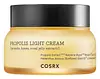
This calming moisturizer is formulated around Propolis Extract and Honey Extract to calm redness and hydrate skin.
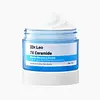
This barrier-repair moisturizer is formulated around Centella Asiatica Leaf Extract and Panthenol to strengthen the skin barrier and calm redness.


What's inside
What's inside
 Key Ingredients
Benefits
Concerns
Ingredients Side-by-side
Propolis Extract
Skin Conditioning




Butylene Glycol
Humectant

Glycerin
Humectant
Caprylic/Capric Triglyceride
Masking
Helianthus Annuus Seed Oil
Emollient


1,2-Hexanediol
Skin Conditioning
Honey Extract
Humectant
Royal Jelly Extract
Skin Conditioning
Hydroxyethyl Acrylate/Sodium Acryloyldimethyl Taurate Copolymer
Emulsion StabilisingCassia Obtusifolia Seed Extract
Skin ConditioningCetearyl Olivate
Beeswax
Emulsion Stabilising


Cetearyl Alcohol
Emollient
Sorbitan Olivate
Emulsifying
Allantoin
Skin Conditioning
Arginine
Masking
Carbomer
Emulsion StabilisingXanthan Gum
EmulsifyingPropolis Extract, Butylene Glycol, Glycerin, Caprylic/Capric Triglyceride, Helianthus Annuus Seed Oil, 1,2-Hexanediol, Honey Extract, Royal Jelly Extract, Hydroxyethyl Acrylate/Sodium Acryloyldimethyl Taurate Copolymer, Cassia Obtusifolia Seed Extract, Cetearyl Olivate, Beeswax, Cetearyl Alcohol, Sorbitan Olivate, Allantoin, Arginine, Carbomer, Xanthan Gum
Water
Skin ConditioningPropanediol
Solvent
Dimethicone
Emollient
Propylheptyl Caprylate
EmollientMethyl Gluceth-20
Humectant
Hydroxyethyl Urea
Humectant
Centella Asiatica Leaf Extract
Skin Conditioning
Butylene Glycol
Humectant
Glyceryl Glucoside
Humectant
Cetearyl Olivate
Panthenol
Skin Conditioning
Carbomer
Emulsion Stabilising1,2-Hexanediol
Skin Conditioning
Tromethamine
BufferingHydroxyacetophenone
Antioxidant
Sorbitan Olivate
Emulsifying
Allantoin
Skin Conditioning
Pentylene Glycol
Skin Conditioning
Polyacrylate Crosspolymer-6
Emulsion StabilisingAmmonium Acryloyldimethyltaurate/Vp Copolymer
Avena Sativa Kernel Oil
Skin Conditioning
Ectoin
Skin Conditioning
Squalane
Emollient
Saccharomyces Ferment Filtrate
Humectant
Sorbitol
Humectant
Polyacrylate-13
Glycerin
Humectant
Glycerophosphoinositol Choline
Skin ProtectingSophora Angustifolia Root Extract
Skin ConditioningPolyisobutene
Avena Sativa Kernel Extract
Abrasive
Ethylhexylglycerin
Skin ConditioningParfum
Masking


Salvia Miltiorrhiza Root Extract
Skin ConditioningAndrographis Paniculata Leaf Extract
AstringentPhaeodactylum Tricornutum Extract
HumectantChondrus Crispus Extract
Skin Conditioning
Lecithin
Emollient
Polysorbate 20
Emulsifying
Sorbitan Isostearate
Emulsifying
Caprylhydroxamic Acid
Caprylyl Glycol
Emollient
Sargassum Muticum Extract
Skin ProtectingSodium Ascorbate
Antioxidant



Fucus Serratus Extract
Skin ProtectingHydrogenated Lecithin
Emulsifying
Cetyl-Pg Hydroxyethyl Palmitamide
Skin ConditioningCamellia Japonica Seed Oil
Emollient
Trehalose
Humectant
Cetylhydroxyproline Palmitamide
Skin ConditioningTocopherol
Antioxidant

Glycosphingolipids
EmollientGlycolipids
Skin ConditioningDimethiconol
Emollient
Dipalmitoyl Hydroxyproline
Skin Conditioning
Ceramide NP
Skin Conditioning
Ceramide Ns
Skin Conditioning
Ceramide As
Skin Conditioning
Ceramide AP
Skin Conditioning
Ceramide EOP
Skin Conditioning
Water, Propanediol, Dimethicone, Propylheptyl Caprylate, Methyl Gluceth-20, Hydroxyethyl Urea, Centella Asiatica Leaf Extract, Butylene Glycol, Glyceryl Glucoside, Cetearyl Olivate, Panthenol, Carbomer, 1,2-Hexanediol, Tromethamine, Hydroxyacetophenone, Sorbitan Olivate, Allantoin, Pentylene Glycol, Polyacrylate Crosspolymer-6, Ammonium Acryloyldimethyltaurate/Vp Copolymer, Avena Sativa Kernel Oil, Ectoin, Squalane, Saccharomyces Ferment Filtrate, Sorbitol, Polyacrylate-13, Glycerin, Glycerophosphoinositol Choline, Sophora Angustifolia Root Extract, Polyisobutene, Avena Sativa Kernel Extract, Ethylhexylglycerin, Parfum, Salvia Miltiorrhiza Root Extract, Andrographis Paniculata Leaf Extract, Phaeodactylum Tricornutum Extract, Chondrus Crispus Extract, Lecithin, Polysorbate 20, Sorbitan Isostearate, Caprylhydroxamic Acid, Caprylyl Glycol, Sargassum Muticum Extract, Sodium Ascorbate, Fucus Serratus Extract, Hydrogenated Lecithin, Cetyl-Pg Hydroxyethyl Palmitamide, Camellia Japonica Seed Oil, Trehalose, Cetylhydroxyproline Palmitamide, Tocopherol, Glycosphingolipids, Glycolipids, Dimethiconol, Dipalmitoyl Hydroxyproline, Ceramide NP, Ceramide Ns, Ceramide As, Ceramide AP, Ceramide EOP
Reviews
Ingredients Explained
These ingredients are found in both products.
Ingredients higher up in an ingredient list are typically present in a larger amount.
1,2-Hexanediol is a synthetic liquid and another multi-functional powerhouse.
It is a:
- Humectant, drawing moisture into the skin
- Emollient, helping to soften skin
- Solvent, dispersing and stabilizing formulas
- Preservative booster, enhancing the antimicrobial activity of other preservatives
Allantoin is a soothing ingredient known for its protective and moisturizing properties; it's basically a quiet workhorse ingredient you can find in a huge range of cosmetics.
Though it can be derived from the comfrey plant, allantoin is produced synthetically for cosmetic products to ensure purity.
Research shows it can encourage your skin cells to turn over and renew by stimulating keratinocyte and fibroblast proliferation.
It also has mild keratolytic properties to help loosen and shed dead skin cells without being harsh.
Studies also suggest allantoin can help calm inflammation by dialing down some of the chemical signals your skin sends out when it is irritated.
This ingredient is typically used in the 0.1-0.5% range, and the FDA recognizes it as a skin protectant in OTC products up to 2%.
Overall, allantoin is a wonderful addition to most routines; it is stable across a wide pH range (~4-8), works well with other ingredients, and is considered non-sensitizing/non-irritating.
Fun fact: Allantoin is naturally occurring in comfrey root, beets, chamomile, and wheat sprouts. Our bodies even produce it as a byproduct of uric acid metabolism.
Learn more about AllantoinButylene Glycol (or BG) is used within cosmetic products for a few different reasons:
Overall, Butylene Glycol is a safe and well-rounded ingredient that works well with other ingredients.
Though this ingredient works well with most skin types, some people with sensitive skin may experience a reaction such as allergic rashes, closed comedones, or itchiness.
Learn more about Butylene GlycolCarbomer is a synthetic thickening and gelling agent. It's basically the ingredient that gives a lot of serums, gels, creams, and sunscreens their smooth, non-sticky texture.
Although legally permitted at very high levels, carbomers are normally used at concentrations below 1%.
It also needs to be neutralized to actually thicken, and because it is a large molecule, it doesn't really penetrate the skin barrier.
Allergy-wise, the risk is very low. Clinical studies show carbomers have low potential for skin irritation/sensitization even at concentrations up to 100%.
A 2024 UK study patch-tested 1,302 patients and found true allergy to the parent group of carbomer to be rare with no confirmed relevant reactions.
Learn more about CarbomerCetearyl Olivate is a plant-derived emulsifier and texture enhancer. It helps keep the oil and water phases from separating so your formulas stay stable.
You'll likely see it combined with Sorbitan Olivate (together sold as the trade name Olivem 1000). This combination generates a liquid crystal structure that closely resemble the lipid organization of the stratum corneum.
These "skin-like" liquid crystals improve skin barrier integrity and promote the delivery of actives into the skin.
This ingredient is well-tolerated and has no significant sensitization data.
Because it is derived from the fatty acids in olive oil, this ingredient may not be fungal acne safe.
Learn more about Cetearyl OlivateGlycerin (or glycerol) is a compound naturally found in your skin. It's a powerhouse humectant that pulls water into the stratum corneum.
Topically, glycerin does several things at once:
Your skin makes glycerin on its own (mostly from sebaceous oil breakdown) and shuttles it to your outermost layer of skin, or your epidermis, via aquaporin-3.
Aquaporin-3 is a transporter that is essential for normal skin hydration, elasticity, and repair. Interestingly, mice lacking in AQP3 have dry and less elastic skin that can be fully corrected with glycerin.
This ingredient is non-irritating, plays well with almost every ingredient, and works across all skin types. Typical use is anywhere between 3-10% but can go up to 79% in some leave-on products.
Just know very high concentrations (>40%) can feel tacky in low humidity.
Glycerin is the name for this ingredient in American English. British English uses Glycerol/Glycerine.
Learn more about GlycerinSorbitan Olivate is created from the fatty acids in olive oil and sorbitol.
This ingredient is an oil in water emulsifier. It helps stabilize a product by preventing oils and waters from separating. Sorbitan Olivate also helps hydrate the skin.
This ingredient is also known as part of Olivem 1000, with Cetearyl Olivate being the other part.
According to a manufacturer, this ingredient helps preserve the natural microbiome of skin. Having a healthy microbiome helps keep our skin healthy and protects against harmful bacteria.
Please note, having a healthy microbiome is different from fungal acne; a healthy microbiome includes small amounts of yeast that normally live on your skin without causing problems.
Fungal acne happens when one type of yeast (Malassezia) grows out of control. This is usually because it's feeding on certain oils or fatty acids. Due to the olive oil base, this ingredient may not be fungal acne safe.
Learn more about Sorbitan Olivate

