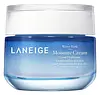
This barrier-repair moisturizer is formulated around Saccharide Isomerate and Hydrogenated Lecithin to strengthen the skin barrier and hydrate skin.
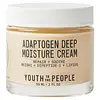
This calming moisturizer is formulated around Niacinamide and Tremella Fuciformis Polysaccharide to calm redness and hydrate skin.


What's inside
What's inside
 Key Ingredients
Benefits
Concerns
Ingredients Side-by-side
Water
Skin ConditioningPropanediol
Solvent

Glycerin
Humectant
Methyl Trimethicone
Skin Conditioning
Phenyl Trimethicone
Skin Conditioning
Caprylyl Methicone
Skin Conditioning
1,2-Hexanediol
Skin Conditioning
Dicaprylyl Carbonate
EmollientMaris Aqua
HumectantSaccharide Isomerate
Humectant
Hydrogenated Lecithin
Emulsifying
Ammonium Acryloyldimethyltaurate/Vp Copolymer
Hydrogenated Polyisobutene
EmollientHydroxyethyl Acrylate/Sodium Acryloyldimethyl Taurate Copolymer
Emulsion StabilisingCetearyl Alcohol
Emollient






Butylene Glycol
Humectant
Parfum
Masking


Glyceryl Caprylate
EmollientGlyceryl Stearate
Emollient
Stearic Acid
Cleansing
Ethylhexylglycerin
Skin ConditioningDisodium EDTA
ChelatingAcrylates/C10-30 Alkyl Acrylate Crosspolymer
Emulsion StabilisingTromethamine
BufferingSorbitan Isostearate
Emulsifying
Polyglyceryl-3 Methylglucose Distearate
Emulsifying
Hyaluronic Acid
Humectant

Magnesium Sulfate
Calcium Chloride
AstringentLinalool
Perfuming
Sodium Citrate
BufferingCitric Acid
Buffering

Hexyl Cinnamal
Perfuming
Benzyl Salicylate
Perfuming
Butylphenyl Methylpropional
Perfuming
Limonene
Perfuming
Beta Vulgaris Root Extract
Skin ConditioningGeraniol
Perfuming
Citronellol
Perfuming
Alpha-Isomethyl Ionone
Perfuming
Manganese Sulfate
Skin ConditioningChenopodium Quinoa Seed Extract
Skin Conditioning
Tocopherol
Antioxidant


Zinc Sulfate
Antimicrobial
Lecithin
Emollient
Brassica Oleracea Acephala Leaf Extract
HumectantNasturtium Officinale Extract
Perfuming
Glycine Soja Oil
Emollient

Lepidium Sativum Sprout Extract
Skin ConditioningAscorbyl Glucoside
Antioxidant
Water, Propanediol, Glycerin, Methyl Trimethicone, Phenyl Trimethicone, Caprylyl Methicone, 1,2-Hexanediol, Dicaprylyl Carbonate, Maris Aqua, Saccharide Isomerate, Hydrogenated Lecithin, Ammonium Acryloyldimethyltaurate/Vp Copolymer, Hydrogenated Polyisobutene, Hydroxyethyl Acrylate/Sodium Acryloyldimethyl Taurate Copolymer, Cetearyl Alcohol, Butylene Glycol, Parfum, Glyceryl Caprylate, Glyceryl Stearate, Stearic Acid, Ethylhexylglycerin, Disodium EDTA, Acrylates/C10-30 Alkyl Acrylate Crosspolymer, Tromethamine, Sorbitan Isostearate, Polyglyceryl-3 Methylglucose Distearate, Hyaluronic Acid, Magnesium Sulfate, Calcium Chloride, Linalool, Sodium Citrate, Citric Acid, Hexyl Cinnamal, Benzyl Salicylate, Butylphenyl Methylpropional, Limonene, Beta Vulgaris Root Extract, Geraniol, Citronellol, Alpha-Isomethyl Ionone, Manganese Sulfate, Chenopodium Quinoa Seed Extract, Tocopherol, Zinc Sulfate, Lecithin, Brassica Oleracea Acephala Leaf Extract, Nasturtium Officinale Extract, Glycine Soja Oil, Lepidium Sativum Sprout Extract, Ascorbyl Glucoside
Water
Skin ConditioningGlycerin
Humectant
Ethyl Oleate
Emollient
Centaurea Cyanus Flower Water
Skin Conditioning
Niacinamide
Smoothing



Glyceryl Stearate Citrate
Emollient
Behenyl Alcohol
Emollient
Lauryl Laurate
Skin Conditioning
Butyrospermum Parkii Butter
Skin Conditioning
Ammonium Polyacryloyldimethyl Taurate
Emulsion StabilisingInonotus Obliquus Extract
Skin ConditioningTremella Fuciformis Polysaccharide
Emulsion Stabilising
Acetyl Dipeptide-1 Cetyl Ester
Skin Conditioning
Ganoderma Lucidum Extract
Skin Protecting
Linoleic Acid
Cleansing
Linolenic Acid
Cleansing
Oleic Acid
Emollient
Phytic Acid
Chelating
Sodium Hydroxide
BufferingStearic Acid
Cleansing
Withania Somnifera Root Extract
Skin Conditioning
Panthenol
Skin Conditioning
Tocopherol
Antioxidant
Ceramide NP
Skin Conditioning
C12-16 Alcohols
EmollientHydrogenated Lecithin
Emulsifying
Palmitic Acid
Emollient
Simmondsia Chinensis Seed Oil
Emollient
Squalane
Emollient
Arginine
Masking
Caprylyl Glycol
Emollient
Citric Acid
Buffering
Coco-Betaine
Cleansing
Ethylhexylglycerin
Skin ConditioningFructose
Humectant
Helianthus Annuus Seed Oil
Emollient
Propanediol
Solvent
Xanthan Gum
EmulsifyingCaramel
Cosmetic ColorantBenzyl Alcohol
Perfuming

Phenoxyethanol
Preservative
Potassium Sorbate
Preservative
Water, Glycerin, Ethyl Oleate, Centaurea Cyanus Flower Water, Niacinamide, Glyceryl Stearate Citrate, Behenyl Alcohol, Lauryl Laurate, Butyrospermum Parkii Butter, Ammonium Polyacryloyldimethyl Taurate, Inonotus Obliquus Extract, Tremella Fuciformis Polysaccharide, Acetyl Dipeptide-1 Cetyl Ester, Ganoderma Lucidum Extract, Linoleic Acid, Linolenic Acid, Oleic Acid, Phytic Acid, Sodium Hydroxide, Stearic Acid, Withania Somnifera Root Extract, Panthenol, Tocopherol, Ceramide NP, C12-16 Alcohols, Hydrogenated Lecithin, Palmitic Acid, Simmondsia Chinensis Seed Oil, Squalane, Arginine, Caprylyl Glycol, Citric Acid, Coco-Betaine, Ethylhexylglycerin, Fructose, Helianthus Annuus Seed Oil, Propanediol, Xanthan Gum, Caramel, Benzyl Alcohol, Phenoxyethanol, Potassium Sorbate
Reviews
Ingredients Explained
These ingredients are found in both products.
Ingredients higher up in an ingredient list are typically present in a larger amount.
Citric Acid is an alpha hydroxy acid (AHA) naturally found in citrus fruits like oranges, lemons, and limes.
Like other AHAs, citric acid can exfoliate skin by breaking down the bonds that hold dead skin cells together. This helps reveal smoother and brighter skin underneath.
However, this exfoliating effect only happens at high concentrations (20%) which can be hard to find in cosmetic products.
Due to this, citric acid is usually included in small amounts as a pH adjuster. This helps keep products slightly more acidic and compatible with skin's natural pH.
In skincare formulas, citric acid can:
While it can provide some skin benefits, research shows lactic acid and glycolic acid are generally more effective and less irritating exfoliants.
Most citric acid used in skincare today is made by fermenting sugars (usually from molasses). This synthetic version is identical to the natural citrus form but easier to stabilize and use in formulations.
Rosacea skin has a lower threshold for acids generally, with 62.5% of rosacea subjects in one study reacting to lactic acid in a sting test. This is why we mark citric acid as a potential rosacea trigger.
However, this ingredient shows up as a pH adjuster or chelator at roughly 0.1-1% in many products. These low levels are unlikely to be an issue for rosacea skin and becomes a potential trigger at exfoliating concentrations (20%). Because everybody's skin is unique, we recommend a patch test if you are unsure.
Learn more about Citric AcidEthylhexylglycerin is created from glycerin. It is a multitasker ingredient that:
The CIR Expert Panel found minimal skin absorption or sensitization of any kind in a safety assessment. Though this ingredient is considered well-tolerated, a small number of cases of allergic dermatitis have been published since 2002. Just be sure to patch test if you are unsure.
Industry-reported use ranges from 8% in rinse-off products and 2% in leave-on formulations.
Learn more about EthylhexylglycerinGlycerin (or glycerol) is a compound naturally found in your skin. It's a powerhouse humectant that pulls water into the stratum corneum.
Topically, glycerin does several things at once:
Your skin makes glycerin on its own (mostly from sebaceous oil breakdown) and shuttles it to your outermost layer of skin, or your epidermis, via aquaporin-3.
Aquaporin-3 is a transporter that is essential for normal skin hydration, elasticity, and repair. Interestingly, mice lacking in AQP3 have dry and less elastic skin that can be fully corrected with glycerin.
This ingredient is non-irritating, plays well with almost every ingredient, and works across all skin types. Typical use is anywhere between 3-10% but can go up to 79% in some leave-on products.
Just know very high concentrations (>40%) can feel tacky in low humidity.
Glycerin is the name for this ingredient in American English. British English uses Glycerol/Glycerine.
Learn more about GlycerinHydrogenated Lecithin is a more stable version of lecithin.
It's made by taking lecithin (a phospholipid commonly found in soybeans and egg yolks) and hydrogenating it. This just means the unsaturated fatty acids are turned into saturated ones so they don't go bad as easily.
This ingredient is an emollient, emulsifier, and penetration enhancer. As an emollient, it helps soften and hydrate skin by trapping moisture within. As an emulsifier, it prevents oil and water ingredients from separating.
Hydrogenated Lecithin can form tiny spherical structures made of phospholipid bilayers called liposomes. These liposomes are able to capture compounds inside their structure and deliver them through the skin barrier.
Because phospholipids are a natural component of our cell membranes, this ingredient is inherently compatible with skin.
A 2021 study found lecithin-based surfactants were less harsh and more tolerable comared to Sodium Lauryl Sulfate (SLS).
Learn more about Hydrogenated LecithinPropanediol is an all-star ingredient. It softens, hydrates, and smooths the skin.
It’s often used to:
Propanediol is not likely to cause sensitivity and considered safe to use. It is derived from corn or petroleum with a clear color and no scent.
Learn more about PropanediolStearic Acid is a fatty acid that is already found in your skin. It's one of the free fatty acids that works alongside ceramides and cholesterols to maintain your barrier.
In cosmetics, it is a multitasker:
Safety-wise, the CIR Expert Panel has concluded it to be safe in cosmetics when formulated to be non-irritating and non-sensitizing.
Free stearic acid is a C18 fatty acid that the Malassezia yeast can substrate, so this ingredient may not be fungal acne safe.
Learn more about Stearic AcidTocopherol is a fat-soluble antioxidant known as Vitamin E.
You'll find this ingredient in the vast majority of skincare (for good reason). It works to neutralize free radicals, or unstable molecules generated by UV exposure, pollution, and other environmental stressors, before they can cause oxidative damage to your skin cells.
Topically applied tocopherol has been shown to protect against UV damage by ramping up the skin's own natural defense enzymes.
It also acts as a skin conditioning agent; some studies show that regular topical use can improve the skin's water-binding capacity over 2-4 weeks.
This ingredient is especially loved for being a team player. When combined with Vitamin C, the photoprotective effect of both ingredients roughly doubles and the combo also helps reduce UV-induced DNA damage.
This ingredient has some brightening potential but it's more of a prevention ingredient than spot-fader. Cell studies show it can slow down melanin production but it's worth noting that it's not the most powerful brightener out there.
In formulations, it also serves as a stabilizer that helps protect other oxidation-prone ingredients from degrading.
Concentrations usually range from 0.1-1% in most leave-on products.
Learn more about TocopherolWater. It's the most common cosmetic ingredient of all. You'll usually see it at the top of ingredient lists, meaning that it makes up the largest part of the product.
So why is it so popular? Water most often acts as a solvent - this means that it helps dissolve other ingredients into the formulation.
You'll also recognize water as that liquid we all need to stay alive. If you see this, drink a glass of water. Remember to stay hydrated!
Learn more about Water

