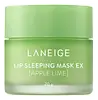
This hydrating lip mask is formulated around Butyrospermum Parkii Butter and Sodium Hyaluronate to hydrate lips and strengthen the lip barrier.
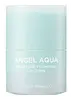
This barrier-repair lip moisturizer is formulated around Gluconolactone and Ceramide NP to strengthen the lip barrier and hydrate lips.

What's inside
What's inside
 Key Ingredients
Benefits
Concerns
Ingredients Side-by-side
Diisostearyl Malate
EmollientHydrogenated Polyisobutene
EmollientPhytosteryl/Isostearyl/Cetyl/Stearyl/Behenyl Dimer Dilinoleate
Skin Conditioning

Hydrogenated Poly(C6-14 Olefin)
EmollientPolybutene
Microcrystalline Wax
Emulsion StabilisingButyrospermum Parkii Butter
Skin Conditioning




Synthetic Wax
Abrasive
Euphorbia Cerifera Cera
Astringent
Sucrose Tetrastearate Triacetate
Emollient
Hydrogenated Butylene/Ethylene/Styrene Copolymer
EmollientEthylene/Propylene/Styrene Copolymer
Mica
Cosmetic ColorantAroma


Astrocaryum Murumuru Seed Butter
Emollient
Dimethicone
Emollient

CI 77891
Cosmetic ColorantPolyglyceryl-2 Diisostearate
Emulsifying
Dehydroacetic Acid
Preservative
Methicone
Emollient
Copernicia Cerifera Wax
Silica
Abrasive

Polyglyceryl-2 Triisostearate
Emulsifying
CI 47005
Cosmetic ColorantWater
Skin ConditioningPolyhydroxystearic Acid
Emulsifying
CI 42090
Cosmetic ColorantPotassium Alginate
Emulsion StabilisingPropanediol
Solvent
Glycerin
Humectant
Alcohol
Antimicrobial


Lycium Barbarum Fruit Extract
Astringent
Vaccinium Macrocarpon Fruit Extract
AstringentFragaria Ananassa Fruit Extract
Skin Conditioning
Rubus Idaeus Fruit Extract
AstringentSapindus Mukorossi Fruit Extract
Skin ConditioningVaccinium Angustifolium Fruit Extract
Skin Protecting
Rubus Chamaemorus Seed Extract
Skin ConditioningCoffea Arabica Seed Extract
Masking
Chenopodium Quinoa Seed Extract
Skin Conditioning
Magnesium Sulfate
Calcium Chloride
AstringentSodium Hyaluronate
Humectant

Beta-Glucan
Skin Conditioning
Manganese Sulfate
Skin ConditioningZinc Sulfate
Antimicrobial
Ascorbyl Glucoside
Antioxidant


Diisostearyl Malate, Hydrogenated Polyisobutene, Phytosteryl/Isostearyl/Cetyl/Stearyl/Behenyl Dimer Dilinoleate, Hydrogenated Poly(C6-14 Olefin), Polybutene, Microcrystalline Wax, Butyrospermum Parkii Butter, Synthetic Wax, Euphorbia Cerifera Cera, Sucrose Tetrastearate Triacetate, Hydrogenated Butylene/Ethylene/Styrene Copolymer, Ethylene/Propylene/Styrene Copolymer, Mica, Aroma, Astrocaryum Murumuru Seed Butter, Dimethicone, CI 77891, Polyglyceryl-2 Diisostearate, Dehydroacetic Acid, Methicone, Copernicia Cerifera Wax, Silica, Polyglyceryl-2 Triisostearate, CI 47005, Water, Polyhydroxystearic Acid, CI 42090, Potassium Alginate, Propanediol, Glycerin, Alcohol, Lycium Barbarum Fruit Extract, Vaccinium Macrocarpon Fruit Extract, Fragaria Ananassa Fruit Extract, Rubus Idaeus Fruit Extract, Sapindus Mukorossi Fruit Extract, Vaccinium Angustifolium Fruit Extract, Rubus Chamaemorus Seed Extract, Coffea Arabica Seed Extract, Chenopodium Quinoa Seed Extract, Magnesium Sulfate, Calcium Chloride, Sodium Hyaluronate, Beta-Glucan, Manganese Sulfate, Zinc Sulfate, Ascorbyl Glucoside
Diisostearyl Malate
EmollientTriethylhexanoin
MaskingPhytosteryl/Isostearyl/Cetyl/Stearyl/Behenyl Dimer Dilinoleate
Skin Conditioning
Bis-Diglyceryl Polyacyladipate-2
Emollient
Dextrin Palmitate
Emulsifying
Dipentaerythrityl Hexahydroxystearate/Hexastearate/Hexarosinate
Skin ConditioningGlyceryl Behenate/Eicosadioate
Emollient
Silica Dimethyl Silylate
EmollientWater
Skin Conditioning1,2-Hexanediol
Skin Conditioning
Sorbitan Stearate
Emulsifying
Cedrol
EmollientMenthoxypropanediol
Masking
Dimethicone
Emollient
Gluconolactone
Skin Conditioning


Glycerin
Humectant
Protease
Exfoliating
Serine
Masking
Butylene Glycol
Humectant
Cholesterol
Emollient
Hydrogenated Lecithin
Emulsifying
Squalane
Emollient
Butyrospermum Parkii Butter
Skin Conditioning
Glyceryl Glucoside
Humectant
Alcohol Denat.
Antimicrobial
Cetearyl Alcohol
Emollient

Stearic Acid
Cleansing
Hydrolyzed Sodium Hyaluronate
Skin Conditioning
Hydrolyzed Hyaluronic Acid
Humectant
Hydroxypropyltrimonium Hyaluronate
Anthriscus Sylvestris Extract
Skin ConditioningAcetyl Tetrapeptide-9
Skin Conditioning
Ceramide NP
Skin Conditioning
Pentylene Glycol
Skin Conditioning
Caprylyl Glycol
Emollient
Ceramide Ns
Skin Conditioning
Phytosphingosine
Skin Conditioning
Acetyl Hexapeptide-8
Humectant
Ceramide AP
Skin Conditioning
Ceramide As
Skin Conditioning
Ethylhexylglycerin
Skin ConditioningSodium Hyaluronate
Humectant
Sodium Hyaluronate Crosspolymer
Humectant
Soluble Proteoglycan
Skin ConditioningDesamido Collagen
Skin Conditioning
Ceramide EOP
Skin Conditioning
Diisostearyl Malate, Triethylhexanoin, Phytosteryl/Isostearyl/Cetyl/Stearyl/Behenyl Dimer Dilinoleate, Bis-Diglyceryl Polyacyladipate-2, Dextrin Palmitate, Dipentaerythrityl Hexahydroxystearate/Hexastearate/Hexarosinate, Glyceryl Behenate/Eicosadioate, Silica Dimethyl Silylate, Water, 1,2-Hexanediol, Sorbitan Stearate, Cedrol, Menthoxypropanediol, Dimethicone, Gluconolactone, Glycerin, Protease, Serine, Butylene Glycol, Cholesterol, Hydrogenated Lecithin, Squalane, Butyrospermum Parkii Butter, Glyceryl Glucoside, Alcohol Denat., Cetearyl Alcohol, Stearic Acid, Hydrolyzed Sodium Hyaluronate, Hydrolyzed Hyaluronic Acid, Hydroxypropyltrimonium Hyaluronate, Anthriscus Sylvestris Extract, Acetyl Tetrapeptide-9, Ceramide NP, Pentylene Glycol, Caprylyl Glycol, Ceramide Ns, Phytosphingosine, Acetyl Hexapeptide-8, Ceramide AP, Ceramide As, Ethylhexylglycerin, Sodium Hyaluronate, Sodium Hyaluronate Crosspolymer, Soluble Proteoglycan, Desamido Collagen, Ceramide EOP
Reviews
Ingredients Explained
These ingredients are found in both products.
Ingredients higher up in an ingredient list are typically present in a larger amount.
This ingredient is also known as shea butter. It is a plant-derived extract from the nuts of the Africa shea tree and one of the most well-studied emollients.
Because it has a high concentration of fatty acids (primarily oleic, stearic, and linoleic) it is able to form a protective barrier on the skin's surface. This helps seal in moisture and prevents transepidermal water loss (TEWL).
In vitro research found an increase in skin hydration by 58% and a decrease in TEWL by 37.8% after 24 hours of applying this ingredient (pretty impressive for a single ingredient!).
Besides hydration, shea butter also contains triterpenes that have anti-inflammatory potential. In particule, lupeol cinnamate has shown the highest anti-inflammatory activity in vivo.
Shea butter also contains vitamins A and E which may contribute to antioxidant activity.
While Shea Butter has an SPF rating of about 3-4, it is not a sunscreen replacement.
This ingredient may not be fungal acne safe because its fatty acids fall within the C11-C24 range that the Malassezia yeast can metabolize.
This ingredient shows up on a lot of "pore-clogging" lists but there's no real evidence behind that. It doesn't even have a comedogenic rating from an actual study; the numbers you'll find online come from blogs citing other blogs.
Ratings for other ingredients mostly come from a 1980s rabbit ear test. This test doesn't translate well to human skin or to real products because the ingredient sits at a much lower percentage.
Some people still find it breaks them out. So if that's you, definitely trust your skin. Just know this one's based on experience and not evidence.
Learn more about Butyrospermum Parkii ButterDiisostearyl Malate is an emollient and most often used in lip products. It comes from isostearyl alcohol, a fatty acid, and malic acid, an AHA.
As an emollient, Diisostearyl Malate helps create a thin film on your skin to trap moisture in. This helps keep your skin soft and smooth.
Dimethicone is a type of synthetic silicone created from natural materials such as quartz. It is also known as polydimethylsiloxane.
What it does:
Dimethicone comes in different viscosities:
Depending on the viscosity, dimethicone has different properties.
Ingredients lists don't always show which type is used, so we recommend reaching out to the brand if you have questions about the viscosity.
This ingredient is unlikely to cause irritation because it does not get absorbed into skin. However, people with silicone allergies should be careful about using this ingredient.
Note: Dimethicone may contribute to pilling. This is because it is not oil or water soluble, so pilling may occur when layered with products. When mixed with heavy oils in a formula, the outcome is also quite greasy.
Learn more about DimethiconeGlycerin (or glycerol) is a compound naturally found in your skin. It's a powerhouse humectant that pulls water into the stratum corneum.
Topically, glycerin does several things at once:
Your skin makes glycerin on its own (mostly from sebaceous oil breakdown) and shuttles it to your outermost layer of skin, or your epidermis, via aquaporin-3.
Aquaporin-3 is a transporter that is essential for normal skin hydration, elasticity, and repair. Interestingly, mice lacking in AQP3 have dry and less elastic skin that can be fully corrected with glycerin.
This ingredient is non-irritating, plays well with almost every ingredient, and works across all skin types. Typical use is anywhere between 3-10% but can go up to 79% in some leave-on products.
Just know very high concentrations (>40%) can feel tacky in low humidity.
Glycerin is the name for this ingredient in American English. British English uses Glycerol/Glycerine.
Learn more about GlycerinThis is a plant-derived ester that functions as a skin conditioner. It's basically a two linoleic acid molecules combined with fatty alcohols.
In practice, it works as a rich emollient that helps reduce moisture loss and give skin a soft appearance.
The phytosterol part of this ingredient brings an added structural bonus: phytosterols are structurally similar to cholesterol so they can fit right into the stratum corneum's lipid matrix to help reinforce the skin barrier.
Due to its molecular structure, this ingredient delivers a cushiony and glossy feeling without being excessively greasy.
It did not produce skin irritation or sensitization in clinical studies, and this ingredient is deemed safe to use in cosmetics at current practices.
Because this ingredient contains C16, C18, and C22 fatty chains, it may not be Malassezia/fungal acne safe. The Malassezia yeast potentially feeds on fatty acids in the C11-C24 range.
Learn more about Phytosteryl/Isostearyl/Cetyl/Stearyl/Behenyl Dimer DilinoleateSodium Hyaluronate is the salt form of hyaluronic acid. It is a long sugar chain that is naturally found in your skin, joints, and connective tissue that maintains hydration and elasticity.
In skincare, it works as a humectant. It pulls water from the environment and deeper layers of skin and binds it to the surface.
Interestingly, the size of the molecule affects its behavior:
Some clinical evidence links low molecular weight versions to improved wrinkle depth, elasticity, anti-inflammatory effects, and barrier repair.
Many serums use a blend of both weights so you can get surface hydration plus longer-lasting and deeper effects.
You'll typically see concentrations between 0.1-2% for this ingredient.
Learn more about Sodium HyaluronateWater. It's the most common cosmetic ingredient of all. You'll usually see it at the top of ingredient lists, meaning that it makes up the largest part of the product.
So why is it so popular? Water most often acts as a solvent - this means that it helps dissolve other ingredients into the formulation.
You'll also recognize water as that liquid we all need to stay alive. If you see this, drink a glass of water. Remember to stay hydrated!
Learn more about Water

