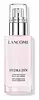
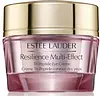
Lancôme Hydra Zen Anti-Stress Glow Moisturiser Versus Estée Lauder Resilience Multi-Effect Tri-Peptide Eye Creme
This calming moisturizer is formulated around Butyrospermum Parkii Butter and Squalane to calm redness and hydrate skin.
This anti-aging eye moisturizer is formulated around Butyrospermum Parkii Butter and Acetyl Hexapeptide-8 to soften the look of wrinkles and hydrate skin.


What's inside
What's inside
 Key Ingredients
Benefits
Concerns
Ingredients Side-by-side
Water
Skin ConditioningGlycerin
Humectant


Pentylene Glycol
Skin Conditioning
Octyldodecanol
Emollient
Butylene Glycol
Humectant
Caprylic/Capric Triglyceride
Masking
Butyrospermum Parkii Butter
Skin Conditioning




Simmondsia Chinensis Seed Oil
Emollient
Beheneth-10
EmulsifyingSqualane
Emollient
Glycol Palmitate
Emulsifying
PCA
Humectant
Alanine
Masking
Cocos Nucifera Oil
Masking
Tocopherol
Antioxidant




Macadamia Ternifolia Seed Oil
Emollient
Hydroxyacetophenone
Antioxidant
Sodium Polyacrylate
Absorbent
Sodium Hyaluronate
Humectant
Sodium PCA
Humectant
Sodium Lactate
Buffering
Paeonia Suffruticosa Root Extract
Skin ProtectingPhenylalanine
Masking
Arginine
Masking
Helianthus Annuus Seed Oil
Emollient
Valine
MaskingPalmitoyl Tripeptide-8
Skin Conditioning

Xanthan Gum
EmulsifyingMenthol
Masking


Aloe Barbadensis Leaf Juice Powder
Skin Conditioning
Propylene Glycol
Humectant
Proline
Skin Conditioning
Isoleucine
Skin ConditioningAspartic Acid
Masking
Coriandrum Sativum Fruit Oil
Masking
Sorbitol
Humectant
Serine
Masking
Threonine
Passiflora Edulis Seed Oil
Emollient
Rosa Gallica Flower Extract
AstringentHistidine
Humectant
Citric Acid
Buffering
Prunus Armeniaca Kernel Oil
Masking
Dextran
Glycine
Buffering
Parfum
Masking
Water, Glycerin, Pentylene Glycol, Octyldodecanol, Butylene Glycol, Caprylic/Capric Triglyceride, Butyrospermum Parkii Butter, Simmondsia Chinensis Seed Oil, Beheneth-10, Squalane, Glycol Palmitate, PCA, Alanine, Cocos Nucifera Oil, Tocopherol, Macadamia Ternifolia Seed Oil, Hydroxyacetophenone, Sodium Polyacrylate, Sodium Hyaluronate, Sodium PCA, Sodium Lactate, Paeonia Suffruticosa Root Extract, Phenylalanine, Arginine, Helianthus Annuus Seed Oil, Valine, Palmitoyl Tripeptide-8, Xanthan Gum, Menthol, Aloe Barbadensis Leaf Juice Powder, Propylene Glycol, Proline, Isoleucine, Aspartic Acid, Coriandrum Sativum Fruit Oil, Sorbitol, Serine, Threonine, Passiflora Edulis Seed Oil, Rosa Gallica Flower Extract, Histidine, Citric Acid, Prunus Armeniaca Kernel Oil, Dextran, Glycine, Parfum
Water
Skin ConditioningButyrospermum Parkii Butter
Skin Conditioning
Butylene Glycol
Humectant
Dimethicone
Emollient
Glycerin
Humectant
Cetearyl Alcohol
Emollient
Cetyl Esters
Emollient
Cetyl Alcohol
Emollient
Polybutene
Isostearyl Neopentanoate
Emollient
Methyl Glucose Sesquistearate
Emollient
Polyethylene
Abrasive
Citrullus Lanatus Fruit Extract
Skin Conditioning
Lens Esculenta Fruit Extract
Skin ConditioningPyrus Malus Fruit Extract
Skin Conditioning
Cucumis Melo Fruit Extract
Skin ConditioningPolygonum Aviculare Extract
EmollientAnthemis Nobilis Flower Extract
Masking
Narcissus Tazetta Bulb Extract
Astringent
Laminaria Digitata Extract
Skin Protecting
Algae Extract
Emollient
Linoleic Acid
Cleansing
Persea Gratissima Oil
Skin Conditioning
Decarboxy Carnosine Hcl
Skin ConditioningAcetyl Hexapeptide-8
Humectant
Cholesterol
Emollient
Caffeine
Skin Conditioning
Glucose
Humectant
Palmitoyl Tripeptide-1
Skin Conditioning
Palmitoyl Hexapeptide-12
Skin Conditioning
Palmitoyl Tetrapeptide-7
Skin Conditioning
Artemia Extract
Skin ConditioningSorbitol
Humectant
Trehalose
Humectant
Lauryl PCA
HumectantPropylene Glycol Dicaprylate
EmollientCetearyl Glucoside
Emulsifying
Neopentyl Glycol Diheptanoate
EmollientAcetyl Glucosamine
Skin Conditioning
Carbomer
Emulsion StabilisingWhey Protein
Skin ConditioningCaprylyl Glycol
Emollient
Sodium Hyaluronate
Humectant
1,2-Hexanediol
Skin Conditioning
Tocopheryl Acetate
Antioxidant
Faex Extract
Skin ConditioningPolymethyl Methacrylate

Acrylates/C10-30 Alkyl Acrylate Crosspolymer
Emulsion StabilisingZinc PCA
Humectant

Sodium PCA
Humectant
Aminopropyl Ascorbyl Phosphate
Antioxidant
Sodium Hydroxide
BufferingSodium Lactate
Buffering
Potassium Sulfate
PEG-8
HumectantDisodium EDTA
ChelatingBHT
Antioxidant
Phenoxyethanol
Preservative
Potassium Sorbate
Preservative
Sodium Benzoate
Masking
Polysorbate 20
Emulsifying
Glyceryl Polymethacrylate
Mica
Cosmetic ColorantCI 77891
Cosmetic ColorantCI 77491
Cosmetic ColorantWater, Butyrospermum Parkii Butter, Butylene Glycol, Dimethicone, Glycerin, Cetearyl Alcohol, Cetyl Esters, Cetyl Alcohol, Polybutene, Isostearyl Neopentanoate, Methyl Glucose Sesquistearate, Polyethylene, Citrullus Lanatus Fruit Extract, Lens Esculenta Fruit Extract, Pyrus Malus Fruit Extract, Cucumis Melo Fruit Extract, Polygonum Aviculare Extract, Anthemis Nobilis Flower Extract, Narcissus Tazetta Bulb Extract, Laminaria Digitata Extract, Algae Extract, Linoleic Acid, Persea Gratissima Oil, Decarboxy Carnosine Hcl, Acetyl Hexapeptide-8, Cholesterol, Caffeine, Glucose, Palmitoyl Tripeptide-1, Palmitoyl Hexapeptide-12, Palmitoyl Tetrapeptide-7, Artemia Extract, Sorbitol, Trehalose, Lauryl PCA, Propylene Glycol Dicaprylate, Cetearyl Glucoside, Neopentyl Glycol Diheptanoate, Acetyl Glucosamine, Carbomer, Whey Protein, Caprylyl Glycol, Sodium Hyaluronate, 1,2-Hexanediol, Tocopheryl Acetate, Faex Extract, Polymethyl Methacrylate, Acrylates/C10-30 Alkyl Acrylate Crosspolymer, Zinc PCA, Sodium PCA, Aminopropyl Ascorbyl Phosphate, Sodium Hydroxide, Sodium Lactate, Potassium Sulfate, PEG-8, Disodium EDTA, BHT, Phenoxyethanol, Potassium Sorbate, Sodium Benzoate, Polysorbate 20, Glyceryl Polymethacrylate, Mica, CI 77891, CI 77491
Reviews
Ingredients Explained
These ingredients are found in both products.
Ingredients higher up in an ingredient list are typically present in a larger amount.
Butylene Glycol (or BG) is used within cosmetic products for a few different reasons:
Overall, Butylene Glycol is a safe and well-rounded ingredient that works well with other ingredients.
Though this ingredient works well with most skin types, some people with sensitive skin may experience a reaction such as allergic rashes, closed comedones, or itchiness.
Learn more about Butylene GlycolThis ingredient is also known as shea butter. It is a plant-derived extract from the nuts of the Africa shea tree and one of the most well-studied emollients.
Because it has a high concentration of fatty acids (primarily oleic, stearic, and linoleic) it is able to form a protective barrier on the skin's surface. This helps seal in moisture and prevents transepidermal water loss (TEWL).
In vitro research found an increase in skin hydration by 58% and a decrease in TEWL by 37.8% after 24 hours of applying this ingredient (pretty impressive for a single ingredient!).
Besides hydration, shea butter also contains triterpenes that have anti-inflammatory potential. In particule, lupeol cinnamate has shown the highest anti-inflammatory activity in vivo.
Shea butter also contains vitamins A and E which may contribute to antioxidant activity.
While Shea Butter has an SPF rating of about 3-4, it is not a sunscreen replacement.
This ingredient may not be fungal acne safe because its fatty acids fall within the C11-C24 range that the Malassezia yeast can metabolize.
This ingredient shows up on a lot of "pore-clogging" lists but there's no real evidence behind that. It doesn't even have a comedogenic rating from an actual study; the numbers you'll find online come from blogs citing other blogs.
Ratings for other ingredients mostly come from a 1980s rabbit ear test. This test doesn't translate well to human skin or to real products because the ingredient sits at a much lower percentage.
Some people still find it breaks them out. So if that's you, definitely trust your skin. Just know this one's based on experience and not evidence.
Learn more about Butyrospermum Parkii ButterGlycerin (or glycerol) is a compound naturally found in your skin. It's a powerhouse humectant that pulls water into the stratum corneum.
Topically, glycerin does several things at once:
Your skin makes glycerin on its own (mostly from sebaceous oil breakdown) and shuttles it to your outermost layer of skin, or your epidermis, via aquaporin-3.
Aquaporin-3 is a transporter that is essential for normal skin hydration, elasticity, and repair. Interestingly, mice lacking in AQP3 have dry and less elastic skin that can be fully corrected with glycerin.
This ingredient is non-irritating, plays well with almost every ingredient, and works across all skin types. Typical use is anywhere between 3-10% but can go up to 79% in some leave-on products.
Just know very high concentrations (>40%) can feel tacky in low humidity.
Glycerin is the name for this ingredient in American English. British English uses Glycerol/Glycerine.
Learn more about GlycerinSodium Hyaluronate is the salt form of hyaluronic acid. It is a long sugar chain that is naturally found in your skin, joints, and connective tissue that maintains hydration and elasticity.
In skincare, it works as a humectant. It pulls water from the environment and deeper layers of skin and binds it to the surface.
Interestingly, the size of the molecule affects its behavior:
Some clinical evidence links low molecular weight versions to improved wrinkle depth, elasticity, anti-inflammatory effects, and barrier repair.
Many serums use a blend of both weights so you can get surface hydration plus longer-lasting and deeper effects.
You'll typically see concentrations between 0.1-2% for this ingredient.
Learn more about Sodium HyaluronateSodium Lactate is the sodium salt of lactic acid, an AHA. It is a humectant and sometimes used to adjust the pH of a product.
This ingredient is part of our skin's NMF, or natural moisturizing factor. Our NMF is essential for the hydration of our top skin layers and plasticity of skin. NMF also influences our skin's natural acid mantle and pH, which protects our skin from harmful bacteria.
High percentages of Sodium Lactate can have an exfoliating effect.
Fun fact: Sodium Lactate is produced from fermented sugar.
Learn more about Sodium LactateSodium PCA (the salt of PCA) is one of the most well-established humectants in skincare.
Why is it so special? Your skin already makes it naturally; it's a natural component of your skin's Natural Moisturizing Factor (NMF), or the mix of water-binding compounds inside your skin cells that keeps things soft and hydrated.
As a cosmetic ingredient, it grabs water and holds it in the upper layers of skin to smooth roughness and ease dehydration.
There's some clinical support for the NMF approach with a study showing that a cream built to mimic the skin's NMF significantly boosted hydration.
Safety-wise, this ingredient non-irritating, non-comedogenic, and non-phototoxic in testing, with minimal skin absorption.
It also works really well with other hydrators like glycerin or hyaluronic acid, and typical usage is somewhere between 0.2-4%.
Learn more about Sodium PCASorbitol is a sugar alcohol. It is a hydrating and moisturizing agent created from the reduction process of glucose.
Most sorbitol is usually made from potato starch. It is also found in fruits such as apples and pears.
As a humectant, Sorbitol helps draw water to the skin. This helps keep the skin hydrated. Sorbitol also helps create a thicker texture in products. You might find sorbitol in your toothpaste and other gels.
It is a non-irritating ingredient that is great for those with dry skin.
Sorbitol is a prebiotic. It helps promote the growth of healthy bacteria on your skin. The bacteria on your skin form a microbiome. This microbiome helps protect your skin from infection and harmful bacteria.
Learn more about SorbitolWater. It's the most common cosmetic ingredient of all. You'll usually see it at the top of ingredient lists, meaning that it makes up the largest part of the product.
So why is it so popular? Water most often acts as a solvent - this means that it helps dissolve other ingredients into the formulation.
You'll also recognize water as that liquid we all need to stay alive. If you see this, drink a glass of water. Remember to stay hydrated!
Learn more about Water

