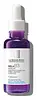
This brightening serum is formulated around Niacinamide and 2-Mercaptonicotinoyl Glycine to fade the look of dark spots and refine skin texture.
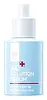
This acne serum is formulated around Salicylic Acid and Colloidal Sulfur to clear breakouts and balance excess oil.


What's inside
What's inside
 Key Ingredients
Benefits
Concerns
Ingredients Side-by-side
Water
Skin ConditioningDimethicone
Emollient

Niacinamide
Smoothing










Glycerin
Humectant
Propylene Glycol
Humectant

Polysilicone-11
Silica
Abrasive
Bis-PEG/PPG-16/16 PEG/PPG-16/16 Dimethicone
Emollient
Cystoseira Tamariscifolia Extract
Skin Conditioning
2-Mercaptonicotinoyl Glycine
Skin Conditioning
PEG-20 Methyl Glucose Sesquistearate
Emulsifying
Sodium Hyaluronate
Humectant
Sodium Hydroxide
BufferingSodium Thiosulfate
Carnosine
Skin Conditioning
Poloxamer 338
EmulsifyingAmmonium Polyacryloyldimethyl Taurate
Emulsion StabilisingDipotassium Glycyrrhizate
Humectant
Caprylic/Capric Triglyceride
Masking
Capryloyl Salicylic Acid
Exfoliating
Caprylyl Glycol
Emollient
Citric Acid
Buffering
Trisodium Ethylenediamine Disuccinate
ChelatingXanthan Gum
EmulsifyingPentylene Glycol
Skin Conditioning
Octyldodecanol
Emollient
Retinyl Palmitate
Skin Conditioning
Tocopherol
Antioxidant

Pentaerythrityl Tetra-Di-T-Butyl Hydroxyhydrocinnamate
Antioxidant
Phenoxyethanol
Preservative
CI 17200
Cosmetic ColorantParfum
Masking


Water, Dimethicone, Niacinamide, Glycerin, Propylene Glycol, Polysilicone-11, Silica, Bis-PEG/PPG-16/16 PEG/PPG-16/16 Dimethicone, Cystoseira Tamariscifolia Extract, 2-Mercaptonicotinoyl Glycine, PEG-20 Methyl Glucose Sesquistearate, Sodium Hyaluronate, Sodium Hydroxide, Sodium Thiosulfate, Carnosine, Poloxamer 338, Ammonium Polyacryloyldimethyl Taurate, Dipotassium Glycyrrhizate, Caprylic/Capric Triglyceride, Capryloyl Salicylic Acid, Caprylyl Glycol, Citric Acid, Trisodium Ethylenediamine Disuccinate, Xanthan Gum, Pentylene Glycol, Octyldodecanol, Retinyl Palmitate, Tocopherol, Pentaerythrityl Tetra-Di-T-Butyl Hydroxyhydrocinnamate, Phenoxyethanol, CI 17200, Parfum
Water
Skin ConditioningDipropylene Glycol
HumectantXylitol
Humectant
Propylene Glycol
Humectant
Alcohol
Antimicrobial

Sorbitol
Humectant
PEG/PPG-17/6 Copolymer
SolventDimethicone/Vinyl Dimethicone Crosspolymer
Skin Conditioning
Diethoxyethyl Succinate
SolventPortulaca Oleracea Extract
Skin Conditioning
PEG-60 Hydrogenated Castor Oil
Emulsifying
Polyacrylamide
Betaine
Humectant
Butylene Glycol
Humectant
Phenoxyethanol
Preservative
C13-14 Isoparaffin
Emollient
Triethanolamine
BufferingDipotassium Glycyrrhizate
Humectant
Salicylic Acid
Masking
C12-14 Pareth-12
EmulsifyingCarbomer
Emulsion StabilisingLaureth-7
EmulsifyingColloidal Sulfur
Antimicrobial
Tocopheryl Acetate
Antioxidant
Melaleuca Alternifolia Leaf Oil
Antioxidant
Zanthoxylum Piperitum Fruit Extract
Skin ConditioningPulsatilla Koreana Extract
Skin ConditioningUsnea Barbata Extract
Disodium EDTA
ChelatingParfum
Masking
Glycerin
Humectant
Propanediol
Solvent
Zingiber Officinale Root Extract
Masking
Platycodon Grandiflorus Root Extract
Antioxidant
Camellia Japonica Leaf Extract
Skin ConditioningCentella Asiatica Extract
Cleansing
Polygala Tenuifolia Root Extract
Skin ConditioningSalix Alba Bark Extract
Astringent
Phellodendron Amurense Bark Extract
Skin ConditioningCitrus Paradisi Seed Extract
Masking
Magnolia Officinalis Bark Extract
Antimicrobial
Rhus Semialata Gall Extract
Skin ConditioningCamellia Sinensis Leaf Extract
Antimicrobial
Taraxacum Officinale Rhizome/Root Extract
Skin ConditioningOryza Sativa Extract
Absorbent
Benzyl Alcohol
Perfuming
Lavandula Angustifolia Water
Masking
Borago Officinalis Extract
Emollient
Artemisia Vulgaris Extract
Skin Conditioning
Chamomilla Recutita Flower/Leaf Extract
AntimicrobialSalvia Sclarea Extract
AntiseborrhoeicHyacinthus Orientalis Extract
Skin ConditioningCentaurea Cyanus Flower Extract
Astringent
Tocopherol
Antioxidant
Ovalicin
AntimicrobialCI 42090
Cosmetic ColorantSophora Angustifolia Root Extract
Skin ConditioningMelia Azadirachta Extract
Skin ConditioningCitrus Paradisi Fruit Extract
Skin ConditioningWater, Dipropylene Glycol, Xylitol, Propylene Glycol, Alcohol, Sorbitol, PEG/PPG-17/6 Copolymer, Dimethicone/Vinyl Dimethicone Crosspolymer, Diethoxyethyl Succinate, Portulaca Oleracea Extract, PEG-60 Hydrogenated Castor Oil, Polyacrylamide, Betaine, Butylene Glycol, Phenoxyethanol, C13-14 Isoparaffin, Triethanolamine, Dipotassium Glycyrrhizate, Salicylic Acid, C12-14 Pareth-12, Carbomer, Laureth-7, Colloidal Sulfur, Tocopheryl Acetate, Melaleuca Alternifolia Leaf Oil, Zanthoxylum Piperitum Fruit Extract, Pulsatilla Koreana Extract, Usnea Barbata Extract, Disodium EDTA, Parfum, Glycerin, Propanediol, Zingiber Officinale Root Extract, Platycodon Grandiflorus Root Extract, Camellia Japonica Leaf Extract, Centella Asiatica Extract, Polygala Tenuifolia Root Extract, Salix Alba Bark Extract, Phellodendron Amurense Bark Extract, Citrus Paradisi Seed Extract, Magnolia Officinalis Bark Extract, Rhus Semialata Gall Extract, Camellia Sinensis Leaf Extract, Taraxacum Officinale Rhizome/Root Extract, Oryza Sativa Extract, Benzyl Alcohol, Lavandula Angustifolia Water, Borago Officinalis Extract, Artemisia Vulgaris Extract, Chamomilla Recutita Flower/Leaf Extract, Salvia Sclarea Extract, Hyacinthus Orientalis Extract, Centaurea Cyanus Flower Extract, Tocopherol, Ovalicin, CI 42090, Sophora Angustifolia Root Extract, Melia Azadirachta Extract, Citrus Paradisi Fruit Extract
Reviews
Ingredients Explained
These ingredients are found in both products.
Ingredients higher up in an ingredient list are typically present in a larger amount.
Dipotassium Glycyrrhizate comes from licorice root.
Extracts of licorice have demonstrated to have antibacterial, anti‐inflammatory, antiviral, antioxidant properties.
One component, glabridin, has extra potent antioxidant and soothing properties. It has also been found to block pigmentation from UVB rays in guinea pigs.
Licorice Root also contains a flavonoid. Flavonoids are a natural substance from in plants. Flavonoids also have antioxidant properties.
Another component, glycyrrhizin, has been found to have anti-inflammatory and antimicrobial benefits. This may make licorice root extract effective at treating acne. However, more research is needed to support this.
Liquiritin is one of the flavone compounds found in licorice. It has been found to help lighten skin by preventing tyrosinase from reacting with tyrosine. When the two react, protein is converted to melanin. Melanin is the substance in your body that gives your features pigmentation.
Licorice root is native to Southern Europe and Asia. It has been used in traditional Chinese medicine to help with respiratory issues.
Learn more about Dipotassium GlycyrrhizateGlycerin (or glycerol) is a compound naturally found in your skin. It's a powerhouse humectant that pulls water into the stratum corneum.
Topically, glycerin does several things at once:
Your skin makes glycerin on its own (mostly from sebaceous oil breakdown) and shuttles it to your outermost layer of skin, or your epidermis, via aquaporin-3.
Aquaporin-3 is a transporter that is essential for normal skin hydration, elasticity, and repair. Interestingly, mice lacking in AQP3 have dry and less elastic skin that can be fully corrected with glycerin.
This ingredient is non-irritating, plays well with almost every ingredient, and works across all skin types. Typical use is anywhere between 3-10% but can go up to 79% in some leave-on products.
Just know very high concentrations (>40%) can feel tacky in low humidity.
Glycerin is the name for this ingredient in American English. British English uses Glycerol/Glycerine.
Learn more about GlycerinParfum is a catch-all term for an ingredient or more that is used to give a scent to products.
Also called "fragrance", this ingredient can be a blend of hundreds of chemicals or plant oils. This means every product with "fragrance" or "parfum" in the ingredients list is a different mixture.
For instance, Habanolide is a proprietary trade name for a specific aroma chemical. When used as a fragrance ingredient in cosmetics, most aroma chemicals fall under the broad labeling category of “FRAGRANCE” or “PARFUM” according to EU and US regulations.
The term 'parfum' or 'fragrance' is not regulated in many countries. In many cases, it is up to the brand to define this term.
For instance, many brands choose to label themselves as "fragrance-free" because they are not using synthetic fragrances. However, their products may still contain ingredients such as essential oils that are considered a fragrance by INCI standards.
One example is Calendula flower extract. Calendula is an essential oil that still imparts a scent or 'fragrance'.
Depending on the blend, the ingredients in the mixture can cause allergies and sensitivities on the skin. Some ingredients that are known EU allergens include linalool and citronellol.
Parfum can also be used to mask or cover an unpleasant scent.
The bottom line is: not all fragrances/parfum/ingredients are created equally. If you are worried about fragrances, we recommend taking a closer look at an ingredient. And of course, we always recommend speaking with a professional.
Learn more about ParfumPhenoxyethanol is one of the most widely used preservatives in skincare (and for good reason!).
It has a large spectrum of antimicrobial activity and especially effective bacteria, yeast, and mold while only having a weak effect on your skin's natural microbiome.
On a cellular level, it disrupts the cell membranes of microbes by poking holes that make the cell leak. This shuts down the chemical reactions the microbe needs to make energy so it can no longer survive.
Another perk of this ingredient is that it stays functional across a wide pH range (3-10).
You'll often see it paired with boosters like Ethylhexylglycerin; one study showed that a 1:9 ratio of Ethylhexylglycerin to Phenoxyethanol damages bacterial membranes as effectively as doubling the Phenoxyethanol concentration on its own.
Typical use concentrations range from 0.3-1% depending on the formula, and this ingredient is capped at 1% int the EU.
Safety-wise, the fear mongering does not hold up to the evidence. The EU's Scientific Committee on Consumer Safety and FDA consider it safe as a preservative at up to 1%, including for children of all ages.
Adverse systemic effects only showed up in animal studies at exposures roughly 200x higher than what people get from cosmetics. And despite its very widespread use, this ingredient is a rare sensitizer and allergic reactions are uncommon.
Learn more about PhenoxyethanolPropylene Glycol is a synthetic, colorless, odorless liquid that has been a staple in cosmetics for decades. It is a skin conditioning agent, humectant, and solvent.
As a humectant, it draw water to the skin to reduce flaking and restore suppleness. It's also a solvent that helps dissolve other actives and keeps formulas stable across temperature changes.
The CIR Expert Panel has confirmed this ingredient to be nontoxic and clinical studies show no sensitization at cosmetic use concentrations.
True allergic reactions are quite rare: a 15-year retrospective study of 6,751 patients found only 0.31% had a positive reaction (and less than half were considered clinically relevant).
It seemed that when sensitization does occur, it's most commonly linked to topical medication (like corticosteroids) and not cosmetics. Allergic contact dermatitis also appears largely limited to individuals with underlying skin conditions.
Overall, propylene glycol is a well-studied ingredient that most people can tolerate without issue.
Learn more about Propylene GlycolTocopherol is a fat-soluble antioxidant known as Vitamin E.
You'll find this ingredient in the vast majority of skincare (for good reason). It works to neutralize free radicals, or unstable molecules generated by UV exposure, pollution, and other environmental stressors, before they can cause oxidative damage to your skin cells.
Topically applied tocopherol has been shown to protect against UV damage by ramping up the skin's own natural defense enzymes.
It also acts as a skin conditioning agent; some studies show that regular topical use can improve the skin's water-binding capacity over 2-4 weeks.
This ingredient is especially loved for being a team player. When combined with Vitamin C, the photoprotective effect of both ingredients roughly doubles and the combo also helps reduce UV-induced DNA damage.
This ingredient has some brightening potential but it's more of a prevention ingredient than spot-fader. Cell studies show it can slow down melanin production but it's worth noting that it's not the most powerful brightener out there.
In formulations, it also serves as a stabilizer that helps protect other oxidation-prone ingredients from degrading.
Concentrations usually range from 0.1-1% in most leave-on products.
Learn more about TocopherolWater. It's the most common cosmetic ingredient of all. You'll usually see it at the top of ingredient lists, meaning that it makes up the largest part of the product.
So why is it so popular? Water most often acts as a solvent - this means that it helps dissolve other ingredients into the formulation.
You'll also recognize water as that liquid we all need to stay alive. If you see this, drink a glass of water. Remember to stay hydrated!
Learn more about Water

