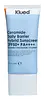
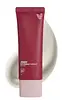
Klued Ceramide Daily Barrier Hybrid Sunscreen SPF 50+ PA++++ Versus Vice Cosmetics Invisible Shield Sun Cream SPF 50+
This hybrid sunscreen covers the full UV range and blocks ~98% of UVB at SPF 50.
This chemical sunscreen covers the full UV range and blocks ~98% of UVB at SPF 50.

What's inside
What's inside
 Key Ingredients
Benefits
Concerns
Ingredients Side-by-side
Water
Skin ConditioningIsopropyl Myristate
Emollient





Caprylic/Capric Triglyceride
Masking


Propylene Glycol
Humectant
Glycerin
Humectant
Dimethicone
Emollient
Butyl Methoxydibenzoylmethane
UV Absorber
Ethylhexyl Methoxycinnamate
UV Absorber
Titanium Dioxide
Cosmetic Colorant
Octocrylene
UV Absorber
Talc
Abrasive
Cyclopentasiloxane
Emollient
Panthenol
Skin Conditioning

Butyrospermum Parkii Butter
Skin Conditioning
Squalane
Emollient
Ceramide NP
Skin Conditioning
Pentylene Glycol
Skin Conditioning
Butylene Glycol
Humectant
Lecithin
Emollient
Phenoxyethanol
Preservative
Acrylates/C10-30 Alkyl Acrylate Crosspolymer
Emulsion StabilisingCarbomer
Emulsion StabilisingTocopheryl Acetate
Antioxidant


Xanthan Gum
EmulsifyingTriethanolamine
BufferingTetrasodium EDTA
Ethylhexylglycerin
Skin ConditioningWater, Isopropyl Myristate, Caprylic/Capric Triglyceride, Propylene Glycol, Glycerin, Dimethicone, Butyl Methoxydibenzoylmethane, Ethylhexyl Methoxycinnamate, Titanium Dioxide, Octocrylene, Talc, Cyclopentasiloxane, Panthenol, Butyrospermum Parkii Butter, Squalane, Ceramide NP, Pentylene Glycol, Butylene Glycol, Lecithin, Phenoxyethanol, Acrylates/C10-30 Alkyl Acrylate Crosspolymer, Carbomer, Tocopheryl Acetate, Xanthan Gum, Triethanolamine, Tetrasodium EDTA, Ethylhexylglycerin
Water
Skin ConditioningDibutyl Adipate
EmollientDiethylamino Hydroxybenzoyl Hexyl Benzoate
UV Filter
Propanediol
Solvent
Ethylhexyl Triazone
UV Absorber
Niacinamide
Smoothing





Methylene Bis-Benzotriazolyl Tetramethylbutylphenol
UV Filter
Caprylyl Methicone
Skin Conditioning
Coco-Caprylate/Caprate
Emollient
Polymethylsilsesquioxane
1,2-Hexanediol
Skin Conditioning
Bis-Ethylhexyloxyphenol Methoxyphenyl Triazine
UV Absorber
Diethylhexyl Butamido Triazone
UV Absorber
Sodium Stearoyl Glutamate
CleansingSilica
Abrasive
Poly C10-30 Alkyl Acrylate
Emulsion StabilisingCopernicia Cerifera Wax
Acrylates/C10-30 Alkyl Acrylate Crosspolymer
Emulsion StabilisingDecyl Glucoside
Cleansing
Tromethamine
BufferingBehenyl Alcohol
Emollient
Polyglyceryl-3 Methylglucose Distearate
Emulsifying
Sodium Acrylate/Sodium Acryloyldimethyl Taurate Copolymer
Emulsion StabilisingHydrogenated Poly(C6-14 Olefin)
EmollientPotassium Glycyrrhizinate
Skin ConditioningSodium Polyacryloyldimethyl Taurate
Emulsion StabilisingBetaine
Humectant
Polyacrylate Crosspolymer-6
Emulsion StabilisingEthylhexylglycerin
Skin ConditioningAdenosine
Skin Conditioning
Glycerin
Humectant
Oryza Sativa Bran Wax
Skin Conditioning
Lauryl Glucoside
CleansingXanthan Gum
EmulsifyingAllantoin
Skin Conditioning
Tocopheryl Acetate
Antioxidant
Panthenol
Skin Conditioning
Butylene Glycol
Humectant
Olea Europaea Fruit Oil
Masking

Avena Sativa Meal Extract
SoothingHydrogenated Lecithin
Emulsifying
Centella Asiatica Extract
Cleansing
Ceramide Ns
Skin Conditioning
Ceramide NP
Skin Conditioning
Aloe Barbadensis Leaf Extract
Emollient
Sodium Hyaluronate
Humectant
Ceramide AP
Skin Conditioning
Ceramide EOP
Skin Conditioning
Hyaluronic Acid
Humectant
Water, Dibutyl Adipate, Diethylamino Hydroxybenzoyl Hexyl Benzoate, Propanediol, Ethylhexyl Triazone, Niacinamide, Methylene Bis-Benzotriazolyl Tetramethylbutylphenol, Caprylyl Methicone, Coco-Caprylate/Caprate, Polymethylsilsesquioxane, 1,2-Hexanediol, Bis-Ethylhexyloxyphenol Methoxyphenyl Triazine, Diethylhexyl Butamido Triazone, Sodium Stearoyl Glutamate, Silica, Poly C10-30 Alkyl Acrylate, Copernicia Cerifera Wax, Acrylates/C10-30 Alkyl Acrylate Crosspolymer, Decyl Glucoside, Tromethamine, Behenyl Alcohol, Polyglyceryl-3 Methylglucose Distearate, Sodium Acrylate/Sodium Acryloyldimethyl Taurate Copolymer, Hydrogenated Poly(C6-14 Olefin), Potassium Glycyrrhizinate, Sodium Polyacryloyldimethyl Taurate, Betaine, Polyacrylate Crosspolymer-6, Ethylhexylglycerin, Adenosine, Glycerin, Oryza Sativa Bran Wax, Lauryl Glucoside, Xanthan Gum, Allantoin, Tocopheryl Acetate, Panthenol, Butylene Glycol, Olea Europaea Fruit Oil, Avena Sativa Meal Extract, Hydrogenated Lecithin, Centella Asiatica Extract, Ceramide Ns, Ceramide NP, Aloe Barbadensis Leaf Extract, Sodium Hyaluronate, Ceramide AP, Ceramide EOP, Hyaluronic Acid
Reviews
Ingredients Explained
These ingredients are found in both products.
Ingredients higher up in an ingredient list are typically present in a larger amount.
Acrylates/C10-30 Alkyl Acrylate Crosspolymer is a synthetic polymer. It is used to thicken, emulsify, and improve the texture of products.
As an emulsifier, it helps stabilize oil-in-water emulsions to give products an elegant feel when applied.
It can also form a thin protective film on skin. One study found that a formula using this polymer helped slow down how quickly other ingredients (like DEET) were absorbed through skin.
A 2024 study of over 1,300 patients confirmed that sensitization to this ingredient is rare. It is also non-mutagenic and has a clean track record.
Learn more about Acrylates/C10-30 Alkyl Acrylate CrosspolymerButylene Glycol (or BG) is used within cosmetic products for a few different reasons:
Overall, Butylene Glycol is a safe and well-rounded ingredient that works well with other ingredients.
Though this ingredient works well with most skin types, some people with sensitive skin may experience a reaction such as allergic rashes, closed comedones, or itchiness.
Learn more about Butylene GlycolCeramide NP (formerly known as Ceramide 3) is one of the skin's naturally occurring lipids.
Since ceramides are the major lipid components of the skin, they are crucial for maintaining skin barrier and hydration. Ceramide NP most closely mirrors the dominant kind in human skin amongst ceramide subtypes.
This ceramide works by slotting into gaps within the stratum corneum's lipid matrix to limit trans-epidermal water loss (TEWL) and shield the skin against external irritants.
A study with 312 patients found that using a ceramide-containing routine for 4 weeks reduced the severity of atopic dermatitis by over 61%.
Another clinical study in subjects aged 60 and older found that a ceramide body wash and moisturizer improved skin dryness and itchy skin in 15 days.
Overall, ceramides are considered non-irritating and safety tests have found little to no observable adverse effects from using this ingredient.
Ceramide NP is usually sourced from plants (like soybean or rice bran), or produced synthetically.
Learn more about Ceramide NPEthylhexylglycerin is created from glycerin. It is a multitasker ingredient that:
The CIR Expert Panel found minimal skin absorption or sensitization of any kind in a safety assessment. Though this ingredient is considered well-tolerated, a small number of cases of allergic dermatitis have been published since 2002. Just be sure to patch test if you are unsure.
Industry-reported use ranges from 8% in rinse-off products and 2% in leave-on formulations.
Learn more about EthylhexylglycerinGlycerin (or glycerol) is a compound naturally found in your skin. It's a powerhouse humectant that pulls water into the stratum corneum.
Topically, glycerin does several things at once:
Your skin makes glycerin on its own (mostly from sebaceous oil breakdown) and shuttles it to your outermost layer of skin, or your epidermis, via aquaporin-3.
Aquaporin-3 is a transporter that is essential for normal skin hydration, elasticity, and repair. Interestingly, mice lacking in AQP3 have dry and less elastic skin that can be fully corrected with glycerin.
This ingredient is non-irritating, plays well with almost every ingredient, and works across all skin types. Typical use is anywhere between 3-10% but can go up to 79% in some leave-on products.
Just know very high concentrations (>40%) can feel tacky in low humidity.
Glycerin is the name for this ingredient in American English. British English uses Glycerol/Glycerine.
Learn more about GlycerinPanthenol is a common ingredient that helps hydrate and soothe the skin. It is found naturally in our skin and hair.
There are two forms of panthenol: D and L.
D-panthenol is also known as dexpanthenol. Most cosmetics use dexpanthenol or a mixture of D and L-panthenol.
Panthenol is famous due to its ability to go deeper into the skin's layers. Using this ingredient has numerous pros (and no cons):
Like hyaluronic acid, panthenol is a humectant. Humectants are able to bind and hold large amounts of water to keep skin hydrated.
This ingredient works well for wound healing. It works by increasing tissue in the wound and helps close open wounds.
Once oxidized, panthenol converts to pantothenic acid. Panthothenic acid is found in all living cells.
This ingredient is also referred to as pro-vitamin B5.
Learn more about PanthenolTocopheryl Acetate is a stable, shelf-friendly form of vitamin E.
Formulators love it because plain vitamin E oxidizes quickly once it hits air. This acetate version stays stable and resists going off, helping to extend a product's shelf life.
It's actually inactive on its own and works like a slow-release "storage" form; the enzymes in your skin called esterases gradually convert it into active vitamin E over time.
One in vivo study showed 5% of the acetate in the living layer of the epidermis converted to vitamin E after 5 days of application. This study also found the skin gained protection against UV damage even though the conversion was slow and small.
Once converted, vitamin E acts as a skin's main fat-soluble antioxidant that fights free radicals to protect skin from damage.
Topical vitamin E generally boosts the skin's photoprotection, and it reduced UV-damage in animal models.
This ingredient has some brightening potential but it's more of a prevention ingredient than spot-fader. Cell studies show it can slow down melanin production but it's worth noting that it's not the most powerful brightener out there.
Overall, it has a pretty solid safety profile and has been found to be non-irritating and non-comedogenic. Allergic reactions may happen but stay rare due to how widely the ingredient gets used.
The concentration will vary depending on the formula; industry data shows 0.1% in baby lotions, 3% in lipsticks, and 5% in foot powders. You can also find this ingredient at 100% in a pure vitamin E oil.
Most leave-on skincare keeps it at the lower end, often between 0.5-1%.
Learn more about Tocopheryl AcetateWater. It's the most common cosmetic ingredient of all. You'll usually see it at the top of ingredient lists, meaning that it makes up the largest part of the product.
So why is it so popular? Water most often acts as a solvent - this means that it helps dissolve other ingredients into the formulation.
You'll also recognize water as that liquid we all need to stay alive. If you see this, drink a glass of water. Remember to stay hydrated!
Learn more about WaterXanthan gum is used as a stabilizer and thickener within cosmetic products. It helps give products a sticky, thick feeling - preventing them from being too runny.
On the technical side of things, xanthan gum is a polysaccharide - a combination consisting of multiple sugar molecules bonded together.
Xanthan gum is a pretty common and great ingredient. It is a natural, non-toxic, non-irritating ingredient that is also commonly used in food products.
Learn more about Xanthan Gum

