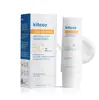
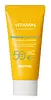
Kitcoz Daily Defense Lightweight Fluid Sunscreen SPF 50+ PA++++ Versus MEDI-PEEL Vitamin Dr. Essence Sun Cream SPF50 PA++++
This hybrid sunscreen covers the full UV range and blocks ~98% of UVB at SPF 50.
This chemical sunscreen covers the full UV range and blocks ~98% of UVB at SPF 50.


What's inside
What's inside
 Key Ingredients
Benefits
Concerns
Ingredients Side-by-side
Bis-Ethylhexyloxyphenol Methoxyphenyl Triazine
UV Absorber
Tris-Biphenyl Triazine
UV Absorber
Diethylamino Hydroxybenzoyl Hexyl Benzoate
UV Filter
Ethylhexyl Triazone
UV Absorber
Zinc Oxide
Cosmetic Colorant

Titanium Dioxide
Cosmetic Colorant
Ascorbic Acid
Antioxidant






Tocopherol
Antioxidant



Camellia Sinensis Leaf Extract
Antimicrobial

Vaccinium Angustifolium Fruit Extract
Skin Protecting
Niacinamide
Smoothing

Caesalpinia Spinosa Fruit Pod Extract
Propylene Glycol
Humectant

Helianthus Annuus Sprout Extract
Skin ConditioningSodium Benzoate
Masking
Phenoxyethanol
Preservative
Water
Skin ConditioningHyaluronic Acid
Humectant
Allantoin
Skin Conditioning
Glycerin
Humectant
Sodium Acrylates Copolymer
Lecithin
Emollient
Phospholipids
Skin Conditioning
Butylene Glycol
Humectant
EDTA
ChelatingPEG-40 Hydrogenated Castor Oil
Emulsifying

Ethylhexylglycerin
Skin ConditioningBis-Ethylhexyloxyphenol Methoxyphenyl Triazine, Tris-Biphenyl Triazine, Diethylamino Hydroxybenzoyl Hexyl Benzoate, Ethylhexyl Triazone, Zinc Oxide, Titanium Dioxide, Ascorbic Acid, Tocopherol, Camellia Sinensis Leaf Extract, Vaccinium Angustifolium Fruit Extract, Niacinamide, Caesalpinia Spinosa Fruit Pod Extract, Propylene Glycol, Helianthus Annuus Sprout Extract, Sodium Benzoate, Phenoxyethanol, Water, Hyaluronic Acid, Allantoin, Glycerin, Sodium Acrylates Copolymer, Lecithin, Phospholipids, Butylene Glycol, EDTA, PEG-40 Hydrogenated Castor Oil, Ethylhexylglycerin
Water
Skin ConditioningEthylhexyl Methoxycinnamate
UV Absorber
Diethylhexyl 2,6-Naphthalate
EmollientDipropylene Glycol
HumectantOctocrylene
UV Absorber
Bis-Ethylhexyloxyphenol Methoxyphenyl Triazine
UV Absorber
Ethylhexyl Salicylate
UV Absorber
Butyl Methoxydibenzoylmethane
UV Absorber
Niacinamide
Smoothing
Diethylamino Hydroxybenzoyl Hexyl Benzoate
UV Filter
1,2-Hexanediol
Skin Conditioning
Panthenol
Skin Conditioning
Citrus Unshiu Peel Extract
MaskingCitrus Unshiu Fruit Extract
Antioxidant
Prunus Mume Fruit Extract
Humectant
Pyrus Malus Fruit Extract
Skin Conditioning
Citrus Medica Vulgaris Fruit Extract
Antioxidant
Actinidia Chinensis Fruit Extract
EmollientCitrus Aurantifolia Fruit Extract
Skin ConditioningTerminalia Ferdinandiana Fruit Extract
Antioxidant
Xylitylglucoside
Humectant
Anhydroxylitol
Humectant
Xylitol
Humectant
Ulmus Davidiana Root Extract
Skin Conditioning
Aloe Barbadensis Leaf Extract
Emollient
Dioscorea Japonica Root Extract
Skin Conditioning
Laminaria Japonica Extract
Skin Protecting
Viola Mandshurica Flower Extract
Antioxidant
Allantoin
Skin Conditioning
Adenosine
Skin Conditioning
Glycerin
Humectant
Propanediol
Solvent
Dipotassium Glycyrrhizate
Humectant
Tocopheryl Acetate
Antioxidant
Ectoin
Skin Conditioning
Sodium Guaiazulene Sulfonate
SurfactantHydrolyzed Glycosaminoglycans
HumectantSodium Hyaluronate
Humectant
Sodium Hyaluronate Crosspolymer
Humectant
Hydrolyzed Hyaluronic Acid
Humectant
Hydroxypropyltrimonium Hyaluronate
Hyaluronic Acid
Humectant
Sodium Acetylated Hyaluronate
Humectant
Ceramide NP
Skin Conditioning
Palmitoyl Tripeptide-5
Skin Conditioning
Solanum Lycopersicum Fruit Extract
Antioxidant
Biotin
AntiseborrhoeicAscorbic Acid
Antioxidant
Cyanocobalamin
Skin ConditioningPyridoxine Hcl
Skin ConditioningGlucose
Humectant
Octyldodecanol
Emollient
Glycyrrhiza Glabra Root Extract
Bleaching
Sesamum Indicum Seed Extract
Skin Conditioning
Angelica Gigas Root Extract
Skin ConditioningMorus Alba Bark Extract
Skin ConditioningPhellinus Linteus Extract
Skin ConditioningPaeonia Lactiflora Root Extract
Skin ConditioningPolygonum Multiflorum Root Extract
Skin ConditioningScutellaria Baicalensis Root Extract
Astringent
Sophora Flavescens Root Extract
Antioxidant
Cimicifuga Racemosa Root Extract
Antimicrobial
Hydrogenated Lecithin
Emulsifying
Lecithin
Emollient
Raspberry Ketone
Masking

Carbomer
Emulsion StabilisingAcrylates/C10-30 Alkyl Acrylate Crosspolymer
Emulsion StabilisingTromethamine
BufferingSodium Acrylates Copolymer
Butylene Glycol
Humectant
Disodium EDTA
ChelatingCaprylyl Glycol
Emollient
Benzyl Glycol
SolventHydroxyacetophenone
Antioxidant
Ethylhexylglycerin
Skin ConditioningCymbopogon Schoenanthus Oil
Masking
Citral
Perfuming
Geraniol
Perfuming
Linalool
Perfuming
Water, Ethylhexyl Methoxycinnamate, Diethylhexyl 2,6-Naphthalate, Dipropylene Glycol, Octocrylene, Bis-Ethylhexyloxyphenol Methoxyphenyl Triazine, Ethylhexyl Salicylate, Butyl Methoxydibenzoylmethane, Niacinamide, Diethylamino Hydroxybenzoyl Hexyl Benzoate, 1,2-Hexanediol, Panthenol, Citrus Unshiu Peel Extract, Citrus Unshiu Fruit Extract, Prunus Mume Fruit Extract, Pyrus Malus Fruit Extract, Citrus Medica Vulgaris Fruit Extract, Actinidia Chinensis Fruit Extract, Citrus Aurantifolia Fruit Extract, Terminalia Ferdinandiana Fruit Extract, Xylitylglucoside, Anhydroxylitol, Xylitol, Ulmus Davidiana Root Extract, Aloe Barbadensis Leaf Extract, Dioscorea Japonica Root Extract, Laminaria Japonica Extract, Viola Mandshurica Flower Extract, Allantoin, Adenosine, Glycerin, Propanediol, Dipotassium Glycyrrhizate, Tocopheryl Acetate, Ectoin, Sodium Guaiazulene Sulfonate, Hydrolyzed Glycosaminoglycans, Sodium Hyaluronate, Sodium Hyaluronate Crosspolymer, Hydrolyzed Hyaluronic Acid, Hydroxypropyltrimonium Hyaluronate, Hyaluronic Acid, Sodium Acetylated Hyaluronate, Ceramide NP, Palmitoyl Tripeptide-5, Solanum Lycopersicum Fruit Extract, Biotin, Ascorbic Acid, Cyanocobalamin, Pyridoxine Hcl, Glucose, Octyldodecanol, Glycyrrhiza Glabra Root Extract, Sesamum Indicum Seed Extract, Angelica Gigas Root Extract, Morus Alba Bark Extract, Phellinus Linteus Extract, Paeonia Lactiflora Root Extract, Polygonum Multiflorum Root Extract, Scutellaria Baicalensis Root Extract, Sophora Flavescens Root Extract, Cimicifuga Racemosa Root Extract, Hydrogenated Lecithin, Lecithin, Raspberry Ketone, Carbomer, Acrylates/C10-30 Alkyl Acrylate Crosspolymer, Tromethamine, Sodium Acrylates Copolymer, Butylene Glycol, Disodium EDTA, Caprylyl Glycol, Benzyl Glycol, Hydroxyacetophenone, Ethylhexylglycerin, Cymbopogon Schoenanthus Oil, Citral, Geraniol, Linalool
Ingredients Explained
These ingredients are found in both products.
Ingredients higher up in an ingredient list are typically present in a larger amount.
Allantoin is a soothing ingredient known for its protective and moisturizing properties; it's basically a quiet workhorse ingredient you can find in a huge range of cosmetics.
Though it can be derived from the comfrey plant, allantoin is produced synthetically for cosmetic products to ensure purity.
Research shows it can encourage your skin cells to turn over and renew by stimulating keratinocyte and fibroblast proliferation.
It also has mild keratolytic properties to help loosen and shed dead skin cells without being harsh.
Studies also suggest allantoin can help calm inflammation by dialing down some of the chemical signals your skin sends out when it is irritated.
This ingredient is typically used in the 0.1-0.5% range, and the FDA recognizes it as a skin protectant in OTC products up to 2%.
Overall, allantoin is a wonderful addition to most routines; it is stable across a wide pH range (~4-8), works well with other ingredients, and is considered non-sensitizing/non-irritating.
Fun fact: Allantoin is naturally occurring in comfrey root, beets, chamomile, and wheat sprouts. Our bodies even produce it as a byproduct of uric acid metabolism.
Learn more about AllantoinAscorbic Acid is is pure Vitamin C and is the biologically active form used directly by skin.
Not only is vitamin C great for your overall health and immune system, but it also has plenty of benefits for your skin. It is best supported by academic literature for:
Topical vitamin C has been shown to help neutralize oxidative stress from UV and pollution, helping to improve photoaging and hyperpigmentation when used consistently.
One clinical study found that using 5% topical vitamin C for six months improved signs of photodamaged skin, both on the surface and in the deeper structural layers of the skin.
While vitamin C doesn’t replace sunscreen, studies show it can boost photoprotection when combined with Vitamin E and ferulic acid. These two ingredients help improve stability and protective effects.
The big downside of this ingredient is formulation difficulty. Vitamin C is prone to oxidation and doesn't penetrate the skin unless formulated correctly. Research found that vitamin C absorbs into the skin best at a low pH (< 3.5) with about 20% being the upper limit for effective absorption.
Skin levels can saturate after repeated application; this means your skin won’t keep absorbing more once it’s full of vitamin C. This is why more isn’t always better with vitamin C and why very high concentrations don’t necessarily give extra benefits.
Ascorbic acid generally works well with many skincare ingredients but can be irritating when combined with other active ingredients. Strong oxidizing acne treatments like benzoyl peroxide can reduce the effectiveness of vitamin C if they are used at the same time; they are often recommended for use at different times of day.
Read more about other types of Vitamin C:
Foods rich with vitamin C include oranges, strawberries, broccoli, bell peppers, and more. When consuming Vitamin C, your skin receives a portion of the nutrients.
Learn more about Ascorbic AcidThis ingredient is better known as bemotrizinol or Tinosorb S and is one of the best broad-spectrum UV filters in modern sunscreen.
It works by absorbing UV light across a whole range (280-400 nm) with peaks around 310 nm (UVB) and 340-345 nm (UVA). This means it covers UVB plus the deeper UVA wavelengths that drive photoaging and pigmentation.
Another pro?
It's exceptionally photostable, barely degrades in sunlight, and acts as a "bodyguard" for less stable filters.
That's why you'll see it paired with avobenzone or octinoxate; this team up ensures they keep working through sun exposure.
Safety reviews have been reassuring across the board. This ingredient shows low absorption through the skin, rarely irritates, and lab studies found it doesn't act like a hormone in the body (a concern that's been raised about some older sunscreen filters).
On maximum concentrations:
In 2026, the US F.D.A finally added it as an OTC sunscreen ingredient at concentrations up to 6% for adults / children 6 months and older
Learn more about Bis-Ethylhexyloxyphenol Methoxyphenyl TriazineButylene Glycol (or BG) is used within cosmetic products for a few different reasons:
Overall, Butylene Glycol is a safe and well-rounded ingredient that works well with other ingredients.
Though this ingredient works well with most skin types, some people with sensitive skin may experience a reaction such as allergic rashes, closed comedones, or itchiness.
Learn more about Butylene GlycolDiethylamino Hydroxybenzoyl Hexyl Benzoate (DHHB) is a chemical UV-A absorber. It is formulated for high UVA protection (320-400 nm).
DHHB is well-liked for:
DHHB has been approved by the EU, Japan, Taiwan, and South America for use up to 10%. Unfortunately, it has not been approved for use in the US or Canada due to slow regulatory processes.
This ingredient is soluble in oils, fats, and lipids.
Learn more about Diethylamino Hydroxybenzoyl Hexyl BenzoateEthylhexylglycerin is created from glycerin. It is a multitasker ingredient that:
The CIR Expert Panel found minimal skin absorption or sensitization of any kind in a safety assessment. Though this ingredient is considered well-tolerated, a small number of cases of allergic dermatitis have been published since 2002. Just be sure to patch test if you are unsure.
Industry-reported use ranges from 8% in rinse-off products and 2% in leave-on formulations.
Learn more about EthylhexylglycerinGlycerin (or glycerol) is a compound naturally found in your skin. It's a powerhouse humectant that pulls water into the stratum corneum.
Topically, glycerin does several things at once:
Your skin makes glycerin on its own (mostly from sebaceous oil breakdown) and shuttles it to your outermost layer of skin, or your epidermis, via aquaporin-3.
Aquaporin-3 is a transporter that is essential for normal skin hydration, elasticity, and repair. Interestingly, mice lacking in AQP3 have dry and less elastic skin that can be fully corrected with glycerin.
This ingredient is non-irritating, plays well with almost every ingredient, and works across all skin types. Typical use is anywhere between 3-10% but can go up to 79% in some leave-on products.
Just know very high concentrations (>40%) can feel tacky in low humidity.
Glycerin is the name for this ingredient in American English. British English uses Glycerol/Glycerine.
Learn more about GlycerinHyaluronic acid (HA) is a glycosaminoglycan (basically a long sugar chain) that your skin already makes on its own. In your skin, HA lives in the extracellular matrix and acts as the body's moisture reservoir.
Topically, HA is a humectant that binds water and helps skin look more plump, smooth, and hydrated.
The only catch is that HA isn't a single thing; it actually comes in a wide range of molecular weights (~50 - 2,000+ kDA) and size matters.
Some clinical evidence links low molecular weight versions to improved wrinkle depth, elasticity, anti-inflammatory effects, and barrier repair.
This is why the best HA serums blend the two sizes together so you get the best of both worlds.
The majority of cosmetic HA is produced by bacterial fermentation, typically using Streptococcus or Bacillus strains. Typical use levels in skincare sit around 0.1-2%.
A clinical study using a 0.2% low-molecular weight HA gel showed improvement in facial seborrheic dermatitis with excellent tolerance.
These are some other common types of Hyaluronic Acid:
Learn more about Hyaluronic AcidLecithin is a term for a group of substances found in the cell membranes of plants, animals, and humans. They are made up of phospholipids.
Thanks to its amphiphilic structure (water-loving head and oil-loving tail), it is a true multitasker:
It plays well with most ingredients and is typically used at 0.1-1%. However, concentrations up to 50% have been reported in moisturizers.
Learn more about LecithinNiacinamide is a multitasking form of vitamin B3 that strengthens the skin barrier, reduces pores and dark spots, regulates oil, and improves signs of aging.
And the best part? It's gentle and well-tolerated by most skin types, including sensitive and reactive skin.
You might have heard of "niacin flush", or the reddening of skin that causes itchiness. Niacinamide has not been found to cause this.
In very rare cases, some individuals may not be able to tolerate niacinamide at all or experience an allergic reaction to it.
If you are experiencing flaking, irritation, and dryness with this ingredient, be sure to double check all your products as this ingredient can be found in all categories of skincare.
When incorporating niacinamide into your routine, look out for concentration amounts. Typically, 5% niacinamide provides benefits such as fading dark spots. However, if you have sensitive skin, it is better to begin with a smaller concentration.
When you apply niacinamide to your skin, your body converts it into nicotinamide adenine dinucleotide (NAD). NAD is an essential coenzyme that is already found in your cells as "fuel" and powers countless biological processes.
In your skin, NAD helps repair cell damage, produce new healthy cells, support collagen production, strengthen the skin barrier, and fight environmental stressors (like UV and pollution).
Our natural NAD levels start to decline with age, leading to slower skin repair, visible aging, and a weaker skin barrier. By providing your skin niacinamide, you're recharging your skin's NAD levels. This leads to stronger, healthier, and younger looking skin.
Another name for vitamin B3 is nicotinamide. This vitamin is water-soluble and our bodies don't store it. We obtain Vitamin B3 from either food or skincare. Meat, fish, wheat, yeast, and leafy greens contain vitamin B3.
The type of niacinamide used in skincare is synthetically created.
Learn more about NiacinamideThis ingredient is a synthetic, salt form polymer built from acrylic acid, ethacrylic acid, or their simple esters. It works as a binder, film former, and viscosity increasing agent.
Typical concentrations start at around 0.5% but can go up to 25% for film-forming or binding.
The CIR Expert Panel assessed the safety of 126 acrylates copolymers and concluded they are safe in cosmetics at current use levels when formulated to be non-irritating. They also noted the levels present in finished cosmetic products are not considered a safety risk and Genotoxicity testing (Ames tests, chromosomal aberration assays) has come back negative across the board.
Though the raw building blocks (like acrylic acid) can be irritating on their own, cosmetic-grade versions go through purification to keep levels extremely low.
Sodium Acrylates Copolymer is a large molecule that doesn't penetrate skin barrier in any meaningful way.
Learn more about Sodium Acrylates CopolymerWater. It's the most common cosmetic ingredient of all. You'll usually see it at the top of ingredient lists, meaning that it makes up the largest part of the product.
So why is it so popular? Water most often acts as a solvent - this means that it helps dissolve other ingredients into the formulation.
You'll also recognize water as that liquid we all need to stay alive. If you see this, drink a glass of water. Remember to stay hydrated!
Learn more about Water

