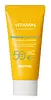
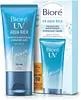
MEDI-PEEL Vitamin Dr. Essence Sun Cream SPF50 PA++++ Versus Biore UV Aqua Rich Weightless Moisturizer SPF 50
This chemical sunscreen covers the full UV range and blocks ~98% of UVB at SPF 50.
This chemical sunscreen covers most of the UV range, lighter on the deep UVA that drives aging.


What's inside
What's inside
 Key Ingredients
Benefits
Concerns
Ingredients Side-by-side
Water
Skin ConditioningEthylhexyl Methoxycinnamate
UV Absorber


Diethylhexyl 2,6-Naphthalate
EmollientDipropylene Glycol
HumectantOctocrylene
UV Absorber
Bis-Ethylhexyloxyphenol Methoxyphenyl Triazine
UV Absorber
Ethylhexyl Salicylate
UV Absorber
Butyl Methoxydibenzoylmethane
UV Absorber
Niacinamide
Smoothing











Diethylamino Hydroxybenzoyl Hexyl Benzoate
UV Filter
1,2-Hexanediol
Skin Conditioning
Panthenol
Skin Conditioning
Citrus Unshiu Peel Extract
MaskingCitrus Unshiu Fruit Extract
Antioxidant
Prunus Mume Fruit Extract
Humectant
Pyrus Malus Fruit Extract
Skin Conditioning
Citrus Medica Vulgaris Fruit Extract
Antioxidant
Actinidia Chinensis Fruit Extract
EmollientCitrus Aurantifolia Fruit Extract
Skin ConditioningTerminalia Ferdinandiana Fruit Extract
Antioxidant
Xylitylglucoside
Humectant
Anhydroxylitol
Humectant
Xylitol
Humectant
Ulmus Davidiana Root Extract
Skin Conditioning
Aloe Barbadensis Leaf Extract
Emollient
Dioscorea Japonica Root Extract
Skin Conditioning
Laminaria Japonica Extract
Skin Protecting
Viola Mandshurica Flower Extract
Antioxidant
Allantoin
Skin Conditioning
Adenosine
Skin Conditioning
Glycerin
Humectant
Propanediol
Solvent
Dipotassium Glycyrrhizate
Humectant
Tocopheryl Acetate
Antioxidant
Ectoin
Skin Conditioning
Sodium Guaiazulene Sulfonate
SurfactantHydrolyzed Glycosaminoglycans
HumectantSodium Hyaluronate
Humectant
Sodium Hyaluronate Crosspolymer
Humectant
Hydrolyzed Hyaluronic Acid
Humectant
Hydroxypropyltrimonium Hyaluronate
Hyaluronic Acid
Humectant
Sodium Acetylated Hyaluronate
Humectant
Ceramide NP
Skin Conditioning
Palmitoyl Tripeptide-5
Skin Conditioning
Solanum Lycopersicum Fruit Extract
Antioxidant
Biotin
AntiseborrhoeicAscorbic Acid
Antioxidant
Cyanocobalamin
Skin ConditioningPyridoxine Hcl
Skin ConditioningGlucose
Humectant
Octyldodecanol
Emollient
Glycyrrhiza Glabra Root Extract
Bleaching
Sesamum Indicum Seed Extract
Skin Conditioning
Angelica Gigas Root Extract
Skin ConditioningMorus Alba Bark Extract
Skin ConditioningPhellinus Linteus Extract
Skin ConditioningPaeonia Lactiflora Root Extract
Skin ConditioningPolygonum Multiflorum Root Extract
Skin ConditioningScutellaria Baicalensis Root Extract
Astringent
Sophora Flavescens Root Extract
Antioxidant
Cimicifuga Racemosa Root Extract
Antimicrobial
Hydrogenated Lecithin
Emulsifying
Lecithin
Emollient
Raspberry Ketone
Masking

Carbomer
Emulsion StabilisingAcrylates/C10-30 Alkyl Acrylate Crosspolymer
Emulsion StabilisingTromethamine
BufferingSodium Acrylates Copolymer
Butylene Glycol
Humectant
Disodium EDTA
ChelatingCaprylyl Glycol
Emollient
Benzyl Glycol
SolventHydroxyacetophenone
Antioxidant
Ethylhexylglycerin
Skin ConditioningCymbopogon Schoenanthus Oil
Masking

Citral
Perfuming
Geraniol
Perfuming
Linalool
Perfuming
Water, Ethylhexyl Methoxycinnamate, Diethylhexyl 2,6-Naphthalate, Dipropylene Glycol, Octocrylene, Bis-Ethylhexyloxyphenol Methoxyphenyl Triazine, Ethylhexyl Salicylate, Butyl Methoxydibenzoylmethane, Niacinamide, Diethylamino Hydroxybenzoyl Hexyl Benzoate, 1,2-Hexanediol, Panthenol, Citrus Unshiu Peel Extract, Citrus Unshiu Fruit Extract, Prunus Mume Fruit Extract, Pyrus Malus Fruit Extract, Citrus Medica Vulgaris Fruit Extract, Actinidia Chinensis Fruit Extract, Citrus Aurantifolia Fruit Extract, Terminalia Ferdinandiana Fruit Extract, Xylitylglucoside, Anhydroxylitol, Xylitol, Ulmus Davidiana Root Extract, Aloe Barbadensis Leaf Extract, Dioscorea Japonica Root Extract, Laminaria Japonica Extract, Viola Mandshurica Flower Extract, Allantoin, Adenosine, Glycerin, Propanediol, Dipotassium Glycyrrhizate, Tocopheryl Acetate, Ectoin, Sodium Guaiazulene Sulfonate, Hydrolyzed Glycosaminoglycans, Sodium Hyaluronate, Sodium Hyaluronate Crosspolymer, Hydrolyzed Hyaluronic Acid, Hydroxypropyltrimonium Hyaluronate, Hyaluronic Acid, Sodium Acetylated Hyaluronate, Ceramide NP, Palmitoyl Tripeptide-5, Solanum Lycopersicum Fruit Extract, Biotin, Ascorbic Acid, Cyanocobalamin, Pyridoxine Hcl, Glucose, Octyldodecanol, Glycyrrhiza Glabra Root Extract, Sesamum Indicum Seed Extract, Angelica Gigas Root Extract, Morus Alba Bark Extract, Phellinus Linteus Extract, Paeonia Lactiflora Root Extract, Polygonum Multiflorum Root Extract, Scutellaria Baicalensis Root Extract, Sophora Flavescens Root Extract, Cimicifuga Racemosa Root Extract, Hydrogenated Lecithin, Lecithin, Raspberry Ketone, Carbomer, Acrylates/C10-30 Alkyl Acrylate Crosspolymer, Tromethamine, Sodium Acrylates Copolymer, Butylene Glycol, Disodium EDTA, Caprylyl Glycol, Benzyl Glycol, Hydroxyacetophenone, Ethylhexylglycerin, Cymbopogon Schoenanthus Oil, Citral, Geraniol, Linalool
Butyl Methoxydibenzoylmethane 3%
UV Absorber
Homosalate 10%
Skin Conditioning
Ethylhexyl Salicylate 5%
UV Absorber
Octocrylene 5%
UV Absorber
Water
Skin ConditioningAlcohol Denat.
Antimicrobial

Lauryl Methacrylate/Sodium Methacrylate Crosspolymer
Diethylhexyl 2,6-Naphthalate
EmollientGlycerin
Humectant
Dextrin Palmitate
Emulsifying
Dicaprylyl Ether
Emollient
Phenoxyethanol
Preservative
Acrylates/C10-30 Alkyl Acrylate Crosspolymer
Emulsion StabilisingGlyceryl Behenate
Emollient
Phenyl Trimethicone
Skin Conditioning
Parfum
Masking
Cetyl Alcohol
Emollient
Sorbitan Distearate
EmollientLimonene
Perfuming
Sodium Hydroxide
BufferingStearoyl Glutamic Acid
CleansingArginine
Masking
Linalool
Perfuming
Geraniol
Perfuming
Disodium EDTA
ChelatingCitral
Perfuming
Sodium Hyaluronate
Humectant
Butyl Methoxydibenzoylmethane 3%, Homosalate 10%, Ethylhexyl Salicylate 5%, Octocrylene 5%, Water, Alcohol Denat., Lauryl Methacrylate/Sodium Methacrylate Crosspolymer, Diethylhexyl 2,6-Naphthalate, Glycerin, Dextrin Palmitate, Dicaprylyl Ether, Phenoxyethanol, Acrylates/C10-30 Alkyl Acrylate Crosspolymer, Glyceryl Behenate, Phenyl Trimethicone, Parfum, Cetyl Alcohol, Sorbitan Distearate, Limonene, Sodium Hydroxide, Stearoyl Glutamic Acid, Arginine, Linalool, Geraniol, Disodium EDTA, Citral, Sodium Hyaluronate
Reviews
Ingredients Explained
These ingredients are found in both products.
Ingredients higher up in an ingredient list are typically present in a larger amount.
Acrylates/C10-30 Alkyl Acrylate Crosspolymer is a synthetic polymer. It is used to thicken, emulsify, and improve the texture of products.
As an emulsifier, it helps stabilize oil-in-water emulsions to give products an elegant feel when applied.
It can also form a thin protective film on skin. One study found that a formula using this polymer helped slow down how quickly other ingredients (like DEET) were absorbed through skin.
A 2024 study of over 1,300 patients confirmed that sensitization to this ingredient is rare. It is also non-mutagenic and has a clean track record.
Learn more about Acrylates/C10-30 Alkyl Acrylate CrosspolymerAlso known as Avobenzone, this ingredient is an oil-soluble used to absorb the full spectrum of UVA rays (peak 357 nm).
It's one of the most effective UVA filters available but has a major caveat of photostability: avobenzone is susceptible to photodegradation.
This means it can lose efficacy when exposed to sunlight without the help of a stabilizing agent.
Studies show antioxidants (like vitamin E or vitamin C) and some UV filters (like octocrylene and Tinosorb S) can meaningfully improve its stability in a formulation.
The maximum allowable concentration according to regulation is 3% in the US + Canada, and 5% in the EU, Australia, China, Korea, and ASEAN countries.
It has a well-support safety profile: a comprehensive 2025 review found minimal toxicity with no evidence of carcinogenicity.
Overall, avobenzone is a safe and regulated ingredient used in sunscreen for over 40 years.
Learn more about Butyl MethoxydibenzoylmethaneCitral is the molecule responsible for the fresh lemon scent in lemon, lime, and lemongrass. It is a fragrance ingredient that can be created from plant essential oils or synthetically.
Though Citral has documented antimicrobial activity against acne bacteria (which is where the marketing claims about it being good for acne-prone skin originate), real formulas use it at fragrance-level concentrations under 1% so there's likely no skin benefit.
You should know this ingredient is a known EU fragrance allergen.
Animal studies classifies this ingredient as a weak-to-moderate skin sensitizer and clinical patch testing on eczema patients confirmed it to be both a contact allergen and irritant.
The term 'citral' is a collective term for two geometric isomers: geranial/Citral A and neral/Citral B.
The term 'fragrance' is not regulated in many countries. In many cases, it is up to the brand to define this term. For instance, many brands choose to label themselves as "fragrance-free" because they are not using synthetic fragrances. However, their products may still contain ingredients such as essential oils that are considered a fragrance.
Learn more about CitralThis ingredient is also known as Solafresh. It is an emollient, UV absorber, and solvent.
According to a manufacturer, this ingredient helps:
You'll likely find this ingredient in "3-O-Free" sunscreens (formulated without octocrylene, octinoxate, and oxybenzone).
Learn more about Diethylhexyl 2,6-NaphthalateDisodium EDTA is a chelating agent. It grabs onto and deactivates metal ions that sneak into your products from water, packaging, or air.
This ingredient mainly works behind the scenes and helps with:
On top of that, this ingredient can counteract the effects of hard water by binding to the minerals in it.
One thing worth knowing is that Disodium EDTA has been shown to be a mild penetration enhancer. It can help other ingredients absorb into skin more effectively which can be a double-edged sword (great for actives, but can also make the active too strong if you have sensitive skin).
Clinical patch testing showed no significant skin irritation at typical use concentrations and minimal dermal absorption.
You'll most likely see this ingredient near the end of an ingredient list. It's typically found in concentrations less than 1%.
Learn more about Disodium EDTAEthylhexyl Salicylate (also called Octisalate or Octyl Salicylate) is an oil-soluble organic UV filter that's been used in sunscreen since the 1950's.
It absorbs UVB light in the 280-320 nm range with a peak absorbance around 306 nm.
You'll often see it paired with other UV filters to boost overall SPF because octisalate is a fairly week filter on its own.
The reason you'll see it so often is because it can help solubilize and stabilize the trickier filters like oxybenzone and avobenzone.
Unlike these filters, octisalate has pretty good photostability and doesn't create skin-damaging free radicals when exposed to sunlight.
The fatty-alcohol part of the molecule also gives it a light, emollient feel so it doubles as a nice texture enhancer.
Usage levels vary around the world:
Safety-wise, this ingredient has a pretty reassuring track record. The EU's Scientific Committee on Consumer Products (SCCP) found very low skin penetration in human skin tests and negative results for irritation, phototoxicity, and photoallergy.
The real-world allergy risk is pretty low too; a 2012 European study of 1,031 people recorded only 2 reactions to it (a rate of 0.19%).
You might have seen scary headlines about sunscreen getting into your blood.
In 2019, the FDA found that several chemical filters can absorb through the skin and show up in the bloodstream at small but measurable levels.
Here's the important part: these tiny levels are just a cutoff the FDA uses to decide which ingredients need more testing and doesn't mean anything harmful was found.
The researchers were clear that the results are no reason to stop wearing sunscreen.
Learn more about Ethylhexyl SalicylateGeraniol is used to add fragrance/parfum to a product. It is the main component of citronellol. It is a monoterpenoid and an alcohol.
Monoterpenes are naturally found in many parts of different plants.
Geraniol can be found in many essential oils including Rose Oil and Citronella Oil. The scent of Geraniol is often described as "rose-like". Many foods also contain Geraniol for fruit flavoring.
Geraniol can irritate the skin when exposed to air. However, irritation depends on the ability of geraniol to penetrate into the skin. In general, geraniol is not able to penetrate skin easily.
Geraniol is colorless and has low water-solubility. However, it is soluble in common organic solvents.
Like citronellol, it is a natural insect repellent.
2,6-Octadien-1-ol, 3,7-dimethyl-, (2E)-
Learn more about GeraniolGlycerin (or glycerol) is a compound naturally found in your skin. It's a powerhouse humectant that pulls water into the stratum corneum.
Topically, glycerin does several things at once:
Your skin makes glycerin on its own (mostly from sebaceous oil breakdown) and shuttles it to your outermost layer of skin, or your epidermis, via aquaporin-3.
Aquaporin-3 is a transporter that is essential for normal skin hydration, elasticity, and repair. Interestingly, mice lacking in AQP3 have dry and less elastic skin that can be fully corrected with glycerin.
This ingredient is non-irritating, plays well with almost every ingredient, and works across all skin types. Typical use is anywhere between 3-10% but can go up to 79% in some leave-on products.
Just know very high concentrations (>40%) can feel tacky in low humidity.
Glycerin is the name for this ingredient in American English. British English uses Glycerol/Glycerine.
Learn more about GlycerinLinalool is a small, naturally occurring scent molecule found in plants like lavender, coriander, bergamot, and more.
It is one of the two most-used fragrance ingredients in cosmetics and added purely for smell. Since it's not used for a skin benefit, there's no "effective dose". Concentration depends on the fragrance load of the product.
The EU requires it to be named on the label above 0.001% in leave-on and 0.01% in rinse-off products.
Fresh linalool is a weak sensitizer but air exposure turns some of it into hydroperoxides, which are strong sensitizers. Those oxidation products are the actual allergy concern.
Patch-test clinics see positive reactions to linalool hydroperoxides in about 4% to 12% of dermatitis patients depending on country and test concentration.
Resassuringly, one analytical study found hydroperoxide levels in real fragranced products to be orders of magnitude below what induced sensitization in animal studies with no evidence of oxidation building up during normal storage.
The practical takeaway is that linalool is fine for most people but worth avoiding if you have a confirmed fragrance contact allergy or a badly compromised barrier.
Products stored a long time after opening are also the high-risk scenario since that is when oxidation happens.
The scent of linalool is described as floral, spicy tropical, and citrus-like.
Learn more about LinaloolOctocrylene is an oil-soluble organic UV filter that mainly absorbs UVB and short wave UVA II light.
Its real superpower is teamwork: octocrylene is remarkably photostable and is most famous for stabilizing avobenzone (the workhorse UVA filter).
This ingredient is commonly used to enhance both UVB and UVA protection due to its unique property in stabilizing avobenzone. It also pulls double duty by boosting water resistance and giving formulas a smooth, spreadable feel.
The EU's Scientific Committee on Consumer Safety (SCCS) has deemed octocrylene to be safe as a UV-filter at concentrations up to 10% (capped at 9% in propellant sprays). The US also permits it up to 10%.
Two things worth knowing:
You'll usually see this ingredient used in concentrations between 2-10% (higher amounts when used as a stabilizer for avobenzone).
Learn more about OctocryleneSodium Hyaluronate is the salt form of hyaluronic acid. It is a long sugar chain that is naturally found in your skin, joints, and connective tissue that maintains hydration and elasticity.
In skincare, it works as a humectant. It pulls water from the environment and deeper layers of skin and binds it to the surface.
Interestingly, the size of the molecule affects its behavior:
Some clinical evidence links low molecular weight versions to improved wrinkle depth, elasticity, anti-inflammatory effects, and barrier repair.
Many serums use a blend of both weights so you can get surface hydration plus longer-lasting and deeper effects.
You'll typically see concentrations between 0.1-2% for this ingredient.
Learn more about Sodium HyaluronateWater. It's the most common cosmetic ingredient of all. You'll usually see it at the top of ingredient lists, meaning that it makes up the largest part of the product.
So why is it so popular? Water most often acts as a solvent - this means that it helps dissolve other ingredients into the formulation.
You'll also recognize water as that liquid we all need to stay alive. If you see this, drink a glass of water. Remember to stay hydrated!
Learn more about Water

