KAHI Wrinkle Bounce Moisturizing Multi Balm Stick Versus Some By Mi Yuja Niacin Dark Spot Correcting Stick
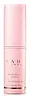
This anti-aging moisturizer is formulated around Helianthus Annuus Seed Oil and Adenosine to soften the look of wrinkles and hydrate skin.
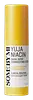
This brightening treatment is formulated around Niacinamide and Arbutin to fade the look of dark spots and brighten dull-looking skin.

What's inside
What's inside
 Key Ingredients
Benefits
Concerns
Ingredients Side-by-side
Helianthus Annuus Seed Oil
Emollient



Polyglyceryl-2 Triisostearate
Emulsifying
Euphorbia Cerifera Cera
Astringent
Butyrospermum Parkii Butter
Skin Conditioning



Prunus Amygdalus Dulcis Oil
Skin Conditioning
Pyrus Malus Seed Oil
Emollient
Octyldodecanol
Emollient
Microcrystalline Wax
Emulsion StabilisingEclipta Prostrata Extract
Skin Conditioning
Melia Azadirachta Leaf Extract
Skin ConditioningGlycyrrhiza Glabra Root Extract
Bleaching



Moringa Oleifera Seed Oil
Emollient
Candida/Garcinia Cambogia Ferment
Oryza Sativa Germ Oil
Emollient
Schisandra Chinensis Fruit Extract
Skin Conditioning
Curcuma Longa Root Extract
Antioxidant

Lithospermum Erythrorhizon Root Extract
Skin ConditioningCanola Oil
Emollient
Caesalpinia Spinosa Fruit Extract
Skin ProtectingChlorella Vulgaris Extract
Skin ConditioningKappaphycus Alvarezii Extract
Skin ConditioningDaucus Carota Sativa Seed Oil
Emollient
Hydrolyzed Collagen
Emollient
Althaea Rosea Flower Extract
Skin ConditioningDaucus Carota Sativa Root Extract
Skin Conditioning
Tocopherol
Antioxidant
Adenosine
Skin Conditioning
Water
Skin ConditioningButylene Glycol
Humectant
1,2-Hexanediol
Skin Conditioning
Beta-Carotene
Skin ConditioningTocopheryl Acetate
Antioxidant
Ethylhexylglycerin
Skin ConditioningSoluble Proteoglycan
Skin ConditioningSodium DNA
Skin Conditioning
BHT
Antioxidant
Parfum
Masking

Benzyl Salicylate
Perfuming
Benzyl Benzoate
Antimicrobial
Butylphenyl Methylpropional
Perfuming
Hexyl Cinnamal
Perfuming
Hydroxycitronellal
Perfuming
Citronellol
Perfuming
Alpha-Isomethyl Ionone
Perfuming
Gardenia Florida Fruit Extract
Skin ConditioningHelianthus Annuus Seed Oil, Polyglyceryl-2 Triisostearate, Euphorbia Cerifera Cera, Butyrospermum Parkii Butter, Prunus Amygdalus Dulcis Oil, Pyrus Malus Seed Oil, Octyldodecanol, Microcrystalline Wax, Eclipta Prostrata Extract, Melia Azadirachta Leaf Extract, Glycyrrhiza Glabra Root Extract, Moringa Oleifera Seed Oil, Candida/Garcinia Cambogia Ferment, Oryza Sativa Germ Oil, Schisandra Chinensis Fruit Extract, Curcuma Longa Root Extract, Lithospermum Erythrorhizon Root Extract, Canola Oil, Caesalpinia Spinosa Fruit Extract, Chlorella Vulgaris Extract, Kappaphycus Alvarezii Extract, Daucus Carota Sativa Seed Oil, Hydrolyzed Collagen, Althaea Rosea Flower Extract, Daucus Carota Sativa Root Extract, Tocopherol, Adenosine, Water, Butylene Glycol, 1,2-Hexanediol, Beta-Carotene, Tocopheryl Acetate, Ethylhexylglycerin, Soluble Proteoglycan, Sodium DNA, BHT, Parfum, Benzyl Salicylate, Benzyl Benzoate, Butylphenyl Methylpropional, Hexyl Cinnamal, Hydroxycitronellal, Citronellol, Alpha-Isomethyl Ionone, Gardenia Florida Fruit Extract
Citrus Junos Fruit Extract 37%
Skin ConditioningButylene Glycol
Humectant
Bis-PEG-18 Methyl Ether Dimethyl Silane
EmollientGlycerin
Humectant
Niacinamide 5%
Smoothing




Sodium Stearate
CleansingPentylene Glycol
Skin Conditioning
1,2-Hexanediol
Skin Conditioning
Allantoin
Skin Conditioning
Ethylhexylglycerin
Skin ConditioningMelaleuca Alternifolia Leaf Extract
Perfuming
Centella Asiatica Extract
Cleansing
Polygonum Cuspidatum Root Extract
Antioxidant
Scutellaria Baicalensis Root Extract
Astringent
Camellia Sinensis Leaf Extract
Antimicrobial
Rosmarinus Officinalis Leaf Extract
AntimicrobialGlycyrrhiza Uralensis Root Extract
Skin Conditioning
Chamomilla Recutita Flower Extract
Masking
BHT
Antioxidant
Panthenol
Skin Conditioning
Arginine
Masking
Glutathione
Biotin
AntiseborrhoeicSodium Ascorbyl Phosphate
Antioxidant
Ascorbyl Tetraisopalmitate
Antioxidant
Arbutin
Antioxidant
Tocopheryl Acetate
Antioxidant
Folic Acid
Skin ConditioningPyridoxine Hcl
Skin ConditioningGlyceryl Linoleate
Emollient
Madecassoside
Antioxidant
CI 19140
Cosmetic ColorantCentella Asiatica Leaf Extract
Skin Conditioning
Asiaticoside
Antioxidant
Glyceryl Linolenate
Emollient
Glycyrrhiza Glabra Root Extract
Bleaching
Glyceryl Arachidonate
Emollient
Madecassic Acid
Skin Conditioning
Asiatic Acid
Skin Conditioning
Palmitoyl Dipeptide-10
Skin Conditioning
Palmitoyl Tetrapeptide-7
Skin Conditioning
Palmitoyl Tripeptide-1
Skin Conditioning
Ascorbyl Palmitate
Antioxidant
Parfum
Masking
Limonene
Perfuming
Citrus Junos Fruit Extract 37%, Butylene Glycol, Bis-PEG-18 Methyl Ether Dimethyl Silane, Glycerin, Niacinamide 5%, Sodium Stearate, Pentylene Glycol, 1,2-Hexanediol, Allantoin, Ethylhexylglycerin, Melaleuca Alternifolia Leaf Extract, Centella Asiatica Extract, Polygonum Cuspidatum Root Extract, Scutellaria Baicalensis Root Extract, Camellia Sinensis Leaf Extract, Rosmarinus Officinalis Leaf Extract, Glycyrrhiza Uralensis Root Extract, Chamomilla Recutita Flower Extract, BHT, Panthenol, Arginine, Glutathione, Biotin, Sodium Ascorbyl Phosphate, Ascorbyl Tetraisopalmitate, Arbutin, Tocopheryl Acetate, Folic Acid, Pyridoxine Hcl, Glyceryl Linoleate, Madecassoside, CI 19140, Centella Asiatica Leaf Extract, Asiaticoside, Glyceryl Linolenate, Glycyrrhiza Glabra Root Extract, Glyceryl Arachidonate, Madecassic Acid, Asiatic Acid, Palmitoyl Dipeptide-10, Palmitoyl Tetrapeptide-7, Palmitoyl Tripeptide-1, Ascorbyl Palmitate, Parfum, Limonene
Reviews
Ingredients Explained
These ingredients are found in both products.
Ingredients higher up in an ingredient list are typically present in a larger amount.
1,2-Hexanediol is a synthetic liquid and another multi-functional powerhouse.
It is a:
- Humectant, drawing moisture into the skin
- Emollient, helping to soften skin
- Solvent, dispersing and stabilizing formulas
- Preservative booster, enhancing the antimicrobial activity of other preservatives
BHT is a synthetic antioxidant and preservative.
As an antioxidant, it helps your body fight off free-radicals. Free-radicals are molecules that may damage your skin cells.
As a preservative, it is used to stabilize products and prevent them from degrading. Specifically, BHT prevents degradation from oxidation.
The concerns related to BHT come from oral studies; this ingredient is currently allowed for use by both the FDA and EU.
However, it was recently restricted for use in the UK as of April 2024.
Learn more about BHTButylene Glycol (or BG) is used within cosmetic products for a few different reasons:
Overall, Butylene Glycol is a safe and well-rounded ingredient that works well with other ingredients.
Though this ingredient works well with most skin types, some people with sensitive skin may experience a reaction such as allergic rashes, closed comedones, or itchiness.
Learn more about Butylene GlycolEthylhexylglycerin is created from glycerin. It is a multitasker ingredient that:
The CIR Expert Panel found minimal skin absorption or sensitization of any kind in a safety assessment. Though this ingredient is considered well-tolerated, a small number of cases of allergic dermatitis have been published since 2002. Just be sure to patch test if you are unsure.
Industry-reported use ranges from 8% in rinse-off products and 2% in leave-on formulations.
Learn more about EthylhexylglycerinGlycyrrhiza Glabra Root Extract is an extract of the roots of Licorice. It has been found to have several benefits such as skin hydrating, conditioning, and soothing.
One component, glabridin, has extra potent antioxidant and soothing properties. It has also been found to block pigmentation from UVB rays in guinea pigs.
Licorice Root also contains a flavonoid. Flavonoids are a natural substance from in plants. Flavonoids also have antioxidant properties.
Another component, glycyrrhizin, has been found to have anti-inflammatory and antimicrobial benefits. This may make licorice root extract effective at treating acne. However, more research is needed to support this.
Liquiritin is one of the flavone compounds found in licorice. It has been found to help lighten skin by preventing tyrosinase from reacting with tyrosine. When the two react, protein is converted to melanin. Melanin is the substance in your body that gives your features pigmentation.
Learn more about Glycyrrhiza Glabra Root ExtractParfum is a catch-all term for an ingredient or more that is used to give a scent to products.
Also called "fragrance", this ingredient can be a blend of hundreds of chemicals or plant oils. This means every product with "fragrance" or "parfum" in the ingredients list is a different mixture.
For instance, Habanolide is a proprietary trade name for a specific aroma chemical. When used as a fragrance ingredient in cosmetics, most aroma chemicals fall under the broad labeling category of “FRAGRANCE” or “PARFUM” according to EU and US regulations.
The term 'parfum' or 'fragrance' is not regulated in many countries. In many cases, it is up to the brand to define this term.
For instance, many brands choose to label themselves as "fragrance-free" because they are not using synthetic fragrances. However, their products may still contain ingredients such as essential oils that are considered a fragrance by INCI standards.
One example is Calendula flower extract. Calendula is an essential oil that still imparts a scent or 'fragrance'.
Depending on the blend, the ingredients in the mixture can cause allergies and sensitivities on the skin. Some ingredients that are known EU allergens include linalool and citronellol.
Parfum can also be used to mask or cover an unpleasant scent.
The bottom line is: not all fragrances/parfum/ingredients are created equally. If you are worried about fragrances, we recommend taking a closer look at an ingredient. And of course, we always recommend speaking with a professional.
Learn more about ParfumTocopheryl Acetate is a stable, shelf-friendly form of vitamin E.
Formulators love it because plain vitamin E oxidizes quickly once it hits air. This acetate version stays stable and resists going off, helping to extend a product's shelf life.
It's actually inactive on its own and works like a slow-release "storage" form; the enzymes in your skin called esterases gradually convert it into active vitamin E over time.
One in vivo study showed 5% of the acetate in the living layer of the epidermis converted to vitamin E after 5 days of application. This study also found the skin gained protection against UV damage even though the conversion was slow and small.
Once converted, vitamin E acts as a skin's main fat-soluble antioxidant that fights free radicals to protect skin from damage.
Topical vitamin E generally boosts the skin's photoprotection, and it reduced UV-damage in animal models.
This ingredient has some brightening potential but it's more of a prevention ingredient than spot-fader. Cell studies show it can slow down melanin production but it's worth noting that it's not the most powerful brightener out there.
Overall, it has a pretty solid safety profile and has been found to be non-irritating and non-comedogenic. Allergic reactions may happen but stay rare due to how widely the ingredient gets used.
The concentration will vary depending on the formula; industry data shows 0.1% in baby lotions, 3% in lipsticks, and 5% in foot powders. You can also find this ingredient at 100% in a pure vitamin E oil.
Most leave-on skincare keeps it at the lower end, often between 0.5-1%.
Learn more about Tocopheryl Acetate

