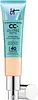
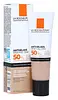
IT Cosmetics CC+ Cream Oil-Free Matte with SPF 40 Versus La Roche-Posay Anthelios Mineral One SPF 50+ Tinted Sunscreen


What's inside
What's inside
 Key Ingredients
Benefits
Concerns
Ingredients Side-by-side
Water
Skin ConditioningDimethicone
Emollient

Butylene Glycol Dicaprylate/Dicaprate
EmollientButylene Glycol
Humectant

Titanium Dioxide
Cosmetic Colorant

Zinc Oxide
Cosmetic Colorant
Cyclopentasiloxane
Emollient
Dimethicone/Vinyl Dimethicone Crosspolymer
Skin Conditioning
Butyloctyl Salicylate
Skin Conditioning
Cetyl PEG/PPG-10/1 Dimethicone
Emulsifying
Snail Secretion Filtrate
Skin Conditioning


Sodium Chloride
MaskingBis-Diglyceryl Polyacyladipate-2
Emollient
Aluminum Hydroxide
EmollientStearic Acid
Cleansing
Disteardimonium Hectorite
StabilisingSorbitan Isostearate
Emulsifying
Polyglyceryl-4 Isostearate
Emulsifying
Hexyl Laurate
Emollient
Triethyl Citrate
Masking
Triethoxycaprylylsilane
Ethyl Hexanediol
SolventSodium Benzoate
Masking
Potassium Sorbate
Preservative
Polymethylsilsesquioxane
Tocopheryl Acetate
Antioxidant


Phenoxyethanol
Preservative
Disodium EDTA
Canadian Colloidal Clay
Skin ConditioningMoroccan Lava Clay
Abrasive
Avena Sativa Kernel Extract
Abrasive
Glycerin
Humectant
Niacinamide
Smoothing





Curcuma Longa Root Extract
Masking
Sulfur
Antiseborrhoeic
Cholesterol
Emollient
Hydrolyzed Collagen
Emollient
Anthemis Nobilis Flower Water
Masking
Persea Gratissima Fruit Extract
EmollientMaltodextrin
Absorbent
Ceramide AP
Skin Conditioning
1,2-Hexanediol
Skin Conditioning
Vitis Vinifera Seed Extract
Antimicrobial
Camellia Sinensis Leaf Extract
Antimicrobial
Salix Alba Bark Extract
Astringent
Magnolia Kobus Bark Extract
Skin ConditioningChrysanthemum Indicum Flower Extract
Skin Conditioning
Pentaerythrityl Tetra-Di-T-Butyl Hydroxyhydrocinnamate
Antioxidant
Glycine Soja Sprout Extract
EmollientSerica Extract
Skin ConditioningHydrolyzed Silk
Humectant
Aloe Barbadensis Leaf Extract
Emollient
Citric Acid
Buffering

Olea Europaea Leaf Extract
Perfuming
Artemisia Princeps Leaf Extract
Skin ConditioningCinnamomum Cassia Bark Extract
Masking
Pueraria Lobata Root Extract
HumectantDiospyros Kaki Leaf Extract
Skin Protecting
Morus Alba Fruit Extract
Antioxidant
Steareth-20
CleansingMelaleuca Alternifolia Flower/Leaf/Stem Extract
Skin ConditioningPunica Granatum Fruit Juice
MaskingCharcoal Powder
Abrasive
Lactobacillus/Honeysuckle Flower/Licorice Root/Morus Alba Root/Pueraria Lobata Root/Schisandra Chinensis Fruit/Scutellaria Baicalensis Root/Sophora Japonica Flower Extract Ferment Filtrate
Skin ConditioningEthylhexylglycerin
Skin ConditioningChlorhexidine Digluconate
Antimicrobial
N-Hydroxysuccinimide
Skin ConditioningSodium Citrate
BufferingPalmitoyl Tripeptide-1
Skin Conditioning
Hydrolyzed Hyaluronic Acid
Humectant
Chrysin
Skin ConditioningPalmitoyl Tetrapeptide-7
Skin Conditioning
Biotin
AntiseborrhoeicCI 77891
Cosmetic ColorantCI 77491
Cosmetic ColorantCI 77492
Cosmetic ColorantCI 77499
Cosmetic ColorantWater, Dimethicone, Butylene Glycol Dicaprylate/Dicaprate, Butylene Glycol, Titanium Dioxide, Zinc Oxide, Cyclopentasiloxane, Dimethicone/Vinyl Dimethicone Crosspolymer, Butyloctyl Salicylate, Cetyl PEG/PPG-10/1 Dimethicone, Snail Secretion Filtrate, Sodium Chloride, Bis-Diglyceryl Polyacyladipate-2, Aluminum Hydroxide, Stearic Acid, Disteardimonium Hectorite, Sorbitan Isostearate, Polyglyceryl-4 Isostearate, Hexyl Laurate, Triethyl Citrate, Triethoxycaprylylsilane, Ethyl Hexanediol, Sodium Benzoate, Potassium Sorbate, Polymethylsilsesquioxane, Tocopheryl Acetate, Phenoxyethanol, Disodium EDTA, Canadian Colloidal Clay, Moroccan Lava Clay, Avena Sativa Kernel Extract, Glycerin, Niacinamide, Curcuma Longa Root Extract, Sulfur, Cholesterol, Hydrolyzed Collagen, Anthemis Nobilis Flower Water, Persea Gratissima Fruit Extract, Maltodextrin, Ceramide AP, 1,2-Hexanediol, Vitis Vinifera Seed Extract, Camellia Sinensis Leaf Extract, Salix Alba Bark Extract, Magnolia Kobus Bark Extract, Chrysanthemum Indicum Flower Extract, Pentaerythrityl Tetra-Di-T-Butyl Hydroxyhydrocinnamate, Glycine Soja Sprout Extract, Serica Extract, Hydrolyzed Silk, Aloe Barbadensis Leaf Extract, Citric Acid, Olea Europaea Leaf Extract, Artemisia Princeps Leaf Extract, Cinnamomum Cassia Bark Extract, Pueraria Lobata Root Extract, Diospyros Kaki Leaf Extract, Morus Alba Fruit Extract, Steareth-20, Melaleuca Alternifolia Flower/Leaf/Stem Extract, Punica Granatum Fruit Juice, Charcoal Powder, Lactobacillus/Honeysuckle Flower/Licorice Root/Morus Alba Root/Pueraria Lobata Root/Schisandra Chinensis Fruit/Scutellaria Baicalensis Root/Sophora Japonica Flower Extract Ferment Filtrate, Ethylhexylglycerin, Chlorhexidine Digluconate, N-Hydroxysuccinimide, Sodium Citrate, Palmitoyl Tripeptide-1, Hydrolyzed Hyaluronic Acid, Chrysin, Palmitoyl Tetrapeptide-7, Biotin, CI 77891, CI 77491, CI 77492, CI 77499
Titanium Dioxide 13.6%
Cosmetic Colorant
Water
Skin ConditioningDiisopropyl Sebacate
EmollientGlycerin
Humectant
Alcohol Denat.
Antimicrobial


Isopropyl Palmitate
Emollient
Caprylic/Capric Triglyceride
Masking
Propanediol
Solvent
Ethylhexyl Methoxycrylene
Skin Conditioning
Diethylhexyl Syringylidenemalonate
Skin ProtectingPolyglyceryl-6 Polyricinoleate
Emulsifying
Isocetyl Stearate
Emollient
CI 77891
Cosmetic ColorantAluminum Hydroxide
EmollientStearic Acid
Cleansing
Tocopherol
Antioxidant
Polyhydroxystearic Acid
Emulsifying
Caprylyl Glycol
Emollient
Aluminum Stearate
Cosmetic ColorantStearalkonium Hectorite
Gel FormingAlumina
Abrasive
Parfum
Masking
Xanthan Gum
EmulsifyingSclerotium Gum
Emulsion StabilisingLecithin
Emollient
Pullulan
Sodium Lauroyl Glutamate
Lysine
Skin ConditioningSodium Hyaluronate
Humectant
Magnesium Chloride
Silica
Abrasive
Citric Acid
Buffering
CI 77491
Cosmetic ColorantCI 77492
Cosmetic ColorantCI 77499
Cosmetic ColorantTitanium Dioxide 13.6%, Water, Diisopropyl Sebacate, Glycerin, Alcohol Denat., Isopropyl Palmitate, Caprylic/Capric Triglyceride, Propanediol, Ethylhexyl Methoxycrylene, Diethylhexyl Syringylidenemalonate, Polyglyceryl-6 Polyricinoleate, Isocetyl Stearate, CI 77891, Aluminum Hydroxide, Stearic Acid, Tocopherol, Polyhydroxystearic Acid, Caprylyl Glycol, Aluminum Stearate, Stearalkonium Hectorite, Alumina, Parfum, Xanthan Gum, Sclerotium Gum, Lecithin, Pullulan, Sodium Lauroyl Glutamate, Lysine, Sodium Hyaluronate, Magnesium Chloride, Silica, Citric Acid, CI 77491, CI 77492, CI 77499
Reviews
Ingredients Explained
These ingredients are found in both products.
Ingredients higher up in an ingredient list are typically present in a larger amount.
Aluminum Hydroxide is a form of aluminum. It can be naturally found in nature as the mineral gibbsite. In cosmetics, Aluminum Hydroxide is used as a colorant, pH adjuster, and absorbent.
As a colorant, Aluminum Hydroxide may add opacity, or reduce the transparency. Aluminum hydroxide is contains both basic and acidic properties.
According to manufacturers, this ingredient is an emollient and humectant. This means it helps hydrate the skin.
In medicine, this ingredient is used to help relieve heartburn and help heal ulcers.
There is currently no credible scientific evidence linking aluminum hydroxide in cosmetics to increased cancer risk.
Major health organizations allow the use of aluminum hydroxide in personal care products and have not flagged it as a carcinogenic risk at typical usage levels.
Learn more about Aluminum HydroxideCi 77491 is also hydrated iron III oxide. It's sole purpose is to give a red/pink hue to products.
Iron III oxides are classified as inorganic chemicals for coloring.
Synthetically created Ci 77491 is considered safer than those naturally found. This is because the synthetically created version may contain less impurities. Iron oxides are generally non-toxic and non-allergenic.
Learn more about CI 77491CI 77492 is also hydrated iron III oxide. It's sole purpose is to give a yellow hue to products.
Iron III oxides are classified as inorganic chemicals for coloring.
Synthetically created CI 77492 is considered safer than those naturally found. This is because the synthetically created version may contain less impurities. Iron oxides are generally non-toxic and non-allergenic.
Learn more about CI 77492Ci 77499 is also hydrated iron III oxide. It is created from mixing red and black iron oxides. This helps give shades of darkness to a product.
Iron III oxides are classified as inorganic chemicals for coloring.
Ci 77891 is a white pigment from Titanium dioxide. It is naturally found in minerals such as rutile and ilmenite.
It's main function is to add a white color to cosmetics. It can also be mixed with other colors to create different shades.
Ci 77891 is commonly found in sunscreens due to its ability to block UV rays.
Learn more about CI 77891Citric Acid is an alpha hydroxy acid (AHA) naturally found in citrus fruits like oranges, lemons, and limes.
Like other AHAs, citric acid can exfoliate skin by breaking down the bonds that hold dead skin cells together. This helps reveal smoother and brighter skin underneath.
However, this exfoliating effect only happens at high concentrations (20%) which can be hard to find in cosmetic products.
Due to this, citric acid is usually included in small amounts as a pH adjuster. This helps keep products slightly more acidic and compatible with skin's natural pH.
In skincare formulas, citric acid can:
While it can provide some skin benefits, research shows lactic acid and glycolic acid are generally more effective and less irritating exfoliants.
Most citric acid used in skincare today is made by fermenting sugars (usually from molasses). This synthetic version is identical to the natural citrus form but easier to stabilize and use in formulations.
Read more about some other popular AHA's here:
Learn more about Citric AcidGlycerin (or glycerol) is a compound naturally found in your skin. It's a powerhouse humectant that pulls water into the stratum corneum.
Topically, glycerin does several things at once:
Your skin makes glycerin on its own (mostly from sebaceous oil breakdown) and shuttles it to your outermost layer of skin, or your epidermis, via aquaporin-3.
Aquaporin-3 is a transporter that is essential for normal skin hydration, elasticity, and repair. Interestingly, mice lacking in AQP3 have dry and less elastic skin that can be fully corrected with glycerin.
This ingredient is non-irritating, plays well with almost every ingredient, and works across all skin types. Typical use is anywhere between 3-10% but can go up to 79% in some leave-on products.
Just know very high concentrations (>40%) can feel tacky in low humidity.
Glycerin is the name for this ingredient in American English. British English uses Glycerol/Glycerine.
Learn more about GlycerinStearic Acid is a fatty acid that is already found in your skin. It's one of the free fatty acids that works alongside ceramides and cholesterols to maintain your barrier.
In cosmetics, it is a multitasker:
Safety-wise, the CIR Expert Panel has concluded it to be safe in cosmetics when formulated to be non-irritating and non-sensitizing.
Free stearic acid is a C18 fatty acid that the Malassezia yeast can substrate, so this ingredient may not be fungal acne safe.
Learn more about Stearic AcidTitanium dioxide is a mineral UV filter widely used in sunscreens and cosmetics.
It is one of only two UV filters officially classified as “mineral” by regulatory agencies, the other being zinc oxide.
Titanium dioxide provides broad-spectrum protection mostly in the UVB and UVAII range, with some protection in the UVAI range.
While its UVA protection isn’t as strong as zinc oxide’s, the difference is minor.
A common myth is that mineral UV filters reflect UV light. However, modern research shows titanium dioxide absorbs UV radiation like chemical filters (~95% absorption & 5% reflection).
Thanks to its non-irritating nature, titanium dioxide is suitable for sensitive, acne-prone, or redness-prone skin. It is unlikely to cause "eye sting" like other sunscreen ingredients.
A major drawback of this ingredient is its white cast and thick texture. This is why mineral sunscreens often leave a white cast and are less cosmetically elegant than chemical/hybrid sunscreens.
To improve white cast and spreadability, micronized or nano-sized titanium dioxide is often used.
There are ongoing concerns surrounding nano-titanium oxide's impact on marine ecosystems.
There is no conclusive evidence that any form of titanium oxide (or any other sunscreen ingredients) will cause harm to marine ecosystems or coral reefs. The science is still developing but many consumers are keeping a close eye on this issue.
Please note, many destinations have reef-safety sunscreen rules. For instance, the U.S. Virgin Islands advises all visitors to use non-nano mineral sunscreens.
Nano mineral sunscreens once raised safety concerns about absorption into skin.
Extensive research has shown that they do not penetrate healthy or damaged skin; they remain safely on the surface and the top layer of dead skin (stratum corneum).
You'll likely find titanium dioxide bundled with alumina, silica, or dimethicone. These ingredients help make titanium dioxide highly photostable; this prevents it from interacting with other formula components under UV light.
Learn more about Titanium DioxideWater. It's the most common cosmetic ingredient of all. You'll usually see it at the top of ingredient lists, meaning that it makes up the largest part of the product.
So why is it so popular? Water most often acts as a solvent - this means that it helps dissolve other ingredients into the formulation.
You'll also recognize water as that liquid we all need to stay alive. If you see this, drink a glass of water. Remember to stay hydrated!
Learn more about Water
