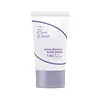
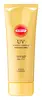
Isntree Onion Newpair Sunscreen SPF40 PA+++ Versus Kosé Suncut UV Perfect Essence Super Waterproof SPF 50+
This hybrid sunscreen covers the full UV range and blocks ~98% of UVB at SPF 40.
This chemical sunscreen covers the full UV range and blocks ~98% of UVB at SPF 50.


What's inside
What's inside
 Key Ingredients
Benefits
Concerns
Ingredients Side-by-side
Water
Skin ConditioningHomosalate
Skin Conditioning

Ethylhexyl Methoxycinnamate
UV Absorber
Allium Cepa Bulb Extract
Skin Conditioning


Ethylhexyl Salicylate
UV Absorber
Octocrylene
UV Absorber
Butyloctyl Salicylate
Skin Conditioning
Butyl Methoxydibenzoylmethane
UV Absorber
Butylene Glycol
Humectant

Niacinamide
Smoothing







Acrylates Copolymer
Polymethylsilsesquioxane

C20-22 Alkyl Phosphate
EmulsifyingC20-22 Alcohols
Emulsion Stabilising
1,2-Hexanediol
Skin Conditioning
Glycerin
Humectant
Caprylyl Methicone
Skin Conditioning
Pentylene Glycol
Skin Conditioning
Houttuynia Cordata Extract
Skin Conditioning
Hydrogenated Lecithin
Emulsifying
Cetyl Alcohol
Emollient


Dicaprylyl Carbonate
EmollientGlyceryl Stearate
Emollient
Silica
Abrasive
Tromethamine
BufferingPoly C10-30 Alkyl Acrylate
Emulsion StabilisingTitanium Dioxide
Cosmetic Colorant
Coco-Caprylate/Caprate
Emollient
Dimethicone/Vinyl Dimethicone Crosspolymer
Skin Conditioning
Dimethiconol
Emollient
Trisiloxane
Skin Conditioning
Polyacrylate Crosspolymer-6
Emulsion StabilisingSodium Acrylate/Sodium Acryloyldimethyl Taurate Copolymer
Emulsion StabilisingPolyisobutene
Ethylhexylglycerin
Skin ConditioningKaolin
Abrasive
Adenosine
Skin Conditioning
Polyhydroxystearic Acid
Emulsifying
Xanthan Gum
EmulsifyingAlumina
Abrasive
Triethoxycaprylylsilane
Sorbitan Oleate
Emulsifying
Caprylyl/Capryl Glucoside
CleansingAllantoin
Skin Conditioning
Tocopherol
Antioxidant

Panthenol
Skin Conditioning
Caprylic/Capric Triglyceride
Masking
Polyglyceryl-10 Diisostearate
Emulsifying
Glycoproteins
Skin Conditioning
Menadione
MaskingCI 77007
Cosmetic ColorantWater, Homosalate, Ethylhexyl Methoxycinnamate, Allium Cepa Bulb Extract, Ethylhexyl Salicylate, Octocrylene, Butyloctyl Salicylate, Butyl Methoxydibenzoylmethane, Butylene Glycol, Niacinamide, Acrylates Copolymer, Polymethylsilsesquioxane, C20-22 Alkyl Phosphate, C20-22 Alcohols, 1,2-Hexanediol, Glycerin, Caprylyl Methicone, Pentylene Glycol, Houttuynia Cordata Extract, Hydrogenated Lecithin, Cetyl Alcohol, Dicaprylyl Carbonate, Glyceryl Stearate, Silica, Tromethamine, Poly C10-30 Alkyl Acrylate, Titanium Dioxide, Coco-Caprylate/Caprate, Dimethicone/Vinyl Dimethicone Crosspolymer, Dimethiconol, Trisiloxane, Polyacrylate Crosspolymer-6, Sodium Acrylate/Sodium Acryloyldimethyl Taurate Copolymer, Polyisobutene, Ethylhexylglycerin, Kaolin, Adenosine, Polyhydroxystearic Acid, Xanthan Gum, Alumina, Triethoxycaprylylsilane, Sorbitan Oleate, Caprylyl/Capryl Glucoside, Allantoin, Tocopherol, Panthenol, Caprylic/Capric Triglyceride, Polyglyceryl-10 Diisostearate, Glycoproteins, Menadione, CI 77007
Water
Skin ConditioningEthylhexyl Methoxycinnamate 7.48%
UV Absorber
Alcohol
Antimicrobial

Isododecane
EmollientPolysilicone-15 3%
UV Filter
Diethylamino Hydroxybenzoyl Hexyl Benzoate 2.31%
UV Filter
Bis-Ethylhexyloxyphenol Methoxyphenyl Triazine 1.5%
UV Absorber
Silica
Abrasive
Dipropylene Glycol
HumectantGlycerin
Humectant
Propylene Glycol Dicaprate
EmollientSilica Dimethyl Silylate
EmollientAnthemis Nobilis Flower Extract
Masking
Calendula Officinalis Flower Extract
Masking
Centaurea Cyanus Flower Extract
Astringent
Chamomilla Recutita Flower Extract
Masking
Clematis Vitalba Leaf Extract
Skin ConditioningEquisetum Arvense Extract
AstringentFucus Vesiculosus Extract
Emollient
Hedera Helix Extract
AntimicrobialHypericum Perforatum Flower/Leaf/Stem Extract
Skin ConditioningSodium Hyaluronate
Humectant
Soluble Collagen
Humectant
Spiraea Ulmaria Extract
AstringentTilia Cordata Flower Extract
Skin Conditioning
Acrylates/C10-30 Alkyl Acrylate Crosspolymer
Emulsion StabilisingBehenyl Alcohol
Emollient
BHT
Antioxidant
Butylene Glycol
Humectant
PEG-10 Hydrogenated Castor Oil
Emollient
PEG-40 Hydrogenated Castor Oil
Emulsifying
Polyethylene
Abrasive
Polyhydroxystearic Acid
Emulsifying
Potassium Hydroxide
BufferingXanthan Gum
EmulsifyingMethylparaben
Preservative

Phenoxyethanol
Preservative
Water, Ethylhexyl Methoxycinnamate 7.48%, Alcohol, Isododecane, Polysilicone-15 3%, Diethylamino Hydroxybenzoyl Hexyl Benzoate 2.31%, Bis-Ethylhexyloxyphenol Methoxyphenyl Triazine 1.5%, Silica, Dipropylene Glycol, Glycerin, Propylene Glycol Dicaprate, Silica Dimethyl Silylate, Anthemis Nobilis Flower Extract, Calendula Officinalis Flower Extract, Centaurea Cyanus Flower Extract, Chamomilla Recutita Flower Extract, Clematis Vitalba Leaf Extract, Equisetum Arvense Extract, Fucus Vesiculosus Extract, Hedera Helix Extract, Hypericum Perforatum Flower/Leaf/Stem Extract, Sodium Hyaluronate, Soluble Collagen, Spiraea Ulmaria Extract, Tilia Cordata Flower Extract, Acrylates/C10-30 Alkyl Acrylate Crosspolymer, Behenyl Alcohol, BHT, Butylene Glycol, PEG-10 Hydrogenated Castor Oil, PEG-40 Hydrogenated Castor Oil, Polyethylene, Polyhydroxystearic Acid, Potassium Hydroxide, Xanthan Gum, Methylparaben, Phenoxyethanol
Reviews
Ingredients Explained
These ingredients are found in both products.
Ingredients higher up in an ingredient list are typically present in a larger amount.
Butylene Glycol (or BG) is used within cosmetic products for a few different reasons:
Overall, Butylene Glycol is a safe and well-rounded ingredient that works well with other ingredients.
Though this ingredient works well with most skin types, some people with sensitive skin may experience a reaction such as allergic rashes, closed comedones, or itchiness.
Learn more about Butylene GlycolThis ingredient is also known as Octinoxate and is one of the oldest and most widely used chemical UV filters in skincare.
It has a simple job: soap up UVB radiation (290-320 nm), the wavelengths responsible for sunburn and a big chunk of long-term sun damage.
In formulas, it's always paired with a separate UVA filter because octinoxate solely protects skin from UVB.
Because it's an oil-soluble liquid, it's easy to blend into the oil phase of lotions/creams and gives a cosmetically elegant feel.
The one quirk about formulating this ingredient is photostability; the molecule slowly changes shape into a less effective version when sunlight hits it. So the longer you're in the sun, the weaker its protection gets. The drop can be more than 30% in some formulas.
It also doesn't play nice with Avobenzone (the common UVA filter) since avobenzone destabilizes octinoxate and the two degrade each other. But don't worry: brands have solved this issue by adding photostabilizers like Tinosorb S to prevent degradation and keep SPF stable under heavy UV exposure.
The maximum allowed level is 10% in the EU and Australia, 7.5% in the US and Canada, and 20% in Japan.
The Cosmetic Ingredient Review Panel has concluded this ingredient to be safe in cosmetics up to 10%.
One last thing worth knowing for context:
Octinoxate has been the subject of ongoing review in Europe where the Scientific Committee on Consumer Safety's (SCCS) 2025 final opinion is that this ingredient is an endocrine-active substance.
Lab and animal studies suggest it can act a bit like a hormone in the body (mildly mimicking estrogen and slightly blocking male hormones). It's important to know this hasn't really been shown to happen in everyday human use.
This ingredient is also banned in Hawaii over coral reef concerns.
Learn more about Ethylhexyl MethoxycinnamateGlycerin (or glycerol) is a compound naturally found in your skin. It's a powerhouse humectant that pulls water into the stratum corneum.
Topically, glycerin does several things at once:
Your skin makes glycerin on its own (mostly from sebaceous oil breakdown) and shuttles it to your outermost layer of skin, or your epidermis, via aquaporin-3.
Aquaporin-3 is a transporter that is essential for normal skin hydration, elasticity, and repair. Interestingly, mice lacking in AQP3 have dry and less elastic skin that can be fully corrected with glycerin.
This ingredient is non-irritating, plays well with almost every ingredient, and works across all skin types. Typical use is anywhere between 3-10% but can go up to 79% in some leave-on products.
Just know very high concentrations (>40%) can feel tacky in low humidity.
Glycerin is the name for this ingredient in American English. British English uses Glycerol/Glycerine.
Learn more about GlycerinPolyhydroxystearic Acid is a vegetable-derived soft wax made from castor oil. It's an emulsion stabilizer, thickener, and film former.
You'll likely see it in sunscreens because it helps disperse pigments and UV-reflecting minerals like titanium dioxide and zinc oxide evenly.
Depending on the concentration, it can drastically change the texture of a product from pasty solid (like lipstick) to sprayable liquid.
The CIR Expert Panel for Cosmetic Ingredient Safety has concluded this ingredient to be safe in cosmetics. The highest reported use concentration is 14.2% in lipsticks.
Learn more about Polyhydroxystearic AcidSilica, also known as silicon dioxide, is a naturally occurring mineral. It is used as a fine, spherical, and porous powder in cosmetics.
Though it has exfoliant properties, the function of silica varies depending on the product.
The unique structure of silica enhances the spreadability and adds smoothness, making it a great texture enhancer.
It is also used as an active carrier, emulsifier, and mattifier due to its ability to absorb excess oil.
In some products, tiny microneedles called spicules are made from silica or hydrolyzed sponge. When you rub them in, they lightly polish away dead skin layers and enhance the penetration of active ingredients.
Learn more about SilicaWater. It's the most common cosmetic ingredient of all. You'll usually see it at the top of ingredient lists, meaning that it makes up the largest part of the product.
So why is it so popular? Water most often acts as a solvent - this means that it helps dissolve other ingredients into the formulation.
You'll also recognize water as that liquid we all need to stay alive. If you see this, drink a glass of water. Remember to stay hydrated!
Learn more about WaterXanthan gum is used as a stabilizer and thickener within cosmetic products. It helps give products a sticky, thick feeling - preventing them from being too runny.
On the technical side of things, xanthan gum is a polysaccharide - a combination consisting of multiple sugar molecules bonded together.
Xanthan gum is a pretty common and great ingredient. It is a natural, non-toxic, non-irritating ingredient that is also commonly used in food products.
Learn more about Xanthan Gum

