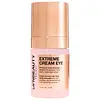
This anti-aging eye moisturizer is formulated around Squalane and Acetyl Hexapeptide-8 to soften the look of wrinkles and hydrate skin.
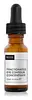
This anti-aging eye moisturizer is formulated around Niacinamide and Dipeptide Diaminobutyroyl Benzylamide Diacetate to soften the look of wrinkles and fade the look of dark spots.


What's inside
What's inside
 Key Ingredients
Benefits
Concerns
Ingredients Side-by-side
Water
Skin ConditioningC13-15 Alkane
SolventSqualane
Emollient


Propanediol
Solvent
Lauryl Laurate
Skin Conditioning

Polyglyceryl-5 Polyricinoleate
Emulsifying
Glycerin
Humectant
Magnesium Sulfate
1,2-Hexanediol
Skin Conditioning
Quaternium-90 Bentonite
Polyglyceryl-20 Octadecabehenate/Laurate
EmollientAcetyl Hexapeptide-8
Humectant
Acetyl Tetrapeptide-5
Humectant
Arginine/Lysine Polypeptide
Skin Conditioning
Prolinamidoethyl Imidazole
Skin ProtectingArginine
Masking
Acmella Oleracea Extract
Skin ProtectingCoffea Arabica Seed Oil
Masking
Centella Asiatica Extract
Cleansing


Tremella Fuciformis Extract
Humectant
Glyceryl Glucoside
Humectant
Aesculus Hippocastanum Extract
Antioxidant
Tulipa Gesneriana Flower Extract
Skin ConditioningPadina Pavonica Thallus Extract
Skin ConditioningGluconolactone
Chelating




Bisabolol
Antioxidant
Allantoin
Skin Conditioning
Sodium PCA
Humectant
Butylene Glycol
Humectant
Caprylyl Glycol
Emollient
Oryza Sativa Bran Oil
Emollient
Fructose
Humectant
Maltodextrin
Absorbent
Dextran
Glyceryl Behenate
Emollient
Polyglyceryl-6 Octastearate
EmulsifyingTocopherol
Antioxidant

Stearic Acid
Cleansing
Calcium Gluconate
HumectantTriethyl Citrate
Masking

Citric Acid
Buffering
Hydroxyacetophenone
Antioxidant
Ethylhexylglycerin
Skin ConditioningSodium Benzoate
Masking
Potassium Sorbate
Preservative
Zinc Stearate
Cosmetic ColorantWater, C13-15 Alkane, Squalane, Propanediol, Lauryl Laurate, Polyglyceryl-5 Polyricinoleate, Glycerin, Magnesium Sulfate, 1,2-Hexanediol, Quaternium-90 Bentonite, Polyglyceryl-20 Octadecabehenate/Laurate, Acetyl Hexapeptide-8, Acetyl Tetrapeptide-5, Arginine/Lysine Polypeptide, Prolinamidoethyl Imidazole, Arginine, Acmella Oleracea Extract, Coffea Arabica Seed Oil, Centella Asiatica Extract, Tremella Fuciformis Extract, Glyceryl Glucoside, Aesculus Hippocastanum Extract, Tulipa Gesneriana Flower Extract, Padina Pavonica Thallus Extract, Gluconolactone, Bisabolol, Allantoin, Sodium PCA, Butylene Glycol, Caprylyl Glycol, Oryza Sativa Bran Oil, Fructose, Maltodextrin, Dextran, Glyceryl Behenate, Polyglyceryl-6 Octastearate, Tocopherol, Stearic Acid, Calcium Gluconate, Triethyl Citrate, Citric Acid, Hydroxyacetophenone, Ethylhexylglycerin, Sodium Benzoate, Potassium Sorbate, Zinc Stearate
Water
Skin ConditioningGlycerin
Humectant
Butylene Glycol
Humectant
Propanediol
Solvent
Hydrolyzed Yeast Extract
Skin ConditioningAlbizia Julibrissin Bark Extract
MaskingNiacinamide
Smoothing
Dipeptide Diaminobutyroyl Benzylamide Diacetate
Skin Conditioning
Palmitoyl Tripeptide-38
Skin Conditioning
Acetyl Hexapeptide-8
Humectant
Acetyl Tetrapeptide-5
Humectant
Decapeptide-22
Skin Conditioning
Oligopeptide-78
Skin Conditioning
Palmitoyl Decapeptide-21
Skin Conditioning
Palmitoyl Hexapeptide-52
Skin Conditioning
Zinc Palmitoyl Nonapeptide-14
Skin Conditioning
Palmitoyl Tetrapeptide-50
Skin Conditioning
Pentapeptide-18
Skin Conditioning
Acetyl Hexapeptide-30
Skin Conditioning
Heptapeptide-15 Palmitate
Skin Conditioning
Palmitoyl Heptapeptide-18
Skin Conditioning
S-Mu-Conotoxin Cniiic Acetate
Skin ConditioningSodium Hyaluronate
Humectant
Darutoside
Skin ConditioningEpigallocatechin Gallatyl Glucoside
Antioxidant
Gallyl Glucoside
Antioxidant
Ascorbyl Glucoside
Antioxidant
Zinc PCA
Humectant
Methylglucoside Phosphate
Skin ConditioningDisodium Acetyl Glucosamine Phosphate
Skin ConditioningCopper Lysinate/Prolinate
Skin ConditioningHydroxypropyl Cyclodextrin
MaskingSuperoxide Dismutase
Antioxidant
Escin
TonicAscorbic Acid
Antioxidant
Ammonium Glycyrrhizate
MaskingPolyglucuronic Acid
Skin ConditioningAscophyllum Nodosum Extract
Skin Conditioning

Asparagopsis Armata Extract
Skin Protecting
Fraxinus Excelsior Bark Extract
Skin ConditioningOlea Europaea Leaf Extract
Perfuming
Polypodium Vulgare Rhizome Extract
HumectantCetraria Islandica Thallus Extract
HumectantSphagnum Magellanicum Extract
Skin ConditioningRuscus Aculeatus Root Extract
Astringent
Centella Asiatica Extract
Cleansing
Calendula Officinalis Flower Extract
Masking
Arginine
Masking
Panthenol
Skin Conditioning
Hydrolyzed Rice Protein
Skin ConditioningGlycine Soja Protein
EmulsifyingHydrolyzed Wheat Protein
Skin ConditioningHydrolyzed Yeast Protein
Skin ConditioningLecithin
Emollient
Polyacrylate Crosspolymer-6
Emulsion StabilisingXanthan Gum
EmulsifyingCetyl Hydroxyethylcellulose
Emulsion StabilisingSilanetriol
Sodium Dextran Sulfate
Gel FormingSorbitol
Humectant
Pentylene Glycol
Skin Conditioning
Dimethyl Isosorbide
SolventCitric Acid
Buffering
Glycolic Acid
Buffering

Lactic Acid
Buffering
Lactic Acid/Glycolic Acid Copolymer
Skin ConditioningPPG-26-Buteth-26
Skin ConditioningPolyvinyl Alcohol
PEG-40 Hydrogenated Castor Oil
Emulsifying
Propyl Gallate
Antioxidant
Potassium Sorbate
Preservative
Caprylyl Glycol
Emollient
Glyceryl Caprylate
EmollientEthylhexylglycerin
Skin ConditioningSodium Benzoate
Masking
Benzyl Alcohol
Perfuming

Phenylpropanol
Masking
Dehydroacetic Acid
Preservative
Phenoxyethanol
Preservative
Chlorphenesin
Antimicrobial
Water, Glycerin, Butylene Glycol, Propanediol, Hydrolyzed Yeast Extract, Albizia Julibrissin Bark Extract, Niacinamide, Dipeptide Diaminobutyroyl Benzylamide Diacetate, Palmitoyl Tripeptide-38, Acetyl Hexapeptide-8, Acetyl Tetrapeptide-5, Decapeptide-22, Oligopeptide-78, Palmitoyl Decapeptide-21, Palmitoyl Hexapeptide-52, Zinc Palmitoyl Nonapeptide-14, Palmitoyl Tetrapeptide-50, Pentapeptide-18, Acetyl Hexapeptide-30, Heptapeptide-15 Palmitate, Palmitoyl Heptapeptide-18, S-Mu-Conotoxin Cniiic Acetate, Sodium Hyaluronate, Darutoside, Epigallocatechin Gallatyl Glucoside, Gallyl Glucoside, Ascorbyl Glucoside, Zinc PCA, Methylglucoside Phosphate, Disodium Acetyl Glucosamine Phosphate, Copper Lysinate/Prolinate, Hydroxypropyl Cyclodextrin, Superoxide Dismutase, Escin, Ascorbic Acid, Ammonium Glycyrrhizate, Polyglucuronic Acid, Ascophyllum Nodosum Extract, Asparagopsis Armata Extract, Fraxinus Excelsior Bark Extract, Olea Europaea Leaf Extract, Polypodium Vulgare Rhizome Extract, Cetraria Islandica Thallus Extract, Sphagnum Magellanicum Extract, Ruscus Aculeatus Root Extract, Centella Asiatica Extract, Calendula Officinalis Flower Extract, Arginine, Panthenol, Hydrolyzed Rice Protein, Glycine Soja Protein, Hydrolyzed Wheat Protein, Hydrolyzed Yeast Protein, Lecithin, Polyacrylate Crosspolymer-6, Xanthan Gum, Cetyl Hydroxyethylcellulose, Silanetriol, Sodium Dextran Sulfate, Sorbitol, Pentylene Glycol, Dimethyl Isosorbide, Citric Acid, Glycolic Acid, Lactic Acid, Lactic Acid/Glycolic Acid Copolymer, PPG-26-Buteth-26, Polyvinyl Alcohol, PEG-40 Hydrogenated Castor Oil, Propyl Gallate, Potassium Sorbate, Caprylyl Glycol, Glyceryl Caprylate, Ethylhexylglycerin, Sodium Benzoate, Benzyl Alcohol, Phenylpropanol, Dehydroacetic Acid, Phenoxyethanol, Chlorphenesin
Reviews
Ingredients Explained
These ingredients are found in both products.
Ingredients higher up in an ingredient list are typically present in a larger amount.
Acetyl Hexapeptide-8 (also known as Argireline) is a synthetic hexapeptide that is often called a "topical Botox alternative".
It works by mimicking how Botox relaxes muscles; it interferes with the signaling process that tells your facial muscles to contract. This can help soften expression lines like forehead wrinkles or crow's feet over time.
The comparison to Botox does have limits because the molecule is water-loving and relatively large.
Acetyl Hexapeptide-8 has a hard time absorbing deeply enough through the skin's outer barrier to actually reach the muscles.
So whether it truly works the way Botox does at a biological level is still up for debate, but early clinical outcomes are fairly encouraging.
A 12 week human study of a multi-ingredient regimen containing this ingredient saw:
While some studies have observed improvements in wrinkle appearance, it is important to note that more consistent results are seen in multi-ingredient formulations (vs just Acetyl Hexapeptide-8 alone).
Some research studies also used higher concentrations (up to 10%) while this ingredient is usually found in concentrations up to 0.005% in leave-on formulations.
Learn more about Acetyl Hexapeptide-8Acetyl Tetrapeptide-5 is a peptide that goes by another name, eyeseryl, due to claims that it can help reduce eye puffiness.
The manufacturer claims this ingredient reduces eye puffiness by:
An in-vivo study from the manufacturer found 95% of volunteers saw eye bag improvement by the end of the study.
Eye puffiness is caused by two major factors: fluid retention and fat.
Those with fluid retention may see improvement from using this ingredient. However, those with eye fat will need surgical intervention in order to get rid of puffiness.
Learn more about Acetyl Tetrapeptide-5Arginine is a semi-essential amino acid. This just means our bodies can product a bit on its own, but sometimes needs a little boost from food sources.
It is a part of your skin's natural moisturizing factor (NMF), or the water-loving molecules in your outermost layer of skin (stratum corneum) that keeps everything hydrated and happy.
Here's an interesting thing about Arginine: your skin converts it into urea through the Krebs-Henseleit urea cycle. Urea is one of the most effective humectants your skin naturally produces.
A clinical study showed applying 2.5% arginine hydrochloride to atopic dermatitis skin showed significant urea levels in the stratum corneum and improved moisture in just four weeks.
Arginine is also a precursor to nitric oxide; nitric oxide improves microcirculation and supports wound healing and collagen synthesis.
One study found that an amino acid complex containing Arginine reduced skin irritation, improved hydration, and accelerated skin repair in clinical / in-vivo studies.
Arginine itself is an amino acid and not a fatty acid, oil, or ester. On its own, it's not a direct food source for Malassezia, or the yeast that causes fungal acne.
Learn more about ArginineButylene Glycol (or BG) is used within cosmetic products for a few different reasons:
Overall, Butylene Glycol is a safe and well-rounded ingredient that works well with other ingredients.
Though this ingredient works well with most skin types, some people with sensitive skin may experience a reaction such as allergic rashes, closed comedones, or itchiness.
Learn more about Butylene GlycolCaprylyl Glycol is a humectant, skin conditioner, emollient, and preservative booster derived from either caprylic acid or synthetically created.
Typical use levels vary from 0.3-1% as a preservative booster and go up to 2% to condition skin.
Because it is not a free-fatty acid, this ingredient is fungal acne safe (there's nothing for Malassezia to feed on).
Learn more about Caprylyl GlycolCentella Asiatica Extract (Centella) is one of the most researched botanical extracts in skincare with decades of studies backing its effects on inflammation, collagen, and the skin barrier.
That research keeps pointing back to the same four triterpenoid saponins: Asiaticoside, Madecassoside, Asiatic Acid, and Madecassic Acid.
These compounds allow centella to dial back inflammation, encourage the skin to build and hold onto collagen, support the barrier and hydration, and bring solid antioxidant activity to protect against signs of aging.
Centella also carries a nice supporting cast of Vitamin A, vitamin C, several B vitamins, and amino acids. Put it all together and you get an ingredient that soothes, hydrates, and protects, all at once.
Most of centella's magic comes from the four big compounds (Asiaticoside, Madecassoside, Asiatic Acid, and Madecassic Acid). These are the actives doing the heavy lifting in almost every centella study.
Here is the short version of what they do in the skin:
So it is not just soothing for the sake of soothing. Centella calms the skin AND helps it rebuild.
Just FYI, not all centella on an ingredient list is the same. What you are getting actually depends on the extract:
Fun fact on the ratios: the leaves tend to be richest in Madecassoside and Asiaticoside, and lower in the two acids. The exact amounts shift with where the plant is grown and how it is processed. This means purity really does vary brand to brand.
Centella is one of the most easygoing actives out there.
It layers well with basically everything: niacinamide, hyaluronic acid, peptides, and vitamin C, and also pairs nicely with stronger actives like retinoids and exfoliating acids where it can help take the edge off irritation.
On the safety side, centella and its triterpenes are classified as weak sensitizers, meaning allergic reactions are possible but uncommon.
Patch tests at 1% and 5% came back negative in test panels, and creams at typical use levels did not cause allergic reactions across large groups of people.
But as with any new active, a patch test is still a smart move for very reactive skin.
Centella is widely used because it is effective at low percentages. For context, human safety testing found no meaningful irritation from creams containing centella extract at everyday use levels (the tested amounts were well under 1%).
The irritancy threshold in animal testing was also above 30% (so real-world formulas sit far below anything concerning).
In collagen lab studies, higher concentrations drove more collagen synthesis, so serums built around centella tend to feature it more prominently.
Bottom line: you will find centella working nicely anywhere from a fraction of a percent up to hero-ingredient levels depending on whether it is a supporting soother or the main event.
Fun fact: Centella has been used as a medicine and in food for many centuries. As a medicine, it is used to treat burns, scratches, and wounds.
Learn more about Centella Asiatica ExtractCitric Acid is an alpha hydroxy acid (AHA) naturally found in citrus fruits like oranges, lemons, and limes.
Like other AHAs, citric acid can exfoliate skin by breaking down the bonds that hold dead skin cells together. This helps reveal smoother and brighter skin underneath.
However, this exfoliating effect only happens at high concentrations (20%) which can be hard to find in cosmetic products.
Due to this, citric acid is usually included in small amounts as a pH adjuster. This helps keep products slightly more acidic and compatible with skin's natural pH.
In skincare formulas, citric acid can:
While it can provide some skin benefits, research shows lactic acid and glycolic acid are generally more effective and less irritating exfoliants.
Most citric acid used in skincare today is made by fermenting sugars (usually from molasses). This synthetic version is identical to the natural citrus form but easier to stabilize and use in formulations.
Rosacea skin has a lower threshold for acids generally, with 62.5% of rosacea subjects in one study reacting to lactic acid in a sting test. This is why we mark citric acid as a potential rosacea trigger.
However, this ingredient shows up as a pH adjuster or chelator at roughly 0.1-1% in many products. These low levels are unlikely to be an issue for rosacea skin and becomes a potential trigger at exfoliating concentrations (20%). Because everybody's skin is unique, we recommend a patch test if you are unsure.
Learn more about Citric AcidEthylhexylglycerin is created from glycerin. It is a multitasker ingredient that:
The CIR Expert Panel found minimal skin absorption or sensitization of any kind in a safety assessment. Though this ingredient is considered well-tolerated, a small number of cases of allergic dermatitis have been published since 2002. Just be sure to patch test if you are unsure.
Industry-reported use ranges from 8% in rinse-off products and 2% in leave-on formulations.
Learn more about EthylhexylglycerinGlycerin (or glycerol) is a compound naturally found in your skin. It's a powerhouse humectant that pulls water into the stratum corneum.
Topically, glycerin does several things at once:
Your skin makes glycerin on its own (mostly from sebaceous oil breakdown) and shuttles it to your outermost layer of skin, or your epidermis, via aquaporin-3.
Aquaporin-3 is a transporter that is essential for normal skin hydration, elasticity, and repair. Interestingly, mice lacking in AQP3 have dry and less elastic skin that can be fully corrected with glycerin.
This ingredient is non-irritating, plays well with almost every ingredient, and works across all skin types. Typical use is anywhere between 3-10% but can go up to 79% in some leave-on products.
Just know very high concentrations (>40%) can feel tacky in low humidity.
Glycerin is the name for this ingredient in American English. British English uses Glycerol/Glycerine.
Learn more about GlycerinPotassium Sorbate is a preservative used to prevent yeast and mold in products. It is commonly found in both cosmetic and food products.
This ingredient comes from potassium salt derived from sorbic acid. Sorbic acid is a natural antibiotic and effective against fungus.
Both potassium sorbate and sorbic acid can be found in baked goods, cheeses, dried meats, dried fruit, ice cream, pickles, wine, yogurt, and more.
You'll often find this ingredient used with other preservatives.
Learn more about Potassium SorbatePropanediol is an all-star ingredient. It softens, hydrates, and smooths the skin.
It’s often used to:
Propanediol is not likely to cause sensitivity and considered safe to use. It is derived from corn or petroleum with a clear color and no scent.
Learn more about PropanediolSodium Benzoate is a preservative. It's used in both cosmetic and food products to inhibit the growth of mold and bacteria. It is typically produced synthetically.
Both the US FDA and EU Health Committee have approved the use of sodium benzoate. In the US, levels of 0.1% (of the total product) are allowed.
Sodium benzoate works as a preservative by inhibiting the growth of bacteria inside of cells. It prevents the cell from fermenting a type of sugar using an enzyme called phosphofructokinase.
It is the salt of benzoic acid. Foods containing sodium benzoate include soda, salad dressings, condiments, fruit juices, wines, and snack foods.
Studies for using ascorbic acid and sodium benzoate in cosmetics are lacking, especially in skincare routines with multiple steps.
We always recommend speaking with a professional, such as a dermatologist, if you have any concerns.
Learn more about Sodium BenzoateWater. It's the most common cosmetic ingredient of all. You'll usually see it at the top of ingredient lists, meaning that it makes up the largest part of the product.
So why is it so popular? Water most often acts as a solvent - this means that it helps dissolve other ingredients into the formulation.
You'll also recognize water as that liquid we all need to stay alive. If you see this, drink a glass of water. Remember to stay hydrated!
Learn more about Water

