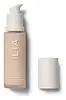
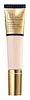
Ilia True Skin Serum Foundation Versus Estée Lauder Futurist Hydra Rescue Moisturizing Foundation SPF 45

What's inside
What's inside
 Key Ingredients
Benefits
Concerns
Ingredients Side-by-side
Aloe Barbadensis Leaf Juice
Skin Conditioning


Coconut Alkanes
Emollient
Caprylyl Methicone
Skin Conditioning
Polyglyceryl-6 Polyricinoleate
Emulsifying
Cetearyl Isononanoate
Emollient
Polyglyceryl-2 Isostearate
Emulsifying
Boron Nitride
Absorbent
Dimethicone
Emollient
Disteardimonium Hectorite
StabilisingNiacinamide
Smoothing







Oryza Sativa Hull Powder
Abrasive
Gluconolactone
Skin Conditioning
Sodium Chloride
MaskingIsopentyldiol
Humectant
Glycerin
Humectant
Coco-Caprylate/Caprate
Emollient
Allantoin
Skin Conditioning
Sodium Benzoate
Masking
Caprylic/Capric Triglyceride
Masking
Simmondsia Chinensis Seed Oil
Emollient
Sclerocarya Birrea Seed Oil
Humectant
Squalane
Emollient
Tocopherol
Antioxidant

Pentylene Glycol
Skin Conditioning
Triethoxycaprylylsilane
Pistacia Lentiscus Gum
MaskingHydrogenated Lecithin
Emulsifying
Calcium Gluconate
HumectantEthylhexylglycerin
Skin ConditioningJasminum Officinale Flower/Leaf Extract
Masking
Phenethyl Alcohol
MaskingBisabolol
Antioxidant
CI 77891
Cosmetic ColorantCI 77491
Cosmetic ColorantCI 77492
Cosmetic ColorantCI 77499
Cosmetic ColorantAloe Barbadensis Leaf Juice, Coconut Alkanes, Caprylyl Methicone, Polyglyceryl-6 Polyricinoleate, Cetearyl Isononanoate, Polyglyceryl-2 Isostearate, Boron Nitride, Dimethicone, Disteardimonium Hectorite, Niacinamide, Oryza Sativa Hull Powder, Gluconolactone, Sodium Chloride, Isopentyldiol, Glycerin, Coco-Caprylate/Caprate, Allantoin, Sodium Benzoate, Caprylic/Capric Triglyceride, Simmondsia Chinensis Seed Oil, Sclerocarya Birrea Seed Oil, Squalane, Tocopherol, Pentylene Glycol, Triethoxycaprylylsilane, Pistacia Lentiscus Gum, Hydrogenated Lecithin, Calcium Gluconate, Ethylhexylglycerin, Jasminum Officinale Flower/Leaf Extract, Phenethyl Alcohol, Bisabolol, CI 77891, CI 77491, CI 77492, CI 77499
Phenylbenzimidazole Sulfonic Acid 2.7%
UV Absorber
Ethylhexyl Methoxycinnamate 6.7%
UV Absorber

Ethylhexyl Salicylate 4.5%
UV Absorber
Zinc Oxide 3.8%
Cosmetic Colorant
Dimethicone
Emollient
Phenyl Trimethicone
Skin Conditioning
Butylene Glycol
Humectant
Glycerin
Humectant
Polymethylsilsesquioxane
Lauryl PEG-9 Polydimethylsiloxyethyl Dimethicone
Skin Conditioning
Hdi/PPG/Polycaprolactone Crosspolymer
Trimethylsiloxysilicate/Dimethiconol Crosspolymer
Tromethamine
BufferingPolysilicone-11
Hexyl Laurate
Emollient
Cetyl PEG/PPG-10/1 Dimethicone
Emulsifying
Lactobacillus Ferment
Skin Conditioning
Cucumis Sativus Fruit Extract
Emollient
Sodium Hyaluronate
Humectant
Salvia Hispanica Seed Extract
EmollientHylocereus Undatus Fruit Extract
Skin ConditioningHelianthus Annuus Seedcake
Abrasive
Algae Extract
EmollientEuterpe Oleracea Fruit Oil
Skin Conditioning
Carapa Guaianensis Seed Oil
Skin Conditioning
Caffeine
Skin Conditioning
Jojoba Esters
Emollient
Tremella Fuciformis Sporocarp Extract
Antioxidant
Camelina Sativa Seed Oil
Skin Conditioning
Sapindus Mukorossi Fruit Extract
Skin ConditioningCaesalpinia Spinosa Gum
Skin ConditioningCopaifera Officinalis Resin
MaskingCaprylic/Capric Triglyceride
Masking
Propylene Glycol Dicaprate
EmollientAcetyl Glucosamine
Skin Conditioning
Tocopheryl Acetate
Antioxidant
Acetyl Hexapeptide-8
Humectant
Lecithin
Emollient
Trehalose
Humectant
Disteardimonium Hectorite
StabilisingHydroxyethyl Urea
Humectant
Neopentyl Glycol Diheptanoate
EmollientHydrogenated Coco-Glycerides
Emollient
Phospholipids
Skin Conditioning
Trimethylsiloxysilicate
Emollient
Polyhydroxystearic Acid
Emulsifying
Polyglyceryl-4 Isostearate
Emulsifying
Glyceryl Stearate
Emollient
Triethoxycaprylylsilane
Triethyl Citrate
Masking
Laureth-7
EmulsifyingLinoleic Acid
Cleansing
Methicone
Emollient
Stearyl Alcohol
Emollient
Cetearyl Alcohol
Emollient
Ammonium Polyacryloyldimethyl Taurate
Emulsion StabilisingSilica
Abrasive
Hordeum Vulgare Extract
EmollientTocopherol
Antioxidant
Palmitic Acid
Emollient
Phytosteryl Canola Glycerides
Skin Conditioning
Stearic Acid
Cleansing
Oleic Acid
Emollient
Sodium Chloride
MaskingPolysorbate 80
Emulsifying
Polysorbate 20
Emulsifying
Behenyl Alcohol
Emollient
Triolein
Skin Conditioning
Betaine
Humectant
Parfum
Masking


Disodium EDTA
BHT
Antioxidant
Phenoxyethanol
Preservative
Sodium Dehydroacetate
Preservative
Potassium Sorbate
Preservative
Mica
Cosmetic ColorantCI 77491
Cosmetic ColorantCI 77492
Cosmetic ColorantCI 77499
Cosmetic ColorantCI 77891
Cosmetic ColorantPhenylbenzimidazole Sulfonic Acid 2.7%, Ethylhexyl Methoxycinnamate 6.7%, Ethylhexyl Salicylate 4.5%, Zinc Oxide 3.8%, Dimethicone, Phenyl Trimethicone, Butylene Glycol, Glycerin, Polymethylsilsesquioxane, Lauryl PEG-9 Polydimethylsiloxyethyl Dimethicone, Hdi/PPG/Polycaprolactone Crosspolymer, Trimethylsiloxysilicate/Dimethiconol Crosspolymer, Tromethamine, Polysilicone-11, Hexyl Laurate, Cetyl PEG/PPG-10/1 Dimethicone, Lactobacillus Ferment, Cucumis Sativus Fruit Extract, Sodium Hyaluronate, Salvia Hispanica Seed Extract, Hylocereus Undatus Fruit Extract, Helianthus Annuus Seedcake, Algae Extract, Euterpe Oleracea Fruit Oil, Carapa Guaianensis Seed Oil, Caffeine, Jojoba Esters, Tremella Fuciformis Sporocarp Extract, Camelina Sativa Seed Oil, Sapindus Mukorossi Fruit Extract, Caesalpinia Spinosa Gum, Copaifera Officinalis Resin, Caprylic/Capric Triglyceride, Propylene Glycol Dicaprate, Acetyl Glucosamine, Tocopheryl Acetate, Acetyl Hexapeptide-8, Lecithin, Trehalose, Disteardimonium Hectorite, Hydroxyethyl Urea, Neopentyl Glycol Diheptanoate, Hydrogenated Coco-Glycerides, Phospholipids, Trimethylsiloxysilicate, Polyhydroxystearic Acid, Polyglyceryl-4 Isostearate, Glyceryl Stearate, Triethoxycaprylylsilane, Triethyl Citrate, Laureth-7, Linoleic Acid, Methicone, Stearyl Alcohol, Cetearyl Alcohol, Ammonium Polyacryloyldimethyl Taurate, Silica, Hordeum Vulgare Extract, Tocopherol, Palmitic Acid, Phytosteryl Canola Glycerides, Stearic Acid, Oleic Acid, Sodium Chloride, Polysorbate 80, Polysorbate 20, Behenyl Alcohol, Triolein, Betaine, Parfum, Disodium EDTA, BHT, Phenoxyethanol, Sodium Dehydroacetate, Potassium Sorbate, Mica, CI 77491, CI 77492, CI 77499, CI 77891
Reviews
Ingredients Explained
These ingredients are found in both products.
Ingredients higher up in an ingredient list are typically present in a larger amount.
This ingredient is a lightweight emollient, solvent, and texture enhancer. It is considered a skin-softener by helping the skin prevent moisture loss.
It helps thicken a product's formula and makes it easier to spread by dissolving clumping compounds.
Caprylic Triglyceride is made by combining glycerin with coconut oil, forming a clear liquid. Though it behaves like an oil, it is not technically one due to its chemical composition. It is very stable, resistant to oxidation, and unlikely to go rancid. In practice, that translates to a long shelf life and a consistently elegant skin feel.
While there is an assumption Caprylic Triglyceride can clog pores due to it being derived from coconut oil, there is no research supporting this. Be sure to patch test if you have concerns.
Fractionated coconut oil and MCT Oil are both listed as Caprylic/Capric Triglyceride according to INCI. This is because INCI names are based on the ingredient’s final chemical composition and not its marketing name or source.
Learn more about Caprylic/Capric TriglycerideCi 77491 is also hydrated iron III oxide. It's sole purpose is to give a red/pink hue to products.
Iron III oxides are classified as inorganic chemicals for coloring.
Synthetically created Ci 77491 is considered safer than those naturally found. This is because the synthetically created version may contain less impurities. Iron oxides are generally non-toxic and non-allergenic.
Learn more about CI 77491CI 77492 is also hydrated iron III oxide. It's sole purpose is to give a yellow hue to products.
Iron III oxides are classified as inorganic chemicals for coloring.
Synthetically created CI 77492 is considered safer than those naturally found. This is because the synthetically created version may contain less impurities. Iron oxides are generally non-toxic and non-allergenic.
Learn more about CI 77492Ci 77499 is also hydrated iron III oxide. It is created from mixing red and black iron oxides. This helps give shades of darkness to a product.
Iron III oxides are classified as inorganic chemicals for coloring.
Ci 77891 is a white pigment from Titanium dioxide. It is naturally found in minerals such as rutile and ilmenite.
It's main function is to add a white color to cosmetics. It can also be mixed with other colors to create different shades.
Ci 77891 is commonly found in sunscreens due to its ability to block UV rays.
Learn more about CI 77891Dimethicone is a type of synthetic silicone created from natural materials such as quartz. It is also known as polydimethylsiloxane.
What it does:
Dimethicone comes in different viscosities:
Depending on the viscosity, dimethicone has different properties.
Ingredients lists don't always show which type is used, so we recommend reaching out to the brand if you have questions about the viscosity.
This ingredient is unlikely to cause irritation because it does not get absorbed into skin. However, people with silicone allergies should be careful about using this ingredient.
Note: Dimethicone may contribute to pilling. This is because it is not oil or water soluble, so pilling may occur when layered with products. When mixed with heavy oils in a formula, the outcome is also quite greasy.
Learn more about DimethiconeDisteardimonium Hectorite comes from the clay mineral named hectorite. It is used to add thickness to a product.
It can also help stabilize a product by helping to disperse other ingredients.
Hectorite is a rare, white clay mineral.
Learn more about Disteardimonium HectoriteGlycerin (or glycerol) is a compound naturally found in your skin. It's a powerhouse humectant that pulls water into the stratum corneum.
Topically, glycerin does several things at once:
Your skin makes glycerin on its own (mostly from sebaceous oil breakdown) and shuttles it to your outermost layer of skin, or your epidermis, via aquaporin-3.
Aquaporin-3 is a transporter that is essential for normal skin hydration, elasticity, and repair. Interestingly, mice lacking in AQP3 have dry and less elastic skin that can be fully corrected with glycerin.
This ingredient is non-irritating, plays well with almost every ingredient, and works across all skin types. Typical use is anywhere between 3-10% but can go up to 79% in some leave-on products.
Just know very high concentrations (>40%) can feel tacky in low humidity.
Glycerin is the name for this ingredient in American English. British English uses Glycerol/Glycerine.
Learn more about GlycerinChances are, you eat sodium chloride every day. Sodium Chloride is also known as table salt. This ingredient has many purposes in skincare: thickener, emulsifier, and exfoliator.
You'll most likely find this ingredient in cleansers where it is used to create a gel-like texture. As an emulsifier, it also prevents ingredients from separating.
You might see people debate whether Sodium Chloride is comedogenic, but there actually haven't been any comedogenic tests done on it. Either way, the overall formulation of a product matters a lot more than any single ingredient.
You might see this ingredient used in scrubs as a primary exfoliating ingredient.
Learn more about Sodium ChlorideTocopherol is a fat-soluble antioxidant known as Vitamin E.
You'll find this ingredient in the vast majority of skincare (for good reason). It works to neutralize free radicals, or unstable molecules generated by UV exposure, pollution, and other environmental stressors, before they can cause oxidative damage to your skin cells.
Topically applied tocopherol has been shown to protect against UV damage by ramping up the skin's own natural defense enzymes.
It also acts as a skin conditioning agent; some studies show that regular topical use can improve the skin's water-binding capacity over 2-4 weeks.
This ingredient is especially loved for being a team player. When combined with Vitamin C, the photoprotective effect of both ingredients roughly doubles and the combo also helps reduce UV-induced DNA damage.
This ingredient has some brightening potential but it's more of a prevention ingredient than spot-fader. Cell studies show it can slow down melanin production but it's worth noting that it's not the most powerful brightener out there.
In formulations, it also serves as a stabilizer that helps protect other oxidation-prone ingredients from degrading.
Concentrations usually range from 0.1-1% in most leave-on products.
Learn more about TocopherolTriethoxycaprylylsilane is a silicon-based surface modifier that makes sunscreens feel silky and makeup stay put.
Its main job is to coat mineral particles like titanium dioxide, zinc oxide, and color pigments in a thin, oily layer so they spread smoothly, don't clump, and stick to skin better.
This ingredient is typically used at low levels (up to 2.5% in eyeshadow and 1% in lipstick).
Learn more about Triethoxycaprylylsilane
