
What's inside
What's inside
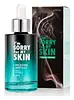 Key Ingredients
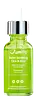
Benefits
Concerns
Ingredients Side-by-side
Centella Asiatica Leaf Water
Skin Conditioning


Glycerin
Humectant

Methyl Gluceth-20
Humectant
Polyglycerin-3
Humectant
1,2-Hexanediol
Skin Conditioning
Pentylene Glycol
Skin Conditioning
Propanediol
Solvent
Centella Asiatica Extract
Cleansing

Ficus Carica Fruit Extract
Humectant
Laminaria Japonica Extract
Skin Protecting
Eclipta Prostrata Leaf Extract
Skin ConditioningHamamelis Virginiana Extract
Antiseborrhoeic


Melaleuca Alternifolia Leaf Extract
Perfuming
Houttuynia Cordata Extract
Skin Conditioning
Chrysanthemum Morifolium Flower Extract
Skin ConditioningNelumbo Nucifera Flower Extract
Skin ConditioningLavandula Angustifolia Flower Extract
Cleansing

Lilium Candidum Flower Extract
Skin ConditioningSyringa Vulgaris Extract
Skin ConditioningRosa Hybrid Flower Extract
Skin ConditioningCamellia Sinensis Leaf Water
Masking
Citrus Aurantium Bergamia Fruit Oil
Masking

Hydrogenated Lecithin
Emulsifying
C12-14 Pareth-12
EmulsifyingDipropylene Glycol
HumectantAllantoin
Skin Conditioning
Chamomilla Recutita Flower Water
MaskingXanthan Gum
EmulsifyingFructooligosaccharides
Humectant
Butylene Glycol
Humectant
Beta-Glucan
Skin Conditioning
Hydrolyzed Hyaluronic Acid
Humectant
Ceramide NP
Skin Conditioning
Carbomer
Emulsion StabilisingPalmitoyl Pentapeptide-4
Skin Conditioning
Ethylhexylglycerin
Skin ConditioningLimonene
Perfuming
Linalool
Perfuming
Centella Asiatica Leaf Water, Glycerin, Methyl Gluceth-20, Polyglycerin-3, 1,2-Hexanediol, Pentylene Glycol, Propanediol, Centella Asiatica Extract, Ficus Carica Fruit Extract, Laminaria Japonica Extract, Eclipta Prostrata Leaf Extract, Hamamelis Virginiana Extract, Melaleuca Alternifolia Leaf Extract, Houttuynia Cordata Extract, Chrysanthemum Morifolium Flower Extract, Nelumbo Nucifera Flower Extract, Lavandula Angustifolia Flower Extract, Lilium Candidum Flower Extract, Syringa Vulgaris Extract, Rosa Hybrid Flower Extract, Camellia Sinensis Leaf Water, Citrus Aurantium Bergamia Fruit Oil, Hydrogenated Lecithin, C12-14 Pareth-12, Dipropylene Glycol, Allantoin, Chamomilla Recutita Flower Water, Xanthan Gum, Fructooligosaccharides, Butylene Glycol, Beta-Glucan, Hydrolyzed Hyaluronic Acid, Ceramide NP, Carbomer, Palmitoyl Pentapeptide-4, Ethylhexylglycerin, Limonene, Linalool
Centella Asiatica Extract
Cleansing
Aloe Barbadensis Leaf Extract
Emollient
Propanediol
Solvent
Water
Skin ConditioningButylene Glycol
Humectant
Methylpropanediol
SolventNiacinamide
Smoothing





Glycerin
Humectant
Madecassoside
Antioxidant
Asiaticoside
Antioxidant
Sodium Hyaluronate Crosspolymer
Humectant
Hydrolyzed Hyaluronic Acid
Humectant
Sodium Hyaluronate
Humectant
Hydroxypropyltrimonium Hyaluronate
Hyaluronic Acid
Humectant
Sodium Acetylated Hyaluronate
Humectant
Hydrolyzed Glycosaminoglycans
HumectantCeramide NP
Skin Conditioning
Helianthus Annuus Seed Oil
Emollient
Camellia Japonica Seed Oil
Emollient
Macadamia Ternifolia Seed Oil
Emollient
Argania Spinosa Kernel Oil
Emollient
Limnanthes Alba Seed Oil
Skin Conditioning
Chamaecyparis Obtusa Leaf Extract
Skin ConditioningGlycine
Buffering
Serine
Masking
Glutamic Acid
Humectant
Benzyl Glycol
SolventAspartic Acid
Masking
Leucine
Skin ConditioningAlanine
Masking
Lysine
Skin ConditioningArginine
Masking
Tyrosine
MaskingPhenylalanine
Masking
Valine
MaskingThreonine
Proline
Skin Conditioning
Isoleucine
Skin ConditioningHistidine
Humectant
Methionine
Skin ConditioningCysteine
Antioxidant
Lactobacillus/Soybean Ferment Extract
Skin ConditioningPortulaca Oleracea Extract
Skin Conditioning
Origanum Vulgare Leaf Extract
Skin ConditioningCinnamomum Cassia Bark Extract
Masking
Salix Alba Bark Extract
Astringent
Scutellaria Baicalensis Root Extract
Astringent
Diethoxyethyl Succinate
SolventSpirulina Maxima Extract
SmoothingDipropylene Glycol
HumectantRaspberry Ketone
Masking
Caprylyl Glycol
Emollient
Allantoin
Skin Conditioning
Sodium Polyacryloyldimethyl Taurate
Emulsion StabilisingGlyceryl Acrylate/Acrylic Acid Copolymer
Humectant1,2-Hexanediol
Skin Conditioning
Hydroxyethylcellulose
Emulsion StabilisingHydrogenated Polydecene
EmollientOctyldodecanol
Emollient
Hydrogenated Lecithin
Emulsifying
Trideceth-10
CleansingDipotassium Glycyrrhizate
Humectant
Adenosine
Skin Conditioning
Hydroxyacetophenone
Antioxidant
Ammonium Acryloyldimethyltaurate/Vp Copolymer
Ethylhexylglycerin
Skin ConditioningDisodium EDTA
Centella Asiatica Extract, Aloe Barbadensis Leaf Extract, Propanediol, Water, Butylene Glycol, Methylpropanediol, Niacinamide, Glycerin, Madecassoside, Asiaticoside, Sodium Hyaluronate Crosspolymer, Hydrolyzed Hyaluronic Acid, Sodium Hyaluronate, Hydroxypropyltrimonium Hyaluronate, Hyaluronic Acid, Sodium Acetylated Hyaluronate, Hydrolyzed Glycosaminoglycans, Ceramide NP, Helianthus Annuus Seed Oil, Camellia Japonica Seed Oil, Macadamia Ternifolia Seed Oil, Argania Spinosa Kernel Oil, Limnanthes Alba Seed Oil, Chamaecyparis Obtusa Leaf Extract, Glycine, Serine, Glutamic Acid, Benzyl Glycol, Aspartic Acid, Leucine, Alanine, Lysine, Arginine, Tyrosine, Phenylalanine, Valine, Threonine, Proline, Isoleucine, Histidine, Methionine, Cysteine, Lactobacillus/Soybean Ferment Extract, Portulaca Oleracea Extract, Origanum Vulgare Leaf Extract, Cinnamomum Cassia Bark Extract, Salix Alba Bark Extract, Scutellaria Baicalensis Root Extract, Diethoxyethyl Succinate, Spirulina Maxima Extract, Dipropylene Glycol, Raspberry Ketone, Caprylyl Glycol, Allantoin, Sodium Polyacryloyldimethyl Taurate, Glyceryl Acrylate/Acrylic Acid Copolymer, 1,2-Hexanediol, Hydroxyethylcellulose, Hydrogenated Polydecene, Octyldodecanol, Hydrogenated Lecithin, Trideceth-10, Dipotassium Glycyrrhizate, Adenosine, Hydroxyacetophenone, Ammonium Acryloyldimethyltaurate/Vp Copolymer, Ethylhexylglycerin, Disodium EDTA
Reviews
Ingredients Explained
These ingredients are found in both products.
Ingredients higher up in an ingredient list are typically present in a larger amount.
1,2-Hexanediol is a synthetic liquid and another multi-functional powerhouse.
It is a:
- Humectant, drawing moisture into the skin
- Emollient, helping to soften skin
- Solvent, dispersing and stabilizing formulas
- Preservative booster, enhancing the antimicrobial activity of other preservatives
Allantoin is a soothing ingredient known for its protective and moisturizing properties; it's basically a quiet workhorse ingredient you can find in a huge range of cosmetics.
Though it can be derived from the comfrey plant, allantoin is produced synthetically for cosmetic products to ensure purity.
Research shows it can encourage your skin cells to turn over and renew by stimulating keratinocyte and fibroblast proliferation.
It also has mild keratolytic properties to help loosen and shed dead skin cells without being harsh.
Studies also suggest allantoin can help calm inflammation by dialing down some of the chemical signals your skin sends out when it is irritated.
This ingredient is typically used in the 0.1-0.5% range, and the FDA recognizes it as a skin protectant in OTC products up to 2%.
Overall, allantoin is a wonderful addition to most routines; it is stable across a wide pH range (~4-8), works well with other ingredients, and is considered non-sensitizing/non-irritating.
Fun fact: Allantoin is naturally occurring in comfrey root, beets, chamomile, and wheat sprouts. Our bodies even produce it as a byproduct of uric acid metabolism.
Learn more about AllantoinButylene Glycol (or BG) is used within cosmetic products for a few different reasons:
Overall, Butylene Glycol is a safe and well-rounded ingredient that works well with other ingredients.
Though this ingredient works well with most skin types, some people with sensitive skin may experience a reaction such as allergic rashes, closed comedones, or itchiness.
Learn more about Butylene GlycolCentella Asiatica Extract (Centella) is derived from an herb native to Southeast Asia. It is famous for its anti-inflammatory and soothing properties.
Centella is rich in antioxidants and amino acids, such as Madecassic Acid and Asiaticoside.
Studies show the compounds in centella help with:
The combination of all these properties makes centella effective at soothing, hydrating, and protecting the skin.
Other great components of centella include Vitamin A, vitamin C, several B vitamins, and Asiatic Acid.
Fun fact: Centella has been used as a medicine and in food for many centuries. As a medicine, it is used to treat burns, scratches, and wounds.
Learn more about Centella Asiatica ExtractCeramide NP (formerly known as Ceramide 3) is one of the skin's naturally occurring lipids.
Since ceramides are the major lipid components of the skin, they are crucial for maintaining skin barrier and hydration. Ceramide NP most closely mirrors the dominant kind in human skin amongst ceramide subtypes.
This ceramide works by slotting into gaps within the stratum corneum's lipid matrix to limit trans-epidermal water loss (TEWL) and shield the skin against external irritants.
A study with 312 patients found that using a ceramide-containing routine for 4 weeks reduced the severity of atopic dermatitis by over 61%.
Another clinical study in subjects aged 60 and older found that a ceramide body wash and moisturizer improved skin dryness and itchy skin in 15 days.
Overall, ceramides are considered non-irritating and safety tests have found little to no observable adverse effects from using this ingredient.
Ceramide NP is usually sourced from plants (like soybean or rice bran), or produced synthetically.
Learn more about Ceramide NPDipropylene Glycol is a synthetically created humectant, stabilizer, and solvent.
This ingredient helps:
Dipropylene glycol is technically an alcohol, but it belongs to the glycol family (often considered part of the ‘good’ alcohols). This means it is hydrating and gentle on skin unlike drying solvent alcohols like denatured alcohol.
As a masking agent, Dipropylene Glycol can be used to cover the smell of other ingredients. However, it does not have a scent.
Studies show Dipropylene Glycol is considered safe to use in skincare.
Learn more about Dipropylene GlycolEthylhexylglycerin is created from glycerin. It is a multitasker ingredient that:
The CIR Expert Panel found minimal skin absorption or sensitization of any kind in a safety assessment. Though this ingredient is considered well-tolerated, a small number of cases of allergic dermatitis have been published since 2002. Just be sure to patch test if you are unsure.
Industry-reported use ranges from 8% in rinse-off products and 2% in leave-on formulations.
Learn more about EthylhexylglycerinGlycerin (or glycerol) is a compound naturally found in your skin. It's a powerhouse humectant that pulls water into the stratum corneum.
Topically, glycerin does several things at once:
Your skin makes glycerin on its own (mostly from sebaceous oil breakdown) and shuttles it to your outermost layer of skin, or your epidermis, via aquaporin-3.
Aquaporin-3 is a transporter that is essential for normal skin hydration, elasticity, and repair. Interestingly, mice lacking in AQP3 have dry and less elastic skin that can be fully corrected with glycerin.
This ingredient is non-irritating, plays well with almost every ingredient, and works across all skin types. Typical use is anywhere between 3-10% but can go up to 79% in some leave-on products.
Just know very high concentrations (>40%) can feel tacky in low humidity.
Glycerin is the name for this ingredient in American English. British English uses Glycerol/Glycerine.
Learn more about GlycerinHydrogenated Lecithin is a more stable version of lecithin.
It's made by taking lecithin (a phospholipid commonly found in soybeans and egg yolks) and hydrogenating it. This just means the unsaturated fatty acids are turned into saturated ones so they don't go bad as easily.
This ingredient is an emollient, emulsifier, and penetration enhancer. As an emollient, it helps soften and hydrate skin by trapping moisture within. As an emulsifier, it prevents oil and water ingredients from separating.
Hydrogenated Lecithin can form tiny spherical structures made of phospholipid bilayers called liposomes. These liposomes are able to capture compounds inside their structure and deliver them through the skin barrier.
Because phospholipids are a natural component of our cell membranes, this ingredient is inherently compatible with skin.
A 2021 study found lecithin-based surfactants were less harsh and more tolerable comared to Sodium Lauryl Sulfate (SLS).
Learn more about Hydrogenated LecithinHydrolyzed Hyaluronic Acid is hyaluronic acid (HA) that is broken down into lower molecular weight fragments.
It's a humectant that pulls and holds water in the skin to help with hydration, plumpness, and reduce transepidermal water loss.
Because hydrolyzed hyaluronic acid is smaller in size, it can slip past your outermost layer of skin more easily than full-sized HA.
Most formulations will combine all sizes to get the best of both worlds.
Typical usage levels range from 0.01-1%. Any percentage higher than 2% might become goopy and tacky.
Learn more about Hydrolyzed Hyaluronic AcidPropanediol is an all-star ingredient. It softens, hydrates, and smooths the skin.
It’s often used to:
Propanediol is not likely to cause sensitivity and considered safe to use. It is derived from corn or petroleum with a clear color and no scent.
Learn more about Propanediol
