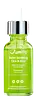
This calming treatment is formulated around Sodium Hyaluronate and Cucumis Sativus Fruit Extract to calm redness and hydrate skin.
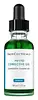
This calming serum is formulated around Centella Asiatica Extract and Aloe Barbadensis Leaf Extract to calm redness and hydrate skin.


What's inside
What's inside
 Key Ingredients
Benefits
Concerns
Ingredients Side-by-side
Water
Skin ConditioningGlycerin
Humectant


Propylene Glycol
Humectant

Polysorbate 80
Emulsifying
Phenoxyethanol
Preservative
Sodium Benzoate
Masking
Sodium Hyaluronate
Humectant


Hydroxyethylcellulose
Emulsion StabilisingDisodium EDTA
Olea Europaea Leaf Extract
Perfuming
Parfum
Masking

Benzophenone-4
UV Absorber
Butylene Glycol
Humectant
Citrus Grandis Extract
AntimicrobialCitrus Grandis Fruit Extract
Astringent
Cucumis Sativus Fruit Extract
Emollient
Benzyl Benzoate
Antimicrobial
CI 19140
Cosmetic ColorantThymus Vulgaris Flower/Leaf Extract
MaskingEucalyptus Globulus Leaf Oil
Perfuming

Benzyl Alcohol
Perfuming
Alpha-Isomethyl Ionone
Perfuming
CI 42090
Cosmetic ColorantLinalool
Perfuming
Citronellol
Perfuming
Morus Alba Root Extract
BleachingWater, Glycerin, Propylene Glycol, Polysorbate 80, Phenoxyethanol, Sodium Benzoate, Sodium Hyaluronate, Hydroxyethylcellulose, Disodium EDTA, Olea Europaea Leaf Extract, Parfum, Benzophenone-4, Butylene Glycol, Citrus Grandis Extract, Citrus Grandis Fruit Extract, Cucumis Sativus Fruit Extract, Benzyl Benzoate, CI 19140, Thymus Vulgaris Flower/Leaf Extract, Eucalyptus Globulus Leaf Oil, Benzyl Alcohol, Alpha-Isomethyl Ionone, CI 42090, Linalool, Citronellol, Morus Alba Root Extract
Centella Asiatica Extract
Cleansing
Aloe Barbadensis Leaf Extract
Emollient
Propanediol
Solvent
Water
Skin ConditioningButylene Glycol
Humectant
Methylpropanediol
SolventNiacinamide
Smoothing





Glycerin
Humectant
Madecassoside
Antioxidant
Asiaticoside
Antioxidant
Sodium Hyaluronate Crosspolymer
Humectant
Hydrolyzed Hyaluronic Acid
Humectant
Sodium Hyaluronate
Humectant
Hydroxypropyltrimonium Hyaluronate
Hyaluronic Acid
Humectant
Sodium Acetylated Hyaluronate
Humectant
Hydrolyzed Glycosaminoglycans
HumectantCeramide NP
Skin Conditioning
Helianthus Annuus Seed Oil
Emollient
Camellia Japonica Seed Oil
Emollient
Macadamia Ternifolia Seed Oil
Emollient
Argania Spinosa Kernel Oil
Emollient
Limnanthes Alba Seed Oil
Skin Conditioning
Chamaecyparis Obtusa Leaf Extract
Skin ConditioningGlycine
Buffering
Serine
Masking
Glutamic Acid
Humectant
Benzyl Glycol
SolventAspartic Acid
Masking
Leucine
Skin ConditioningAlanine
Masking
Lysine
Skin ConditioningArginine
Masking
Tyrosine
MaskingPhenylalanine
Masking
Valine
MaskingThreonine
Proline
Skin Conditioning
Isoleucine
Skin ConditioningHistidine
Humectant
Methionine
Skin ConditioningCysteine
Antioxidant
Lactobacillus/Soybean Ferment Extract
Skin ConditioningPortulaca Oleracea Extract
Skin Conditioning
Origanum Vulgare Leaf Extract
Skin ConditioningCinnamomum Cassia Bark Extract
Masking
Salix Alba Bark Extract
Astringent
Scutellaria Baicalensis Root Extract
Astringent
Diethoxyethyl Succinate
SolventSpirulina Maxima Extract
SmoothingDipropylene Glycol
HumectantRaspberry Ketone
Masking
Caprylyl Glycol
Emollient
Allantoin
Skin Conditioning
Sodium Polyacryloyldimethyl Taurate
Emulsion StabilisingGlyceryl Acrylate/Acrylic Acid Copolymer
Humectant1,2-Hexanediol
Skin Conditioning
Hydroxyethylcellulose
Emulsion StabilisingHydrogenated Polydecene
EmollientOctyldodecanol
Emollient
Hydrogenated Lecithin
Emulsifying
Trideceth-10
CleansingDipotassium Glycyrrhizate
Humectant
Adenosine
Skin Conditioning
Hydroxyacetophenone
Antioxidant
Ammonium Acryloyldimethyltaurate/Vp Copolymer
Ethylhexylglycerin
Skin ConditioningDisodium EDTA
Centella Asiatica Extract, Aloe Barbadensis Leaf Extract, Propanediol, Water, Butylene Glycol, Methylpropanediol, Niacinamide, Glycerin, Madecassoside, Asiaticoside, Sodium Hyaluronate Crosspolymer, Hydrolyzed Hyaluronic Acid, Sodium Hyaluronate, Hydroxypropyltrimonium Hyaluronate, Hyaluronic Acid, Sodium Acetylated Hyaluronate, Hydrolyzed Glycosaminoglycans, Ceramide NP, Helianthus Annuus Seed Oil, Camellia Japonica Seed Oil, Macadamia Ternifolia Seed Oil, Argania Spinosa Kernel Oil, Limnanthes Alba Seed Oil, Chamaecyparis Obtusa Leaf Extract, Glycine, Serine, Glutamic Acid, Benzyl Glycol, Aspartic Acid, Leucine, Alanine, Lysine, Arginine, Tyrosine, Phenylalanine, Valine, Threonine, Proline, Isoleucine, Histidine, Methionine, Cysteine, Lactobacillus/Soybean Ferment Extract, Portulaca Oleracea Extract, Origanum Vulgare Leaf Extract, Cinnamomum Cassia Bark Extract, Salix Alba Bark Extract, Scutellaria Baicalensis Root Extract, Diethoxyethyl Succinate, Spirulina Maxima Extract, Dipropylene Glycol, Raspberry Ketone, Caprylyl Glycol, Allantoin, Sodium Polyacryloyldimethyl Taurate, Glyceryl Acrylate/Acrylic Acid Copolymer, 1,2-Hexanediol, Hydroxyethylcellulose, Hydrogenated Polydecene, Octyldodecanol, Hydrogenated Lecithin, Trideceth-10, Dipotassium Glycyrrhizate, Adenosine, Hydroxyacetophenone, Ammonium Acryloyldimethyltaurate/Vp Copolymer, Ethylhexylglycerin, Disodium EDTA
Reviews
Ingredients Explained
These ingredients are found in both products.
Ingredients higher up in an ingredient list are typically present in a larger amount.
Butylene Glycol (or BG) is used within cosmetic products for a few different reasons:
Overall, Butylene Glycol is a safe and well-rounded ingredient that works well with other ingredients.
Though this ingredient works well with most skin types, some people with sensitive skin may experience a reaction such as allergic rashes, closed comedones, or itchiness.
Learn more about Butylene GlycolDisodium EDTA is a chelating agent. It grabs onto and deactivates metal ions that sneak into your products from water, packaging, or air.
This ingredient mainly works behind the scenes and helps with:
On top of that, this ingredient can counteract the effects of hard water by binding to the minerals in it.
One thing worth knowing is that Disodium EDTA has been shown to be a mild penetration enhancer. It can help other ingredients absorb into skin more effectively which can be a double-edged sword (great for actives, but can also make the active too strong if you have sensitive skin).
Clinical patch testing showed no significant skin irritation at typical use concentrations and minimal dermal absorption.
You'll most likely see this ingredient near the end of an ingredient list. It's typically found in concentrations less than 1%.
Learn more about Disodium EDTAGlycerin (or glycerol) is a compound naturally found in your skin. It's a powerhouse humectant that pulls water into the stratum corneum.
Topically, glycerin does several things at once:
Your skin makes glycerin on its own (mostly from sebaceous oil breakdown) and shuttles it to your outermost layer of skin, or your epidermis, via aquaporin-3.
Aquaporin-3 is a transporter that is essential for normal skin hydration, elasticity, and repair. Interestingly, mice lacking in AQP3 have dry and less elastic skin that can be fully corrected with glycerin.
This ingredient is non-irritating, plays well with almost every ingredient, and works across all skin types. Typical use is anywhere between 3-10% but can go up to 79% in some leave-on products.
Just know very high concentrations (>40%) can feel tacky in low humidity.
Glycerin is the name for this ingredient in American English. British English uses Glycerol/Glycerine.
Learn more about GlycerinHydroxyethylcellulose is used to improve the texture of products. It is created from a chemical reaction involving ethylene oxide and alkali-cellulose. Cellulose is a sugar found in plant cell walls and help give plants structure.
This ingredient helps stabilize products by preventing ingredients from separating. It can also help thicken the texture of a product.
This ingredient can also be found in pill medicines to help our bodies digest other ingredients.
Learn more about HydroxyethylcelluloseSodium Hyaluronate is the salt form of hyaluronic acid. It is a long sugar chain that is naturally found in your skin, joints, and connective tissue that maintains hydration and elasticity.
In skincare, it works as a humectant. It pulls water from the environment and deeper layers of skin and binds it to the surface.
Interestingly, the size of the molecule affects its behavior:
Some clinical evidence links low molecular weight versions to improved wrinkle depth, elasticity, anti-inflammatory effects, and barrier repair.
Many serums use a blend of both weights so you can get surface hydration plus longer-lasting and deeper effects.
You'll typically see concentrations between 0.1-2% for this ingredient.
Learn more about Sodium HyaluronateWater. It's the most common cosmetic ingredient of all. You'll usually see it at the top of ingredient lists, meaning that it makes up the largest part of the product.
So why is it so popular? Water most often acts as a solvent - this means that it helps dissolve other ingredients into the formulation.
You'll also recognize water as that liquid we all need to stay alive. If you see this, drink a glass of water. Remember to stay hydrated!
Learn more about Water

