
What's inside
What's inside
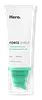 Key Ingredients
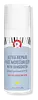
Benefits
Concerns
Ingredients Side-by-side
Zinc Oxide 17.53%
Cosmetic Colorant


Water
Skin ConditioningCaprylic/Capric Triglyceride
Masking


C13-15 Alkane
SolventPropanediol
Solvent
C15-19 Alkane
SolventBis-Diglyceryl Polyacyladipate-2
Emollient
Butyloctyl Salicylate
Skin Conditioning
Ectoin
Skin Conditioning




Alteromonas Ferment Extract
Skin Conditioning
Harungana Madagascariensis Extract
Skin ConditioningIpomoea Batatas Root Extract
Skin ConditioningRubus Idaeus Seed Oil
Emollient
Camellia Sinensis Leaf Extract
Antimicrobial


Corallina Officinalis Extract
Skin Conditioning
Curcuma Longa Leaf Extract
Skin ConditioningMelia Azadirachta Flower Extract
Skin ConditioningMelia Azadirachta Leaf Extract
Skin ConditioningMoringa Oleifera Seed Oil
Emollient
Ocimum Sanctum Leaf Extract
Skin ConditioningOryza Sativa Hull Extract
MoisturisingSolanum Melongena Fruit Extract
Skin ConditioningCoccinia Indica Fruit Extract
Skin ConditioningTocopherol
Antioxidant

Bisabolol
Antioxidant
Amber Powder
Coco-Glucoside
Cleansing
Glucose
Humectant
Glycerin
Humectant
Xanthan Gum
Emulsifying1,2-Hexanediol
Skin Conditioning
Caprylhydroxamic Acid
Arachidyl Alcohol
Emollient
Arachidyl Glucoside
EmulsifyingHydroxyacetophenone
Antioxidant
Polyacrylate Crosspolymer-6
Emulsion StabilisingBehenyl Alcohol
Emollient
Cetearyl Alcohol
Emollient

Isostearic Acid
Cleansing
Lecithin
Emollient
Polyglycerin-3
Humectant
Polyglyceryl-3 Lactate/Laurate
CleansingPolyglyceryl-3 Polyricinoleate
Emulsifying
Polyhydroxystearic Acid
Emulsifying
Silica
Abrasive
T-Butyl Alcohol
Perfuming


Sodium Benzoate
Masking
Sodium Citrate
BufferingSodium Dilauramidoglutamide Lysine
HumectantSodium Phytate
Citric Acid
Buffering

Inositol
Humectant
Lactobacillus Ferment Lysate
Skin Conditioning
Saccharomyces Lysate
Skin Conditioning
Butylene Glycol
Humectant
Caprylyl Glycol
Emollient
Zinc Oxide 17.53%, Water, Caprylic/Capric Triglyceride, C13-15 Alkane, Propanediol, C15-19 Alkane, Bis-Diglyceryl Polyacyladipate-2, Butyloctyl Salicylate, Ectoin, Alteromonas Ferment Extract, Harungana Madagascariensis Extract, Ipomoea Batatas Root Extract, Rubus Idaeus Seed Oil, Camellia Sinensis Leaf Extract, Corallina Officinalis Extract, Curcuma Longa Leaf Extract, Melia Azadirachta Flower Extract, Melia Azadirachta Leaf Extract, Moringa Oleifera Seed Oil, Ocimum Sanctum Leaf Extract, Oryza Sativa Hull Extract, Solanum Melongena Fruit Extract, Coccinia Indica Fruit Extract, Tocopherol, Bisabolol, Amber Powder, Coco-Glucoside, Glucose, Glycerin, Xanthan Gum, 1,2-Hexanediol, Caprylhydroxamic Acid, Arachidyl Alcohol, Arachidyl Glucoside, Hydroxyacetophenone, Polyacrylate Crosspolymer-6, Behenyl Alcohol, Cetearyl Alcohol, Isostearic Acid, Lecithin, Polyglycerin-3, Polyglyceryl-3 Lactate/Laurate, Polyglyceryl-3 Polyricinoleate, Polyhydroxystearic Acid, Silica, T-Butyl Alcohol, Sodium Benzoate, Sodium Citrate, Sodium Dilauramidoglutamide Lysine, Sodium Phytate, Citric Acid, Inositol, Lactobacillus Ferment Lysate, Saccharomyces Lysate, Butylene Glycol, Caprylyl Glycol
Octocrylene 10%
UV Absorber

Zinc Oxide 10.13%
Cosmetic Colorant
Water
Skin ConditioningIsononyl Isononanoate
EmollientGlycerin
Humectant
Dimethicone
Emollient
C13-15 Alkane
SolventPolyglyceryl-6 Stearate
Emollient
Hydroxypropyl Starch Phosphate
Ethylhexyl Methoxycrylene
Skin Conditioning
C12-15 Alkyl Benzoate
AntimicrobialPolysorbate 20
Emulsifying
Phenoxyethanol
Preservative
Glyceryl Stearate
Emollient
Cetearyl Alcohol
Emollient
Hydrogen Dimethicone
Polyglyceryl-6 Behenate
Emulsion Stabilising
Hydroxyethyl Acrylate/Sodium Acryloyldimethyl Taurate Copolymer
Emulsion StabilisingXanthan Gum
EmulsifyingIsohexadecane
EmollientChrysanthemum Parthenium Extract
Skin ConditioningCamellia Sinensis Leaf Extract
Antimicrobial
Glycyrrhiza Glabra Root Extract
Bleaching
Polyhydroxystearic Acid
Emulsifying
Polysorbate 60
Emulsifying
Sodium Benzoate
Masking
Potassium Sorbate
Preservative
Sorbitan Isostearate
Emulsifying
Tetrasodium EDTA
Octocrylene 10%, Zinc Oxide 10.13%, Water, Isononyl Isononanoate, Glycerin, Dimethicone, C13-15 Alkane, Polyglyceryl-6 Stearate, Hydroxypropyl Starch Phosphate, Ethylhexyl Methoxycrylene, C12-15 Alkyl Benzoate, Polysorbate 20, Phenoxyethanol, Glyceryl Stearate, Cetearyl Alcohol, Hydrogen Dimethicone, Polyglyceryl-6 Behenate, Hydroxyethyl Acrylate/Sodium Acryloyldimethyl Taurate Copolymer, Xanthan Gum, Isohexadecane, Chrysanthemum Parthenium Extract, Camellia Sinensis Leaf Extract, Glycyrrhiza Glabra Root Extract, Polyhydroxystearic Acid, Polysorbate 60, Sodium Benzoate, Potassium Sorbate, Sorbitan Isostearate, Tetrasodium EDTA
Reviews
Ingredients Explained
These ingredients are found in both products.
Ingredients higher up in an ingredient list are typically present in a larger amount.
C13-15 Alkane is a group of alkanes with 13 to 15 carbon atoms in the alkyl chain.
It is a solvent and texture enhancer. Solvents are used to keep ingredients together in a product. They can help dissolve ingredients to stable bases or help evenly distribute ingredients throughout the product.
Camellia Sinensis Leaf Extract (tea extract) is one of the most well-researched plant extracts in skincare with an impressive resume.
Black tea, green tea, and oolong tea are all harvested from the Camellia Sinensis plant.
Studies show green tea extract and its catechins (like epigallocatechin gallate (EGCG)) help your skin cells product energy more efficiently and reducing the number of free-radicals that can damage your skin from the inside.
In lab-grown skin models, this translated to younger, healthier, and stronger skin.
There's also good sun protection data; researchers saw less DNA damage and redness on human skin when green tea was applied before UVB exposure. And the more they applied, the better the protection.
Needless to say, this ingredient shouldn't replace your sunscreen. But it is a great supportive ingredient that you can already find in many sunscreens and antioxidant serums.
A 2009 study found a 2% green tea lotion was effective for mild-to-moderate acne thanks to its anti-inflammatory and mild antimicrobial activity.
The quality of the extract matters a lot here:
Good extracts contain 50-90% catechins while lower quality ones are mostly there for marketing. We recommend reaching out to the brand if you have questions about the quality or source of their ingredients.
Human Repeated Insult Patch Testing showed no irritation or sensitization at use concentrations (0.86% in leave-on products and up to 30% as leaf water).
Learn more about Camellia Sinensis Leaf ExtractCetearyl alcohol is a waxy mixture of two fatty alcohols: cetyl alcohol and stearyl alcohol. It is an emollient and emulsifier.
Despite having "alcohol" in its name, it has nothing to do with drying solvent alcohols; the FDA also allows "alcohol-free" products to contain fatty alcohols like this ingredient.
It plays several roles in a formula:
Typical use levels for this ingredient sit around 1-10% and the Cosmetic Ingredient Review Expert Panel has affirmed safety at concentrations up to 25% in leave-on products.
Multiple assessments have found it to be non-irritating and non-sensitizing to most people.
However, there have been some cases of allergic contact dermatitis in patients with chronically compromised skin barriers.
Cetearyl alcohol has a comedogenic rating of 2 and irritancy rating of 1. Both of these numbers come from the 1989 study that used rabbit ears; a "2" means mildly comedogenic and a "1" means low irritancy.
Here's the catch: rabbit skin is more sensitive than human skin and throws a lot of false positives. A 1996 reappraisal found that ingredients rated 1-2 in the rabbit ear tests are generally safe for humans.
Remember comedogenic ratings are unable to assess the entire formula of a product or how it will react on your skin. Just be sure to patch test if you are unsure about certain ingredients.
This ingredient is not fungal acne safe. Cetearyl alcohol is a fatty alcohol with chain lengths that fall within the range that Malassezia can metabolize.
Learn more about Cetearyl AlcoholGlycerin (or glycerol) is a compound naturally found in your skin. It's a powerhouse humectant that pulls water into the stratum corneum.
Topically, glycerin does several things at once:
Your skin makes glycerin on its own (mostly from sebaceous oil breakdown) and shuttles it to your outermost layer of skin, or your epidermis, via aquaporin-3.
Aquaporin-3 is a transporter that is essential for normal skin hydration, elasticity, and repair. Interestingly, mice lacking in AQP3 have dry and less elastic skin that can be fully corrected with glycerin.
This ingredient is non-irritating, plays well with almost every ingredient, and works across all skin types. Typical use is anywhere between 3-10% but can go up to 79% in some leave-on products.
Just know very high concentrations (>40%) can feel tacky in low humidity.
Glycerin is the name for this ingredient in American English. British English uses Glycerol/Glycerine.
Learn more about GlycerinPolyhydroxystearic Acid is a vegetable-derived soft wax made from castor oil. It's an emulsion stabilizer, thickener, and film former.
You'll likely see it in sunscreens because it helps disperse pigments and UV-reflecting minerals like titanium dioxide and zinc oxide evenly.
Depending on the concentration, it can drastically change the texture of a product from pasty solid (like lipstick) to sprayable liquid.
The CIR Expert Panel for Cosmetic Ingredient Safety has concluded this ingredient to be safe in cosmetics. The highest reported use concentration is 14.2% in lipsticks.
Learn more about Polyhydroxystearic AcidSodium Benzoate is a preservative. It's used in both cosmetic and food products to inhibit the growth of mold and bacteria. It is typically produced synthetically.
Both the US FDA and EU Health Committee have approved the use of sodium benzoate. In the US, levels of 0.1% (of the total product) are allowed.
Sodium benzoate works as a preservative by inhibiting the growth of bacteria inside of cells. It prevents the cell from fermenting a type of sugar using an enzyme called phosphofructokinase.
It is the salt of benzoic acid. Foods containing sodium benzoate include soda, salad dressings, condiments, fruit juices, wines, and snack foods.
Studies for using ascorbic acid and sodium benzoate in cosmetics are lacking, especially in skincare routines with multiple steps.
We always recommend speaking with a professional, such as a dermatologist, if you have any concerns.
Learn more about Sodium BenzoateWater. It's the most common cosmetic ingredient of all. You'll usually see it at the top of ingredient lists, meaning that it makes up the largest part of the product.
So why is it so popular? Water most often acts as a solvent - this means that it helps dissolve other ingredients into the formulation.
You'll also recognize water as that liquid we all need to stay alive. If you see this, drink a glass of water. Remember to stay hydrated!
Learn more about WaterXanthan gum is used as a stabilizer and thickener within cosmetic products. It helps give products a sticky, thick feeling - preventing them from being too runny.
On the technical side of things, xanthan gum is a polysaccharide - a combination consisting of multiple sugar molecules bonded together.
Xanthan gum is a pretty common and great ingredient. It is a natural, non-toxic, non-irritating ingredient that is also commonly used in food products.
Learn more about Xanthan GumZinc Oxide is a mineral broad-spectrum UV filter; it is the broadest UVA and UVB reflector approved by the FDA. It also has skin protectant and skin soothing properties.
Zinc oxide is one of the most effective broad-spectrum UV filters. It protects against UVB, UVAII, and UVAI. In comparison to its counterpart titanium dioxide, zinc oxide provides uniform and extended UVA protection.
Another great benefit? This ingredient is highly photostable so it won't degrade easily under sunlight.
A common myth is that mineral UV filters are widely believed to primarily reflect UV light.
However, modern research shows titanium dioxide absorbs UV radiation like chemical filters (~95% absorption & 5% reflection).
Zinc oxide has great skin soothing properties so you'll likely find this in sunscreens formulated for sensitive skin or babies/children. It is unlikely to cause "eye sting" like other sunscreen ingredients.
Regulatory agencies consider zinc oxide to be non-toxic and safe. It has also been shown to not penetrate the skin.
Unfortunately, this ingredient does leave a visible white cast. This is why mineral sunscreens are often less cosmetically elegant than chemical or hybrid ones.
In cosmetics, zinc oxide can be found in both non-nano and nano-sized forms. The nano version is used to reduce white cast and improve the texture of sunscreen formulas.
There are ongoing concerns surrounding nano-zinc oxide's impact on marine ecosystems and whether it can be absorbed into skin.
Regarding marine ecosystems and coral reefs, there is no conclusive evidence that any form of zinc oxide (or any other sunscreen ingredients) will cause harm. The science is still developing but many consumers are keeping a close eye on this issue.
Please note, many destinations have reef-safety sunscreen rules. For instance, the U.S. Virgin Islands advises all visitors to use non-nano mineral sunscreens.
There has also been some stir about whether micronized or nano zinc oxide has potential photoxicity and absorption through the skin/lungs.
An in-vitro (done in a test tube or petri dish) study demonstrated micronized zinc oxide to have potential phototoxicity. There's no need to fret; the EU Commission's Scientific Committee on Consumer Safety has stated, "The relevance of these findings needs to be clarified by appropriate investigations in vivo." Or in other words, further studies done on living organisms are needed to prove this.
Current research shows zinc oxide nanoparticles do not penetrate intact or sunburned skin. They either remain on the surface or in the outermost layer of dead skin (stratum corneum).
Zinc oxide is one of only two classified mineral UV filters with titanium dioxide being the other one.
Fun fact: Zinc has been used throughout history as an ingredient in paint and medicine. An Indian text from 500BC is believed to list zinc oxide as a salve for open wound. The Ancient Greek physician Dioscorides has also mentioned the use of zinc as an ointment in 1AD.
Learn more about Zinc Oxide
