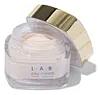
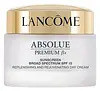
HEMA L.A.B. Day Cream Cell Renewal with SPF 15 Versus Lancôme Absolue Premium ΒX Day Cream With SPF 15
This anti-aging day moisturizer is formulated around Acetyl Hexapeptide-8 and Caffeine to soften the look of wrinkles and calm redness.
This anti-aging day moisturizer is formulated around Sodium Hyaluronate and Adenosine to soften the look of wrinkles and hydrate skin.


What's inside
What's inside
 Key Ingredients
Benefits
Concerns
Ingredients Side-by-side
Water
Skin ConditioningEthylhexyl Salicylate
UV Absorber

Dicaprylyl Carbonate
EmollientDiisopropyl Sebacate
EmollientGlycerin
Humectant


Cetyl Alcohol
Emollient



Glyceryl Stearate
Emollient
Butyl Methoxydibenzoylmethane
UV Absorber
Sucrose Polystearate
EmollientButylene Glycol
Humectant
Phenylbenzimidazole Sulfonic Acid
UV Absorber
Cetearyl Alcohol
Emollient


Oryza Sativa Starch
AbsorbentCaffeine
Skin Conditioning

Bis-Ethylhexyloxyphenol Methoxyphenyl Triazine
UV Absorber
Ethylhexyl Triazone
UV Absorber
Moringa Oleifera Seed Oil
Emollient
Sodium Stearoyl Glutamate
CleansingLecithin
Emollient
Haematococcus Pluvialis Extract
Antioxidant

Sclerotium Gum
Emulsion StabilisingTocopherol
Antioxidant


Acetyl Hexapeptide-8
Humectant
Squalane
Emollient
Beta-Sitosterol
Emulsion Stabilising
1,2-Hexanediol
Skin Conditioning
Sodium Hydroxide
BufferingCitric Acid
Buffering
Caprylyl Glycol
Emollient
Phytic Acid
Chelating
Tetrasodium EDTA
ChelatingParfum
Masking


Hexyl Cinnamal
Perfuming
Benzyl Salicylate
Perfuming
Hydroxyacetophenone
Antioxidant
Water, Ethylhexyl Salicylate, Dicaprylyl Carbonate, Diisopropyl Sebacate, Glycerin, Cetyl Alcohol, Glyceryl Stearate, Butyl Methoxydibenzoylmethane, Sucrose Polystearate, Butylene Glycol, Phenylbenzimidazole Sulfonic Acid, Cetearyl Alcohol, Oryza Sativa Starch, Caffeine, Bis-Ethylhexyloxyphenol Methoxyphenyl Triazine, Ethylhexyl Triazone, Moringa Oleifera Seed Oil, Sodium Stearoyl Glutamate, Lecithin, Haematococcus Pluvialis Extract, Sclerotium Gum, Tocopherol, Acetyl Hexapeptide-8, Squalane, Beta-Sitosterol, 1,2-Hexanediol, Sodium Hydroxide, Citric Acid, Caprylyl Glycol, Phytic Acid, Tetrasodium EDTA, Parfum, Hexyl Cinnamal, Benzyl Salicylate, Hydroxyacetophenone
Butyl Methoxydibenzoylmethane 2%
UV Absorber
Ethylhexyl Salicylate 5%
UV Absorber
Octocrylene 8%
UV Absorber
Water
Skin ConditioningHydrogenated Polyisobutene
EmollientAlcohol Denat.
Antimicrobial

Bis-PEG-18 Methyl Ether Dimethyl Silane
EmollientGlycerin
Humectant
Cyclohexasiloxane
Emollient
Cetearyl Alcohol
Emollient
Dimethicone
Emollient
PEG-20
HumectantPrunus Armeniaca Kernel Oil
Masking
Petrolatum
Emollient
C13-14 Isoparaffin
Emollient
Tocopheryl Acetate
Antioxidant
Hydroxypropyl Tetrahydropyrantriol
Skin ConditioningHydrolyzed Malt Extract
Skin ConditioningSodium Hyaluronate
Humectant
Padina Pavonica Extract
Skin ConditioningSodium Hydroxide
BufferingHydrolyzed Soy Protein
Humectant
Adenosine
Skin Conditioning
PEG-100 Stearate
Surfactant
Polyacrylamide
Calcium Pantothenate
Dimethyl Isosorbide
SolventDimethiconol
Emollient
Limonene
Perfuming
Xanthan Gum
EmulsifyingLinalool
Perfuming
Dioscorea Villosa Root Extract
Skin Conditioning
Iron Oxides
Caprylyl Glycol
Emollient
Capryloyl Salicylic Acid
Exfoliating



Paraffin
Skin Conditioning
Acrylates/C10-30 Alkyl Acrylate Crosspolymer
Emulsion StabilisingDisodium EDTA
ChelatingButyrospermum Parkii Butter
Skin Conditioning
Butylene Glycol
Humectant
Cetyl Alcohol
Emollient
Cetearyl Glucoside
Emulsifying
Octyldodecanol
Emollient
Citronellol
Perfuming
Laureth-7
EmulsifyingHexyldecanol
Emollient
Glyceryl Stearate
Emollient
Parfum
Masking
Butyl Methoxydibenzoylmethane 2%, Ethylhexyl Salicylate 5%, Octocrylene 8%, Water, Hydrogenated Polyisobutene, Alcohol Denat., Bis-PEG-18 Methyl Ether Dimethyl Silane, Glycerin, Cyclohexasiloxane, Cetearyl Alcohol, Dimethicone, PEG-20, Prunus Armeniaca Kernel Oil, Petrolatum, C13-14 Isoparaffin, Tocopheryl Acetate, Hydroxypropyl Tetrahydropyrantriol, Hydrolyzed Malt Extract, Sodium Hyaluronate, Padina Pavonica Extract, Sodium Hydroxide, Hydrolyzed Soy Protein, Adenosine, PEG-100 Stearate, Polyacrylamide, Calcium Pantothenate, Dimethyl Isosorbide, Dimethiconol, Limonene, Xanthan Gum, Linalool, Dioscorea Villosa Root Extract, Iron Oxides, Caprylyl Glycol, Capryloyl Salicylic Acid, Paraffin, Acrylates/C10-30 Alkyl Acrylate Crosspolymer, Disodium EDTA, Butyrospermum Parkii Butter, Butylene Glycol, Cetyl Alcohol, Cetearyl Glucoside, Octyldodecanol, Citronellol, Laureth-7, Hexyldecanol, Glyceryl Stearate, Parfum
Ingredients Explained
These ingredients are found in both products.
Ingredients higher up in an ingredient list are typically present in a larger amount.
Also known as Avobenzone, this ingredient is an oil-soluble used to absorb the full spectrum of UVA rays (peak 357 nm).
It's one of the most effective UVA filters available but has a major caveat of photostability: avobenzone is susceptible to photodegradation.
This means it can lose efficacy when exposed to sunlight without the help of a stabilizing agent.
Studies show antioxidants (like vitamin E or vitamin C) and some UV filters (like octocrylene and Tinosorb S) can meaningfully improve its stability in a formulation.
The maximum allowable concentration according to regulation is 3% in the US + Canada, and 5% in the EU, Australia, China, Korea, and ASEAN countries.
It has a well-support safety profile: a comprehensive 2025 review found minimal toxicity with no evidence of carcinogenicity.
Overall, avobenzone is a safe and regulated ingredient used in sunscreen for over 40 years.
Learn more about Butyl MethoxydibenzoylmethaneButylene Glycol (or BG) is used within cosmetic products for a few different reasons:
Overall, Butylene Glycol is a safe and well-rounded ingredient that works well with other ingredients.
Though this ingredient works well with most skin types, some people with sensitive skin may experience a reaction such as allergic rashes, closed comedones, or itchiness.
Learn more about Butylene GlycolCaprylyl Glycol is a humectant, skin conditioner, emollient, and preservative booster derived from either caprylic acid or synthetically created.
Typical use levels vary from 0.3-1% as a preservative booster and go up to 2% to condition skin.
Because it is not a free-fatty acid, this ingredient is fungal acne safe (there's nothing for Malassezia to feed on).
Learn more about Caprylyl GlycolCetearyl alcohol is a waxy mixture of two fatty alcohols: cetyl alcohol and stearyl alcohol. It is an emollient and emulsifier.
Despite having "alcohol" in its name, it has nothing to do with drying solvent alcohols; the FDA also allows "alcohol-free" products to contain fatty alcohols like this ingredient.
It plays several roles in a formula:
Typical use levels for this ingredient sit around 1-10% and the Cosmetic Ingredient Review Expert Panel has affirmed safety at concentrations up to 25% in leave-on products.
Multiple assessments have found it to be non-irritating and non-sensitizing to most people.
However, there have been some cases of allergic contact dermatitis in patients with chronically compromised skin barriers.
Cetearyl alcohol has a comedogenic rating of 2 and irritancy rating of 1. Both of these numbers come from the 1989 study that used rabbit ears; a "2" means mildly comedogenic and a "1" means low irritancy.
Here's the catch: rabbit skin is more sensitive than human skin and throws a lot of false positives. A 1996 reappraisal found that ingredients rated 1-2 in the rabbit ear tests are generally safe for humans.
Remember comedogenic ratings are unable to assess the entire formula of a product or how it will react on your skin. Just be sure to patch test if you are unsure about certain ingredients.
This ingredient is not fungal acne safe. Cetearyl alcohol is a fatty alcohol with chain lengths that fall within the range that Malassezia can metabolize.
A 2019 study has also observed Malassezia growth in the presence of this ingredient, confirming it to be not-fungal acne safe.
Learn more about Cetearyl AlcoholCetyl Alcohol is a fatty alcohol. Fatty Alcohols are most often used as an emollient or to thicken a product.
Its main roles are:
Though it has "alcohol" in the name, it is not related to denatured alcohol or ethyl alcohol.
The FDA allows products labeled "alcohol-free" to have fatty alcohols.
This ingredient may not be fungal acne safe. It is a primary fatty alcohol with a chain length above 12 carbons. A study from 2019 show Malassezia can feed on fatty alcohols in this range, so it may trigger fungal acne in those prone to it.
Learn more about Cetyl AlcoholEthylhexyl Salicylate (also called Octisalate or Octyl Salicylate) is an oil-soluble organic UV filter that's been used in sunscreen since the 1950's.
It absorbs UVB light in the 280-320 nm range with a peak absorbance around 306 nm.
You'll often see it paired with other UV filters to boost overall SPF because octisalate is a fairly week filter on its own.
The reason you'll see it so often is because it can help solubilize and stabilize the trickier filters like oxybenzone and avobenzone.
Unlike these filters, octisalate has pretty good photostability and doesn't create skin-damaging free radicals when exposed to sunlight.
The fatty-alcohol part of the molecule also gives it a light, emollient feel so it doubles as a nice texture enhancer.
Usage levels vary around the world:
Safety-wise, this ingredient has a pretty reassuring track record. The EU's Scientific Committee on Consumer Products (SCCP) found very low skin penetration in human skin tests and negative results for irritation, phototoxicity, and photoallergy.
The real-world allergy risk is pretty low too; a 2012 European study of 1,031 people recorded only 2 reactions to it (a rate of 0.19%).
You might have seen scary headlines about sunscreen getting into your blood.
In 2019, the FDA found that several chemical filters can absorb through the skin and show up in the bloodstream at small but measurable levels.
Here's the important part: these tiny levels are just a cutoff the FDA uses to decide which ingredients need more testing and doesn't mean anything harmful was found.
The researchers were clear that the results are no reason to stop wearing sunscreen.
Learn more about Ethylhexyl SalicylateGlycerin (or glycerol) is a compound naturally found in your skin. It's a powerhouse humectant that pulls water into the stratum corneum.
Topically, glycerin does several things at once:
Your skin makes glycerin on its own (mostly from sebaceous oil breakdown) and shuttles it to your outermost layer of skin, or your epidermis, via aquaporin-3.
Aquaporin-3 is a transporter that is essential for normal skin hydration, elasticity, and repair. Interestingly, mice lacking in AQP3 have dry and less elastic skin that can be fully corrected with glycerin.
This ingredient is non-irritating, plays well with almost every ingredient, and works across all skin types. Typical use is anywhere between 3-10% but can go up to 79% in some leave-on products.
Just know very high concentrations (>40%) can feel tacky in low humidity.
Glycerin is the name for this ingredient in American English. British English uses Glycerol/Glycerine.
Learn more about GlycerinGlyceryl Stearate is made by reacting glycerin with stearic acid (typically sourced from plant oils like palm or coconut). It's an emulsifier, emollient, and mild occlusive.
Emulsifiers help ingredients like oil and water stay mixed so your formula stays nicely blended and uniform in texture.
This ingredient is typically used in concentrations between 1-10%. Studies have found it to be non-sensitizing, non-phototoxic, and non-photoallergenic.
A close cousin of this ingredient is Glyceryl Stearate SE ("self-emulsifying"). This just has a small amount of sodium or potassium stearate added so it can emulsify without a co-emulsifier.
Since this ingredient is an ester of a C18 fatty acid, it may not be fungal acne safe. The Malassezia yeast can potentially metabolize within the C11-C24 range.
Fun fact: The human body also creates Glyceryl Stearate naturally.
Learn more about Glyceryl StearateParfum is a catch-all term for an ingredient or more that is used to give a scent to products.
Also called "fragrance", this ingredient can be a blend of hundreds of chemicals or plant oils. This means every product with "fragrance" or "parfum" in the ingredients list is a different mixture.
For instance, Habanolide is a proprietary trade name for a specific aroma chemical. When used as a fragrance ingredient in cosmetics, most aroma chemicals fall under the broad labeling category of “FRAGRANCE” or “PARFUM” according to EU and US regulations.
The term 'parfum' or 'fragrance' is not regulated in many countries. In many cases, it is up to the brand to define this term.
For instance, many brands choose to label themselves as "fragrance-free" because they are not using synthetic fragrances. However, their products may still contain ingredients such as essential oils that are considered a fragrance by INCI standards.
One example is Calendula flower extract. Calendula is an essential oil that still imparts a scent or 'fragrance'.
Depending on the blend, the ingredients in the mixture can cause allergies and sensitivities on the skin. Some ingredients that are known EU allergens include linalool and citronellol.
Parfum can also be used to mask or cover an unpleasant scent.
The bottom line is: not all fragrances/parfum/ingredients are created equally. If you are worried about fragrances, we recommend taking a closer look at an ingredient. And of course, we always recommend speaking with a professional.
Learn more about ParfumSodium Hydroxide is also known as lye or caustic soda. It is used to adjust the pH of products; many ingredients require a specific pH to be effective.
In small amounts, sodium hydroxide is considered safe to use. However, large amounts may cause chemical burns due to its high alkaline.
Your skin has a natural pH and acid mantle. This acid mantle helps prevent harmful bacteria from breaking through. The acid mantle also helps keep your skin hydrated.
"Alkaline" refers to a high pH level. A low pH level would be considered acidic.
Learn more about Sodium HydroxideWater. It's the most common cosmetic ingredient of all. You'll usually see it at the top of ingredient lists, meaning that it makes up the largest part of the product.
So why is it so popular? Water most often acts as a solvent - this means that it helps dissolve other ingredients into the formulation.
You'll also recognize water as that liquid we all need to stay alive. If you see this, drink a glass of water. Remember to stay hydrated!
Learn more about Water

