Lancôme Absolue Premium ΒX Day Cream With SPF 15 Versus L'Oreal Revitalift Line-Plumping Water Cream
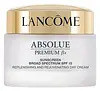
This anti-aging day moisturizer is formulated around Sodium Hyaluronate and Adenosine to soften the look of wrinkles and hydrate skin.
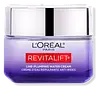
This anti-aging moisturizer is formulated around Niacinamide and Sodium Acetylated Hyaluronate to soften the look of wrinkles and hydrate skin.

What's inside
What's inside
 Key Ingredients
Benefits
Concerns
Ingredients Side-by-side
Butyl Methoxydibenzoylmethane 2%
UV Absorber
Ethylhexyl Salicylate 5%
UV Absorber
Octocrylene 8%
UV Absorber

Water
Skin ConditioningHydrogenated Polyisobutene
EmollientAlcohol Denat.
Antimicrobial


Bis-PEG-18 Methyl Ether Dimethyl Silane
EmollientGlycerin
Humectant


Cyclohexasiloxane
Emollient
Cetearyl Alcohol
Emollient




Dimethicone
Emollient
PEG-20
HumectantPrunus Armeniaca Kernel Oil
Masking
Petrolatum
Emollient
C13-14 Isoparaffin
Emollient
Tocopheryl Acetate
Antioxidant


Hydroxypropyl Tetrahydropyrantriol
Skin ConditioningHydrolyzed Malt Extract
Skin ConditioningSodium Hyaluronate
Humectant


Padina Pavonica Extract
Skin ConditioningSodium Hydroxide
BufferingHydrolyzed Soy Protein
Humectant
Adenosine
Skin Conditioning
PEG-100 Stearate
Surfactant
Polyacrylamide
Calcium Pantothenate
Dimethyl Isosorbide
SolventDimethiconol
Emollient
Limonene
Perfuming

Xanthan Gum
EmulsifyingLinalool
Perfuming
Dioscorea Villosa Root Extract
Skin Conditioning
Iron Oxides
Caprylyl Glycol
Emollient
Capryloyl Salicylic Acid
Exfoliating




Paraffin
Skin Conditioning
Acrylates/C10-30 Alkyl Acrylate Crosspolymer
Emulsion StabilisingDisodium EDTA
ChelatingButyrospermum Parkii Butter
Skin Conditioning
Butylene Glycol
Humectant
Cetyl Alcohol
Emollient
Cetearyl Glucoside
Emulsifying
Octyldodecanol
Emollient
Citronellol
Perfuming
Laureth-7
EmulsifyingHexyldecanol
Emollient
Glyceryl Stearate
Emollient
Parfum
Masking
Butyl Methoxydibenzoylmethane 2%, Ethylhexyl Salicylate 5%, Octocrylene 8%, Water, Hydrogenated Polyisobutene, Alcohol Denat., Bis-PEG-18 Methyl Ether Dimethyl Silane, Glycerin, Cyclohexasiloxane, Cetearyl Alcohol, Dimethicone, PEG-20, Prunus Armeniaca Kernel Oil, Petrolatum, C13-14 Isoparaffin, Tocopheryl Acetate, Hydroxypropyl Tetrahydropyrantriol, Hydrolyzed Malt Extract, Sodium Hyaluronate, Padina Pavonica Extract, Sodium Hydroxide, Hydrolyzed Soy Protein, Adenosine, PEG-100 Stearate, Polyacrylamide, Calcium Pantothenate, Dimethyl Isosorbide, Dimethiconol, Limonene, Xanthan Gum, Linalool, Dioscorea Villosa Root Extract, Iron Oxides, Caprylyl Glycol, Capryloyl Salicylic Acid, Paraffin, Acrylates/C10-30 Alkyl Acrylate Crosspolymer, Disodium EDTA, Butyrospermum Parkii Butter, Butylene Glycol, Cetyl Alcohol, Cetearyl Glucoside, Octyldodecanol, Citronellol, Laureth-7, Hexyldecanol, Glyceryl Stearate, Parfum
Water
Skin ConditioningPropylene Glycol
Humectant
Glycerin
Humectant
Dimethicone
Emollient
Alcohol Denat.
Antimicrobial
Octyldodecanol
Emollient
Caprylyl Methicone
Skin Conditioning
Betaine
Humectant
Niacinamide
Smoothing

Isohexadecane
EmollientHydroxypalmitoyl Sphinganine
Skin Conditioning
Sodium Acetylated Hyaluronate
Humectant
Sodium Hyaluronate
Humectant
Sodium Hydroxide
Buffering2-Oleamido-1,3-Octadecanediol
Skin ConditioningTocopheryl Acetate
Antioxidant
Ceramide NP
Skin Conditioning
Hydrogenated Lecithin
Emulsifying
Acrylates/C10-30 Alkyl Acrylate Crosspolymer
Emulsion StabilisingCarbomer
Emulsion StabilisingXanthan Gum
EmulsifyingDimethiconol
Emollient
Chlorphenesin
Antimicrobial
Phenoxyethanol
Preservative
Water, Propylene Glycol, Glycerin, Dimethicone, Alcohol Denat., Octyldodecanol, Caprylyl Methicone, Betaine, Niacinamide, Isohexadecane, Hydroxypalmitoyl Sphinganine, Sodium Acetylated Hyaluronate, Sodium Hyaluronate, Sodium Hydroxide, 2-Oleamido-1,3-Octadecanediol, Tocopheryl Acetate, Ceramide NP, Hydrogenated Lecithin, Acrylates/C10-30 Alkyl Acrylate Crosspolymer, Carbomer, Xanthan Gum, Dimethiconol, Chlorphenesin, Phenoxyethanol
Reviews
Ingredients Explained
These ingredients are found in both products.
Ingredients higher up in an ingredient list are typically present in a larger amount.
Acrylates/C10-30 Alkyl Acrylate Crosspolymer is a synthetic polymer. It is used to thicken, emulsify, and improve the texture of products.
As an emulsifier, it helps stabilize oil-in-water emulsions to give products an elegant feel when applied.
It can also form a thin protective film on skin. One study found that a formula using this polymer helped slow down how quickly other ingredients (like DEET) were absorbed through skin.
A 2024 study of over 1,300 patients confirmed that sensitization to this ingredient is rare. It is also non-mutagenic and has a clean track record.
Learn more about Acrylates/C10-30 Alkyl Acrylate CrosspolymerAlcohol Denat. is an alcohol with a denaturant property. It is created by mixing ethanol with other additives.
The "denat" part just means "denatured"; common denaturants include Denatonium Benzoate, t-butyl alcohol, and Diethyl Phthalate. This step makes the alcohol undrinkable (and lets brand skip taxes related to beverage alcohol).
This ingredient gets a bad rep because it is irritating and drying due to its astringent property. Astringents draw out natural oils in tissue to constrict pores and dry out your skin.
However, alcohol denat. is not all that bad.
Due to its low molecular weight, alcohol denat. tends to evaporate quickly. One study on pig skin found half of applied alcohol evaporated in 10 seconds and less than 3% stayed on skin.
This also helps other ingredients become better absorbed upon application.
Studies are conflicted about whether this ingredient causes skin dehydration. One study from 2005 found adding emollients to propanol-based sanitizer decreased skin dryness and irritation. Another study found irritation only occurs if your skin is already damaged.
Small amounts of alcohol are generally tolerated by oily skin or people who live in humid environments.
The rule of thumb is this ingredient will probably not affect your skin much if it is near the end of an ingredients list.
One thing to note:
People with ALDH2 (aldehyde dehydrogenase 2) deficiency may experience skin irritation from continued alcohol use. About 8% of the world's population have this deficiency.
The Cosmetic Ingredient Review Expert Panel has determined denatured alcohols to be safe for use in concentrations between 0.05% and 12% (depending on which denaturant is used).
Also...
This ingredient has antimicrobial and solvent properties.
The antimicrobial property helps preserve products and increase their shelf life. As a solvent, it helps dissolve other ingredients.
Look for formulas that contain glycerin, hyaluronic acid, or panthenol if you want to offset any drying effect.
This ingredient will trip away your skin's natural oils/lipids that help it lock in moisture. This can worsen dryness, trigger eczema flare-ups, and aggravate rosacea.
Be sure to patch test any product with this ingredient if you have dry or sensitive skin, eczema, or rosacea.
Learn more about Alcohol Denat.Dimethicone is a type of synthetic silicone created from natural materials such as quartz. It is also known as polydimethylsiloxane.
What it does:
Dimethicone comes in different viscosities:
Depending on the viscosity, dimethicone has different properties.
Ingredients lists don't always show which type is used, so we recommend reaching out to the brand if you have questions about the viscosity.
This ingredient is unlikely to cause irritation because it does not get absorbed into skin. However, people with silicone allergies should be careful about using this ingredient.
Note: Dimethicone may contribute to pilling. This is because it is not oil or water soluble, so pilling may occur when layered with products. When mixed with heavy oils in a formula, the outcome is also quite greasy.
Learn more about DimethiconeDimethiconol is a silicone that resembles the popular dimethicone. Like other silicones, it is an emollient. Emollients create a thin film on skin to prevent moisture from escaping.
This ingredient helps to create a silky texture and improve spreadability. Due to its high molecular weight and thickness, it is often combined with cyclopentasiloxane.
Glycerin (or glycerol) is a compound naturally found in your skin. It's a powerhouse humectant that pulls water into the stratum corneum.
Topically, glycerin does several things at once:
Your skin makes glycerin on its own (mostly from sebaceous oil breakdown) and shuttles it to your outermost layer of skin, or your epidermis, via aquaporin-3.
Aquaporin-3 is a transporter that is essential for normal skin hydration, elasticity, and repair. Interestingly, mice lacking in AQP3 have dry and less elastic skin that can be fully corrected with glycerin.
This ingredient is non-irritating, plays well with almost every ingredient, and works across all skin types. Typical use is anywhere between 3-10% but can go up to 79% in some leave-on products.
Just know very high concentrations (>40%) can feel tacky in low humidity.
Glycerin is the name for this ingredient in American English. British English uses Glycerol/Glycerine.
Learn more about GlycerinOctyldodecanol is a fatty alcohol sourced from plant oils like coconut or palm (or made synthetically).
It is:
You'll likely see this in many BHA products because this is the go-to solvent for salicylic acid.
This ingredient is typically used at levels between 2-20%.
Regarding fungal acne:
In 2019, this ingredient was tested against multiple Malassezia species (the yeast that causes fungal acne) and showed no growth.
Sodium Hyaluronate is the salt form of hyaluronic acid. It is a long sugar chain that is naturally found in your skin, joints, and connective tissue that maintains hydration and elasticity.
In skincare, it works as a humectant. It pulls water from the environment and deeper layers of skin and binds it to the surface.
Interestingly, the size of the molecule affects its behavior:
Some clinical evidence links low molecular weight versions to improved wrinkle depth, elasticity, anti-inflammatory effects, and barrier repair.
Many serums use a blend of both weights so you can get surface hydration plus longer-lasting and deeper effects.
You'll typically see concentrations between 0.1-2% for this ingredient.
Learn more about Sodium HyaluronateSodium Hydroxide is also known as lye or caustic soda. It is used to adjust the pH of products; many ingredients require a specific pH to be effective.
In small amounts, sodium hydroxide is considered safe to use. However, large amounts may cause chemical burns due to its high alkaline.
Your skin has a natural pH and acid mantle. This acid mantle helps prevent harmful bacteria from breaking through. The acid mantle also helps keep your skin hydrated.
"Alkaline" refers to a high pH level. A low pH level would be considered acidic.
Learn more about Sodium HydroxideTocopheryl Acetate is a stable, shelf-friendly form of vitamin E.
Formulators love it because plain vitamin E oxidizes quickly once it hits air. This acetate version stays stable and resists going off, helping to extend a product's shelf life.
It's actually inactive on its own and works like a slow-release "storage" form; the enzymes in your skin called esterases gradually convert it into active vitamin E over time.
One in vivo study showed 5% of the acetate in the living layer of the epidermis converted to vitamin E after 5 days of application. This study also found the skin gained protection against UV damage even though the conversion was slow and small.
Once converted, vitamin E acts as a skin's main fat-soluble antioxidant that fights free radicals to protect skin from damage.
Topical vitamin E generally boosts the skin's photoprotection, and it reduced UV-damage in animal models.
This ingredient has some brightening potential but it's more of a prevention ingredient than spot-fader. Cell studies show it can slow down melanin production but it's worth noting that it's not the most powerful brightener out there.
Overall, it has a pretty solid safety profile and has been found to be non-irritating and non-comedogenic. Allergic reactions may happen but stay rare due to how widely the ingredient gets used.
The concentration will vary depending on the formula; industry data shows 0.1% in baby lotions, 3% in lipsticks, and 5% in foot powders. You can also find this ingredient at 100% in a pure vitamin E oil.
Most leave-on skincare keeps it at the lower end, often between 0.5-1%.
Learn more about Tocopheryl AcetateWater. It's the most common cosmetic ingredient of all. You'll usually see it at the top of ingredient lists, meaning that it makes up the largest part of the product.
So why is it so popular? Water most often acts as a solvent - this means that it helps dissolve other ingredients into the formulation.
You'll also recognize water as that liquid we all need to stay alive. If you see this, drink a glass of water. Remember to stay hydrated!
Learn more about WaterXanthan gum is used as a stabilizer and thickener within cosmetic products. It helps give products a sticky, thick feeling - preventing them from being too runny.
On the technical side of things, xanthan gum is a polysaccharide - a combination consisting of multiple sugar molecules bonded together.
Xanthan gum is a pretty common and great ingredient. It is a natural, non-toxic, non-irritating ingredient that is also commonly used in food products.
Learn more about Xanthan Gum

