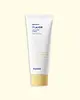
This barrier-repair moisturizer is formulated around Squalane and Panthenol to strengthen the skin barrier and hydrate skin.
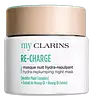
This hydrating overnight mask is formulated around Caprylic/Capric Triglyceride and Bisabolol to hydrate skin and strengthen the skin barrier.


What's inside
What's inside
 Key Ingredients
Benefits
Concerns
Ingredients Side-by-side
Water
Skin ConditioningGlycerin
Humectant


Caprylic/Capric Triglyceride
Masking
Dipropylene Glycol
HumectantCetearyl Alcohol
Emollient





Squalane
Emollient
Hydrogenated Polydecene
EmollientMethyl Trimethicone
Skin Conditioning
Pentylene Glycol
Skin Conditioning
Phenyl Trimethicone
Skin Conditioning
1,2-Hexanediol
Skin Conditioning
Glyceryl Stearate Se
Emulsifying
Phytosteryl/Isostearyl/Cetyl/Stearyl/Behenyl Dimer Dilinoleate
Skin Conditioning
Synthetic Beeswax
Emulsion Stabilising
Hydrogenated Lecithin
Emulsifying
Cetearyl Olivate
Panthenol
Skin Conditioning

Sorbitan Olivate
Emulsifying
Cetearyl Glucoside
Emulsifying
C12-16 Alcohols
EmollientHydroxyethyl Acrylate/Sodium Acryloyldimethyl Taurate Copolymer
Emulsion StabilisingGlucose
Humectant
Chlorella Vulgaris Extract
Skin ConditioningCopernicia Cerifera Wax
Hydrogenated Rice Bran Oil
Skin Conditioning
Stearic Acid
Cleansing
Sodium Acrylate/Sodium Acryloyldimethyl Taurate Copolymer
Emulsion StabilisingPalmitic Acid
Emollient
Acrylates/C10-30 Alkyl Acrylate Crosspolymer
Emulsion StabilisingPolyisobutene
Tromethamine
BufferingFructooligosaccharides
Humectant
Butylene Glycol
Humectant
Fructose
Humectant
Ethylhexylglycerin
Skin ConditioningAllantoin
Skin Conditioning
Xanthan Gum
EmulsifyingCedrus Atlantica Bark Oil
Masking



Melia Azadirachta Flower Extract
Skin ConditioningTrisodium Ethylenediamine Disuccinate
ChelatingOcimum Sanctum Leaf Extract
Skin ConditioningMelia Azadirachta Leaf Extract
Skin ConditioningCaprylyl/Capryl Glucoside
CleansingSorbitan Oleate
Emulsifying
Betaine
Humectant
Curcuma Longa Root Extract
Antioxidant
Corallina Officinalis Extract
Skin Conditioning
Ceramide NP
Skin Conditioning
Polyglyceryl-10 Stearate
Skin Conditioning
Behenyl Alcohol
Emollient
Cholesterol
Emollient
Phytosphingosine
Skin Conditioning
Ceramide Ng
Skin Conditioning
Ceramide Ns
Skin Conditioning
Ceramide AP
Skin Conditioning
Ceramide As
Skin Conditioning
Anthemis Nobilis Flower Oil
Masking
Tocopherol
Antioxidant


Sodium Hyaluronate
Humectant
Ceramide EOP
Skin Conditioning
Methylpropanediol
SolventAcetyl Glucosamine
Skin Conditioning
Magnesium PCA
Humectant
Hydroxyethyl Urea
Humectant
Propanediol
Solvent
Sodium PCA
Humectant
Hydroxypropyl Bispalmitamide Mea
Emollient
Citrus Unshiu Peel Extract
MaskingHydrolyzed Collagen
Emollient
Hydrolyzed Elastin
EmollientWater, Glycerin, Caprylic/Capric Triglyceride, Dipropylene Glycol, Cetearyl Alcohol, Squalane, Hydrogenated Polydecene, Methyl Trimethicone, Pentylene Glycol, Phenyl Trimethicone, 1,2-Hexanediol, Glyceryl Stearate Se, Phytosteryl/Isostearyl/Cetyl/Stearyl/Behenyl Dimer Dilinoleate, Synthetic Beeswax, Hydrogenated Lecithin, Cetearyl Olivate, Panthenol, Sorbitan Olivate, Cetearyl Glucoside, C12-16 Alcohols, Hydroxyethyl Acrylate/Sodium Acryloyldimethyl Taurate Copolymer, Glucose, Chlorella Vulgaris Extract, Copernicia Cerifera Wax, Hydrogenated Rice Bran Oil, Stearic Acid, Sodium Acrylate/Sodium Acryloyldimethyl Taurate Copolymer, Palmitic Acid, Acrylates/C10-30 Alkyl Acrylate Crosspolymer, Polyisobutene, Tromethamine, Fructooligosaccharides, Butylene Glycol, Fructose, Ethylhexylglycerin, Allantoin, Xanthan Gum, Cedrus Atlantica Bark Oil, Melia Azadirachta Flower Extract, Trisodium Ethylenediamine Disuccinate, Ocimum Sanctum Leaf Extract, Melia Azadirachta Leaf Extract, Caprylyl/Capryl Glucoside, Sorbitan Oleate, Betaine, Curcuma Longa Root Extract, Corallina Officinalis Extract, Ceramide NP, Polyglyceryl-10 Stearate, Behenyl Alcohol, Cholesterol, Phytosphingosine, Ceramide Ng, Ceramide Ns, Ceramide AP, Ceramide As, Anthemis Nobilis Flower Oil, Tocopherol, Sodium Hyaluronate, Ceramide EOP, Methylpropanediol, Acetyl Glucosamine, Magnesium PCA, Hydroxyethyl Urea, Propanediol, Sodium PCA, Hydroxypropyl Bispalmitamide Mea, Citrus Unshiu Peel Extract, Hydrolyzed Collagen, Hydrolyzed Elastin
Water
Skin ConditioningCaprylic/Capric Triglyceride
Masking
Glycerin
Humectant
Betaine
Humectant
Pentylene Glycol
Skin Conditioning
1,2-Hexanediol
Skin Conditioning
Pentaerythrityl Tetraethylhexanoate
Emollient
Hydroxyethyl Acrylate/Sodium Acryloyldimethyl Taurate Copolymer
Emulsion StabilisingTapioca Starch
Cocos Nucifera Fruit Juice
Emollient
Cellulose
Absorbent
Silica
Abrasive

Propylene Glycol
Humectant
Xylitylglucoside
Humectant
Butylene Glycol
Humectant
Acrylates/C10-30 Alkyl Acrylate Crosspolymer
Emulsion StabilisingAnhydroxylitol
Humectant
Parfum
Masking
Ethylhexylglycerin
Skin ConditioningXylitol
Humectant
Bisabolol
Antioxidant
Disodium EDTA
ChelatingSodium Hydroxide
BufferingGlucose
Humectant
Inulin Lauryl Carbamate
Emulsion StabilisingMarrubium Vulgare Extract
Skin ConditioningCitric Acid
Buffering
Ficus Carica Fruit Extract
Humectant
Malpighia Emarginata Seed Extract
Skin ConditioningPhenethyl Alcohol
MaskingFurcellaria Lumbricalis Extract
Skin ConditioningSodium Benzoate
Masking
Rhododendron Ferrugineum Extract
MaskingPotassium Sorbate
Preservative
Engelhardtia Chrysolepis Leaf Extract
Skin ConditioningLapsana Communis Flower/Leaf/Stem Extract
Skin ConditioningMaris Sal
Skin ConditioningWater, Caprylic/Capric Triglyceride, Glycerin, Betaine, Pentylene Glycol, 1,2-Hexanediol, Pentaerythrityl Tetraethylhexanoate, Hydroxyethyl Acrylate/Sodium Acryloyldimethyl Taurate Copolymer, Tapioca Starch, Cocos Nucifera Fruit Juice, Cellulose, Silica, Propylene Glycol, Xylitylglucoside, Butylene Glycol, Acrylates/C10-30 Alkyl Acrylate Crosspolymer, Anhydroxylitol, Parfum, Ethylhexylglycerin, Xylitol, Bisabolol, Disodium EDTA, Sodium Hydroxide, Glucose, Inulin Lauryl Carbamate, Marrubium Vulgare Extract, Citric Acid, Ficus Carica Fruit Extract, Malpighia Emarginata Seed Extract, Phenethyl Alcohol, Furcellaria Lumbricalis Extract, Sodium Benzoate, Rhododendron Ferrugineum Extract, Potassium Sorbate, Engelhardtia Chrysolepis Leaf Extract, Lapsana Communis Flower/Leaf/Stem Extract, Maris Sal
Reviews
Ingredients Explained
These ingredients are found in both products.
Ingredients higher up in an ingredient list are typically present in a larger amount.
1,2-Hexanediol is a synthetic liquid and another multi-functional powerhouse.
It is a:
- Humectant, drawing moisture into the skin
- Emollient, helping to soften skin
- Solvent, dispersing and stabilizing formulas
- Preservative booster, enhancing the antimicrobial activity of other preservatives
Acrylates/C10-30 Alkyl Acrylate Crosspolymer is a synthetic polymer. It is used to thicken, emulsify, and improve the texture of products.
As an emulsifier, it helps stabilize oil-in-water emulsions to give products an elegant feel when applied.
It can also form a thin protective film on skin. One study found that a formula using this polymer helped slow down how quickly other ingredients (like DEET) were absorbed through skin.
A 2024 study of over 1,300 patients confirmed that sensitization to this ingredient is rare. It is also non-mutagenic and has a clean track record.
Learn more about Acrylates/C10-30 Alkyl Acrylate CrosspolymerBetaine is a humectant. Like hyaluronic acid, it helps attract and retain moisture in the skin. It’s known for being gentle and for helping the skin maintain balanced hydration.
Betaine is mainly used to improve hydration and support calmer skin. It helps skin cells regulate water balance because it functions as an osmolyte.
Some studies suggest betaine may support making skin tone more even.
Fun fact: Betaine naturally exists in the skin and the body. In cosmetic products, it can be either plant-derived (most commonly from sugar beets) or synthetically produced for consistency and stability.
Betaine is also known as trimethylglycine.
Learn more about BetaineButylene Glycol (or BG) is used within cosmetic products for a few different reasons:
Overall, Butylene Glycol is a safe and well-rounded ingredient that works well with other ingredients.
Though this ingredient works well with most skin types, some people with sensitive skin may experience a reaction such as allergic rashes, closed comedones, or itchiness.
Learn more about Butylene GlycolCaprylic/Capric Triglyceride (aka MCT Oil) is a lightweight emollient, solvent, and texture enhancer. It is considered a skin-softener by helping to prevent moisture loss.
Though it behaves like an oil, it is not technically one due to its chemical composition. One perk of this ingredient is that it is very stable, resistant to oxidation, and unlikely to go rancid.
In practice, that translates to a long shelf life and a consistently elegant skin feel.
While there is an assumption Caprylic Triglyceride can clog pores due to it being derived from coconut oil, there is no research supporting this. Just patch test if you have concerns.
Fractionated coconut oil and MCT Oil are both listed as Caprylic/Capric Triglyceride according to INCI. This is because INCI names are based on the ingredient’s final chemical composition and not its marketing name or source.
This ingredient is treated as the gold standard fungal acne safe oil. Even though it is coconut derived, the problematic lauric acid is stripped out.
This leaves just caprylic (C8) and capric (C10) acid. These chain lengths actually trend antifungal; a 2020 study found caprylic acid was enough to disrupt Malassezia furfur cell membrane, with a caprylic acid derivative damaging membrane structures at concentrations as low as 0.2%.
Learn more about Caprylic/Capric TriglycerideEthylhexylglycerin is created from glycerin. It is a multitasker ingredient that:
The CIR Expert Panel found minimal skin absorption or sensitization of any kind in a safety assessment. Though this ingredient is considered well-tolerated, a small number of cases of allergic dermatitis have been published since 2002. Just be sure to patch test if you are unsure.
Industry-reported use ranges from 8% in rinse-off products and 2% in leave-on formulations.
Learn more about EthylhexylglycerinGlucose is a simple sugar (a monosaccharide). In skincare, it is mostly a humectant and skin conditioning agent.
Mechanistically, it has multiple hydroxyl groups that hydrogen-bond to water. This pulls moisture into the upper layers of skin to keep the surface soft and hydrated.
It's worth knowing sugars are already a natural component of the skin's NMF (natural moisturizing factor) so it's a molecule that your stratum corneum is well-acquainted with.
Just so you know, glucose is hydrophilic (water-loving) and the stratum corneum is a strong barrier to hydrophilic compounds. This just means penetration is slow and most of the action is happening on the surface.
Gram-to-gram, glucose is not as efficient as a humectant as glycerin. This is why you'll likely see glycose paired with stronger humectants for a bigger hydration payoff.
In skincare, glucose is typically derived from corn or other starch sources.
Learn more about GlucoseGlycerin (or glycerol) is a compound naturally found in your skin. It's a powerhouse humectant that pulls water into the stratum corneum.
Topically, glycerin does several things at once:
Your skin makes glycerin on its own (mostly from sebaceous oil breakdown) and shuttles it to your outermost layer of skin, or your epidermis, via aquaporin-3.
Aquaporin-3 is a transporter that is essential for normal skin hydration, elasticity, and repair. Interestingly, mice lacking in AQP3 have dry and less elastic skin that can be fully corrected with glycerin.
This ingredient is non-irritating, plays well with almost every ingredient, and works across all skin types. Typical use is anywhere between 3-10% but can go up to 79% in some leave-on products.
Just know very high concentrations (>40%) can feel tacky in low humidity.
Glycerin is the name for this ingredient in American English. British English uses Glycerol/Glycerine.
Learn more about GlycerinThis is a synthetic polymer. It helps improve the texture of products by adding thickness and gel-like feel.
It is also an emulsifer, meaning it prevents ingredients such as oil and water from separating. It also helps evenly disperse other ingredients.
Pentylene Glycol (1,2-pentanediol) is a multitasking little diol with three main roles in a formula:
Research on alkanediols (the family pentylene glycol belongs to) show they work by disrupting microbial cell membranes. This disruption helps the primary preservative system in a product work more effectively at lower doses.
On the safety side, the Cosmetic Ingredient Review Expert Panel has concluded this ingredient to be safe as used in current cosmetic practices + concentrations.
Typical use levels in a formula run about 1-5%.
Learn more about Pentylene GlycolWater. It's the most common cosmetic ingredient of all. You'll usually see it at the top of ingredient lists, meaning that it makes up the largest part of the product.
So why is it so popular? Water most often acts as a solvent - this means that it helps dissolve other ingredients into the formulation.
You'll also recognize water as that liquid we all need to stay alive. If you see this, drink a glass of water. Remember to stay hydrated!
Learn more about Water

