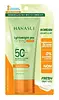
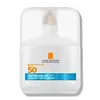
Hanasui Lightweight Pro Calming Sunscreen SPF 50 Versus La Roche-Posay Anthelios UVAir Serum Sunscreen SPF 50
This hybrid sunscreen covers the full UV range and blocks ~98% of UVB at SPF 50.
This chemical sunscreen covers most of the UV range, lighter on the deep UVA that drives aging.


What's inside
What's inside
 Key Ingredients
Benefits
Concerns
Ingredients Side-by-side
Water
Skin ConditioningEthylhexyl Methoxycinnamate
UV Absorber


Octocrylene
UV Absorber
Niacinamide
Smoothing











Trehalose
Humectant
Titanium Dioxide
Cosmetic Colorant
Aluminum Starch Octenylsuccinate
Absorbent
Sodium Acrylate/Sodium Acryloyldimethyl Taurate Copolymer
Emulsion StabilisingButyl Methoxydibenzoylmethane
UV Absorber
Butylene Glycol
Humectant
Dimethicone
Emollient
Phenoxyethanol
Preservative
Polyglyceryl-10 Isostearate
Skin Conditioning

Biosaccharide Gum-1
Humectant
C15-19 Alkane
SolventZinc Oxide
Cosmetic Colorant
Aluminum Hydroxide
EmollientDimethicone/Vinyl Dimethicone Crosspolymer
Skin Conditioning
Triethoxycaprylylsilane
C12-15 Alkyl Benzoate
AntimicrobialAllantoin
Skin Conditioning
Bisabolol
Antioxidant
Diethylamino Hydroxybenzoyl Hexyl Benzoate
UV Filter
Polyester-7
Skin ConditioningIsohexadecane
EmollientBis-Ethylhexyloxyphenol Methoxyphenyl Triazine
Skin Conditioning
Centella Asiatica Leaf Extract
Skin Conditioning
Disodium EDTA
Lactobacillus/Hydrolyzed Collagen Ferment Filtrate Extract
Humectant
Tocopheryl Acetate
Antioxidant
Ethylhexylglycerin
Skin ConditioningNeopentyl Glycol Diheptanoate
EmollientC10-16 Alkyl Glucoside
EmulsifyingMethyl Methacrylate Crosspolymer
Panthenol
Skin Conditioning
Propanediol
Solvent
Polysorbate 80
Emulsifying
Hydrogenated Lecithin
Emulsifying
Glyceryl Caprylate
EmollientSimethicone
Emollient
Sorbitan Oleate
Emulsifying
Houttuynia Cordata Extract
Skin Conditioning
1,2-Hexanediol
Skin Conditioning
Polyhydroxystearic Acid
Emulsifying
Sodium Hyaluronate Crosspolymer
Humectant
Sodium Hyaluronate
Humectant
Biosaccharide Gum-4
Skin Conditioning
Sodium Acetylated Hyaluronate
Humectant
Hyaluronic Acid
Humectant
Hydrolyzed Glycosaminoglycans
HumectantHydrolyzed Sodium Hyaluronate
Skin Conditioning
Hydrolyzed Hyaluronic Acid
Humectant
Water, Ethylhexyl Methoxycinnamate, Octocrylene, Niacinamide, Trehalose, Titanium Dioxide, Aluminum Starch Octenylsuccinate, Sodium Acrylate/Sodium Acryloyldimethyl Taurate Copolymer, Butyl Methoxydibenzoylmethane, Butylene Glycol, Dimethicone, Phenoxyethanol, Polyglyceryl-10 Isostearate, Biosaccharide Gum-1, C15-19 Alkane, Zinc Oxide, Aluminum Hydroxide, Dimethicone/Vinyl Dimethicone Crosspolymer, Triethoxycaprylylsilane, C12-15 Alkyl Benzoate, Allantoin, Bisabolol, Diethylamino Hydroxybenzoyl Hexyl Benzoate, Polyester-7, Isohexadecane, Bis-Ethylhexyloxyphenol Methoxyphenyl Triazine, Centella Asiatica Leaf Extract, Disodium EDTA, Lactobacillus/Hydrolyzed Collagen Ferment Filtrate Extract, Tocopheryl Acetate, Ethylhexylglycerin, Neopentyl Glycol Diheptanoate, C10-16 Alkyl Glucoside, Methyl Methacrylate Crosspolymer, Panthenol, Propanediol, Polysorbate 80, Hydrogenated Lecithin, Glyceryl Caprylate, Simethicone, Sorbitan Oleate, Houttuynia Cordata Extract, 1,2-Hexanediol, Polyhydroxystearic Acid, Sodium Hyaluronate Crosspolymer, Sodium Hyaluronate, Biosaccharide Gum-4, Sodium Acetylated Hyaluronate, Hyaluronic Acid, Hydrolyzed Glycosaminoglycans, Hydrolyzed Sodium Hyaluronate, Hydrolyzed Hyaluronic Acid
Butyl Methoxydibenzoylmethane 3%
UV Absorber
Homosalate 7%
Skin Conditioning
Ethylhexyl Salicylate 5%
UV Absorber
Octocrylene 7%
UV Absorber
Water
Skin ConditioningGlycerin
Humectant
C15-19 Alkane
SolventNiacinamide
Smoothing
Propanediol
Solvent
C12-22 Alkyl Acrylate/Hydroxyethylacrylate Copolymer
StabilisingTocopherol
Antioxidant
Caprylic/Capric Triglyceride
Masking
Caprylyl Glycol
Emollient
Cassia Alata Leaf Extract
AstringentCetearyl Alcohol
Emollient
Citric Acid
Buffering
Diethylhexyl Syringylidenemalonate
Skin Protecting
Glyceryl Stearate
Emollient
Helianthus Annuus Seed Wax
Skin Conditioning
Hydroxyacetophenone
Antioxidant
Hydroxypropyl Starch Phosphate
Jojoba Esters
Emollient
Maltodextrin
Absorbent
Pentylene Glycol
Skin Conditioning
Polyglycerin-3
Humectant
Sclerotium Gum
Emulsion StabilisingSodium Hyaluronate
Humectant
Sodium Hydroxide
BufferingSodium Starch Octenylsuccinate
AbsorbentSodium Stearoyl Glutamate
CleansingTrisodium Ethylenediamine Disuccinate
Butyl Methoxydibenzoylmethane 3%, Homosalate 7%, Ethylhexyl Salicylate 5%, Octocrylene 7%, Water, Glycerin, C15-19 Alkane, Niacinamide, Propanediol, C12-22 Alkyl Acrylate/Hydroxyethylacrylate Copolymer, Tocopherol, Caprylic/Capric Triglyceride, Caprylyl Glycol, Cassia Alata Leaf Extract, Cetearyl Alcohol, Citric Acid, Diethylhexyl Syringylidenemalonate, Glyceryl Stearate, Helianthus Annuus Seed Wax, Hydroxyacetophenone, Hydroxypropyl Starch Phosphate, Jojoba Esters, Maltodextrin, Pentylene Glycol, Polyglycerin-3, Sclerotium Gum, Sodium Hyaluronate, Sodium Hydroxide, Sodium Starch Octenylsuccinate, Sodium Stearoyl Glutamate, Trisodium Ethylenediamine Disuccinate
Reviews
Ingredients Explained
These ingredients are found in both products.
Ingredients higher up in an ingredient list are typically present in a larger amount.
Also known as Avobenzone, this ingredient is an oil-soluble used to absorb the full spectrum of UVA rays (peak 357 nm).
It's one of the most effective UVA filters available but has a major caveat of photostability: avobenzone is susceptible to photodegradation.
This means it can lose efficacy when exposed to sunlight without the help of a stabilizing agent.
Studies show antioxidants (like vitamin E or vitamin C) and some UV filters (like octocrylene and Tinosorb S) can meaningfully improve its stability in a formulation.
The maximum allowable concentration according to regulation is 3% in the US + Canada, and 5% in the EU, Australia, China, Korea, and ASEAN countries.
It has a well-support safety profile: a comprehensive 2025 review found minimal toxicity with no evidence of carcinogenicity.
Overall, avobenzone is a safe and regulated ingredient used in sunscreen for over 40 years.
Learn more about Butyl MethoxydibenzoylmethaneC15-19 alkane is a mixture of alkanes. Alkanes are hydrocarbons with carbon atoms held together by single bonds.
It is a synthetically created solvent and emollient often used to replace silicones or mineral oil. As an emollient, C15-19 Alkane helps soften and soothe the skin. Emollients create a barrier to trap moisture inside.
You'll often see this ingredient used with mineral UV filters such as titanium dioxidide and zinc oxide. It helps these UV filter ingredients be more spreadable.
This ingredient is biodegradable. According to a manufacturer, it is also known as Hydrogenated Polyfarnesene.
Learn more about C15-19 AlkaneNiacinamide is a multitasking form of vitamin B3 that strengthens the skin barrier, reduces pores and dark spots, regulates oil, and improves signs of aging.
And the best part? It's gentle and well-tolerated by most skin types, including sensitive and reactive skin.
You might have heard of "niacin flush", or the reddening of skin that causes itchiness. Niacinamide has not been found to cause this.
In very rare cases, some individuals may not be able to tolerate niacinamide at all or experience an allergic reaction to it.
If you are experiencing flaking, irritation, and dryness with this ingredient, be sure to double check all your products as this ingredient can be found in all categories of skincare.
When incorporating niacinamide into your routine, look out for concentration amounts. Typically, 5% niacinamide provides benefits such as fading dark spots. However, if you have sensitive skin, it is better to begin with a smaller concentration.
When you apply niacinamide to your skin, your body converts it into nicotinamide adenine dinucleotide (NAD). NAD is an essential coenzyme that is already found in your cells as "fuel" and powers countless biological processes.
In your skin, NAD helps repair cell damage, produce new healthy cells, support collagen production, strengthen the skin barrier, and fight environmental stressors (like UV and pollution).
Our natural NAD levels start to decline with age, leading to slower skin repair, visible aging, and a weaker skin barrier. By providing your skin niacinamide, you're recharging your skin's NAD levels. This leads to stronger, healthier, and younger looking skin.
Another name for vitamin B3 is nicotinamide. This vitamin is water-soluble and our bodies don't store it. We obtain Vitamin B3 from either food or skincare. Meat, fish, wheat, yeast, and leafy greens contain vitamin B3.
The type of niacinamide used in skincare is synthetically created.
Learn more about NiacinamideOctocrylene is an oil-soluble organic UV filter that mainly absorbs UVB and short wave UVA II light.
Its real superpower is teamwork: octocrylene is remarkably photostable and is most famous for stabilizing avobenzone (the workhorse UVA filter).
This ingredient is commonly used to enhance both UVB and UVA protection due to its unique property in stabilizing avobenzone. It also pulls double duty by boosting water resistance and giving formulas a smooth, spreadable feel.
The EU's Scientific Committee on Consumer Safety (SCCS) has deemed octocrylene to be safe as a UV-filter at concentrations up to 10% (capped at 9% in propellant sprays). The US also permits it up to 10%.
Two things worth knowing:
You'll usually see this ingredient used in concentrations between 2-10% (higher amounts when used as a stabilizer for avobenzone).
Learn more about OctocrylenePropanediol is an all-star ingredient. It softens, hydrates, and smooths the skin.
It’s often used to:
Propanediol is not likely to cause sensitivity and considered safe to use. It is derived from corn or petroleum with a clear color and no scent.
Learn more about PropanediolSodium Hyaluronate is the salt form of hyaluronic acid. It is a long sugar chain that is naturally found in your skin, joints, and connective tissue that maintains hydration and elasticity.
In skincare, it works as a humectant. It pulls water from the environment and deeper layers of skin and binds it to the surface.
Interestingly, the size of the molecule affects its behavior:
Some clinical evidence links low molecular weight versions to improved wrinkle depth, elasticity, anti-inflammatory effects, and barrier repair.
Many serums use a blend of both weights so you can get surface hydration plus longer-lasting and deeper effects.
You'll typically see concentrations between 0.1-2% for this ingredient.
Learn more about Sodium HyaluronateWater. It's the most common cosmetic ingredient of all. You'll usually see it at the top of ingredient lists, meaning that it makes up the largest part of the product.
So why is it so popular? Water most often acts as a solvent - this means that it helps dissolve other ingredients into the formulation.
You'll also recognize water as that liquid we all need to stay alive. If you see this, drink a glass of water. Remember to stay hydrated!
Learn more about Water

