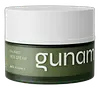
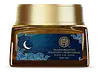
Gunam Beauty Balance Face Cream Versus Forest Essentials Transformative Soundarya Night Cream With 24K Gold
This barrier-repair moisturizer is formulated around Squalane and Oryza Sativa Bran Oil to strengthen the skin barrier and hydrate skin.
This anti-aging night moisturizer is formulated around Moringa Oleifera Seed Oil and Ceramide NP to soften the look of wrinkles and hydrate skin.

What's inside
What's inside
 Key Ingredients
Benefits
Concerns
Ingredients Side-by-side
Water
Skin ConditioningSqualane
Emollient


Glycerin
Humectant
Pentylene Glycol
Skin Conditioning
Oryza Sativa Bran Oil
Emollient




Isononyl Isononanoate
EmollientMethylpropanediol
SolventCetearyl Alcohol
Emollient




Melia Azadirachta Seed Oil
Emollient
Xanthan Gum
EmulsifyingSodium Acrylates Copolymer
Butyrospermum Parkii Butter
Skin Conditioning
Sodium Saccharin
MaskingGlyceryl Stearate
Emollient
Jojoba Esters
Emollient
Garcinia Indica Seed Butter
Skin Conditioning
Jasminum Grandiflorum Flower Extract
Masking


Tocopheryl Acetate
Antioxidant


Maltol
MaskingLecithin
Emollient
Sodium Benzoate
Masking
Helianthus Annuus Seed Wax
Skin Conditioning
Sodium Stearoyl Glutamate
CleansingCitric Acid
Buffering
Theobromine
MaskingPotassium Sorbate
Preservative
Centella Asiatica Leaf Cell Extract
Antioxidant
Sodium Hyaluronate
Humectant
Propylene Glycol
Humectant
Urea
Buffering

Withania Somnifera Root Extract
Skin Conditioning
Sodium Hydroxide
BufferingSodium Phytate
ChelatingSaccharide Hydrolysate
HumectantBacillus Ferment
Skin Conditioning
Maltodextrin
Absorbent
Alanine
Masking
Glycine
Buffering
Magnesium Aspartate
Skin ConditioningPanax Ginseng Root Extract
Emollient
Theobroma Cacao Seed Extract
Antioxidant
Polyglycerin-3
Humectant
Curcuma Longa Root Extract
Antioxidant
Crocus Sativus Flower Extract
MaskingCreatine
Skin ConditioningAlcohol
Antimicrobial

Tocopherol
Antioxidant
Benzyl Benzoate
Antimicrobial
Linalool
Perfuming
Eugenol
Perfuming
Benzyl Alcohol
Perfuming
Water, Squalane, Glycerin, Pentylene Glycol, Oryza Sativa Bran Oil, Isononyl Isononanoate, Methylpropanediol, Cetearyl Alcohol, Melia Azadirachta Seed Oil, Xanthan Gum, Sodium Acrylates Copolymer, Butyrospermum Parkii Butter, Sodium Saccharin, Glyceryl Stearate, Jojoba Esters, Garcinia Indica Seed Butter, Jasminum Grandiflorum Flower Extract, Tocopheryl Acetate, Maltol, Lecithin, Sodium Benzoate, Helianthus Annuus Seed Wax, Sodium Stearoyl Glutamate, Citric Acid, Theobromine, Potassium Sorbate, Centella Asiatica Leaf Cell Extract, Sodium Hyaluronate, Propylene Glycol, Urea, Withania Somnifera Root Extract, Sodium Hydroxide, Sodium Phytate, Saccharide Hydrolysate, Bacillus Ferment, Maltodextrin, Alanine, Glycine, Magnesium Aspartate, Panax Ginseng Root Extract, Theobroma Cacao Seed Extract, Polyglycerin-3, Curcuma Longa Root Extract, Crocus Sativus Flower Extract, Creatine, Alcohol, Tocopherol, Benzyl Benzoate, Linalool, Eugenol, Benzyl Alcohol
Water
Skin ConditioningCetearyl Olivate
Moringa Oleifera Seed Oil
Emollient
Caprylic/Capric Triglyceride
Masking
Sesamum Indicum Seed Oil
Emollient
Triticum Vulgare Germ Extract
Skin ConditioningPrunus Amygdalus Dulcis Oil
Skin Conditioning
Ceramide NP
Skin Conditioning
Saccharide Isomerate
Humectant
Polyglutamic Acid
Skin Conditioning
Bakuchiol
Antimicrobial

Hydrolyzed Manihot Esculenta Tuber Extract
Skin ConditioningBetaine
Humectant
Squalane
Emollient
Propanediol
Solvent
Xanthan Gum
EmulsifyingHydrolyzed Sodium Hyaluronate
Skin Conditioning
Bacillus/Folic Acid Ferment Filtrate Extract
Antioxidant
Glycerin
Humectant
Tocopheryl Acetate
Antioxidant
Santalum Album Extract
CleansingMilk
Skin Conditioning
Crocus Sativus Flower Extract
MaskingCaprylyl Glycol
Emollient
Phenoxyethanol
Preservative
Glycyrrhiza Glabra Root Extract
Bleaching
Hexylene Glycol
EmulsifyingGold
Cosmetic ColorantCurcuma Longa Root Extract
Antioxidant
Withania Somnifera Root Extract
Skin Conditioning
Jasminum Sambac Flower Oil
Masking
Water, Cetearyl Olivate, Moringa Oleifera Seed Oil, Caprylic/Capric Triglyceride, Sesamum Indicum Seed Oil, Triticum Vulgare Germ Extract, Prunus Amygdalus Dulcis Oil, Ceramide NP, Saccharide Isomerate, Polyglutamic Acid, Bakuchiol, Hydrolyzed Manihot Esculenta Tuber Extract, Betaine, Squalane, Propanediol, Xanthan Gum, Hydrolyzed Sodium Hyaluronate, Bacillus/Folic Acid Ferment Filtrate Extract, Glycerin, Tocopheryl Acetate, Santalum Album Extract, Milk, Crocus Sativus Flower Extract, Caprylyl Glycol, Phenoxyethanol, Glycyrrhiza Glabra Root Extract, Hexylene Glycol, Gold, Curcuma Longa Root Extract, Withania Somnifera Root Extract, Jasminum Sambac Flower Oil
Ingredients Explained
These ingredients are found in both products.
Ingredients higher up in an ingredient list are typically present in a larger amount.
We don't have a description for Crocus Sativus Flower Extract yet.
Curcuma Longa Root Extract comes from the rhizome (underground stem) of the turmeric plant.
While the official EU Cosing Database lists this ingredient as a fragrance, it actually does more than give products a scent.
This ingredient contains a group of yellow pigments called curcuminoids (mostly curcumin) that give it genuine antioxidant and anti-inflammatory activity in skin.
Reviews of topical clinical studies have found turmeric/curcumin to be generally well-tolerated and useful across conditions like eczema and mild inflammation.
One thing working in its favor is that curcumin barely penetrates; in lab skin-permeation testing, the curcuminoids mostly stayed in the outermost layer of skin. This is a good thing because its soothing and antioxidant activity is a surface-level job anyway.
At this time, industry data shows there's no single "correct" cosmetic percentage. It's used across a wide range depending on the product and varies from tiny fractions of a percent up to a few percent.
Allergy-wise, curcumin is a documented (but uncommon) contact allergen. It can also cross react with related plants, so anyone with a turmeric/ginger/cinnamon allergy or reactive skin should patch test first.
Learn more about Curcuma Longa Root ExtractGlycerin (or glycerol) is a compound naturally found in your skin. It's a powerhouse humectant that pulls water into the stratum corneum.
Topically, glycerin does several things at once:
Your skin makes glycerin on its own (mostly from sebaceous oil breakdown) and shuttles it to your outermost layer of skin, or your epidermis, via aquaporin-3.
Aquaporin-3 is a transporter that is essential for normal skin hydration, elasticity, and repair. Interestingly, mice lacking in AQP3 have dry and less elastic skin that can be fully corrected with glycerin.
This ingredient is non-irritating, plays well with almost every ingredient, and works across all skin types. Typical use is anywhere between 3-10% but can go up to 79% in some leave-on products.
Just know very high concentrations (>40%) can feel tacky in low humidity.
Glycerin is the name for this ingredient in American English. British English uses Glycerol/Glycerine.
Learn more about GlycerinSqualane is the hydrogenated and shelf-stable form of squalene (a lipid that naturally occurs in human sebum).
It is an emollient and skin conditioning agent that is able to integrate seamlessly into the skin's lipid barrier without clogging pores.
This is due to how structurally similar it is to what your skin already produces.
Though it is mostly an emollient that helps soften and hydrate skin, it also has some humectant and occlusive action. Humectants help the skin retain moisture while occlusives seal it in, making squalane a triple-threat moisturizer.
Research shows it has antioxidant capabilities that help protect against stressors like UV exposure, specifically UVA induced oxidative stress. This study also found that it supports collagen biosynthesis in human dermal fibroblasts.
No clinical study has reported significant adverse effects and irritation reactions are very rare from this ingredient (even at 100% concentration).
Overall, it's a fantastic ingredient for hydration and is suitable for all skin types.
This depends on the source. Squalane can be derived from both plants and animals. Most squalane used in skincare comes from plants.
Please note: the source of squalane is only known if disclosed by the brand. We recommend reaching out to the brand if you have any questions about their squalane.
Read more about squalene with an "e".
Though squalane is often called an oil, it’s technically not one. It is a hydrocarbon, meaning it is only made of carbon and hydrogen. True oils are triglycerides and made of fatty acids and glycerol.
The term “oil-free” isn’t regulated so companies can define it however they want. Some exclude all oils, while others just avoid mineral oil or comedogenic oils.
Squalane has a comedogenic rating of 1 from the original 1972 study that tested raw ingredients under occlusion on rabbit ears. This system is not standardized or peer-reviewed, and using the raw ingredients is very different from how diluted cosmetic formulations are used on human skin.
A comedogenic rating of 1 means it is "unlikely to clog pores" according to the original rating system.
The overall formula of a product matters more than the individual ingredients on whether or not it will cause clogged pores.
Learn more about SqualaneTocopheryl Acetate is a stable, shelf-friendly form of vitamin E.
Formulators love it because plain vitamin E oxidizes quickly once it hits air. This acetate version stays stable and resists going off, helping to extend a product's shelf life.
It's actually inactive on its own and works like a slow-release "storage" form; the enzymes in your skin called esterases gradually convert it into active vitamin E over time.
One in vivo study showed 5% of the acetate in the living layer of the epidermis converted to vitamin E after 5 days of application. This study also found the skin gained protection against UV damage even though the conversion was slow and small.
Once converted, vitamin E acts as a skin's main fat-soluble antioxidant that fights free radicals to protect skin from damage.
Topical vitamin E generally boosts the skin's photoprotection, and it reduced UV-damage in animal models.
This ingredient has some brightening potential but it's more of a prevention ingredient than spot-fader. Cell studies show it can slow down melanin production but it's worth noting that it's not the most powerful brightener out there.
Overall, it has a pretty solid safety profile and has been found to be non-irritating and non-comedogenic. Allergic reactions may happen but stay rare due to how widely the ingredient gets used.
The concentration will vary depending on the formula; industry data shows 0.1% in baby lotions, 3% in lipsticks, and 5% in foot powders. You can also find this ingredient at 100% in a pure vitamin E oil.
Most leave-on skincare keeps it at the lower end, often between 0.5-1%.
Learn more about Tocopheryl AcetateWater. It's the most common cosmetic ingredient of all. You'll usually see it at the top of ingredient lists, meaning that it makes up the largest part of the product.
So why is it so popular? Water most often acts as a solvent - this means that it helps dissolve other ingredients into the formulation.
You'll also recognize water as that liquid we all need to stay alive. If you see this, drink a glass of water. Remember to stay hydrated!
Learn more about WaterWithania Somnifera Root Extract is also known as Ashwaganda extract. Ashwaganda is an evergreen shrub grown in India, the Middle East, and parts of Africa.
Ashwaganda contains many antioxidant compounds. Antioxidants may help with anti-aging as they neutralize free-radical molecules. These molecules may damage skin cells and DNA. By neutralizing them, antioxidants may help slow the signs of aging.
Other compounds found in ashwaganda include Vitamin C, caffeic acid, and ferulic acid. These three acids are antioxidants but also provide other skin benefits as well.
Ongoing studies show ashwaganda to prevent damage from UV-B radiation.
Ashwaganda root powder has traditionally been used in Indian medicine.
Learn more about Withania Somnifera Root ExtractXanthan gum is used as a stabilizer and thickener within cosmetic products. It helps give products a sticky, thick feeling - preventing them from being too runny.
On the technical side of things, xanthan gum is a polysaccharide - a combination consisting of multiple sugar molecules bonded together.
Xanthan gum is a pretty common and great ingredient. It is a natural, non-toxic, non-irritating ingredient that is also commonly used in food products.
Learn more about Xanthan Gum

