Forest Essentials Soundarya Radiance Day Cream Versus Forest Essentials Transformative Soundarya Night Cream With 24K Gold
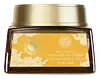
This brightening day moisturizer is formulated around Glycyrrhiza Glabra Root Extract and Prunus Amygdalus Dulcis Oil to brighten dull-looking skin and hydrate skin.
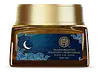
This anti-aging night moisturizer is formulated around Moringa Oleifera Seed Oil and Ceramide NP to soften the look of wrinkles and hydrate skin.

What's inside
What's inside
 Key Ingredients
Benefits
Concerns
Ingredients Side-by-side
Prunus Amygdalus Dulcis Oil
Skin Conditioning





Sesamum Indicum Seed Oil
Emollient
Glycyrrhiza Glabra Root Extract
Bleaching





Bambusa Arundinacea Sap Extract
EmollientLathyrus Odoratus Flower Extract
Skin ConditioningCurcuma Longa Root Extract
Antioxidant

Rosa Damascena Flower Water
Masking
Crocus Sativus Flower Extract
MaskingSantalum Album Oil
Masking

Withania Somnifera Root Extract
Skin Conditioning
Boerhavia Diffusa Root Extract
Skin Protecting
Lysimachia Foenum-Graecum Extract
Skin ConditioningSorbitan Olivate
Emulsifying
Cetearyl Olivate
Milk
Skin Conditioning
Glycerin
Humectant
Butter
Skin Conditioning
Tocopherol
Antioxidant

Persea Gratissima Butter
Skin Conditioning
Butyrospermum Parkii Butter
Skin Conditioning
Ethylhexylglycerin
Skin ConditioningPrunus Amygdalus Dulcis Oil, Sesamum Indicum Seed Oil, Glycyrrhiza Glabra Root Extract, Bambusa Arundinacea Sap Extract, Lathyrus Odoratus Flower Extract, Curcuma Longa Root Extract, Rosa Damascena Flower Water, Crocus Sativus Flower Extract, Santalum Album Oil, Withania Somnifera Root Extract, Boerhavia Diffusa Root Extract, Lysimachia Foenum-Graecum Extract, Sorbitan Olivate, Cetearyl Olivate, Milk, Glycerin, Butter, Tocopherol, Persea Gratissima Butter, Butyrospermum Parkii Butter, Ethylhexylglycerin
Water
Skin ConditioningCetearyl Olivate
Moringa Oleifera Seed Oil
Emollient
Caprylic/Capric Triglyceride
Masking
Sesamum Indicum Seed Oil
Emollient
Triticum Vulgare Germ Extract
Skin ConditioningPrunus Amygdalus Dulcis Oil
Skin Conditioning
Ceramide NP
Skin Conditioning
Saccharide Isomerate
Humectant
Polyglutamic Acid
Skin Conditioning
Bakuchiol
Antimicrobial


Hydrolyzed Manihot Esculenta Tuber Extract
Skin ConditioningBetaine
Humectant
Squalane
Emollient
Propanediol
Solvent
Xanthan Gum
EmulsifyingHydrolyzed Sodium Hyaluronate
Skin Conditioning
Bacillus/Folic Acid Ferment Filtrate Extract
Antioxidant
Glycerin
Humectant
Tocopheryl Acetate
Antioxidant
Santalum Album Extract
CleansingMilk
Skin Conditioning
Crocus Sativus Flower Extract
MaskingCaprylyl Glycol
Emollient
Phenoxyethanol
Preservative
Glycyrrhiza Glabra Root Extract
Bleaching
Hexylene Glycol
EmulsifyingGold
Cosmetic ColorantCurcuma Longa Root Extract
Antioxidant
Withania Somnifera Root Extract
Skin Conditioning
Jasminum Sambac Flower Oil
Masking
Water, Cetearyl Olivate, Moringa Oleifera Seed Oil, Caprylic/Capric Triglyceride, Sesamum Indicum Seed Oil, Triticum Vulgare Germ Extract, Prunus Amygdalus Dulcis Oil, Ceramide NP, Saccharide Isomerate, Polyglutamic Acid, Bakuchiol, Hydrolyzed Manihot Esculenta Tuber Extract, Betaine, Squalane, Propanediol, Xanthan Gum, Hydrolyzed Sodium Hyaluronate, Bacillus/Folic Acid Ferment Filtrate Extract, Glycerin, Tocopheryl Acetate, Santalum Album Extract, Milk, Crocus Sativus Flower Extract, Caprylyl Glycol, Phenoxyethanol, Glycyrrhiza Glabra Root Extract, Hexylene Glycol, Gold, Curcuma Longa Root Extract, Withania Somnifera Root Extract, Jasminum Sambac Flower Oil
Alternatives
Ingredients Explained
These ingredients are found in both products.
Ingredients higher up in an ingredient list are typically present in a larger amount.
Cetearyl Olivate is a plant-derived emulsifier and texture enhancer. It helps keep the oil and water phases from separating so your formulas stay stable.
You'll likely see it combined with Sorbitan Olivate (together sold as the trade name Olivem 1000). This combination generates a liquid crystal structure that closely resemble the lipid organization of the stratum corneum.
These "skin-like" liquid crystals improve skin barrier integrity and promote the delivery of actives into the skin.
This ingredient is well-tolerated and has no significant sensitization data.
Because it is derived from the fatty acids in olive oil, this ingredient may not be fungal acne safe.
Learn more about Cetearyl OlivateWe don't have a description for Crocus Sativus Flower Extract yet.
Curcuma Longa Root Extract comes from the rhizome (underground stem) of the turmeric plant.
While the official EU Cosing Database lists this ingredient as a fragrance, it actually does more than give products a scent.
This ingredient contains a group of yellow pigments called curcuminoids (mostly curcumin) that give it genuine antioxidant and anti-inflammatory activity in skin.
Reviews of topical clinical studies have found turmeric/curcumin to be generally well-tolerated and useful across conditions like eczema and mild inflammation.
One thing working in its favor is that curcumin barely penetrates; in lab skin-permeation testing, the curcuminoids mostly stayed in the outermost layer of skin. This is a good thing because its soothing and antioxidant activity is a surface-level job anyway.
At this time, industry data shows there's no single "correct" cosmetic percentage. It's used across a wide range depending on the product and varies from tiny fractions of a percent up to a few percent.
Allergy-wise, curcumin is a documented (but uncommon) contact allergen. It can also cross react with related plants, so anyone with a turmeric/ginger/cinnamon allergy or reactive skin should patch test first.
Learn more about Curcuma Longa Root ExtractGlycerin (or glycerol) is a compound naturally found in your skin. It's a powerhouse humectant that pulls water into the stratum corneum.
Topically, glycerin does several things at once:
Your skin makes glycerin on its own (mostly from sebaceous oil breakdown) and shuttles it to your outermost layer of skin, or your epidermis, via aquaporin-3.
Aquaporin-3 is a transporter that is essential for normal skin hydration, elasticity, and repair. Interestingly, mice lacking in AQP3 have dry and less elastic skin that can be fully corrected with glycerin.
This ingredient is non-irritating, plays well with almost every ingredient, and works across all skin types. Typical use is anywhere between 3-10% but can go up to 79% in some leave-on products.
Just know very high concentrations (>40%) can feel tacky in low humidity.
Glycerin is the name for this ingredient in American English. British English uses Glycerol/Glycerine.
Learn more about GlycerinGlycyrrhiza Glabra Root Extract is an extract of the roots of Licorice. It has been found to have several benefits such as skin hydrating, conditioning, and soothing.
One component, glabridin, has extra potent antioxidant and soothing properties. It has also been found to block pigmentation from UVB rays in guinea pigs.
Licorice Root also contains a flavonoid. Flavonoids are a natural substance from in plants. Flavonoids also have antioxidant properties.
Another component, glycyrrhizin, has been found to have anti-inflammatory and antimicrobial benefits. This may make licorice root extract effective at treating acne. However, more research is needed to support this.
Liquiritin is one of the flavone compounds found in licorice. It has been found to help lighten skin by preventing tyrosinase from reacting with tyrosine. When the two react, protein is converted to melanin. Melanin is the substance in your body that gives your features pigmentation.
Learn more about Glycyrrhiza Glabra Root ExtractMilk comes from cows. It contains proteins, lactic acid, and vitamin A, D, and E.
Milk contains fatty acids in the C12-18 range that are the exact carbon chain lengths that the Malassezia yeast feeds on, like oleic acid and palmitic acid.
This ingredient is also known as sweet almond oil. It is a lightweight, cold-pressed oil from the ripe seeds of the sweet almond tree.
Sweet almond oil is rich in skin-nourishing fatty acids such as oleic acid (55-86%) and linolenic acid (7-35%).
As an emollient, it softens and hydrates skin by forming a thin barrier that locks in moisture.
Clinical studies have found it to be non-irritating and non-sensitizing. The CIR Expert Panel has evaluated the available safety data and concluded it is safe for topical use.
Because of the oleic acid content, this ingredient may not be fungal acne safe.
This ingredient does have a comedogenic rating of 3, but this doesn't mean a formula with this ingredient will clog pores.
Human testing has proved that any finished product with a comedogenic ingredient won't automatically make you break out; it really comes down to concentration, formula, and your skin.
Learn more about Prunus Amygdalus Dulcis OilSesamum Indicum Seed Oil is the cold-pressed oil from sesame seeds.
It is an emollient and skin conditioning agent made up of roughly 82-85% unsaturated fatty acids, mostly linoleic (~41%) and oleic acid (~39%).
This pairing gives it barrier-supporting and moisturizing properties. Linoleic acid, an essential omega-6 fatty acid, can be incorporated into complex skin lipids. Topical application has shown barrier repair, anti-inflammatory, and wound-healing effects in cell and animal studies.
Beyond fatty acids, sesame oil brings something more distinctive to the table:
It contains natural antioxidants sesamol, sesamolin, and gamma-tocopherol. These also give the oil notably high oxidative stability.
One of the oil's key lignans, sesamin, has also demonstrated anti-inflammatory activity in preclinical models.
A 2023 clinical study found that a single application of sesame seed oil to the forearms of 35 healthy women improved stratum corneum hydration (though it didn't outperform raspberry seed oil).
The comedogenic rating of 1-3 depends on the type of sesame oil; unrefined carries a rating of 3 while refined sesame oil drops to a 1.
Human testing has proved that any finished product with a comedogenic ingredient won't automatically make you break out; it really comes down to concentration, formula, and your skin.
This ingredient may not be safe for fungal acne as it contains fatty acids that can feed Malassezia.
Learn more about Sesamum Indicum Seed OilWithania Somnifera Root Extract is also known as Ashwaganda extract. Ashwaganda is an evergreen shrub grown in India, the Middle East, and parts of Africa.
Ashwaganda contains many antioxidant compounds. Antioxidants may help with anti-aging as they neutralize free-radical molecules. These molecules may damage skin cells and DNA. By neutralizing them, antioxidants may help slow the signs of aging.
Other compounds found in ashwaganda include Vitamin C, caffeic acid, and ferulic acid. These three acids are antioxidants but also provide other skin benefits as well.
Ongoing studies show ashwaganda to prevent damage from UV-B radiation.
Ashwaganda root powder has traditionally been used in Indian medicine.
Learn more about Withania Somnifera Root Extract

