Forest Essentials Soundarya Radiance Day Cream Versus The Body Shop Vitamin E Intense Moisture Cream
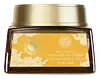
This brightening day moisturizer is formulated around Glycyrrhiza Glabra Root Extract and Prunus Amygdalus Dulcis Oil to brighten dull-looking skin and hydrate skin.
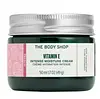
This barrier-repair moisturizer is formulated around Tocopherol and Butyrospermum Parkii Butter to strengthen the skin barrier and hydrate skin.


What's inside
What's inside
 Key Ingredients
Benefits
Concerns
Ingredients Side-by-side
Prunus Amygdalus Dulcis Oil
Skin Conditioning





Sesamum Indicum Seed Oil
Emollient
Glycyrrhiza Glabra Root Extract
Bleaching





Bambusa Arundinacea Sap Extract
EmollientLathyrus Odoratus Flower Extract
Skin ConditioningCurcuma Longa Root Extract
Antioxidant

Rosa Damascena Flower Water
Masking
Crocus Sativus Flower Extract
MaskingSantalum Album Oil
Masking

Withania Somnifera Root Extract
Skin Conditioning
Boerhavia Diffusa Root Extract
Skin Protecting
Lysimachia Foenum-Graecum Extract
Skin ConditioningSorbitan Olivate
Emulsifying
Cetearyl Olivate
Milk
Skin Conditioning
Glycerin
Humectant
Butter
Skin Conditioning
Tocopherol
Antioxidant

Persea Gratissima Butter
Skin Conditioning
Butyrospermum Parkii Butter
Skin Conditioning
Ethylhexylglycerin
Skin ConditioningPrunus Amygdalus Dulcis Oil, Sesamum Indicum Seed Oil, Glycyrrhiza Glabra Root Extract, Bambusa Arundinacea Sap Extract, Lathyrus Odoratus Flower Extract, Curcuma Longa Root Extract, Rosa Damascena Flower Water, Crocus Sativus Flower Extract, Santalum Album Oil, Withania Somnifera Root Extract, Boerhavia Diffusa Root Extract, Lysimachia Foenum-Graecum Extract, Sorbitan Olivate, Cetearyl Olivate, Milk, Glycerin, Butter, Tocopherol, Persea Gratissima Butter, Butyrospermum Parkii Butter, Ethylhexylglycerin
Water
Skin ConditioningDimethicone
Emollient
Glycerin
Humectant
Butyrospermum Parkii Butter
Skin Conditioning
Olea Europaea Fruit Oil
Masking
Butylene Glycol
Humectant
Cetearyl Alcohol
Emollient

Cetearyl Glucoside
Emulsifying
Triticum Vulgare Germ Oil
Emollient
Cetyl Alcohol
Emollient
Vitis Vinifera Seed Oil
Emollient
Sodium Polyacrylate
Absorbent
Cyclopentasiloxane
Emollient
Dimethicone Crosspolymer
Emulsion Stabilising
Tocopherol
Antioxidant
Panthenol
Skin Conditioning
Phenoxyethanol
Preservative
Parfum
Masking
Polysilicone-11

Sodium Stearoyl Glutamate
CleansingMethylparaben
Preservative

Xanthan Gum
EmulsifyingPropylene Glycol
Humectant
Rubus Idaeus Seed Oil
Emollient
Butylparaben
Masking
Ethylparaben
Preservative
Benzyl Benzoate
Antimicrobial
Retinyl Palmitate
Skin Conditioning
Sodium Hyaluronate
Humectant
Disodium EDTA
ChelatingBenzyl Alcohol
Perfuming
Propylparaben
Preservative
Sodium Hydroxide
BufferingGeraniol
Perfuming
Linalool
Perfuming
Hydrolyzed Glycosaminoglycans
HumectantLimonene
Perfuming
Hydroxycitronellal
Perfuming
Alpha-Isomethyl Ionone
Perfuming
Cinnamyl Alcohol
Perfuming
Citric Acid
Buffering
Water, Dimethicone, Glycerin, Butyrospermum Parkii Butter, Olea Europaea Fruit Oil, Butylene Glycol, Cetearyl Alcohol, Cetearyl Glucoside, Triticum Vulgare Germ Oil, Cetyl Alcohol, Vitis Vinifera Seed Oil, Sodium Polyacrylate, Cyclopentasiloxane, Dimethicone Crosspolymer, Tocopherol, Panthenol, Phenoxyethanol, Parfum, Polysilicone-11, Sodium Stearoyl Glutamate, Methylparaben, Xanthan Gum, Propylene Glycol, Rubus Idaeus Seed Oil, Butylparaben, Ethylparaben, Benzyl Benzoate, Retinyl Palmitate, Sodium Hyaluronate, Disodium EDTA, Benzyl Alcohol, Propylparaben, Sodium Hydroxide, Geraniol, Linalool, Hydrolyzed Glycosaminoglycans, Limonene, Hydroxycitronellal, Alpha-Isomethyl Ionone, Cinnamyl Alcohol, Citric Acid
Alternatives
Ingredients Explained
These ingredients are found in both products.
Ingredients higher up in an ingredient list are typically present in a larger amount.
This ingredient is also known as shea butter. It is a plant-derived extract from the nuts of the Africa shea tree and one of the most well-studied emollients.
Because it has a high concentration of fatty acids (primarily oleic, stearic, and linoleic) it is able to form a protective barrier on the skin's surface. This helps seal in moisture and prevents transepidermal water loss (TEWL).
In vitro research found an increase in skin hydration by 58% and a decrease in TEWL by 37.8% after 24 hours of applying this ingredient (pretty impressive for a single ingredient!).
Besides hydration, shea butter also contains triterpenes that have anti-inflammatory potential. In particule, lupeol cinnamate has shown the highest anti-inflammatory activity in vivo.
Shea butter also contains vitamins A and E which may contribute to antioxidant activity.
While Shea Butter has an SPF rating of about 3-4, it is not a sunscreen replacement.
This ingredient may not be fungal acne safe because its fatty acids fall within the C11-C24 range that the Malassezia yeast can metabolize.
This ingredient shows up on a lot of "pore-clogging" lists but there's no real evidence behind that. It doesn't even have a comedogenic rating from an actual study; the numbers you'll find online come from blogs citing other blogs.
Ratings for other ingredients mostly come from a 1980s rabbit ear test. This test doesn't translate well to human skin or to real products because the ingredient sits at a much lower percentage.
Some people still find it breaks them out. So if that's you, definitely trust your skin. Just know this one's based on experience and not evidence.
Learn more about Butyrospermum Parkii ButterGlycerin (or glycerol) is a compound naturally found in your skin. It's a powerhouse humectant that pulls water into the stratum corneum.
Topically, glycerin does several things at once:
Your skin makes glycerin on its own (mostly from sebaceous oil breakdown) and shuttles it to your outermost layer of skin, or your epidermis, via aquaporin-3.
Aquaporin-3 is a transporter that is essential for normal skin hydration, elasticity, and repair. Interestingly, mice lacking in AQP3 have dry and less elastic skin that can be fully corrected with glycerin.
This ingredient is non-irritating, plays well with almost every ingredient, and works across all skin types. Typical use is anywhere between 3-10% but can go up to 79% in some leave-on products.
Just know very high concentrations (>40%) can feel tacky in low humidity.
Glycerin is the name for this ingredient in American English. British English uses Glycerol/Glycerine.
Learn more about GlycerinTocopherol is a fat-soluble antioxidant known as Vitamin E.
You'll find this ingredient in the vast majority of skincare (for good reason). It works to neutralize free radicals, or unstable molecules generated by UV exposure, pollution, and other environmental stressors, before they can cause oxidative damage to your skin cells.
Topically applied tocopherol has been shown to protect against UV damage by ramping up the skin's own natural defense enzymes.
It also acts as a skin conditioning agent; some studies show that regular topical use can improve the skin's water-binding capacity over 2-4 weeks.
This ingredient is especially loved for being a team player. When combined with Vitamin C, the photoprotective effect of both ingredients roughly doubles and the combo also helps reduce UV-induced DNA damage.
This ingredient has some brightening potential but it's more of a prevention ingredient than spot-fader. Cell studies show it can slow down melanin production but it's worth noting that it's not the most powerful brightener out there.
In formulations, it also serves as a stabilizer that helps protect other oxidation-prone ingredients from degrading.
Concentrations usually range from 0.1-1% in most leave-on products.
Learn more about Tocopherol

