Caudalie Premier Cru Anti Aging Cream Moisturizer with Hyaluronic Acid Versus Forest Essentials Transformative Soundarya Night Cream With 24K Gold
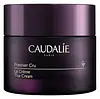
This anti-aging moisturizer is formulated around Palmitoyl Grapevine Shoot Extract and Hydrolyzed Hyaluronic Acid to soften the look of wrinkles and hydrate skin.
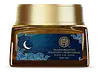
This anti-aging night moisturizer is formulated around Moringa Oleifera Seed Oil and Ceramide NP to soften the look of wrinkles and hydrate skin.


What's inside
What's inside
 Key Ingredients
Benefits
Concerns
Ingredients Side-by-side
Water
Skin ConditioningGlycerin
Humectant


Butylene Glycol
Humectant
Caprylic/Capric Triglyceride
Masking
Hydrogenated Ethylhexyl Olivate
EmollientCetearyl Alcohol
Emollient





Cetearyl Glucoside
Emulsifying
Coco-Caprylate/Caprate
Emollient
Hydrogenated Olive Oil Unsaponifiables
Emollient
Sesamum Indicum Seed Oil
Emollient
Vitis Vinifera Seed Oil
Emollient
Butyrospermum Parkii Butter Extract
Skin Conditioning
Propanediol
Solvent
Palmitoyl Grapevine Shoot Extract
Antioxidant


Palmitoyl Grape Seed Extract
Skin ConditioningPentaerythrityl Distearate
Emulsifying
Potassium Cetyl Phosphate
EmulsifyingCarbomer
Emulsion StabilisingCaprylyl Glycol
Emollient
Xanthan Gum
EmulsifyingHydrolyzed Hyaluronic Acid
Humectant

Magnolia Grandiflora Bark Extract
Antimicrobial
Potassium Sorbate
Preservative
Tocopherol
Antioxidant
Helianthus Annuus Seed Oil
Emollient
Adenosine
Skin Conditioning
Sodium Hydroxide
BufferingSodium Phytate
ChelatingGleditsia Triacanthos Seed Extract
Paeonia Lactiflora Root Extract
Skin ConditioningParfum
Masking


Geraniol
Perfuming
Linalool
Perfuming
Citronellol
Perfuming
Water, Glycerin, Butylene Glycol, Caprylic/Capric Triglyceride, Hydrogenated Ethylhexyl Olivate, Cetearyl Alcohol, Cetearyl Glucoside, Coco-Caprylate/Caprate, Hydrogenated Olive Oil Unsaponifiables, Sesamum Indicum Seed Oil, Vitis Vinifera Seed Oil, Butyrospermum Parkii Butter Extract, Propanediol, Palmitoyl Grapevine Shoot Extract, Palmitoyl Grape Seed Extract, Pentaerythrityl Distearate, Potassium Cetyl Phosphate, Carbomer, Caprylyl Glycol, Xanthan Gum, Hydrolyzed Hyaluronic Acid, Magnolia Grandiflora Bark Extract, Potassium Sorbate, Tocopherol, Helianthus Annuus Seed Oil, Adenosine, Sodium Hydroxide, Sodium Phytate, Gleditsia Triacanthos Seed Extract, Paeonia Lactiflora Root Extract, Parfum, Geraniol, Linalool, Citronellol
Water
Skin ConditioningCetearyl Olivate
Moringa Oleifera Seed Oil
Emollient
Caprylic/Capric Triglyceride
Masking
Sesamum Indicum Seed Oil
Emollient
Triticum Vulgare Germ Extract
Skin ConditioningPrunus Amygdalus Dulcis Oil
Skin Conditioning
Ceramide NP
Skin Conditioning
Saccharide Isomerate
Humectant
Polyglutamic Acid
Skin Conditioning
Bakuchiol
Antimicrobial


Hydrolyzed Manihot Esculenta Tuber Extract
Skin ConditioningBetaine
Humectant
Squalane
Emollient
Propanediol
Solvent
Xanthan Gum
EmulsifyingHydrolyzed Sodium Hyaluronate
Skin Conditioning
Bacillus/Folic Acid Ferment Filtrate Extract
Antioxidant
Glycerin
Humectant
Tocopheryl Acetate
Antioxidant
Santalum Album Extract
CleansingMilk
Skin Conditioning
Crocus Sativus Flower Extract
MaskingCaprylyl Glycol
Emollient
Phenoxyethanol
Preservative
Glycyrrhiza Glabra Root Extract
Bleaching
Hexylene Glycol
EmulsifyingGold
Cosmetic ColorantCurcuma Longa Root Extract
Antioxidant
Withania Somnifera Root Extract
Skin Conditioning
Jasminum Sambac Flower Oil
Masking
Water, Cetearyl Olivate, Moringa Oleifera Seed Oil, Caprylic/Capric Triglyceride, Sesamum Indicum Seed Oil, Triticum Vulgare Germ Extract, Prunus Amygdalus Dulcis Oil, Ceramide NP, Saccharide Isomerate, Polyglutamic Acid, Bakuchiol, Hydrolyzed Manihot Esculenta Tuber Extract, Betaine, Squalane, Propanediol, Xanthan Gum, Hydrolyzed Sodium Hyaluronate, Bacillus/Folic Acid Ferment Filtrate Extract, Glycerin, Tocopheryl Acetate, Santalum Album Extract, Milk, Crocus Sativus Flower Extract, Caprylyl Glycol, Phenoxyethanol, Glycyrrhiza Glabra Root Extract, Hexylene Glycol, Gold, Curcuma Longa Root Extract, Withania Somnifera Root Extract, Jasminum Sambac Flower Oil
Reviews
Ingredients Explained
These ingredients are found in both products.
Ingredients higher up in an ingredient list are typically present in a larger amount.
Caprylic/Capric Triglyceride (aka MCT Oil) is a lightweight emollient, solvent, and texture enhancer. It is considered a skin-softener by helping to prevent moisture loss.
Though it behaves like an oil, it is not technically one due to its chemical composition. One perk of this ingredient is that it is very stable, resistant to oxidation, and unlikely to go rancid.
In practice, that translates to a long shelf life and a consistently elegant skin feel.
While there is an assumption Caprylic Triglyceride can clog pores due to it being derived from coconut oil, there is no research supporting this. Just patch test if you have concerns.
Fractionated coconut oil and MCT Oil are both listed as Caprylic/Capric Triglyceride according to INCI. This is because INCI names are based on the ingredient’s final chemical composition and not its marketing name or source.
This ingredient is treated as the gold standard fungal acne safe oil. Even though it is coconut derived, the problematic lauric acid is stripped out.
This leaves just caprylic (C8) and capric (C10) acid. These chain lengths actually trend antifungal; a 2020 study found caprylic acid was enough to disrupt Malassezia furfur cell membrane, with a caprylic acid derivative damaging membrane structures at concentrations as low as 0.2%.
Learn more about Caprylic/Capric TriglycerideCaprylyl Glycol is a humectant, skin conditioner, emollient, and preservative booster derived from either caprylic acid or synthetically created.
Typical use levels vary from 0.3-1% as a preservative booster and go up to 2% to condition skin.
Because it is not a free-fatty acid, this ingredient is fungal acne safe (there's nothing for Malassezia to feed on).
Learn more about Caprylyl GlycolGlycerin (or glycerol) is a compound naturally found in your skin. It's a powerhouse humectant that pulls water into the stratum corneum.
Topically, glycerin does several things at once:
Your skin makes glycerin on its own (mostly from sebaceous oil breakdown) and shuttles it to your outermost layer of skin, or your epidermis, via aquaporin-3.
Aquaporin-3 is a transporter that is essential for normal skin hydration, elasticity, and repair. Interestingly, mice lacking in AQP3 have dry and less elastic skin that can be fully corrected with glycerin.
This ingredient is non-irritating, plays well with almost every ingredient, and works across all skin types. Typical use is anywhere between 3-10% but can go up to 79% in some leave-on products.
Just know very high concentrations (>40%) can feel tacky in low humidity.
Glycerin is the name for this ingredient in American English. British English uses Glycerol/Glycerine.
Learn more about GlycerinPropanediol is an all-star ingredient. It softens, hydrates, and smooths the skin.
It’s often used to:
Propanediol is not likely to cause sensitivity and considered safe to use. It is derived from corn or petroleum with a clear color and no scent.
Learn more about PropanediolSesamum Indicum Seed Oil is the cold-pressed oil from sesame seeds.
It is an emollient and skin conditioning agent made up of roughly 82-85% unsaturated fatty acids, mostly linoleic (~41%) and oleic acid (~39%).
This pairing gives it barrier-supporting and moisturizing properties. Linoleic acid, an essential omega-6 fatty acid, can be incorporated into complex skin lipids. Topical application has shown barrier repair, anti-inflammatory, and wound-healing effects in cell and animal studies.
Beyond fatty acids, sesame oil brings something more distinctive to the table:
It contains natural antioxidants sesamol, sesamolin, and gamma-tocopherol. These also give the oil notably high oxidative stability.
One of the oil's key lignans, sesamin, has also demonstrated anti-inflammatory activity in preclinical models.
A 2023 clinical study found that a single application of sesame seed oil to the forearms of 35 healthy women improved stratum corneum hydration (though it didn't outperform raspberry seed oil).
The comedogenic rating of 1-3 depends on the type of sesame oil; unrefined carries a rating of 3 while refined sesame oil drops to a 1.
This ingredient may not be safe for fungal acne as it contains fatty acids that can feed Malassezia.
Learn more about Sesamum Indicum Seed OilWater. It's the most common cosmetic ingredient of all. You'll usually see it at the top of ingredient lists, meaning that it makes up the largest part of the product.
So why is it so popular? Water most often acts as a solvent - this means that it helps dissolve other ingredients into the formulation.
You'll also recognize water as that liquid we all need to stay alive. If you see this, drink a glass of water. Remember to stay hydrated!
Learn more about WaterXanthan gum is used as a stabilizer and thickener within cosmetic products. It helps give products a sticky, thick feeling - preventing them from being too runny.
On the technical side of things, xanthan gum is a polysaccharide - a combination consisting of multiple sugar molecules bonded together.
Xanthan gum is a pretty common and great ingredient. It is a natural, non-toxic, non-irritating ingredient that is also commonly used in food products.
Learn more about Xanthan Gum

