Ranavat Restoring Moonseed Treatment Versus Forest Essentials Transformative Soundarya Night Cream With 24K Gold
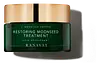
This facial treatment is formulated around Withania Somnifera Root Extract to calm irritation.
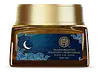
This anti-aging night moisturizer is formulated around Moringa Oleifera Seed Oil and Ceramide NP to soften the look of wrinkles and hydrate skin.


What's inside
What's inside
 Key Ingredients
Benefits
Concerns
Ingredients Side-by-side
Garcinia Indica Seed Butter
Skin Conditioning

Mangifera Indica Seed Butter
Skin Conditioning
Sesamum Indicum Seed Oil
Emollient


Tilia Cordata Oil
Masking
Aegle Marmelos Leaf Oil
Masking
Hordeum Vulgare Cera
Emollient
Ziziphus Mauritiana Leaf
Skin ProtectingIndigofera Tinctoria Leaf
MaskingWithania Somnifera Root Extract
Skin Conditioning
Asparagus Racemosus Root
AntimicrobialPueraria Tuberosa Leaf Cell Extract
Antioxidant
Dioscorea Batatas Extract
Antioxidant
Tinospora Cordifolia Extract
Skin ConditioningPhaseolus Trilobus Seed Extract
HumectantBambusa Arundinacea Juice
Abrasive
Artemisia Vulgaris Oil
Perfuming


Anona Reticulata Juice
Skin ConditioningGlycyrrhiza Glabra Root
Skin ConditioningSodium Chloride
MaskingShorea Robusta Resin
TonicCedrus Deodara Wood Oil
Masking
Rubia Cordifolia Root Powder
Skin ConditioningCyperus Rotundus Root Powder
Skin ConditioningElettaria Cardamomum Seed Powder
Skin ConditioningValeriana Wallichii Root Powder
Exfoliating
Nardostachys Jatamansi Oil
Perfuming
Cinnamal
Perfuming

Hemidesmus Indicus Root Extract
Skin ConditioningAcorus Calamus Root
Skin ConditioningBoerhavia Repens Powder
Skin ConditioningUndecane
EmollientTridecane
Perfuming
Hydrogenated Soy Polyglycerides
Skin ConditioningC15-23 Alkane
SolventCaprylic/Capric Triglyceride
Masking


Rosa Damascena Flower Oil
Masking
Pelargonium Graveolens Oil
Masking
Garcinia Indica Seed Butter, Mangifera Indica Seed Butter, Sesamum Indicum Seed Oil, Tilia Cordata Oil, Aegle Marmelos Leaf Oil, Hordeum Vulgare Cera, Ziziphus Mauritiana Leaf, Indigofera Tinctoria Leaf, Withania Somnifera Root Extract, Asparagus Racemosus Root, Pueraria Tuberosa Leaf Cell Extract, Dioscorea Batatas Extract, Tinospora Cordifolia Extract, Phaseolus Trilobus Seed Extract, Bambusa Arundinacea Juice, Artemisia Vulgaris Oil, Anona Reticulata Juice, Glycyrrhiza Glabra Root, Sodium Chloride, Shorea Robusta Resin, Cedrus Deodara Wood Oil, Rubia Cordifolia Root Powder, Cyperus Rotundus Root Powder, Elettaria Cardamomum Seed Powder, Valeriana Wallichii Root Powder, Nardostachys Jatamansi Oil, Cinnamal, Hemidesmus Indicus Root Extract, Acorus Calamus Root, Boerhavia Repens Powder, Undecane, Tridecane, Hydrogenated Soy Polyglycerides, C15-23 Alkane, Caprylic/Capric Triglyceride, Rosa Damascena Flower Oil, Pelargonium Graveolens Oil
Water
Skin ConditioningCetearyl Olivate
Moringa Oleifera Seed Oil
Emollient
Caprylic/Capric Triglyceride
Masking
Sesamum Indicum Seed Oil
Emollient
Triticum Vulgare Germ Extract
Skin ConditioningPrunus Amygdalus Dulcis Oil
Skin Conditioning
Ceramide NP
Skin Conditioning


Saccharide Isomerate
Humectant
Polyglutamic Acid
Skin Conditioning
Bakuchiol
Antimicrobial




Hydrolyzed Manihot Esculenta Tuber Extract
Skin ConditioningBetaine
Humectant
Squalane
Emollient
Propanediol
Solvent
Xanthan Gum
EmulsifyingHydrolyzed Sodium Hyaluronate
Skin Conditioning
Bacillus/Folic Acid Ferment Filtrate Extract
Antioxidant
Glycerin
Humectant
Tocopheryl Acetate
Antioxidant
Santalum Album Extract
CleansingMilk
Skin Conditioning
Crocus Sativus Flower Extract
MaskingCaprylyl Glycol
Emollient
Phenoxyethanol
Preservative
Glycyrrhiza Glabra Root Extract
Bleaching
Hexylene Glycol
EmulsifyingGold
Cosmetic ColorantCurcuma Longa Root Extract
Antioxidant
Withania Somnifera Root Extract
Skin Conditioning
Jasminum Sambac Flower Oil
Masking
Water, Cetearyl Olivate, Moringa Oleifera Seed Oil, Caprylic/Capric Triglyceride, Sesamum Indicum Seed Oil, Triticum Vulgare Germ Extract, Prunus Amygdalus Dulcis Oil, Ceramide NP, Saccharide Isomerate, Polyglutamic Acid, Bakuchiol, Hydrolyzed Manihot Esculenta Tuber Extract, Betaine, Squalane, Propanediol, Xanthan Gum, Hydrolyzed Sodium Hyaluronate, Bacillus/Folic Acid Ferment Filtrate Extract, Glycerin, Tocopheryl Acetate, Santalum Album Extract, Milk, Crocus Sativus Flower Extract, Caprylyl Glycol, Phenoxyethanol, Glycyrrhiza Glabra Root Extract, Hexylene Glycol, Gold, Curcuma Longa Root Extract, Withania Somnifera Root Extract, Jasminum Sambac Flower Oil
Alternatives
Ingredients Explained
These ingredients are found in both products.
Ingredients higher up in an ingredient list are typically present in a larger amount.
Caprylic/Capric Triglyceride (aka MCT Oil) is a lightweight emollient, solvent, and texture enhancer. It is considered a skin-softener by helping to prevent moisture loss.
Though it behaves like an oil, it is not technically one due to its chemical composition. One perk of this ingredient is that it is very stable, resistant to oxidation, and unlikely to go rancid.
In practice, that translates to a long shelf life and a consistently elegant skin feel.
While there is an assumption Caprylic Triglyceride can clog pores due to it being derived from coconut oil, there is no research supporting this. Just patch test if you have concerns.
Fractionated coconut oil and MCT Oil are both listed as Caprylic/Capric Triglyceride according to INCI. This is because INCI names are based on the ingredient’s final chemical composition and not its marketing name or source.
This ingredient is treated as the gold standard fungal acne safe oil. Even though it is coconut derived, the problematic lauric acid is stripped out.
This leaves just caprylic (C8) and capric (C10) acid. These chain lengths actually trend antifungal; a 2020 study found caprylic acid was enough to disrupt Malassezia furfur cell membrane, with a caprylic acid derivative damaging membrane structures at concentrations as low as 0.2%.
Learn more about Caprylic/Capric TriglycerideSesamum Indicum Seed Oil is the cold-pressed oil from sesame seeds.
It is an emollient and skin conditioning agent made up of roughly 82-85% unsaturated fatty acids, mostly linoleic (~41%) and oleic acid (~39%).
This pairing gives it barrier-supporting and moisturizing properties. Linoleic acid, an essential omega-6 fatty acid, can be incorporated into complex skin lipids. Topical application has shown barrier repair, anti-inflammatory, and wound-healing effects in cell and animal studies.
Beyond fatty acids, sesame oil brings something more distinctive to the table:
It contains natural antioxidants sesamol, sesamolin, and gamma-tocopherol. These also give the oil notably high oxidative stability.
One of the oil's key lignans, sesamin, has also demonstrated anti-inflammatory activity in preclinical models.
A 2023 clinical study found that a single application of sesame seed oil to the forearms of 35 healthy women improved stratum corneum hydration (though it didn't outperform raspberry seed oil).
The comedogenic rating of 1-3 depends on the type of sesame oil; unrefined carries a rating of 3 while refined sesame oil drops to a 1.
This ingredient may not be safe for fungal acne as it contains fatty acids that can feed Malassezia.
Learn more about Sesamum Indicum Seed OilWithania Somnifera Root Extract is also known as Ashwaganda extract. Ashwaganda is an evergreen shrub grown in India, the Middle East, and parts of Africa.
Ashwaganda contains many antioxidant compounds. Antioxidants may help with anti-aging as they neutralize free-radical molecules. These molecules may damage skin cells and DNA. By neutralizing them, antioxidants may help slow the signs of aging.
Other compounds found in ashwaganda include Vitamin C, caffeic acid, and ferulic acid. These three acids are antioxidants but also provide other skin benefits as well.
Ongoing studies show ashwaganda to prevent damage from UV-B radiation.
Ashwaganda root powder has traditionally been used in Indian medicine.
Learn more about Withania Somnifera Root Extract

