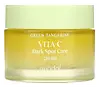
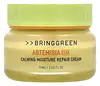
Goodal Green Tangerine Vita C Dark Spot Care Cream Versus Bring Green Artemisia Cera Calming Moisture Repair Cream
This brightening moisturizer is formulated around Niacinamide and Sodium Ascorbyl Phosphate to fade the look of dark spots and brighten dull-looking skin.
This calming moisturizer is formulated around Ceramide NP and Beta-Glucan to calm redness and strengthen the skin barrier.

What's inside
What's inside
 Key Ingredients
Benefits
Concerns
Ingredients Side-by-side
Citrus Tangerina Extract
TonicDipropylene Glycol
HumectantGlycerin
Humectant


Niacinamide
Smoothing









Butylene Glycol
Humectant
1,2-Hexanediol
Skin Conditioning
Water
Skin ConditioningLimnanthes Alba Seed Oil
Skin Conditioning


Pentylene Glycol
Skin Conditioning
Chondrus Crispus Extract
Skin Conditioning

Chlorella Vulgaris Extract
Skin ConditioningSaccharum Officinarum Extract
MoisturisingCitrus Aurantium Bergamia Fruit Oil
Masking


Melia Azadirachta Flower Extract
Skin ConditioningAcacia Senegal Gum
MaskingOcimum Sanctum Leaf Extract
Skin ConditioningMelia Azadirachta Leaf Extract
Skin ConditioningLavandula Angustifolia Oil
Masking
Curcuma Longa Root Extract
Antioxidant
Corallina Officinalis Extract
Skin Conditioning
Citrus Limon Peel Oil
Masking
Cananga Odorata Flower Oil
Masking
Citrus Aurantium Dulcis Peel Oil
Masking
Eucalyptus Globulus Leaf Extract
Perfuming
Cynanchum Atratum Extract
Skin ConditioningTheobroma Cacao Seed Extract
Antioxidant
Althaea Rosea Flower Extract
Skin ConditioningCamellia Sinensis Leaf Extract
Antimicrobial
Vinyldimethicone

Ammonium Acryloyldimethyltaurate/Vp Copolymer
Panthenol
Skin Conditioning
Trehalose
Humectant
Caprylic/Capric Triglyceride
Masking
Acrylates/C10-30 Alkyl Acrylate Crosspolymer
Emulsion StabilisingHydroxyacetophenone
Antioxidant
Tromethamine
BufferingDiisostearyl Malate
EmollientGlucose
Humectant
Fructooligosaccharides
Humectant
Fructose
Humectant
Dimethicone/Vinyl Dimethicone Crosspolymer
Skin Conditioning
Tocopheryl Acetate
Antioxidant
Adenosine
Skin Conditioning
Ethylhexylglycerin
Skin ConditioningSodium Phytate
ChelatingAgar
MaskingSilica
Abrasive
Dextrin
AbsorbentXanthophylls
Skin ConditioningSodium Ascorbyl Phosphate
Antioxidant
Limonene
Perfuming
Linalool
Perfuming
Citrus Tangerina Extract, Dipropylene Glycol, Glycerin, Niacinamide, Butylene Glycol, 1,2-Hexanediol, Water, Limnanthes Alba Seed Oil, Pentylene Glycol, Chondrus Crispus Extract, Chlorella Vulgaris Extract, Saccharum Officinarum Extract, Citrus Aurantium Bergamia Fruit Oil, Melia Azadirachta Flower Extract, Acacia Senegal Gum, Ocimum Sanctum Leaf Extract, Melia Azadirachta Leaf Extract, Lavandula Angustifolia Oil, Curcuma Longa Root Extract, Corallina Officinalis Extract, Citrus Limon Peel Oil, Cananga Odorata Flower Oil, Citrus Aurantium Dulcis Peel Oil, Eucalyptus Globulus Leaf Extract, Cynanchum Atratum Extract, Theobroma Cacao Seed Extract, Althaea Rosea Flower Extract, Camellia Sinensis Leaf Extract, Vinyldimethicone, Ammonium Acryloyldimethyltaurate/Vp Copolymer, Panthenol, Trehalose, Caprylic/Capric Triglyceride, Acrylates/C10-30 Alkyl Acrylate Crosspolymer, Hydroxyacetophenone, Tromethamine, Diisostearyl Malate, Glucose, Fructooligosaccharides, Fructose, Dimethicone/Vinyl Dimethicone Crosspolymer, Tocopheryl Acetate, Adenosine, Ethylhexylglycerin, Sodium Phytate, Agar, Silica, Dextrin, Xanthophylls, Sodium Ascorbyl Phosphate, Limonene, Linalool
Artemisia Capillaris Extract
Water
Skin ConditioningGlycerin
Humectant
Propanediol
Solvent
Hydrogenated Poly(C6-14 Olefin)
Emollient1,2-Hexanediol
Skin Conditioning
Polyglyceryl-6 Distearate
Emulsifying
Cetearyl Alcohol
Emollient

Cyclohexasiloxane
Emollient
Propylheptyl Caprylate
EmollientLaminaria Japonica Extract
Skin Protecting
Eclipta Prostrata Leaf Extract
Skin ConditioningPhellodendron Amurense Bark Extract
Skin ConditioningTheobroma Cacao Seed Extract
Antioxidant
Pelargonium Graveolens Flower Oil
Masking
Macadamia Ternifolia Seed Oil
Emollient
Hydrogenated Lecithin
Emulsifying
Salvia Officinalis Oil
Masking
Pogostemon Cablin Leaf Oil
Masking
Citrus Aurantium Bergamia Fruit Oil
Masking
Ammonium Acryloyldimethyltaurate/Vp Copolymer
Candelilla/Jojoba/Rice Bran Polyglyceryl-3 Esters
Emulsifying
Glyceryl Stearate
Emollient
Behenyl Alcohol
Emollient
Ceramide NP
Skin Conditioning
Sodium Stearoyl Glutamate
CleansingXanthan Gum
EmulsifyingCarbomer
Emulsion StabilisingFructooligosaccharides
Humectant
Glyceryl Polymethacrylate
Candida Bombicola/Glucose/Methyl Rapeseedate Ferment
AntimicrobialPolyglyceryl-10 Stearate
Skin Conditioning
Beta-Glucan
Skin Conditioning
Dextrin
AbsorbentEctoin
Skin Conditioning
Hydrolyzed Hyaluronic Acid
Humectant
Hydroxyacetophenone
Antioxidant
Ethylhexylglycerin
Skin ConditioningCitronellol
Perfuming
Geraniol
Perfuming
Linalool
Perfuming
Artemisia Capillaris Extract, Water, Glycerin, Propanediol, Hydrogenated Poly(C6-14 Olefin), 1,2-Hexanediol, Polyglyceryl-6 Distearate, Cetearyl Alcohol, Cyclohexasiloxane, Propylheptyl Caprylate, Laminaria Japonica Extract, Eclipta Prostrata Leaf Extract, Phellodendron Amurense Bark Extract, Theobroma Cacao Seed Extract, Pelargonium Graveolens Flower Oil, Macadamia Ternifolia Seed Oil, Hydrogenated Lecithin, Salvia Officinalis Oil, Pogostemon Cablin Leaf Oil, Citrus Aurantium Bergamia Fruit Oil, Ammonium Acryloyldimethyltaurate/Vp Copolymer, Candelilla/Jojoba/Rice Bran Polyglyceryl-3 Esters, Glyceryl Stearate, Behenyl Alcohol, Ceramide NP, Sodium Stearoyl Glutamate, Xanthan Gum, Carbomer, Fructooligosaccharides, Glyceryl Polymethacrylate, Candida Bombicola/Glucose/Methyl Rapeseedate Ferment, Polyglyceryl-10 Stearate, Beta-Glucan, Dextrin, Ectoin, Hydrolyzed Hyaluronic Acid, Hydroxyacetophenone, Ethylhexylglycerin, Citronellol, Geraniol, Linalool
Reviews
Ingredients Explained
These ingredients are found in both products.
Ingredients higher up in an ingredient list are typically present in a larger amount.
1,2-Hexanediol is a synthetic liquid and another multi-functional powerhouse.
It is a:
- Humectant, drawing moisture into the skin
- Emollient, helping to soften skin
- Solvent, dispersing and stabilizing formulas
- Preservative booster, enhancing the antimicrobial activity of other preservatives
Ammonium Acryloyldimethyltaurate/Vp Copolymer is a synthetically created polymer. It's used as a film-forming agent and used to thicken the consistency of products.
Think of it as a supportive ingredient that helps your gel-creams feel silky, "cloud cream-like", and spread evenly without being greasy.
The Cosmetic Ingredient Review (CIR) Expert Panel evaluated it (along with 22 other acryloyldimethyltaurate polymers) and concluded it's:
Due to its large molecular size, it sits on the surface of skin rather than penetrating it.
Learn more about Ammonium Acryloyldimethyltaurate/Vp CopolymerCitrus Aurantium Bergamia Fruit Oil is the oil from the bergamot orange and is primarily used as a fragrance. It has a "fresh" and "bright orange" scent.
The main aroma compounds found in this ingredient are limonene (~27-52%), linalool (~2-22%), and linalyl acetate (~27-40%). These are known EU fragrance allergens.
The term 'fragrance' is not regulated in many countries. In many cases, it is up to the brand to define this term. For instance, many brands choose to label themselves as "fragrance-free" because they are not using synthetic fragrances. However, their products may still contain ingredients such as essential oils that are considered a fragrance.
When used topically, Citrus Aurantium Bergamia Fruit Oil is a photosensitizer due to the furanocoumarin content. Furanocoumarins absorb UV-A and cause phytophotodermatitis; this can look like redness, blistering, and lasting brown pigmentation on sun-exposed skin.
Due to this, this ingredient is capped at 0.4% in leave-on products applied to sun exposed skin.
Many modern formulas used a "furanocoumarin-free" version that sidesteps the phototoxicity issue, but still contains the fragrance allergens.
Learn more about Citrus Aurantium Bergamia Fruit OilDextrin is a starch-derived polysaccharide. It's made by partially breaking down corn, potato, or other plant starches.
Think of it as "half-processed" starch; it's less complex than the original but not fully broken down into sugar like maltodextrin.
In cosmetics, it mainly functions as a bulking agent, viscosity controller, binder, and absorbent. It helps thicken products, stabilize powders, and get certain textures a less "wet" feel.
This ingredient has a pretty solid safety profile; it's recognized as a safe food additive and its large molecular size means it doesn't meaningfully penetrate skin.
Human repeat insult patch tests using a rinse-off facial product containing 42.69% dextrin found no skin irritation or sensitization in 54 subjects.
Typical real-world usage is much lower: usually under 1% as a texture modifier and up to 40% in masks (rinse off products use less).
Learn more about DextrinEthylhexylglycerin is created from glycerin. It is a multitasker ingredient that:
The CIR Expert Panel found minimal skin absorption or sensitization of any kind in a safety assessment. Though this ingredient is considered well-tolerated, a small number of cases of allergic dermatitis have been published since 2002. Just be sure to patch test if you are unsure.
Industry-reported use ranges from 8% in rinse-off products and 2% in leave-on formulations.
Learn more about EthylhexylglycerinFructooligosaccharides (FOS) are a type of prebiotic sugar with humectant and skin conditioning properties. As a humectant, they help attract and hold moisture in the skin.
FOS essentially acts as a food source for the "good" bacteria on your skin and make it harder for "bad" bacteria to thrive. A 2022 study using a reconstructured human skin model found that just 1% of FOS was enough to shift the bacteria balance in favor of beneficial species. This suggests it could help support a healthier skin microbiome over time.
This ingredient has a low sensitization risk and testing shows it does not classify as a skin irritant or sensitizer.
FOS are usually produced from sugar beets and can also be found in foods like bananas, garlic, and onions.
Learn more about FructooligosaccharidesGlycerin (or glycerol) is a compound naturally found in your skin. It's a powerhouse humectant that pulls water into the stratum corneum.
Topically, glycerin does several things at once:
Your skin makes glycerin on its own (mostly from sebaceous oil breakdown) and shuttles it to your outermost layer of skin, or your epidermis, via aquaporin-3.
Aquaporin-3 is a transporter that is essential for normal skin hydration, elasticity, and repair. Interestingly, mice lacking in AQP3 have dry and less elastic skin that can be fully corrected with glycerin.
This ingredient is non-irritating, plays well with almost every ingredient, and works across all skin types. Typical use is anywhere between 3-10% but can go up to 79% in some leave-on products.
Just know very high concentrations (>40%) can feel tacky in low humidity.
Glycerin is the name for this ingredient in American English. British English uses Glycerol/Glycerine.
Learn more about GlycerinHydroxyacetophenone is a small phenolic molecule that earns its place in a formulas as an antioxidant and preservative booster.
As a phenol, it is able to neutralize free radicals to protect both the product and the skin from oxidative stress.
Though it can't kill microbes on its own, it works as a good supporting agent when combined with other preservatives like Phenoxyethanol or 1,2-Hexanediol.
This ingredient naturally occurs as piceol in Norwegian spruce needles (~0.4-1.1% dry weight and in cloudberries). Though the cosmetic-grade material is synthesized for purity and consistency.
You'll usually see it used at low levels and suppliers recommend up to 1% added to a water phase.
Safety testing was done at concentrations like 0.05% in SPF products and 0.5% in a Human Repeated Insult Patch Test. The safety evidence is assuring; this ingredient is safe for cosmetics in current use and also holds safety status as a food flavoring as well.
An honest caveat: the "soothing" and "anti-inflammatory" claims come mostly from supplier marketing rather than published clinical trials. The Cosmetic Ingredient Review's own literature search found no useful efficacy studies on this ingredient.
So the antioxidant and preservative-boosting roles are the well supported ones while the calming benefit is plausible but thinly evidenced.
Overall, this is a well-tolerated, low-irritation multitasker that quietly helps a formula stay fresh and stable.
Learn more about HydroxyacetophenoneLinalool is a small, naturally occurring scent molecule found in plants like lavender, coriander, bergamot, and more.
It is one of the two most-used fragrance ingredients in cosmetics and added purely for smell. Since it's not used for a skin benefit, there's no "effective dose". Concentration depends on the fragrance load of the product.
The EU requires it to be named on the label above 0.001% in leave-on and 0.01% in rinse-off products.
Fresh linalool is a weak sensitizer but air exposure turns some of it into hydroperoxides, which are strong sensitizers. Those oxidation products are the actual allergy concern.
Patch-test clinics see positive reactions to linalool hydroperoxides in about 4% to 12% of dermatitis patients depending on country and test concentration.
Resassuringly, one analytical study found hydroperoxide levels in real fragranced products to be orders of magnitude below what induced sensitization in animal studies with no evidence of oxidation building up during normal storage.
The practical takeaway is that linalool is fine for most people but worth avoiding if you have a confirmed fragrance contact allergy or a badly compromised barrier.
Products stored a long time after opening are also the high-risk scenario since that is when oxidation happens.
The scent of linalool is described as floral, spicy tropical, and citrus-like.
Learn more about LinaloolTheobroma Cacao Seed Extract comes from the Theobroma cacoa, or Cacao tree. Cacao trees are native to tropical landscapes.
Cacao seed extract contains antioxidants known as polyphenols.
Water. It's the most common cosmetic ingredient of all. You'll usually see it at the top of ingredient lists, meaning that it makes up the largest part of the product.
So why is it so popular? Water most often acts as a solvent - this means that it helps dissolve other ingredients into the formulation.
You'll also recognize water as that liquid we all need to stay alive. If you see this, drink a glass of water. Remember to stay hydrated!
Learn more about Water

