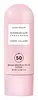
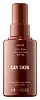
Glow Recipe Watermelon Glow Niacinamide Sunscreen SPF 50 Versus CAY SKIN Isle Glow Face Moisturizer with SPF 45 and Niacinamide
This hybrid sunscreen covers the full UV range and blocks ~98% of UVB at SPF 50.
This hybrid sunscreen covers the full UV range and blocks ~98% of UVB at SPF 45.

What's inside
What's inside
 Key Ingredients
Benefits
Concerns
Ingredients Side-by-side
Homosalate 8.5%
Skin Conditioning

Ethylhexyl Salicylate 5%
UV Absorber
Octocrylene 8.5%
UV Absorber

Zinc Oxide 12.1%
Cosmetic Colorant
Water
Skin ConditioningCaprylic/Capric Triglyceride
Masking


Propanediol
Solvent
Glycerin
Humectant
Cetearyl Olivate


Polyhydroxystearic Acid
Emulsifying
Ethylhexyl Methoxycrylene
Skin Conditioning
Potassium Cetyl Phosphate
EmulsifyingLauroyl Lysine
Skin Conditioning
Phenyl Trimethicone
Skin Conditioning
Dimethicone
Emollient
Sorbitan Olivate
Emulsifying
Inulin Lauryl Carbamate
Emulsion StabilisingXanthan Gum
EmulsifyingTriethoxycaprylylsilane
1,2-Hexanediol
Skin Conditioning
Caprylyl Glycol
Emollient
Hydroxyacetophenone
Antioxidant
Polyester-8
Skin Conditioning
Diethylhexyl Syringylidenemalonate
Skin Protecting
Cetearyl Alcohol
Emollient

Menthone Glycerin Acetal
Refreshing
Lactic Acid
Buffering





Arachidyl Alcohol
Emollient
Chlorphenesin
Antimicrobial
Citrullus Lanatus Fruit Extract
Skin Conditioning
Niacinamide
Smoothing


Sodium Stearoyl Glutamate
CleansingCoco-Glucoside
Cleansing
Behenyl Alcohol
Emollient
Trisodium Ethylenediamine Disuccinate
ChelatingAloe Barbadensis Leaf Juice
Skin Conditioning
Silica
Abrasive
Dimethicone Crosspolymer
Emulsion Stabilising
Arachidyl Glucoside
EmulsifyingSodium Citrate
BufferingParfum
Masking

Sodium Hyaluronate
Humectant
Magnesium Aspartate
Skin ConditioningZinc Gluconate
Skin Conditioning
Phenoxyethanol
Preservative
Copper Gluconate
Skin Conditioning
Homosalate 8.5%, Ethylhexyl Salicylate 5%, Octocrylene 8.5%, Zinc Oxide 12.1%, Water, Caprylic/Capric Triglyceride, Propanediol, Glycerin, Cetearyl Olivate, Polyhydroxystearic Acid, Ethylhexyl Methoxycrylene, Potassium Cetyl Phosphate, Lauroyl Lysine, Phenyl Trimethicone, Dimethicone, Sorbitan Olivate, Inulin Lauryl Carbamate, Xanthan Gum, Triethoxycaprylylsilane, 1,2-Hexanediol, Caprylyl Glycol, Hydroxyacetophenone, Polyester-8, Diethylhexyl Syringylidenemalonate, Cetearyl Alcohol, Menthone Glycerin Acetal, Lactic Acid, Arachidyl Alcohol, Chlorphenesin, Citrullus Lanatus Fruit Extract, Niacinamide, Sodium Stearoyl Glutamate, Coco-Glucoside, Behenyl Alcohol, Trisodium Ethylenediamine Disuccinate, Aloe Barbadensis Leaf Juice, Silica, Dimethicone Crosspolymer, Arachidyl Glucoside, Sodium Citrate, Parfum, Sodium Hyaluronate, Magnesium Aspartate, Zinc Gluconate, Phenoxyethanol, Copper Gluconate
Butyl Methoxydibenzoylmethane 3%
UV Absorber
Ethylhexyl Salicylate 5%
UV Absorber
Octocrylene 10%
UV Absorber
Water
Skin ConditioningButyloctyl Salicylate
Skin Conditioning
Sodium Potassium Aluminum Silicate
Diisopropyl Sebacate
EmollientDiisopropyl Adipate
EmollientC12-15 Alkyl Benzoate
AntimicrobialLauryl Lactate
EmollientGlycerin
Humectant
Mica
Cosmetic ColorantPropanediol
Solvent
Glyceryl Stearate
Emollient
Citrullus Lanatus Fruit Extract
Skin Conditioning
Pyrus Malus Fruit Extract
Skin Conditioning
Lens Esculenta Fruit Extract
Skin ConditioningChondrus Crispus Extract
Skin Conditioning
Panthenol
Skin Conditioning
Niacinamide
Smoothing
Ferulic Acid
Antimicrobial
Helianthus Annuus Seed Oil
Emollient
Theobroma Cacao Seed Butter
Emollient
Cetyl Phosphate
EmulsifyingGlyceryl Stearate Citrate
Emollient
Silica
Abrasive
Caprylyl Glycol
Emollient
1,2-Hexanediol
Skin Conditioning
Acrylates/C10-30 Alkyl Acrylate Crosspolymer
Emulsion StabilisingChlorphenesin
Antimicrobial
Aminomethyl Propanol
BufferingDisodium EDTA
ChelatingSodium Lactate
Buffering
Sodium PCA
Humectant
Vanilla Planifolia Fruit Extract
Skin Conditioning
Santalum Album Oil
Masking
Rosa Damascena Flower Oil
Masking
Myroxylon Pereirae Oil
Masking
Cupressus Sempervirens Leaf/Nut/Stem Oil
Emollient
Coffea Arabica Seed Oil
Masking
Citrus Aurantium Bergamia Fruit Oil
Masking
Citrus Aurantium Amara Flower Oil
Masking
Amyris Balsamifera Bark Oil
Masking
Sodium Benzoate
Masking
Potassium Sorbate
Preservative
Caprylic/Capric Triglyceride
Masking
Limonium Gerberi Extract
Skin ProtectingLimonene
Perfuming
Linalool
Perfuming
Benzyl Benzoate
Antimicrobial
Titanium Dioxide
Cosmetic Colorant
Iron Oxides
Butyl Methoxydibenzoylmethane 3%, Ethylhexyl Salicylate 5%, Octocrylene 10%, Water, Butyloctyl Salicylate, Sodium Potassium Aluminum Silicate, Diisopropyl Sebacate, Diisopropyl Adipate, C12-15 Alkyl Benzoate, Lauryl Lactate, Glycerin, Mica, Propanediol, Glyceryl Stearate, Citrullus Lanatus Fruit Extract, Pyrus Malus Fruit Extract, Lens Esculenta Fruit Extract, Chondrus Crispus Extract, Panthenol, Niacinamide, Ferulic Acid, Helianthus Annuus Seed Oil, Theobroma Cacao Seed Butter, Cetyl Phosphate, Glyceryl Stearate Citrate, Silica, Caprylyl Glycol, 1,2-Hexanediol, Acrylates/C10-30 Alkyl Acrylate Crosspolymer, Chlorphenesin, Aminomethyl Propanol, Disodium EDTA, Sodium Lactate, Sodium PCA, Vanilla Planifolia Fruit Extract, Santalum Album Oil, Rosa Damascena Flower Oil, Myroxylon Pereirae Oil, Cupressus Sempervirens Leaf/Nut/Stem Oil, Coffea Arabica Seed Oil, Citrus Aurantium Bergamia Fruit Oil, Citrus Aurantium Amara Flower Oil, Amyris Balsamifera Bark Oil, Sodium Benzoate, Potassium Sorbate, Caprylic/Capric Triglyceride, Limonium Gerberi Extract, Limonene, Linalool, Benzyl Benzoate, Titanium Dioxide, Iron Oxides
Reviews
Ingredients Explained
These ingredients are found in both products.
Ingredients higher up in an ingredient list are typically present in a larger amount.
1,2-Hexanediol is a synthetic liquid and another multi-functional powerhouse.
It is a:
- Humectant, drawing moisture into the skin
- Emollient, helping to soften skin
- Solvent, dispersing and stabilizing formulas
- Preservative booster, enhancing the antimicrobial activity of other preservatives
Caprylic/Capric Triglyceride (aka MCT Oil) is a lightweight emollient, solvent, and texture enhancer. It is considered a skin-softener by helping to prevent moisture loss.
Though it behaves like an oil, it is not technically one due to its chemical composition. One perk of this ingredient is that it is very stable, resistant to oxidation, and unlikely to go rancid.
In practice, that translates to a long shelf life and a consistently elegant skin feel.
While there is an assumption Caprylic Triglyceride can clog pores due to it being derived from coconut oil, there is no research supporting this. Just patch test if you have concerns.
Fractionated coconut oil and MCT Oil are both listed as Caprylic/Capric Triglyceride according to INCI. This is because INCI names are based on the ingredient’s final chemical composition and not its marketing name or source.
This ingredient is treated as the gold standard fungal acne safe oil. Even though it is coconut derived, the problematic lauric acid is stripped out.
This leaves just caprylic (C8) and capric (C10) acid. These chain lengths actually trend antifungal; a 2020 study found caprylic acid was enough to disrupt Malassezia furfur cell membrane, with a caprylic acid derivative damaging membrane structures at concentrations as low as 0.2%.
Learn more about Caprylic/Capric TriglycerideCaprylyl Glycol is a humectant, skin conditioner, emollient, and preservative booster derived from either caprylic acid or synthetically created.
Typical use levels vary from 0.3-1% as a preservative booster and go up to 2% to condition skin.
Because it is not a free-fatty acid, this ingredient is fungal acne safe (there's nothing for Malassezia to feed on).
Learn more about Caprylyl GlycolChlorphenesin is a synthetic preservative. It helps protect a product against bacteria in order to extend shelf life. In most cases, Chlorphenesin is paired with other preservatives such as phenoxyethanol and caprylyl glycol.
Chlorphenesin is a biocide. This means it is able to help fight the microorganisms on our skin. It is also able to fight odor-releasing bacteria.
Chlorphenesin is soluble in both water and glycerin.
Studies show Chlorphenesin is easily absorbed by our skin. You should speak with a skincare professional if you have concerns about using Chlorphenesin.
Learn more about ChlorphenesinCitrullus Lanatus Fruit Extract comes from the watermelon. Watermelon has antioxidant and anti-inflammatory properties.
Watermelons are rich in antioxidants such as Vitamin A, Vitamin C and lycopene. It also contains sugars and amino acids, such as arginine and glutathione.
Lycopene is a potent antioxidant. Besides helping to protect your skin against free-radical molecules, it also helps soothe the skin. Lycopene gives watermelon the distinct red color.
Learn more about Citrullus Lanatus Fruit ExtractEthylhexyl Salicylate (also called Octisalate or Octyl Salicylate) is an oil-soluble organic UV filter that's been used in sunscreen since the 1950's.
It absorbs UVB light in the 280-320 nm range with a peak absorbance around 306 nm.
You'll often see it paired with other UV filters to boost overall SPF because octisalate is a fairly week filter on its own.
The reason you'll see it so often is because it can help solubilize and stabilize the trickier filters like oxybenzone and avobenzone.
Unlike these filters, octisalate has pretty good photostability and doesn't create skin-damaging free radicals when exposed to sunlight.
The fatty-alcohol part of the molecule also gives it a light, emollient feel so it doubles as a nice texture enhancer.
Usage levels vary around the world:
Safety-wise, this ingredient has a pretty reassuring track record. The EU's Scientific Committee on Consumer Products (SCCP) found very low skin penetration in human skin tests and negative results for irritation, phototoxicity, and photoallergy.
The real-world allergy risk is pretty low too; a 2012 European study of 1,031 people recorded only 2 reactions to it (a rate of 0.19%).
You might have seen scary headlines about sunscreen getting into your blood.
In 2019, the FDA found that several chemical filters can absorb through the skin and show up in the bloodstream at small but measurable levels.
Here's the important part: these tiny levels are just a cutoff the FDA uses to decide which ingredients need more testing and doesn't mean anything harmful was found.
The researchers were clear that the results are no reason to stop wearing sunscreen.
Learn more about Ethylhexyl SalicylateGlycerin (or glycerol) is a compound naturally found in your skin. It's a powerhouse humectant that pulls water into the stratum corneum.
Topically, glycerin does several things at once:
Your skin makes glycerin on its own (mostly from sebaceous oil breakdown) and shuttles it to your outermost layer of skin, or your epidermis, via aquaporin-3.
Aquaporin-3 is a transporter that is essential for normal skin hydration, elasticity, and repair. Interestingly, mice lacking in AQP3 have dry and less elastic skin that can be fully corrected with glycerin.
This ingredient is non-irritating, plays well with almost every ingredient, and works across all skin types. Typical use is anywhere between 3-10% but can go up to 79% in some leave-on products.
Just know very high concentrations (>40%) can feel tacky in low humidity.
Glycerin is the name for this ingredient in American English. British English uses Glycerol/Glycerine.
Learn more about GlycerinNiacinamide is a multitasking form of vitamin B3 that strengthens the skin barrier, reduces pores and dark spots, regulates oil, and improves signs of aging.
And the best part? It's gentle and well-tolerated by most skin types, including sensitive and reactive skin.
You might have heard of "niacin flush", or the reddening of skin that causes itchiness. Niacinamide has not been found to cause this.
In very rare cases, some individuals may not be able to tolerate niacinamide at all or experience an allergic reaction to it.
If you are experiencing flaking, irritation, and dryness with this ingredient, be sure to double check all your products as this ingredient can be found in all categories of skincare.
When incorporating niacinamide into your routine, look out for concentration amounts. Typically, 5% niacinamide provides benefits such as fading dark spots. However, if you have sensitive skin, it is better to begin with a smaller concentration.
When you apply niacinamide to your skin, your body converts it into nicotinamide adenine dinucleotide (NAD). NAD is an essential coenzyme that is already found in your cells as "fuel" and powers countless biological processes.
In your skin, NAD helps repair cell damage, produce new healthy cells, support collagen production, strengthen the skin barrier, and fight environmental stressors (like UV and pollution).
Our natural NAD levels start to decline with age, leading to slower skin repair, visible aging, and a weaker skin barrier. By providing your skin niacinamide, you're recharging your skin's NAD levels. This leads to stronger, healthier, and younger looking skin.
Another name for vitamin B3 is nicotinamide. This vitamin is water-soluble and our bodies don't store it. We obtain Vitamin B3 from either food or skincare. Meat, fish, wheat, yeast, and leafy greens contain vitamin B3.
The type of niacinamide used in skincare is synthetically created.
Learn more about NiacinamideOctocrylene is an oil-soluble organic UV filter that mainly absorbs UVB and short wave UVA II light.
Its real superpower is teamwork: octocrylene is remarkably photostable and is most famous for stabilizing avobenzone (the workhorse UVA filter).
This ingredient is commonly used to enhance both UVB and UVA protection due to its unique property in stabilizing avobenzone. It also pulls double duty by boosting water resistance and giving formulas a smooth, spreadable feel.
The EU's Scientific Committee on Consumer Safety (SCCS) has deemed octocrylene to be safe as a UV-filter at concentrations up to 10% (capped at 9% in propellant sprays). The US also permits it up to 10%.
Two things worth knowing:
You'll usually see this ingredient used in concentrations between 2-10% (higher amounts when used as a stabilizer for avobenzone).
Learn more about OctocrylenePropanediol is an all-star ingredient. It softens, hydrates, and smooths the skin.
It’s often used to:
Propanediol is not likely to cause sensitivity and considered safe to use. It is derived from corn or petroleum with a clear color and no scent.
Learn more about PropanediolSilica, also known as silicon dioxide, is a naturally occurring mineral. It is used as a fine, spherical, and porous powder in cosmetics.
Though it has exfoliant properties, the function of silica varies depending on the product.
The unique structure of silica enhances the spreadability and adds smoothness, making it a great texture enhancer.
It is also used as an active carrier, emulsifier, and mattifier due to its ability to absorb excess oil.
In some products, tiny microneedles called spicules are made from silica or hydrolyzed sponge. When you rub them in, they lightly polish away dead skin layers and enhance the penetration of active ingredients.
Learn more about SilicaWater. It's the most common cosmetic ingredient of all. You'll usually see it at the top of ingredient lists, meaning that it makes up the largest part of the product.
So why is it so popular? Water most often acts as a solvent - this means that it helps dissolve other ingredients into the formulation.
You'll also recognize water as that liquid we all need to stay alive. If you see this, drink a glass of water. Remember to stay hydrated!
Learn more about Water

