Glow Recipe Watermelon Glow AHA Night Treatment Versus Tula Skincare 24-7 Moisture Hydrating Day & Night Cream
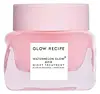
This smoothing overnight mask is formulated around Niacinamide and Glycolic Acid to refine skin texture and brighten dull-looking skin.
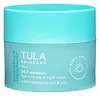
This barrier-repair moisturizer is formulated around Squalane and Bifida Ferment Lysate to strengthen the skin barrier and hydrate skin.

What's inside
What's inside
 Key Ingredients
Benefits
Concerns
Ingredients Side-by-side
Water
Skin ConditioningPropanediol
Solvent

C9-12 Alkane
SolventGlycerin
Humectant
Niacinamide
Smoothing









Citrullus Lanatus Fruit Extract
Skin Conditioning
Maris Aqua
HumectantGlycolic Acid
Buffering



Lactic Acid
Buffering
Sodium Hyaluronate
Humectant
Chenopodium Quinoa Seed Extract
Skin Conditioning
Lactobacillus/Watermelon Fruit Ferment Extract
Skin ConditioningLens Esculenta Fruit Extract
Skin ConditioningPyrus Malus Fruit Extract
Skin Conditioning
Leuconostoc Ferment Filtrate
AntimicrobialMelia Azadirachta Leaf Extract
Skin ConditioningMoringa Oleifera Seed Oil
Emollient


Leuconostoc/Radish Root Ferment Filtrate
Antimicrobial
Eclipta Prostrata Extract
Skin Conditioning
Sodium PCA
Humectant
Saccharide Isomerate
Humectant
Hydroxyacetophenone
Antioxidant
Polysorbate 60
Emulsifying
Hydroxyethylcellulose
Emulsion StabilisingAmmonium Acryloyldimethyltaurate/Vp Copolymer
Caprylyl Glycol
Emollient
1,2-Hexanediol
Skin Conditioning
Cetearyl Alcohol
Emollient

Sodium Magnesium Silicate
Sodium Lactate
Buffering
Xanthan Gum
EmulsifyingSodium Citrate
BufferingDisodium Phosphate
BufferingSodium Phosphate
BufferingCoco-Caprylate/Caprate
Emollient
Potassium Sorbate
Preservative
Sodium Benzoate
Masking
Citric Acid
Buffering
Sodium Hydroxide
BufferingParfum
Masking

Water, Propanediol, C9-12 Alkane, Glycerin, Niacinamide, Citrullus Lanatus Fruit Extract, Maris Aqua, Glycolic Acid, Lactic Acid, Sodium Hyaluronate, Chenopodium Quinoa Seed Extract, Lactobacillus/Watermelon Fruit Ferment Extract, Lens Esculenta Fruit Extract, Pyrus Malus Fruit Extract, Leuconostoc Ferment Filtrate, Melia Azadirachta Leaf Extract, Moringa Oleifera Seed Oil, Leuconostoc/Radish Root Ferment Filtrate, Eclipta Prostrata Extract, Sodium PCA, Saccharide Isomerate, Hydroxyacetophenone, Polysorbate 60, Hydroxyethylcellulose, Ammonium Acryloyldimethyltaurate/Vp Copolymer, Caprylyl Glycol, 1,2-Hexanediol, Cetearyl Alcohol, Sodium Magnesium Silicate, Sodium Lactate, Xanthan Gum, Sodium Citrate, Disodium Phosphate, Sodium Phosphate, Coco-Caprylate/Caprate, Potassium Sorbate, Sodium Benzoate, Citric Acid, Sodium Hydroxide, Parfum
Water
Skin ConditioningButylene Glycol
Humectant
Ethylhexyl Palmitate
Emollient
Squalane
Emollient
Glycerin
Humectant
Cetyl Alcohol
Emollient
Caprylic/Capric Triglyceride
Masking
Dimethicone
Emollient
Hydrogenated Vegetable Oil
Emollient
Glyceryl Stearate
Emollient
PEG-100 Stearate
Surfactant
Bifida Ferment Lysate
Skin Conditioning
Lactose
HumectantLactis Proteinum
Skin ConditioningYogurt Extract
Skin ConditioningHydrolyzed Rice Protein
Skin ConditioningCichorium Intybus Root Extract
MaskingVaccinium Angustifolium Fruit Extract
Skin Protecting
Vegetable Oil
Skin Conditioning
Camelina Sativa Seed Oil
Skin Conditioning
Camellia Sinensis Leaf Extract
Antimicrobial
Curcuma Longa Root Extract
Antioxidant
Tocopheryl Acetate
Antioxidant
Ascorbyl Palmitate
Antioxidant
Carthamus Tinctorius Seed Oil
Masking
Olea Europaea Fruit Oil
Masking
Pyrus Malus Fruit Extract
Skin Conditioning
Citrullus Lanatus Fruit Extract
Skin Conditioning
Lens Esculenta Fruit Extract
Skin ConditioningSodium Lactate
Buffering
Sodium PCA
Humectant
Carbomer
Emulsion StabilisingSodium Hydroxide
BufferingPentylene Glycol
Skin Conditioning
Caprylyl Glycol
Emollient
Bulnesia Sarmientoi Wood Oil
Masking
Citrus Limon Fruit Oil
Astringent
Citrus Aurantium Dulcis Oil
Masking
Juniperus Mexicana Oil
Masking
Cananga Odorata Flower Oil
Masking

Ethylhexylglycerin
Skin ConditioningStearyl Alcohol
Emollient
Disodium EDTA
ChelatingCitric Acid
Buffering
Sorbic Acid
Preservative
Phenethyl Alcohol
MaskingSodium Benzoate
Masking
Potassium Sorbate
Preservative
Phenoxyethanol
Preservative
Parfum
Masking
Alpha-Isomethyl Ionone
Perfuming
Butylphenyl Methylpropional
Perfuming
Linalool
Perfuming
Hexyl Cinnamal
Perfuming
Water, Butylene Glycol, Ethylhexyl Palmitate, Squalane, Glycerin, Cetyl Alcohol, Caprylic/Capric Triglyceride, Dimethicone, Hydrogenated Vegetable Oil, Glyceryl Stearate, PEG-100 Stearate, Bifida Ferment Lysate, Lactose, Lactis Proteinum, Yogurt Extract, Hydrolyzed Rice Protein, Cichorium Intybus Root Extract, Vaccinium Angustifolium Fruit Extract, Vegetable Oil, Camelina Sativa Seed Oil, Camellia Sinensis Leaf Extract, Curcuma Longa Root Extract, Tocopheryl Acetate, Ascorbyl Palmitate, Carthamus Tinctorius Seed Oil, Olea Europaea Fruit Oil, Pyrus Malus Fruit Extract, Citrullus Lanatus Fruit Extract, Lens Esculenta Fruit Extract, Sodium Lactate, Sodium PCA, Carbomer, Sodium Hydroxide, Pentylene Glycol, Caprylyl Glycol, Bulnesia Sarmientoi Wood Oil, Citrus Limon Fruit Oil, Citrus Aurantium Dulcis Oil, Juniperus Mexicana Oil, Cananga Odorata Flower Oil, Ethylhexylglycerin, Stearyl Alcohol, Disodium EDTA, Citric Acid, Sorbic Acid, Phenethyl Alcohol, Sodium Benzoate, Potassium Sorbate, Phenoxyethanol, Parfum, Alpha-Isomethyl Ionone, Butylphenyl Methylpropional, Linalool, Hexyl Cinnamal
Reviews
Ingredients Explained
These ingredients are found in both products.
Ingredients higher up in an ingredient list are typically present in a larger amount.
Caprylyl Glycol is a humectant, skin conditioner, emollient, and preservative booster derived from either caprylic acid or synthetically created.
Typical use levels vary from 0.3-1% as a preservative booster and go up to 2% to condition skin.
Because it is not a free-fatty acid, this ingredient is fungal acne safe (there's nothing for Malassezia to feed on).
Learn more about Caprylyl GlycolCitric Acid is an alpha hydroxy acid (AHA) naturally found in citrus fruits like oranges, lemons, and limes.
Like other AHAs, citric acid can exfoliate skin by breaking down the bonds that hold dead skin cells together. This helps reveal smoother and brighter skin underneath.
However, this exfoliating effect only happens at high concentrations (20%) which can be hard to find in cosmetic products.
Due to this, citric acid is usually included in small amounts as a pH adjuster. This helps keep products slightly more acidic and compatible with skin's natural pH.
In skincare formulas, citric acid can:
While it can provide some skin benefits, research shows lactic acid and glycolic acid are generally more effective and less irritating exfoliants.
Most citric acid used in skincare today is made by fermenting sugars (usually from molasses). This synthetic version is identical to the natural citrus form but easier to stabilize and use in formulations.
Rosacea skin has a lower threshold for acids generally, with 62.5% of rosacea subjects in one study reacting to lactic acid in a sting test. This is why we mark citric acid as a potential rosacea trigger.
However, this ingredient shows up as a pH adjuster or chelator at roughly 0.1-1% in many products. These low levels are unlikely to be an issue for rosacea skin and becomes a potential trigger at exfoliating concentrations (20%). Because everybody's skin is unique, we recommend a patch test if you are unsure.
Learn more about Citric AcidCitrullus Lanatus Fruit Extract comes from the watermelon. Watermelon has antioxidant and anti-inflammatory properties.
Watermelons are rich in antioxidants such as Vitamin A, Vitamin C and lycopene. It also contains sugars and amino acids, such as arginine and glutathione.
Lycopene is a potent antioxidant. Besides helping to protect your skin against free-radical molecules, it also helps soothe the skin. Lycopene gives watermelon the distinct red color.
Learn more about Citrullus Lanatus Fruit ExtractGlycerin (or glycerol) is a compound naturally found in your skin. It's a powerhouse humectant that pulls water into the stratum corneum.
Topically, glycerin does several things at once:
Your skin makes glycerin on its own (mostly from sebaceous oil breakdown) and shuttles it to your outermost layer of skin, or your epidermis, via aquaporin-3.
Aquaporin-3 is a transporter that is essential for normal skin hydration, elasticity, and repair. Interestingly, mice lacking in AQP3 have dry and less elastic skin that can be fully corrected with glycerin.
This ingredient is non-irritating, plays well with almost every ingredient, and works across all skin types. Typical use is anywhere between 3-10% but can go up to 79% in some leave-on products.
Just know very high concentrations (>40%) can feel tacky in low humidity.
Glycerin is the name for this ingredient in American English. British English uses Glycerol/Glycerine.
Learn more about GlycerinWe don't have a description for Lens Esculenta Fruit Extract yet.
Parfum is a catch-all term for an ingredient or more that is used to give a scent to products.
Also called "fragrance", this ingredient can be a blend of hundreds of chemicals or plant oils. This means every product with "fragrance" or "parfum" in the ingredients list is a different mixture.
For instance, Habanolide is a proprietary trade name for a specific aroma chemical. When used as a fragrance ingredient in cosmetics, most aroma chemicals fall under the broad labeling category of “FRAGRANCE” or “PARFUM” according to EU and US regulations.
The term 'parfum' or 'fragrance' is not regulated in many countries. In many cases, it is up to the brand to define this term.
For instance, many brands choose to label themselves as "fragrance-free" because they are not using synthetic fragrances. However, their products may still contain ingredients such as essential oils that are considered a fragrance by INCI standards.
One example is Calendula flower extract. Calendula is an essential oil that still imparts a scent or 'fragrance'.
Depending on the blend, the ingredients in the mixture can cause allergies and sensitivities on the skin. Some ingredients that are known EU allergens include linalool and citronellol.
Parfum can also be used to mask or cover an unpleasant scent.
The bottom line is: not all fragrances/parfum/ingredients are created equally. If you are worried about fragrances, we recommend taking a closer look at an ingredient. And of course, we always recommend speaking with a professional.
Learn more about ParfumPotassium Sorbate is a preservative used to prevent yeast and mold in products. It is commonly found in both cosmetic and food products.
This ingredient comes from potassium salt derived from sorbic acid. Sorbic acid is a natural antibiotic and effective against fungus.
Both potassium sorbate and sorbic acid can be found in baked goods, cheeses, dried meats, dried fruit, ice cream, pickles, wine, yogurt, and more.
You'll often find this ingredient used with other preservatives.
Learn more about Potassium SorbatePyrus Malus Fruit Extract is extract from Apples. Apples are rich in Vitamin C, sugars, and antioxidants.
The sugar in Apples are humectants and help hydrate the skin. On top of that, apples also contain some acids, such as malic acid. These acids may have a mild exfoliating effect.
Last, the phytochemicals found in apples are strong antioxidants. These antioxidants help with anti-aging as they protect your skin cells against oxidative damage.
Learn more about Pyrus Malus Fruit ExtractSodium Benzoate is a preservative. It's used in both cosmetic and food products to inhibit the growth of mold and bacteria. It is typically produced synthetically.
Both the US FDA and EU Health Committee have approved the use of sodium benzoate. In the US, levels of 0.1% (of the total product) are allowed.
Sodium benzoate works as a preservative by inhibiting the growth of bacteria inside of cells. It prevents the cell from fermenting a type of sugar using an enzyme called phosphofructokinase.
It is the salt of benzoic acid. Foods containing sodium benzoate include soda, salad dressings, condiments, fruit juices, wines, and snack foods.
Studies for using ascorbic acid and sodium benzoate in cosmetics are lacking, especially in skincare routines with multiple steps.
We always recommend speaking with a professional, such as a dermatologist, if you have any concerns.
Learn more about Sodium BenzoateSodium Hydroxide is also known as lye or caustic soda. It is used to adjust the pH of products; many ingredients require a specific pH to be effective.
In small amounts, sodium hydroxide is considered safe to use. However, large amounts may cause chemical burns due to its high alkaline.
Your skin has a natural pH and acid mantle. This acid mantle helps prevent harmful bacteria from breaking through. The acid mantle also helps keep your skin hydrated.
"Alkaline" refers to a high pH level. A low pH level would be considered acidic.
Learn more about Sodium HydroxideSodium Lactate is the sodium salt of lactic acid, an AHA. It is a humectant and sometimes used to adjust the pH of a product.
This ingredient is part of our skin's NMF, or natural moisturizing factor. Our NMF is essential for the hydration of our top skin layers and plasticity of skin. NMF also influences our skin's natural acid mantle and pH, which protects our skin from harmful bacteria.
High percentages of Sodium Lactate can have an exfoliating effect.
Fun fact: Sodium Lactate is produced from fermented sugar.
Learn more about Sodium LactateSodium PCA (the salt of PCA) is one of the most well-established humectants in skincare.
Why is it so special? Your skin already makes it naturally; it's a natural component of your skin's Natural Moisturizing Factor (NMF), or the mix of water-binding compounds inside your skin cells that keeps things soft and hydrated.
As a cosmetic ingredient, it grabs water and holds it in the upper layers of skin to smooth roughness and ease dehydration.
There's some clinical support for the NMF approach with a study showing that a cream built to mimic the skin's NMF significantly boosted hydration.
Safety-wise, this ingredient non-irritating, non-comedogenic, and non-phototoxic in testing, with minimal skin absorption.
It also works really well with other hydrators like glycerin or hyaluronic acid, and typical usage is somewhere between 0.2-4%.
Learn more about Sodium PCAWater. It's the most common cosmetic ingredient of all. You'll usually see it at the top of ingredient lists, meaning that it makes up the largest part of the product.
So why is it so popular? Water most often acts as a solvent - this means that it helps dissolve other ingredients into the formulation.
You'll also recognize water as that liquid we all need to stay alive. If you see this, drink a glass of water. Remember to stay hydrated!
Learn more about Water

