
What's inside
What's inside
 Key Ingredients
Benefits
Concerns
Ingredients Side-by-side
Water
Skin ConditioningGlycerin
Humectant


Propylene Glycol Dicaprylate/Dicaprate
EmollientPentylene Glycol
Skin Conditioning
Cetearyl Alcohol
Emollient




Caprylic/Capric Triglyceride
Masking
Cetearyl Isononanoate
Emollient
Betaine
Humectant
Steareth-21
CleansingNelumbo Nucifera Extract
Skin ConditioningCitrus Limon Peel Oil
Masking





Cucumis Sativus Fruit Extract
Emollient
Averrhoa Carambola Leaf Extract
HumectantTocopherol
Antioxidant




Silica
Abrasive


Behenyl Alcohol
Emollient
Cetearyl Glucoside
Emulsifying
Sorbitol
Humectant
Dimethicone
Emollient
Sodium PCA
Humectant
Carbomer
Emulsion StabilisingCaprylyl Glycol
Emollient
Butylene Glycol
Humectant
Tromethamine
BufferingCetyl Alcohol
Emollient
Stearyl Alcohol
Emollient
Sodium Hyaluronate
Humectant
Xanthan Gum
EmulsifyingLauroyl Lysine
Skin Conditioning
Adenosine
Skin Conditioning
Glucose
Humectant
Tetrasodium EDTA
Sodium Metabisulfite
Antioxidant
Potassium Sorbate
Preservative
Sodium Benzoate
Masking
Phenoxyethanol
Preservative
Limonene
Perfuming

Citral
Perfuming
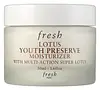
Water, Glycerin, Propylene Glycol Dicaprylate/Dicaprate, Pentylene Glycol, Cetearyl Alcohol, Caprylic/Capric Triglyceride, Cetearyl Isononanoate, Betaine, Steareth-21, Nelumbo Nucifera Extract, Citrus Limon Peel Oil, Cucumis Sativus Fruit Extract, Averrhoa Carambola Leaf Extract, Tocopherol, Silica, Behenyl Alcohol, Cetearyl Glucoside, Sorbitol, Dimethicone, Sodium PCA, Carbomer, Caprylyl Glycol, Butylene Glycol, Tromethamine, Cetyl Alcohol, Stearyl Alcohol, Sodium Hyaluronate, Xanthan Gum, Lauroyl Lysine, Adenosine, Glucose, Tetrasodium EDTA, Sodium Metabisulfite, Potassium Sorbate, Sodium Benzoate, Phenoxyethanol, Limonene, Citral
Water
Skin ConditioningPropanediol
Solvent
Glycerin
Humectant
C13-15 Alkane
SolventCaprylic/Capric Triglyceride
Masking
C9-12 Alkane
SolventPrunus Domestica Seed Oil
Skin Conditioning
Pentylene Glycol
Skin Conditioning
Squalane
Emollient
Terminalia Ferdinandiana Seed Oil
Antioxidant
Hyaluronic Acid
Humectant
Sodium Acetylated Hyaluronate
Humectant
Sodium Hyaluronate
Humectant
Davidsonia Jerseyana Fruit Extract
Antioxidant
Terminalia Ferdinandiana Fruit Powder
Antioxidant
Podocarpus Elatus Fruit Extract
Skin ConditioningPolyglutamic Acid
Skin Conditioning
Pleiogynium Timoriense Fruit Extract
Skin ConditioningSodium Hyaluronate Crosspolymer
Humectant
Hydrolyzed Sodium Hyaluronate
Skin Conditioning
Epilobium Fleischeri Flower/Leaf/Stem Extract
Skin ConditioningNiacinamide
Smoothing


Acrylates/C10-30 Alkyl Acrylate Crosspolymer
Emulsion StabilisingXylitylglucoside
Humectant
Isononyl Isononanoate
EmollientCaprylyl Glycol
Emollient
Anhydroxylitol
Humectant
Cetearyl Alcohol
Emollient
Glyceryl Stearate
Emollient
Arginine
Masking
Ethylhexylglycerin
Skin ConditioningSodium Chloride
MaskingXylitol
Humectant
Stearic Acid
Cleansing
Tremella Fuciformis Polysaccharide
Emulsion Stabilising
Sodium Lauroyl Glutamate
Eclipta Prostrata Extract
Skin Conditioning
Glucose
Humectant
Potassium Phosphate
BufferingButylene Glycol
Humectant
Melia Azadirachta Leaf Extract
Skin ConditioningHydroxypropylcellulose
EmulsifyingAlaria Esculenta Extract
Skin ProtectingSodium Phosphate
BufferingPotassium Chloride
Melia Azadirachta Flower Extract
Skin ConditioningCorallina Officinalis Extract
Skin Conditioning
1,2-Hexanediol
Skin Conditioning
Moringa Oleifera Seed Oil
Emollient
Coccinia Indica Fruit Extract
Skin ConditioningCitric Acid
Buffering
Potassium Sorbate
Preservative
Solanum Melongena Fruit Extract
Skin ConditioningAloe Barbadensis Flower Extract
EmollientGluconolactone
Skin Conditioning
Simmondsia Chinensis Seed Oil
Emollient
Curcuma Longa Root Extract
Masking
Ocimum Basilicum Flower/Leaf Extract
TonicOcimum Sanctum Leaf Extract
Skin ConditioningSilica
Abrasive
Sodium Hydroxide
BufferingSodium Benzoate
Masking
Phenoxyethanol
Preservative
Parfum
Masking
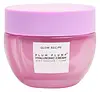
Water, Propanediol, Glycerin, C13-15 Alkane, Caprylic/Capric Triglyceride, C9-12 Alkane, Prunus Domestica Seed Oil, Pentylene Glycol, Squalane, Terminalia Ferdinandiana Seed Oil, Hyaluronic Acid, Sodium Acetylated Hyaluronate, Sodium Hyaluronate, Davidsonia Jerseyana Fruit Extract, Terminalia Ferdinandiana Fruit Powder, Podocarpus Elatus Fruit Extract, Polyglutamic Acid, Pleiogynium Timoriense Fruit Extract, Sodium Hyaluronate Crosspolymer, Hydrolyzed Sodium Hyaluronate, Epilobium Fleischeri Flower/Leaf/Stem Extract, Niacinamide, Acrylates/C10-30 Alkyl Acrylate Crosspolymer, Xylitylglucoside, Isononyl Isononanoate, Caprylyl Glycol, Anhydroxylitol, Cetearyl Alcohol, Glyceryl Stearate, Arginine, Ethylhexylglycerin, Sodium Chloride, Xylitol, Stearic Acid, Tremella Fuciformis Polysaccharide, Sodium Lauroyl Glutamate, Eclipta Prostrata Extract, Glucose, Potassium Phosphate, Butylene Glycol, Melia Azadirachta Leaf Extract, Hydroxypropylcellulose, Alaria Esculenta Extract, Sodium Phosphate, Potassium Chloride, Melia Azadirachta Flower Extract, Corallina Officinalis Extract, 1,2-Hexanediol, Moringa Oleifera Seed Oil, Coccinia Indica Fruit Extract, Citric Acid, Potassium Sorbate, Solanum Melongena Fruit Extract, Aloe Barbadensis Flower Extract, Gluconolactone, Simmondsia Chinensis Seed Oil, Curcuma Longa Root Extract, Ocimum Basilicum Flower/Leaf Extract, Ocimum Sanctum Leaf Extract, Silica, Sodium Hydroxide, Sodium Benzoate, Phenoxyethanol, Parfum
Reviews
Ingredients Explained
These ingredients are found in both products.
Ingredients higher up in an ingredient list are typically present in a larger amount.
Butylene Glycol (or BG) is used within cosmetic products for a few different reasons:
Overall, Butylene Glycol is a safe and well-rounded ingredient that works well with other ingredients.
Though this ingredient works well with most skin types, some people with sensitive skin may experience a reaction such as allergic rashes, closed comedones, or itchiness.
Learn more about Butylene GlycolThis ingredient is a lightweight emollient, solvent, and texture enhancer. It is considered a skin-softener by helping the skin prevent moisture loss.
It helps thicken a product's formula and makes it easier to spread by dissolving clumping compounds.
Caprylic Triglyceride is made by combining glycerin with coconut oil, forming a clear liquid. Though it behaves like an oil, it is not technically one due to its chemical composition. It is very stable, resistant to oxidation, and unlikely to go rancid. In practice, that translates to a long shelf life and a consistently elegant skin feel.
While there is an assumption Caprylic Triglyceride can clog pores due to it being derived from coconut oil, there is no research supporting this. Be sure to patch test if you have concerns.
Fractionated coconut oil and MCT Oil are both listed as Caprylic/Capric Triglyceride according to INCI. This is because INCI names are based on the ingredient’s final chemical composition and not its marketing name or source.
Learn more about Caprylic/Capric TriglycerideCaprylyl Glycol is a humectant, skin conditioner, emollient, and preservative booster derived from either caprylic acid or synthetically created.
Typical use levels vary from 0.3-1% as a preservative booster and go up to 2% to condition skin.
Because it is not a free-fatty acid or alcohol, this ingredient is fungal acne safe (there's nothing for Malassezia to feed on).
Learn more about Caprylyl GlycolCetearyl alcohol is a waxy mixture of two fatty alcohols: cetyl alcohol and stearyl alcohol. It is an emollient and emulsifier.
Despite having "alcohol" in its name, it has nothing to do with drying solvent alcohols; the FDA also allows "alcohol-free" products to contain fatty alcohols like this ingredient.
It plays several roles in a formula:
Typical use levels for this ingredient sit around 1-10% and the Cosmetic Ingredient Review Expert Panel has affirmed safety at concentrations up to 25% in leave-on products.
Multiple assessments have found it to be non-irritating and non-sensitizing to most people.
However, there have been some cases of allergic contact dermatitis in patients with chronically compromised skin barriers.
Cetearyl alcohol has a comedogenic rating of 2 and irritancy rating of 1. Both of these numbers come from the 1989 study that used rabbit ears; a "2" means mildly comedogenic and a "1" means low irritancy.
Here's the catch: rabbit skin is more sensitive than human skin and throws a lot of false positives. A 1996 reappraisal found that ingredients rated 1-2 in the rabbit ear tests are generally safe for humans.
Remember comedogenic ratings are unable to assess the entire formula of a product or how it will react on your skin. Just be sure to patch test if you are unsure about certain ingredients.
This ingredient is not fungal acne safe. Cetearyl alcohol is a fatty alcohol with chain lengths that fall within the range that Malassezia can metabolize.
Learn more about Cetearyl AlcoholGlucose is a simple sugar (a monosaccharide). In skincare, it is mostly a humectant and skin conditioning agent.
Mechanistically, it has multiple hydroxyl groups that hydrogen-bond to water. This pulls moisture into the upper layers of skin to keep the surface soft and hydrated.
It's worth knowing sugars are already a natural component of the skin's NMF (natural moisturizing factor) so it's a molecule that your stratum corneum is well-acquainted with.
Just so you know, glucose is hydrophilic (water-loving) and the stratum corneum is a strong barrier to hydrophilic compounds. This just means penetration is slow and most of the action is happening on the surface.
Gram-to-gram, glucose is not as efficient as a humectant as glycerin. This is why you'll likely see glycose paired with stronger humectants for a bigger hydration payoff.
In skincare, glucose is typically derived from corn or other starch sources.
Learn more about GlucoseGlycerin (or glycerol) is a compound naturally found in your skin. It's a powerhouse humectant that pulls water into the stratum corneum.
Topically, glycerin does several things at once:
Your skin makes glycerin on its own (mostly from sebaceous oil breakdown) and shuttles it to your outermost layer of skin, or your epidermis, via aquaporin-3.
Aquaporin-3 is a transporter that is essential for normal skin hydration, elasticity, and repair. Interestingly, mice lacking in AQP3 have dry and less elastic skin that can be fully corrected with glycerin.
This ingredient is non-irritating, plays well with almost every ingredient, and works across all skin types. Typical use is anywhere between 3-10% but can go up to 79% in some leave-on products.
Just know very high concentrations (>40%) can feel tacky in low humidity.
Glycerin is the name for this ingredient in American English. British English uses Glycerol/Glycerine.
Learn more about GlycerinPentylene glycol is typically used within a product to thicken it. It also adds a smooth, soft, and moisturizing feel to the product. It is naturally found in plants such as sugar beets.
The hydrophilic trait of Pentylene Glycol makes it a humectant. As a humectant, Pentylene Glycol helps draw moisture from the air to your skin. This can help keep your skin hydrated.
This property also makes Pentylene Glycol a great texture enhancer. It can also help thicken or stabilize a product.
Pentylene Glycol also acts as a mild preservative and helps to keep a product microbe-free.
Some people may experience mild eye and skin irritation from Pentylene Glycol. We always recommend speaking with a professional about using this ingredient in your routine.
Pentylene Glycol has a low molecular weight and is part of the 1,2-glycol family.
Learn more about Pentylene GlycolPhenoxyethanol is a preservative that has germicide, antimicrobial, and aromatic properties. Studies show that phenoxyethanol can prevent microbial growth. By itself, it has a scent that is similar to that of a rose.
It's often used in formulations along with Caprylyl Glycol to preserve the shelf life of products.
Potassium Sorbate is a preservative used to prevent yeast and mold in products. It is commonly found in both cosmetic and food products.
This ingredient comes from potassium salt derived from sorbic acid. Sorbic acid is a natural antibiotic and effective against fungus.
Both potassium sorbate and sorbic acid can be found in baked goods, cheeses, dried meats, dried fruit, ice cream, pickles, wine, yogurt, and more.
You'll often find this ingredient used with other preservatives.
Learn more about Potassium SorbateSilica, also known as silicon dioxide, is a naturally occurring mineral. It is used as a fine, spherical, and porous powder in cosmetics.
Though it has exfoliant properties, the function of silica varies depending on the product.
The unique structure of silica enhances the spreadability and adds smoothness, making it a great texture enhancer.
It is also used as an active carrier, emulsifier, and mattifier due to its ability to absorb excess oil.
In some products, tiny microneedles called spicules are made from silica or hydrolyzed sponge. When you rub them in, they lightly polish away dead skin layers and enhance the penetration of active ingredients.
Learn more about SilicaSodium Benzoate is a preservative. It's used in both cosmetic and food products to inhibit the growth of mold and bacteria. It is typically produced synthetically.
Both the US FDA and EU Health Committee have approved the use of sodium benzoate. In the US, levels of 0.1% (of the total product) are allowed.
Sodium benzoate works as a preservative by inhibiting the growth of bacteria inside of cells. It prevents the cell from fermenting a type of sugar using an enzyme called phosphofructokinase.
It is the salt of benzoic acid. Foods containing sodium benzoate include soda, salad dressings, condiments, fruit juices, wines, and snack foods.
Studies for using ascorbic acid and sodium benzoate in cosmetics are lacking, especially in skincare routines with multiple steps.
We always recommend speaking with a professional, such as a dermatologist, if you have any concerns.
Learn more about Sodium BenzoateSodium Hyaluronate is the salt form of hyaluronic acid. It is a long sugar chain that is naturally found in your skin, joints, and connective tissue that maintains hydration and elasticity.
In skincare, it works as a humectant. It pulls water from the environment and deeper layers of skin and binds it to the surface.
Interestingly, the size of the molecule affects its behavior:
Some clinical evidence links low molecular weight versions to improved wrinkle depth, elasticity, anti-inflammatory effects, and barrier repair.
Many serums use a blend of both weights so you can get surface hydration plus longer-lasting and deeper effects.
You'll typically see concentrations between 0.1-2% for this ingredient.
Learn more about Sodium HyaluronateWater. It's the most common cosmetic ingredient of all. You'll usually see it at the top of ingredient lists, meaning that it makes up the largest part of the product.
So why is it so popular? Water most often acts as a solvent - this means that it helps dissolve other ingredients into the formulation.
You'll also recognize water as that liquid we all need to stay alive. If you see this, drink a glass of water. Remember to stay hydrated!
Learn more about Water
