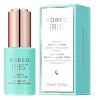
This anti-aging eye moisturizer is formulated around Bakuchiol and Tremella Fuciformis Sporocarp Extract to soften the look of wrinkles and hydrate skin.
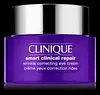
This anti-aging eye moisturizer is formulated around Acetyl Hexapeptide-8 and Palmitoyl Tripeptide-1 to soften the look of wrinkles and strengthen the skin barrier.


What's inside
What's inside
 Key Ingredients
Benefits
Concerns
Ingredients Side-by-side
Water
Skin ConditioningCoconut Alkanes
Emollient


Glycerin
Humectant


Isostearyl Alcohol
Emollient


Butylene Glycol Cocoate
Emulsifying
1,2-Hexanediol
Skin Conditioning
Caprylic/Capric Triglyceride
Masking
Hydroxyacetophenone
Antioxidant
Tocopheryl Acetate
Antioxidant

Xanthan Gum
EmulsifyingAcrylates/C10-30 Alkyl Acrylate Crosspolymer
Emulsion StabilisingTetrasodium Glutamate Diacetate
ChelatingEthylcellulose
Bakuchiol
Antimicrobial






Caramel
Cosmetic ColorantSodium Hydroxide
BufferingTremella Fuciformis Sporocarp Extract
Antioxidant
Lactobacillus
Skin ConditioningMannitol
Humectant
Phosphatidylcholine
EmulsifyingRetinyl Palmitate
Skin Conditioning
Butylene Glycol
Humectant
Cetyl Alcohol
Emollient
Potassium Sorbate
Preservative
Sodium Benzoate
Masking
Decyl Glucoside
Cleansing
Lauryl Glucoside
CleansingCI 19140
Cosmetic ColorantLactobacillus Ferment
Skin Conditioning
Sodium Chloride
MaskingWater, Coconut Alkanes, Glycerin, Isostearyl Alcohol, Butylene Glycol Cocoate, 1,2-Hexanediol, Caprylic/Capric Triglyceride, Hydroxyacetophenone, Tocopheryl Acetate, Xanthan Gum, Acrylates/C10-30 Alkyl Acrylate Crosspolymer, Tetrasodium Glutamate Diacetate, Ethylcellulose, Bakuchiol, Caramel, Sodium Hydroxide, Tremella Fuciformis Sporocarp Extract, Lactobacillus, Mannitol, Phosphatidylcholine, Retinyl Palmitate, Butylene Glycol, Cetyl Alcohol, Potassium Sorbate, Sodium Benzoate, Decyl Glucoside, Lauryl Glucoside, CI 19140, Lactobacillus Ferment, Sodium Chloride
Water
Skin ConditioningTridecyl Trimellitate
EmollientGlycerin
Humectant
Neopentyl Glycol Diethylhexanoate
Emollient
Polyglyceryl-6 Distearate
Emulsifying
Glyceryl Behenate
Emollient
Mangifera Indica Seed Butter
Skin Conditioning
Propanediol
Solvent
Butyrospermum Parkii Butter
Skin Conditioning
Cetearyl Wheat Straw Glycosides
EmulsifyingHypnea Musciformis Extract
Skin Protecting
Gelidiella Acerosa Extract
Skin Protecting
Polygonum Cuspidatum Root Extract
Antioxidant
Laminaria Digitata Extract
Skin Protecting
Saccharomyces Lysate Extract
Humectant
Camellia Sinensis Leaf Extract
Antimicrobial
Sigesbeckia Orientalis Extract
Skin ConditioningWhey Protein
Skin ConditioningPrunus Amygdalus Dulcis Seed Extract
Skin ConditioningAcetyl Hexapeptide-8
Humectant
Acetyl Octapeptide-3
Humectant
Palmitoyl Tripeptide-1
Skin Conditioning
Palmitoyl Tetrapeptide-7
Skin Conditioning
Palmitoyl Hexapeptide-12
Skin Conditioning
Phytosteryl/Isostearyl/Cetyl/Stearyl/Behenyl Dimer Dilinoleate
Skin Conditioning
Lactobacillus Ferment
Skin Conditioning
Sodium Hyaluronate
Humectant
Tocopheryl Acetate
Antioxidant
Butylene Glycol
Humectant
Cetearyl Alcohol
Emollient
Caffeine
Skin Conditioning
Tetrahexyldecyl Ascorbate
Antioxidant
Sucrose
Humectant
Acetyl Glucosamine
Skin Conditioning
Dipotassium Glycyrrhizate
Humectant
Arachidyl Glucoside
EmulsifyingJojoba Esters
Emollient
Tridecyl Stearate
Emollient
Dipentaerythrityl Hexacaprylate/Hexacaprate
EmulsifyingMolasses Extract
Skin ConditioningTrehalose
Humectant
Ethylhexylglycerin
Skin ConditioningCholesterol
Emollient
Bisabolol
Antioxidant
PEG-8
HumectantCera Alba
Emollient
Glyceryl Acrylate/Acrylic Acid Copolymer
HumectantGlycine Soja Seed Extract
Skin Conditioning
Caprylyl Glycol
Emollient
Tocopherol
Antioxidant
Nylon-12

Potassium Cetyl Phosphate
EmulsifyingGlyceryl Polymethacrylate
Acrylates/C10-30 Alkyl Acrylate Crosspolymer
Emulsion StabilisingAmmonium Acryloyldimethyltaurate/Vp Copolymer
Arachidyl Alcohol
Emollient
Cetyl Alcohol
Emollient
Polyglyceryl-3 Beeswax
Emulsifying
Behenyl Alcohol
Emollient
Glyceryl Stearate
Emollient
Stearic Acid
Cleansing
Carbomer
Emulsion StabilisingPolysorbate 20
Emulsifying
Sodium Hydroxide
BufferingBHT
Antioxidant
Disodium EDTA
ChelatingSodium Citrate
BufferingPotassium Sorbate
Preservative
Sodium Benzoate
Masking
Phenoxyethanol
Preservative
Water, Tridecyl Trimellitate, Glycerin, Neopentyl Glycol Diethylhexanoate, Polyglyceryl-6 Distearate, Glyceryl Behenate, Mangifera Indica Seed Butter, Propanediol, Butyrospermum Parkii Butter, Cetearyl Wheat Straw Glycosides, Hypnea Musciformis Extract, Gelidiella Acerosa Extract, Polygonum Cuspidatum Root Extract, Laminaria Digitata Extract, Saccharomyces Lysate Extract, Camellia Sinensis Leaf Extract, Sigesbeckia Orientalis Extract, Whey Protein, Prunus Amygdalus Dulcis Seed Extract, Acetyl Hexapeptide-8, Acetyl Octapeptide-3, Palmitoyl Tripeptide-1, Palmitoyl Tetrapeptide-7, Palmitoyl Hexapeptide-12, Phytosteryl/Isostearyl/Cetyl/Stearyl/Behenyl Dimer Dilinoleate, Lactobacillus Ferment, Sodium Hyaluronate, Tocopheryl Acetate, Butylene Glycol, Cetearyl Alcohol, Caffeine, Tetrahexyldecyl Ascorbate, Sucrose, Acetyl Glucosamine, Dipotassium Glycyrrhizate, Arachidyl Glucoside, Jojoba Esters, Tridecyl Stearate, Dipentaerythrityl Hexacaprylate/Hexacaprate, Molasses Extract, Trehalose, Ethylhexylglycerin, Cholesterol, Bisabolol, PEG-8, Cera Alba, Glyceryl Acrylate/Acrylic Acid Copolymer, Glycine Soja Seed Extract, Caprylyl Glycol, Tocopherol, Nylon-12, Potassium Cetyl Phosphate, Glyceryl Polymethacrylate, Acrylates/C10-30 Alkyl Acrylate Crosspolymer, Ammonium Acryloyldimethyltaurate/Vp Copolymer, Arachidyl Alcohol, Cetyl Alcohol, Polyglyceryl-3 Beeswax, Behenyl Alcohol, Glyceryl Stearate, Stearic Acid, Carbomer, Polysorbate 20, Sodium Hydroxide, BHT, Disodium EDTA, Sodium Citrate, Potassium Sorbate, Sodium Benzoate, Phenoxyethanol
Ingredients Explained
These ingredients are found in both products.
Ingredients higher up in an ingredient list are typically present in a larger amount.
Acrylates/C10-30 Alkyl Acrylate Crosspolymer is a synthetic polymer. It is used to thicken, emulsify, and improve the texture of products.
As an emulsifier, it helps stabilize oil-in-water emulsions to give products an elegant feel when applied.
It can also form a thin protective film on skin. One study found that a formula using this polymer helped slow down how quickly other ingredients (like DEET) were absorbed through skin.
A 2024 study of over 1,300 patients confirmed that sensitization to this ingredient is rare. It is also non-mutagenic and has a clean track record.
Learn more about Acrylates/C10-30 Alkyl Acrylate CrosspolymerButylene Glycol (or BG) is used within cosmetic products for a few different reasons:
Overall, Butylene Glycol is a safe and well-rounded ingredient that works well with other ingredients.
Though this ingredient works well with most skin types, some people with sensitive skin may experience a reaction such as allergic rashes, closed comedones, or itchiness.
Learn more about Butylene GlycolCetyl Alcohol is a fatty alcohol. Fatty Alcohols are most often used as an emollient or to thicken a product.
Its main roles are:
Though it has "alcohol" in the name, it is not related to denatured alcohol or ethyl alcohol.
The FDA allows products labeled "alcohol-free" to have fatty alcohols.
This ingredient may not be fungal acne safe. It is a primary fatty alcohol with a chain length above 12 carbons. A study from 2019 show Malassezia can feed on fatty alcohols in this range, so it may trigger fungal acne in those prone to it.
Learn more about Cetyl AlcoholGlycerin (or glycerol) is a compound naturally found in your skin. It's a powerhouse humectant that pulls water into the stratum corneum.
Topically, glycerin does several things at once:
Your skin makes glycerin on its own (mostly from sebaceous oil breakdown) and shuttles it to your outermost layer of skin, or your epidermis, via aquaporin-3.
Aquaporin-3 is a transporter that is essential for normal skin hydration, elasticity, and repair. Interestingly, mice lacking in AQP3 have dry and less elastic skin that can be fully corrected with glycerin.
This ingredient is non-irritating, plays well with almost every ingredient, and works across all skin types. Typical use is anywhere between 3-10% but can go up to 79% in some leave-on products.
Just know very high concentrations (>40%) can feel tacky in low humidity.
Glycerin is the name for this ingredient in American English. British English uses Glycerol/Glycerine.
Learn more about GlycerinThis ingredient is made when the Lactobacillus bacteria (the same kind that makes yogurt and kimchi) are allowed to ferment a nutrient medium.
As it ferments, it collects lactic acid, peptides, enzymes, and other bioactive metabolites to provide:
A 2023 review noted that probiotic fermentation ingredients like this one can enhance antioxidant capacity, reduce UV-induced oxidative damage, and support barrier function.
One clinical study from the same year showed a Lactobacillus ferment lysate significantly reduced transepidermal water loss and improved skin hydration.
Another review highlighted that topical Lactobacillus-based preparations can improve ceramide levels in the stratum corneum, support barrier integrity, and even help reduce S. aureus colonization in atopic dermatitis.
Why is this so cool?
Basically, your skin's outer layer works as a brick wall; skin cells are bricks and ceramides are the mortar holding it together. Moisture escapes, irritants get in, and your skin gets dry and reactive when ceramide levels drop. On top of that, "bad" skin bacteria S. aureus loves to move in when your barrier is weak to make inflammation and irritation worse.
So Lactobacillus ferment is basically patching the wall and evicting the troublemaker when it boosts ceramide production and help keep S. aureus in check.
On top of all this, it also acts as a mild antimicrobial preservative booster.
Just so you know, most studies focus on specific strains or the lysate form rather than this generic "Lactobacillus Ferment", so results can vary.
Though it's a promising ingredient, it doesn't have decades of robust clinical data behind it just yet.
Lactobacillus Ferment is generally considered safe for fungal-acne prone skin. The key thing to understand is that it comes from bacteria, not yeast or fungus.
Yeast-derived ferments (like galactomyces) have been shown to activate a protein that's linked to Malassezia-related skin issues whereas lactobacillus doesn't have that problem.
Its byproducts also don't contain the types of fatty acids (C11-24 chain lengths) that Malassezia feeds on.
Learn more about Lactobacillus FermentPotassium Sorbate is a preservative used to prevent yeast and mold in products. It is commonly found in both cosmetic and food products.
This ingredient comes from potassium salt derived from sorbic acid. Sorbic acid is a natural antibiotic and effective against fungus.
Both potassium sorbate and sorbic acid can be found in baked goods, cheeses, dried meats, dried fruit, ice cream, pickles, wine, yogurt, and more.
You'll often find this ingredient used with other preservatives.
Learn more about Potassium SorbateSodium Benzoate is a preservative. It's used in both cosmetic and food products to inhibit the growth of mold and bacteria. It is typically produced synthetically.
Both the US FDA and EU Health Committee have approved the use of sodium benzoate. In the US, levels of 0.1% (of the total product) are allowed.
Sodium benzoate works as a preservative by inhibiting the growth of bacteria inside of cells. It prevents the cell from fermenting a type of sugar using an enzyme called phosphofructokinase.
It is the salt of benzoic acid. Foods containing sodium benzoate include soda, salad dressings, condiments, fruit juices, wines, and snack foods.
Studies for using ascorbic acid and sodium benzoate in cosmetics are lacking, especially in skincare routines with multiple steps.
We always recommend speaking with a professional, such as a dermatologist, if you have any concerns.
Learn more about Sodium BenzoateSodium Hydroxide is also known as lye or caustic soda. It is used to adjust the pH of products; many ingredients require a specific pH to be effective.
In small amounts, sodium hydroxide is considered safe to use. However, large amounts may cause chemical burns due to its high alkaline.
Your skin has a natural pH and acid mantle. This acid mantle helps prevent harmful bacteria from breaking through. The acid mantle also helps keep your skin hydrated.
"Alkaline" refers to a high pH level. A low pH level would be considered acidic.
Learn more about Sodium HydroxideTocopheryl Acetate is a stable, shelf-friendly form of vitamin E.
Formulators love it because plain vitamin E oxidizes quickly once it hits air. This acetate version stays stable and resists going off, helping to extend a product's shelf life.
It's actually inactive on its own and works like a slow-release "storage" form; the enzymes in your skin called esterases gradually convert it into active vitamin E over time.
One in vivo study showed 5% of the acetate in the living layer of the epidermis converted to vitamin E after 5 days of application. This study also found the skin gained protection against UV damage even though the conversion was slow and small.
Once converted, vitamin E acts as a skin's main fat-soluble antioxidant that fights free radicals to protect skin from damage.
Topical vitamin E generally boosts the skin's photoprotection, and it reduced UV-damage in animal models.
This ingredient has some brightening potential but it's more of a prevention ingredient than spot-fader. Cell studies show it can slow down melanin production but it's worth noting that it's not the most powerful brightener out there.
Overall, it has a pretty solid safety profile and has been found to be non-irritating and non-comedogenic. Allergic reactions may happen but stay rare due to how widely the ingredient gets used.
The concentration will vary depending on the formula; industry data shows 0.1% in baby lotions, 3% in lipsticks, and 5% in foot powders. You can also find this ingredient at 100% in a pure vitamin E oil.
Most leave-on skincare keeps it at the lower end, often between 0.5-1%.
Learn more about Tocopheryl AcetateWater. It's the most common cosmetic ingredient of all. You'll usually see it at the top of ingredient lists, meaning that it makes up the largest part of the product.
So why is it so popular? Water most often acts as a solvent - this means that it helps dissolve other ingredients into the formulation.
You'll also recognize water as that liquid we all need to stay alive. If you see this, drink a glass of water. Remember to stay hydrated!
Learn more about Water

