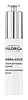
This hydrating serum is formulated around Niacinamide and Ascorbyl Glucoside to hydrate skin and brighten dull-looking skin.
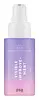
This anti-aging serum is formulated around Niacinamide and Acetyl Glucosamine to soften the look of wrinkles and refine skin texture.


What's inside
What's inside
 Key Ingredients
Benefits
Concerns
Ingredients Side-by-side
Water
Skin ConditioningGlycereth-26
Humectant
Methylpropanediol
SolventNiacinamide
Smoothing











Ascorbyl Glucoside
Antioxidant

PPG-26-Buteth-26
Skin ConditioningPEG-40 Hydrogenated Castor Oil
Emulsifying


Pentylene Glycol
Skin Conditioning
Tocopherol
Antioxidant
Caprylyl Glycol
Emollient
Hydrolyzed Hyaluronic Acid
Humectant
Mannitol
Humectant
Sodium Citrate
BufferingXanthan Gum
EmulsifyingParfum
Masking



Sodium Hydroxide
BufferingSodium Benzoate
Masking
Citric Acid
Buffering
Sodium Phytate
ChelatingAdenosine
Skin Conditioning
Sucrose Palmitate
EmollientGlyceryl Linoleate
Emollient
Prunus Amygdalus Dulcis Oil
Skin Conditioning
Sodium Chloride
MaskingSimmondsia Chinensis Seed Oil
Emollient
Linalool
Perfuming
Haematococcus Pluvialis Extract
Antioxidant
Ergothioneine
Antioxidant
Glucose
Humectant
Sodium Hyaluronate
Humectant
Potassium Chloride
Potassium Sorbate
Preservative
Calcium Chloride
AstringentMagnesium Sulfate
Glutamine
Skin ConditioningSodium Phosphate
BufferingAscorbic Acid
Antioxidant
Sodium Acetate
BufferingLysine Hcl
Skin Conditioning
Arginine Hcl
Skin ConditioningAlanine
Masking
Histidine Hcl
Skin ConditioningValine
MaskingLeucine
Skin ConditioningThreonine
Isoleucine
Skin ConditioningTryptophan
MaskingPhenylalanine
Masking
Tyrosine
MaskingGlycine
Buffering
Polysorbate 80
Emulsifying
Serine
Masking
Cystine
MaskingCyanocobalamin
Skin ConditioningGlutathione
Asparagine
MaskingAspartic Acid
Masking
Ornithine Hcl
Skin ConditioningHelianthus Annuus Seed Oil
Emollient
Glutamic Acid
Humectant
Nicotinamide Adenine Dinucleotide
Skin ConditioningProline
Skin Conditioning
Methionine
Skin ConditioningTaurine
BufferingHydroxyproline
Skin ConditioningGlucosamine Hcl
Coenzyme A
Skin ConditioningSodium Glucuronate
HumectantThiamine Diphosphate
Skin ConditioningRetinyl Acetate
Skin Conditioning
Inositol
Humectant
Niacin
SmoothingPyridoxine Hcl
Skin ConditioningBiotin
AntiseborrhoeicCalcium Pantothenate
Riboflavin
Cosmetic ColorantSodium Tocopheryl Phosphate
Antioxidant
Thiamine Hcl
MaskingFolic Acid
Skin ConditioningWater, Glycereth-26, Methylpropanediol, Niacinamide, Ascorbyl Glucoside, PPG-26-Buteth-26, PEG-40 Hydrogenated Castor Oil, Pentylene Glycol, Tocopherol, Caprylyl Glycol, Hydrolyzed Hyaluronic Acid, Mannitol, Sodium Citrate, Xanthan Gum, Parfum, Sodium Hydroxide, Sodium Benzoate, Citric Acid, Sodium Phytate, Adenosine, Sucrose Palmitate, Glyceryl Linoleate, Prunus Amygdalus Dulcis Oil, Sodium Chloride, Simmondsia Chinensis Seed Oil, Linalool, Haematococcus Pluvialis Extract, Ergothioneine, Glucose, Sodium Hyaluronate, Potassium Chloride, Potassium Sorbate, Calcium Chloride, Magnesium Sulfate, Glutamine, Sodium Phosphate, Ascorbic Acid, Sodium Acetate, Lysine Hcl, Arginine Hcl, Alanine, Histidine Hcl, Valine, Leucine, Threonine, Isoleucine, Tryptophan, Phenylalanine, Tyrosine, Glycine, Polysorbate 80, Serine, Cystine, Cyanocobalamin, Glutathione, Asparagine, Aspartic Acid, Ornithine Hcl, Helianthus Annuus Seed Oil, Glutamic Acid, Nicotinamide Adenine Dinucleotide, Proline, Methionine, Taurine, Hydroxyproline, Glucosamine Hcl, Coenzyme A, Sodium Glucuronate, Thiamine Diphosphate, Retinyl Acetate, Inositol, Niacin, Pyridoxine Hcl, Biotin, Calcium Pantothenate, Riboflavin, Sodium Tocopheryl Phosphate, Thiamine Hcl, Folic Acid
Water
Skin ConditioningNiacinamide
Smoothing
Glycerin
Humectant
Propanediol
Solvent
Ethyl Macadamiate
Skin Conditioning
Isodecyl Neopentanoate
EmollientButylene Glycol
Humectant
Polysorbate 20
Emulsifying
C12-15 Alkyl Benzoate
AntimicrobialAcetyl Glucosamine
Skin Conditioning
Beta-Glucan
Skin Conditioning
Saccharomyces/Xylinum/Black Tea Ferment
Skin Conditioning
Pichia/Resveratrol Ferment Extract
Skin ConditioningBisabolol
Antioxidant
Panthenol
Skin Conditioning
Tocopheryl Acetate
Antioxidant
Allantoin
Skin Conditioning
Ergothioneine
Antioxidant
Laminaria Digitata Extract
Skin Protecting
Chlorella Vulgaris Extract
Skin ConditioningOxidized Glutathione
EmollientUbiquinone
Antioxidant
Tocopherol
Antioxidant
Dimethyl Sulfone
SolventSea Water
HumectantDimethyl Isosorbide
SolventPalmitoyl Tripeptide-1
Skin Conditioning
Palmitoyl Tetrapeptide-7
Skin Conditioning
Palmitoyl Tripeptide-38
Skin Conditioning
Malic Acid
Buffering
Sclerotium Gum
Emulsion StabilisingXanthan Gum
EmulsifyingCarbomer
Emulsion StabilisingSodium Gluconate
ChelatingEthylhexylglycerin
Skin ConditioningHydroxypropyl Cyclodextrin
MaskingSaccharide Isomerate
Humectant
Hydroxyethylcellulose
Emulsion StabilisingPotassium Sorbate
Preservative
Phenoxyethanol
Preservative
Water, Niacinamide, Glycerin, Propanediol, Ethyl Macadamiate, Isodecyl Neopentanoate, Butylene Glycol, Polysorbate 20, C12-15 Alkyl Benzoate, Acetyl Glucosamine, Beta-Glucan, Saccharomyces/Xylinum/Black Tea Ferment, Pichia/Resveratrol Ferment Extract, Bisabolol, Panthenol, Tocopheryl Acetate, Allantoin, Ergothioneine, Laminaria Digitata Extract, Chlorella Vulgaris Extract, Oxidized Glutathione, Ubiquinone, Tocopherol, Dimethyl Sulfone, Sea Water, Dimethyl Isosorbide, Palmitoyl Tripeptide-1, Palmitoyl Tetrapeptide-7, Palmitoyl Tripeptide-38, Malic Acid, Sclerotium Gum, Xanthan Gum, Carbomer, Sodium Gluconate, Ethylhexylglycerin, Hydroxypropyl Cyclodextrin, Saccharide Isomerate, Hydroxyethylcellulose, Potassium Sorbate, Phenoxyethanol
Ingredients Explained
These ingredients are found in both products.
Ingredients higher up in an ingredient list are typically present in a larger amount.
Ergothioneine is an amino acid found naturally in mushrooms, grains, and meat. It has antioxidant and skin soothing properties.
This amino acid helps with:
- Maintaining DNA stability and cell reproduction
- Enhances cellular immunity
- Skin brightening
- Anti-aging
- Skin soothing
Niacinamide is a multitasking form of vitamin B3 that strengthens the skin barrier, reduces pores and dark spots, regulates oil, and improves signs of aging.
And the best part? It's gentle and well-tolerated by most skin types, including sensitive and reactive skin.
You might have heard of "niacin flush", or the reddening of skin that causes itchiness. Niacinamide has not been found to cause this.
In very rare cases, some individuals may not be able to tolerate niacinamide at all or experience an allergic reaction to it.
If you are experiencing flaking, irritation, and dryness with this ingredient, be sure to double check all your products as this ingredient can be found in all categories of skincare.
When incorporating niacinamide into your routine, look out for concentration amounts. Typically, 5% niacinamide provides benefits such as fading dark spots. However, if you have sensitive skin, it is better to begin with a smaller concentration.
When you apply niacinamide to your skin, your body converts it into nicotinamide adenine dinucleotide (NAD). NAD is an essential coenzyme that is already found in your cells as "fuel" and powers countless biological processes.
In your skin, NAD helps repair cell damage, produce new healthy cells, support collagen production, strengthen the skin barrier, and fight environmental stressors (like UV and pollution).
Our natural NAD levels start to decline with age, leading to slower skin repair, visible aging, and a weaker skin barrier. By providing your skin niacinamide, you're recharging your skin's NAD levels. This leads to stronger, healthier, and younger looking skin.
Another name for vitamin B3 is nicotinamide. This vitamin is water-soluble and our bodies don't store it. We obtain Vitamin B3 from either food or skincare. Meat, fish, wheat, yeast, and leafy greens contain vitamin B3.
The type of niacinamide used in skincare is synthetically created.
Learn more about NiacinamidePotassium Sorbate is a preservative used to prevent yeast and mold in products. It is commonly found in both cosmetic and food products.
This ingredient comes from potassium salt derived from sorbic acid. Sorbic acid is a natural antibiotic and effective against fungus.
Both potassium sorbate and sorbic acid can be found in baked goods, cheeses, dried meats, dried fruit, ice cream, pickles, wine, yogurt, and more.
You'll often find this ingredient used with other preservatives.
Learn more about Potassium SorbateTocopherol is a fat-soluble antioxidant known as Vitamin E.
You'll find this ingredient in the vast majority of skincare (for good reason). It works to neutralize free radicals, or unstable molecules generated by UV exposure, pollution, and other environmental stressors, before they can cause oxidative damage to your skin cells.
Topically applied tocopherol has been shown to protect against UV damage by ramping up the skin's own natural defense enzymes.
It also acts as a skin conditioning agent; some studies show that regular topical use can improve the skin's water-binding capacity over 2-4 weeks.
This ingredient is especially loved for being a team player. When combined with Vitamin C, the photoprotective effect of both ingredients roughly doubles and the combo also helps reduce UV-induced DNA damage.
This ingredient has some brightening potential but it's more of a prevention ingredient than spot-fader. Cell studies show it can slow down melanin production but it's worth noting that it's not the most powerful brightener out there.
In formulations, it also serves as a stabilizer that helps protect other oxidation-prone ingredients from degrading.
Concentrations usually range from 0.1-1% in most leave-on products.
Learn more about TocopherolWater. It's the most common cosmetic ingredient of all. You'll usually see it at the top of ingredient lists, meaning that it makes up the largest part of the product.
So why is it so popular? Water most often acts as a solvent - this means that it helps dissolve other ingredients into the formulation.
You'll also recognize water as that liquid we all need to stay alive. If you see this, drink a glass of water. Remember to stay hydrated!
Learn more about WaterXanthan gum is used as a stabilizer and thickener within cosmetic products. It helps give products a sticky, thick feeling - preventing them from being too runny.
On the technical side of things, xanthan gum is a polysaccharide - a combination consisting of multiple sugar molecules bonded together.
Xanthan gum is a pretty common and great ingredient. It is a natural, non-toxic, non-irritating ingredient that is also commonly used in food products.
Learn more about Xanthan Gum

