FarmHouse Fresh Stunning Returns Ultra-Rich Bakuchiol Butter Versus Provence Beauty Deep Bleu Cloud Night Moisturizer
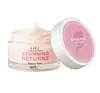
This anti-aging night moisturizer is formulated around Palmitoyl Tripeptide-5 and Acetyl Hexapeptide-8 to soften the look of wrinkles.
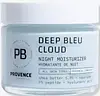
This barrier-repair night moisturizer is formulated around Butyrospermum Parkii Butter and Squalane to strengthen the skin barrier and hydrate skin.

What's inside
What's inside
 Key Ingredients
Benefits
Concerns
Ingredients Side-by-side
Water
Skin ConditioningPalmitoyl Tripeptide-5
Skin Conditioning


Arachidyl Alcohol
Emollient
Propanediol
Solvent

Glycerin
Humectant
Cetyl Alcohol
Emollient


Behenyl Alcohol
Emollient
Arachidyl Glucoside
EmulsifyingSqualane
Emollient
Hydrolyzed Corn Starch Octenylsuccinate
AbsorbentIsostearyl Isostearate
Emollient


Haematococcus Pluvialis Extract
Antioxidant

Oryza Sativa Hull Powder
Abrasive
Butyrospermum Parkii Butter
Skin Conditioning
Acetyl Hexapeptide-8
Humectant
Sodium Hyaluronate
Humectant
Ceramide NP
Skin Conditioning

Ceramide AP
Skin Conditioning
Ceramide EOP
Skin Conditioning
Phytosphingosine
Skin Conditioning
Cholesterol
Emollient
Sodium Lauroyl Lactylate
EmulsifyingC15-19 Alkane
SolventGlyceryl Stearate
Emollient
Bakuchiol
Antimicrobial



Maltooligosyl Glucoside
Skin ConditioningPentaerythrityl Tetraethylhexanoate
Emollient
Hydrogenated Starch Hydrolysate
HumectantPolyacrylate-13
Stearic Acid
Cleansing
Cetearyl Alcohol
Emollient
Beta-Carotene
Skin ConditioningOlea Europaea Fruit Oil
Masking

Pentylene Glycol
Skin Conditioning
Carthamus Tinctorius Seed Oil
Masking
Helianthus Annuus Seed Oil
Emollient
Ocimum Basilicum Flower/Leaf Extract
TonicPolyglyceryl-2 Triisostearate
Emulsifying
Arginine
Masking
Pullulan
Pyrus Malus Peel Extract
Antioxidant
Tocopheryl Acetate
Antioxidant
Acrylates/C10-30 Alkyl Acrylate Crosspolymer
Emulsion StabilisingSodium Benzoate
Masking
Silica
Abrasive
Sodium Hydroxypropylsulfonate Laurylglucoside Crosspolymer
CleansingSodium Lauroyl Glutamate
SurfactantTetrasodium Glutamate Diacetate
ChelatingParfum
Masking

Polyisobutene
Polysorbate 20
Emulsifying
Carbomer
Emulsion StabilisingXanthan Gum
EmulsifyingCyanocobalamin
Skin ConditioningDicalcium Phosphate
Abrasive
Potassium Sorbate
Preservative
Sodium Hydroxide
BufferingPhenoxyethanol
Preservative
Water, Palmitoyl Tripeptide-5, Arachidyl Alcohol, Propanediol, Glycerin, Cetyl Alcohol, Behenyl Alcohol, Arachidyl Glucoside, Squalane, Hydrolyzed Corn Starch Octenylsuccinate, Isostearyl Isostearate, Haematococcus Pluvialis Extract, Oryza Sativa Hull Powder, Butyrospermum Parkii Butter, Acetyl Hexapeptide-8, Sodium Hyaluronate, Ceramide NP, Ceramide AP, Ceramide EOP, Phytosphingosine, Cholesterol, Sodium Lauroyl Lactylate, C15-19 Alkane, Glyceryl Stearate, Bakuchiol, Maltooligosyl Glucoside, Pentaerythrityl Tetraethylhexanoate, Hydrogenated Starch Hydrolysate, Polyacrylate-13, Stearic Acid, Cetearyl Alcohol, Beta-Carotene, Olea Europaea Fruit Oil, Pentylene Glycol, Carthamus Tinctorius Seed Oil, Helianthus Annuus Seed Oil, Ocimum Basilicum Flower/Leaf Extract, Polyglyceryl-2 Triisostearate, Arginine, Pullulan, Pyrus Malus Peel Extract, Tocopheryl Acetate, Acrylates/C10-30 Alkyl Acrylate Crosspolymer, Sodium Benzoate, Silica, Sodium Hydroxypropylsulfonate Laurylglucoside Crosspolymer, Sodium Lauroyl Glutamate, Tetrasodium Glutamate Diacetate, Parfum, Polyisobutene, Polysorbate 20, Carbomer, Xanthan Gum, Cyanocobalamin, Dicalcium Phosphate, Potassium Sorbate, Sodium Hydroxide, Phenoxyethanol
Water
Skin ConditioningButyrospermum Parkii Butter
Skin Conditioning
Glycerin
Humectant
Caprylic/Capric Triglyceride
Masking
Coco-Caprylate
Emollient
Arachidyl Alcohol
Emollient
Propanediol
Solvent
Carthamus Tinctorius Seed Oil
Masking
Pentapeptide-59
Skin Conditioning
Squalane
Emollient
Hyaluronic Acid
Humectant
Morus Alba Leaf Extract
Skin ConditioningPalmitoyl Pine Bark Extract
Skin ConditioningHelichrysum Arenarium Flower Extract
Skin ConditioningPrunus Armeniaca Kernel Oil
Masking
Prunus Domestica Seed Oil
Skin Conditioning
Tanacetum Annuum Flower/Leaf/Stem Oil
Masking
Melia Azadirachta Flower Extract
Skin ConditioningMelia Azadirachta Leaf Extract
Skin ConditioningCorallina Officinalis Extract
Skin Conditioning
Coccinia Indica Fruit Extract
Skin Conditioning
Solanum Melongena Fruit Extract
Skin ConditioningAloe Barbadensis Leaf Extract
Emollient
Ocimum Sanctum Leaf Extract
Skin ConditioningOcimum Basilicum Flower/Leaf Extract
TonicCurcuma Longa Root Extract
Antioxidant
Helianthus Annuus Seed Oil
Emollient
Helianthus Annuus Seed Wax
Skin Conditioning
Behenyl Alcohol
Emollient
Arachidyl Glucoside
EmulsifyingCetyl Alcohol
Emollient
Hydrogenated Lecithin
Emulsifying
Phenethyl Alcohol
MaskingEthylhexylglycerin
Skin ConditioningMaltodextrin
Absorbent
Caprylhydroxamic Acid
Chelating1,2-Hexanediol
Skin Conditioning
Polyacrylate Crosspolymer-6
Emulsion StabilisingSodium Polyacrylate Starch
AbsorbentWater, Butyrospermum Parkii Butter, Glycerin, Caprylic/Capric Triglyceride, Coco-Caprylate, Arachidyl Alcohol, Propanediol, Carthamus Tinctorius Seed Oil, Pentapeptide-59, Squalane, Hyaluronic Acid, Morus Alba Leaf Extract, Palmitoyl Pine Bark Extract, Helichrysum Arenarium Flower Extract, Prunus Armeniaca Kernel Oil, Prunus Domestica Seed Oil, Tanacetum Annuum Flower/Leaf/Stem Oil, Melia Azadirachta Flower Extract, Melia Azadirachta Leaf Extract, Corallina Officinalis Extract, Coccinia Indica Fruit Extract, Solanum Melongena Fruit Extract, Aloe Barbadensis Leaf Extract, Ocimum Sanctum Leaf Extract, Ocimum Basilicum Flower/Leaf Extract, Curcuma Longa Root Extract, Helianthus Annuus Seed Oil, Helianthus Annuus Seed Wax, Behenyl Alcohol, Arachidyl Glucoside, Cetyl Alcohol, Hydrogenated Lecithin, Phenethyl Alcohol, Ethylhexylglycerin, Maltodextrin, Caprylhydroxamic Acid, 1,2-Hexanediol, Polyacrylate Crosspolymer-6, Sodium Polyacrylate Starch
Reviews
Ingredients Explained
These ingredients are found in both products.
Ingredients higher up in an ingredient list are typically present in a larger amount.
Arachidyl Alcohol is a fatty alcohol made from the the arachidic acid found in peanut oil.
Despite having "alcohol" in the name, it is not related to denatured alcohol or ethanol.
This ingredient is a multitasker:
Just be sure to patch this ingredient if you have a peanut allergy (though this ingredient is highly processed and the allergenic proteins are typically removed).
Learn more about Arachidyl AlcoholThis ingredient is a plant-based surfactant and emulsifier. It helps oil and water based ingredients mix evenly to improve formula stability without adding a "greasy" feel.
Behenyl Alcohol is a type of fatty alcohol (these are different from the drying, solvent alcohols).
Fatty Alcohols have hydrating properties and are most often used as an emollient or to thicken a product. They are usually derived from natural fats and oils; behenyl alcohol is derived from the fats of vegetable oils.
Emollients help keep your skin soft and hydrated by creating a film that traps moisture in.
In 2000, Behenyl Alcohol was approved by the US as medicine to reduce the duration of cold sores.
Learn more about Behenyl AlcoholThis ingredient is also known as shea butter. It is a plant-derived extract from the nuts of the Africa shea tree and one of the most well-studied emollients.
Because it has a high concentration of fatty acids (primarily oleic, stearic, and linoleic) it is able to form a protective barrier on the skin's surface. This helps seal in moisture and prevents transepidermal water loss (TEWL).
In vitro research found an increase in skin hydration by 58% and a decrease in TEWL by 37.8% after 24 hours of applying this ingredient (pretty impressive for a single ingredient!).
Besides hydration, shea butter also contains triterpenes that have anti-inflammatory potential. In particule, lupeol cinnamate has shown the highest anti-inflammatory activity in vivo.
Shea butter also contains vitamins A and E which may contribute to antioxidant activity.
While Shea Butter has an SPF rating of about 3-4, it is not a sunscreen replacement.
This ingredient may not be fungal acne safe because its fatty acids fall within the C11-C24 range that the Malassezia yeast can metabolize.
This ingredient shows up on a lot of "pore-clogging" lists but there's no real evidence behind that. It doesn't even have a comedogenic rating from an actual study; the numbers you'll find online come from blogs citing other blogs.
Ratings for other ingredients mostly come from a 1980s rabbit ear test. This test doesn't translate well to human skin or to real products because the ingredient sits at a much lower percentage.
Some people still find it breaks them out. So if that's you, definitely trust your skin. Just know this one's based on experience and not evidence.
Learn more about Butyrospermum Parkii ButterCarthamus Tinctorius Seed Oil comes from the seeds of the safflower plant. It is a skin conditioning agent that helps soften skin and keep it hydrated.
This seed oil has an unusual fatty acid profile: it is one of the highest linoleic acid plant oils out there (~55-77%). It also has low amounts of oleic acid, and this high-linoleic/low-oleic ratio gets people excited.
Linoleic acid helps maintain skin barrier integrity and is a building block for the ceramides in your stratum corneum. Notably, people with acne tend to have lower linoleic acid in their skin lipids as well (and this gets worse as acne gets more severe).
Overall, it's a lightweight, fast-absorbing oil that has a long safety track record. Lab testing has found it to be non-irritating for skin or eyes.
The Malassezia yeast can metabolize the fatty acids in this oil to grow; therefore this ingredient may not be fungal acne safe.
Learn more about Carthamus Tinctorius Seed OilCetyl Alcohol is a fatty alcohol. Fatty Alcohols are most often used as an emollient or to thicken a product.
Its main roles are:
Though it has "alcohol" in the name, it is not related to denatured alcohol or ethyl alcohol.
The FDA allows products labeled "alcohol-free" to have fatty alcohols.
This ingredient may not be fungal acne safe. It is a primary fatty alcohol with a chain length above 12 carbons. A study from 2019 show Malassezia can feed on fatty alcohols in this range, so it may trigger fungal acne in those prone to it.
Learn more about Cetyl AlcoholGlycerin (or glycerol) is a compound naturally found in your skin. It's a powerhouse humectant that pulls water into the stratum corneum.
Topically, glycerin does several things at once:
Your skin makes glycerin on its own (mostly from sebaceous oil breakdown) and shuttles it to your outermost layer of skin, or your epidermis, via aquaporin-3.
Aquaporin-3 is a transporter that is essential for normal skin hydration, elasticity, and repair. Interestingly, mice lacking in AQP3 have dry and less elastic skin that can be fully corrected with glycerin.
This ingredient is non-irritating, plays well with almost every ingredient, and works across all skin types. Typical use is anywhere between 3-10% but can go up to 79% in some leave-on products.
Just know very high concentrations (>40%) can feel tacky in low humidity.
Glycerin is the name for this ingredient in American English. British English uses Glycerol/Glycerine.
Learn more about GlycerinHelianthus Annuus Seed Oil is a plant oil derived from the seeds of a sunflower.
It is rich in fatty acids, primarily linoleic acid and oleic acid. This gives it emollient and skin conditioning properties.
The reason this ingredient is so effective is because it forms a thin film on the skin that reduces transepidermal water loss (TEWL) while supplying linoleic acid to the stratum corneum to improve barrier strength.
The high linoleic acid content is particularly noteworthy for acne-prone skin.
Research suggests that acne-prone skin tends to be deficient in linoleic acid in sebum. Topical application may help replenish this to support a healthier follicular environment and less comedone-promoting sebum.
One randomized study found sunflower seed oil preserved skin barrier integrity in adult volunteers with and without atopic dermatitis (outperforming olive oil).
This ingredient is well-studied, gentle, and an effective emollient suitable for most skin types.
On fungal acne: This ingredient may not be Fungal acne (Malassezia folliculitis) safe. This is because it contains fatty acids with carbon chain lengths in the C11-C24 range.
Learn more about Helianthus Annuus Seed OilWe don't have a description for Ocimum Basilicum Flower/Leaf Extract yet.
Propanediol is an all-star ingredient. It softens, hydrates, and smooths the skin.
It’s often used to:
Propanediol is not likely to cause sensitivity and considered safe to use. It is derived from corn or petroleum with a clear color and no scent.
Learn more about PropanediolSqualane is the hydrogenated and shelf-stable form of squalene (a lipid that naturally occurs in human sebum).
It is an emollient and skin conditioning agent that is able to integrate seamlessly into the skin's lipid barrier without clogging pores.
This is due to how structurally similar it is to what your skin already produces.
Though it is mostly an emollient that helps soften and hydrate skin, it also has some humectant and occlusive action. Humectants help the skin retain moisture while occlusives seal it in, making squalane a triple-threat moisturizer.
Research shows it has antioxidant capabilities that help protect against stressors like UV exposure, specifically UVA induced oxidative stress. This study also found that it supports collagen biosynthesis in human dermal fibroblasts.
No clinical study has reported significant adverse effects and irritation reactions are very rare from this ingredient (even at 100% concentration).
Overall, it's a fantastic ingredient for hydration and is suitable for all skin types.
This depends on the source. Squalane can be derived from both plants and animals. Most squalane used in skincare comes from plants.
Please note: the source of squalane is only known if disclosed by the brand. We recommend reaching out to the brand if you have any questions about their squalane.
Read more about squalene with an "e".
Though squalane is often called an oil, it’s technically not one. It is a hydrocarbon, meaning it is only made of carbon and hydrogen. True oils are triglycerides and made of fatty acids and glycerol.
The term “oil-free” isn’t regulated so companies can define it however they want. Some exclude all oils, while others just avoid mineral oil or comedogenic oils.
Squalane has a comedogenic rating of 1 from the original 1972 study that tested raw ingredients under occlusion on rabbit ears. This system is not standardized or peer-reviewed, and using the raw ingredients is very different from how diluted cosmetic formulations are used on human skin.
A comedogenic rating of 1 means it is "unlikely to clog pores" according to the original rating system.
The overall formula of a product matters more than the individual ingredients on whether or not it will cause clogged pores.
Learn more about SqualaneWater. It's the most common cosmetic ingredient of all. You'll usually see it at the top of ingredient lists, meaning that it makes up the largest part of the product.
So why is it so popular? Water most often acts as a solvent - this means that it helps dissolve other ingredients into the formulation.
You'll also recognize water as that liquid we all need to stay alive. If you see this, drink a glass of water. Remember to stay hydrated!
Learn more about Water

