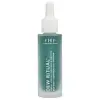
This hydrating oil is formulated around Simmondsia Chinensis Seed Oil and Tetrahexyldecyl Ascorbate to hydrate skin and calm redness.
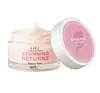
This anti-aging night moisturizer is formulated around Palmitoyl Tripeptide-5 and Acetyl Hexapeptide-8 to soften the look of wrinkles.

What's inside
What's inside
 Key Ingredients
Benefits
Concerns
Ingredients Side-by-side
Simmondsia Chinensis Seed Oil
Emollient





Borago Officinalis Seed Oil
Emollient



Sclerocarya Birrea Seed Oil
Humectant
Carthamus Tinctorius Seed Oil
Masking
Tetrahexyldecyl Ascorbate
Antioxidant




Tanacetum Annuum Flower Oil
Masking
Tocopheryl Acetate
Antioxidant
Bakuchiol
Antimicrobial



Bisabolol
Antioxidant
Anthemis Nobilis Flower Oil
Masking


Geranium Maculatum Oil
Masking
Lavandula Angustifolia Oil
Masking
Limonene
Perfuming
Rose Flower Oil
Masking
Ethylhexylglycerin
Skin ConditioningPhenoxyethanol
Preservative
Brassica Oleracea Acephala Leaf Extract
HumectantSimmondsia Chinensis Seed Oil, Borago Officinalis Seed Oil, Sclerocarya Birrea Seed Oil, Carthamus Tinctorius Seed Oil, Tetrahexyldecyl Ascorbate, Tanacetum Annuum Flower Oil, Tocopheryl Acetate, Bakuchiol, Bisabolol, Anthemis Nobilis Flower Oil, Geranium Maculatum Oil, Lavandula Angustifolia Oil, Limonene, Rose Flower Oil, Ethylhexylglycerin, Phenoxyethanol, Brassica Oleracea Acephala Leaf Extract
Water
Skin ConditioningPalmitoyl Tripeptide-5
Skin Conditioning
Arachidyl Alcohol
Emollient
Propanediol
Solvent
Glycerin
Humectant
Cetyl Alcohol
Emollient
Behenyl Alcohol
Emollient
Arachidyl Glucoside
EmulsifyingSqualane
Emollient
Hydrolyzed Corn Starch Octenylsuccinate
AbsorbentIsostearyl Isostearate
Emollient
Haematococcus Pluvialis Extract
Antioxidant
Oryza Sativa Hull Powder
Abrasive
Butyrospermum Parkii Butter
Skin Conditioning
Acetyl Hexapeptide-8
Humectant
Sodium Hyaluronate
Humectant
Ceramide NP
Skin Conditioning
Ceramide AP
Skin Conditioning
Ceramide EOP
Skin Conditioning
Phytosphingosine
Skin Conditioning
Cholesterol
Emollient
Sodium Lauroyl Lactylate
EmulsifyingC15-19 Alkane
SolventGlyceryl Stearate
Emollient
Bakuchiol
Antimicrobial
Maltooligosyl Glucoside
Skin ConditioningPentaerythrityl Tetraethylhexanoate
Emollient
Hydrogenated Starch Hydrolysate
HumectantPolyacrylate-13
Stearic Acid
Cleansing
Cetearyl Alcohol
Emollient
Beta-Carotene
Skin ConditioningOlea Europaea Fruit Oil
Masking
Pentylene Glycol
Skin Conditioning
Carthamus Tinctorius Seed Oil
Masking
Helianthus Annuus Seed Oil
Emollient
Ocimum Basilicum Flower/Leaf Extract
TonicPolyglyceryl-2 Triisostearate
Emulsifying
Arginine
Masking
Pullulan
Pyrus Malus Peel Extract
Antioxidant
Tocopheryl Acetate
Antioxidant
Acrylates/C10-30 Alkyl Acrylate Crosspolymer
Emulsion StabilisingSodium Benzoate
Masking
Silica
Abrasive
Sodium Hydroxypropylsulfonate Laurylglucoside Crosspolymer
CleansingSodium Lauroyl Glutamate
SurfactantTetrasodium Glutamate Diacetate
Parfum
Masking
Polyisobutene
Polysorbate 20
Emulsifying
Carbomer
Emulsion StabilisingXanthan Gum
EmulsifyingCyanocobalamin
Skin ConditioningDicalcium Phosphate
Abrasive
Potassium Sorbate
Preservative
Sodium Hydroxide
BufferingPhenoxyethanol
Preservative
Water, Palmitoyl Tripeptide-5, Arachidyl Alcohol, Propanediol, Glycerin, Cetyl Alcohol, Behenyl Alcohol, Arachidyl Glucoside, Squalane, Hydrolyzed Corn Starch Octenylsuccinate, Isostearyl Isostearate, Haematococcus Pluvialis Extract, Oryza Sativa Hull Powder, Butyrospermum Parkii Butter, Acetyl Hexapeptide-8, Sodium Hyaluronate, Ceramide NP, Ceramide AP, Ceramide EOP, Phytosphingosine, Cholesterol, Sodium Lauroyl Lactylate, C15-19 Alkane, Glyceryl Stearate, Bakuchiol, Maltooligosyl Glucoside, Pentaerythrityl Tetraethylhexanoate, Hydrogenated Starch Hydrolysate, Polyacrylate-13, Stearic Acid, Cetearyl Alcohol, Beta-Carotene, Olea Europaea Fruit Oil, Pentylene Glycol, Carthamus Tinctorius Seed Oil, Helianthus Annuus Seed Oil, Ocimum Basilicum Flower/Leaf Extract, Polyglyceryl-2 Triisostearate, Arginine, Pullulan, Pyrus Malus Peel Extract, Tocopheryl Acetate, Acrylates/C10-30 Alkyl Acrylate Crosspolymer, Sodium Benzoate, Silica, Sodium Hydroxypropylsulfonate Laurylglucoside Crosspolymer, Sodium Lauroyl Glutamate, Tetrasodium Glutamate Diacetate, Parfum, Polyisobutene, Polysorbate 20, Carbomer, Xanthan Gum, Cyanocobalamin, Dicalcium Phosphate, Potassium Sorbate, Sodium Hydroxide, Phenoxyethanol
Ingredients Explained
These ingredients are found in both products.
Ingredients higher up in an ingredient list are typically present in a larger amount.
Bakuchiol is a plant-derived antioxidant from the seeds of the Psoralea corylifolia plant. It has antimicrobial, emollient, skin conditioning, and antioxidant properties.
You'll likely see it called a "retinol replacement" but the two are technically not related. This is because bakuchiol is able to flip many of the same switches in your skin cells to tell them to:
1) produce more collagen (type I, III, and IV)
2) activate the same genes retinoids do
Unlike retinoids, this ingredient will not increase photosensitivity and is safe to use during pregnancy (but please still check in with your doctor!).
The flagship clinical trial from Dhaliwal et al. 2019 found 0.5% bakuchiol (twice daily) and 0.5% retinol (once daily) reduced wrinkles and hyperpigmentation equally, but bakuchiol had significantly less irritation.
Systematic reviews also back this up:
Bakuchiol is comparable to retinol for photoaging but with better tolerability. It also has mild antibacterial properties against Cutibacterium acnes and antifungal activity in vitro against Candida and dermatophytes.
The reason bakuchiol works well is due to its structure; it is a meroterpene phenol, or a hybrid molecule. The phenol half acts as an antioxidant while the terpene half is fat-loving. This helps the molecule slip through the skin barrier.
This ingredient is usually used between 0.5-2%. Only one case of contact dermatitis has ever been reported for this ingredient.
Learn more about BakuchiolCarthamus Tinctorius Seed Oil comes from the seeds of the safflower plant. It is a skin conditioning agent that helps soften skin and keep it hydrated.
This seed oil has an unusual fatty acid profile: it is one of the highest linoleic acid plant oils out there (~55-77%). It also has low amounts of oleic acid, and this high-linoleic/low-oleic ratio gets people excited.
Linoleic acid helps maintain skin barrier integrity and is a building block for the ceramides in your stratum corneum. Notably, people with acne tend to have lower linoleic acid in their skin lipids as well (and this gets worse as acne gets more severe).
Overall, it's a lightweight, fast-absorbing oil that has a long safety track record. Lab testing has found it to be non-irritating for skin or eyes.
The Malassezia yeast can metabolize the fatty acids in this oil to grow; therefore this ingredient may not be fungal acne safe.
Learn more about Carthamus Tinctorius Seed OilPhenoxyethanol is one of the most widely used preservatives in skincare (and for good reason!).
It has a large spectrum of antimicrobial activity and especially effective bacteria, yeast, and mold while only having a weak effect on your skin's natural microbiome.
On a cellular level, it disrupts the cell membranes of microbes by poking holes that make the cell leak. This shuts down the chemical reactions the microbe needs to make energy so it can no longer survive.
Another perk of this ingredient is that it stays functional across a wide pH range (3-10).
You'll often see it paired with boosters like Ethylhexylglycerin; one study showed that a 1:9 ratio of Ethylhexylglycerin to Phenoxyethanol damages bacterial membranes as effectively as doubling the Phenoxyethanol concentration on its own.
Typical use concentrations range from 0.3-1% depending on the formula, and this ingredient is capped at 1% int the EU.
Safety-wise, the fear mongering does not hold up to the evidence. The EU's Scientific Committee on Consumer Safety and FDA consider it safe as a preservative at up to 1%, including for children of all ages.
Adverse systemic effects only showed up in animal studies at exposures roughly 200x higher than what people get from cosmetics. And despite its very widespread use, this ingredient is a rare sensitizer and allergic reactions are uncommon.
Learn more about PhenoxyethanolTocopheryl Acetate is a stable, shelf-friendly form of vitamin E.
Formulators love it because plain vitamin E oxidizes quickly once it hits air. This acetate version stays stable and resists going off, helping to extend a product's shelf life.
It's actually inactive on its own and works like a slow-release "storage" form; the enzymes in your skin called esterases gradually convert it into active vitamin E over time.
One in vivo study showed 5% of the acetate in the living layer of the epidermis converted to vitamin E after 5 days of application. This study also found the skin gained protection against UV damage even though the conversion was slow and small.
Once converted, vitamin E acts as a skin's main fat-soluble antioxidant that fights free radicals to protect skin from damage.
Topical vitamin E generally boosts the skin's photoprotection, and it reduced UV-damage in animal models.
This ingredient has some brightening potential but it's more of a prevention ingredient than spot-fader. Cell studies show it can slow down melanin production but it's worth noting that it's not the most powerful brightener out there.
Overall, it has a pretty solid safety profile and has been found to be non-irritating and non-comedogenic. Allergic reactions may happen but stay rare due to how widely the ingredient gets used.
The concentration will vary depending on the formula; industry data shows 0.1% in baby lotions, 3% in lipsticks, and 5% in foot powders. You can also find this ingredient at 100% in a pure vitamin E oil.
Most leave-on skincare keeps it at the lower end, often between 0.5-1%.
Learn more about Tocopheryl Acetate

