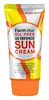
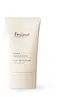
Farm Stay Oil Free UV Defence Sun Cream SPF 50+ PA+++ Versus Fraijour Heartleaf Water Fit Sun Screen SPF 50+
This hybrid sunscreen covers the full UV range and blocks ~98% of UVB at SPF 50.
This chemical sunscreen covers the full UV range and blocks ~98% of UVB at SPF 50.

What's inside
What's inside
 Key Ingredients
Benefits
Concerns
Ingredients Side-by-side
Water
Skin ConditioningEthylhexyl Methoxycinnamate
UV Absorber


Titanium Dioxide
Cosmetic Colorant
Butylene Glycol
Humectant

4-Methylbenzylidene Camphor
UV Absorber
Dicaprylyl Carbonate
EmollientBeeswax
Emulsion Stabilising




Cetearyl Alcohol
Emollient

Polyglyceryl-3 Methylglucose Distearate
Emulsifying
Stearyl Alcohol
Emollient
Caprylic/Capric Triglyceride
Masking
Glyceryl Stearate
Emollient
Dimethicone
Emollient

Tocopheryl Acetate
Antioxidant


Hydrolyzed Collagen
Emollient
Xanthan Gum
EmulsifyingAloe Barbadensis Leaf Extract
Emollient

Morus Alba Bark Extract
Skin ConditioningDisodium EDTA
Hydroxyethylcellulose
Emulsion StabilisingDipotassium Glycyrrhizate
Humectant
Allantoin
Skin Conditioning
Betaine
Humectant
Resveratrol
Antioxidant
Allium Grayi Callus Culture Extract
Skin ProtectingActinidia Deliciosa Fruit Extract
Skin ConditioningOlivine Extract
Skin ConditioningHydrolyzed Grape Fruit Extract
HumectantPyrus Malus Fruit Extract
Skin Conditioning
Stomach Extract
HumectantCitrus Aurantium Dulcis Fruit Extract
Masking1,2-Hexanediol
Skin Conditioning
Water, Ethylhexyl Methoxycinnamate, Titanium Dioxide, Butylene Glycol, 4-Methylbenzylidene Camphor, Dicaprylyl Carbonate, Beeswax, Cetearyl Alcohol, Polyglyceryl-3 Methylglucose Distearate, Stearyl Alcohol, Caprylic/Capric Triglyceride, Glyceryl Stearate, Dimethicone, Tocopheryl Acetate, Hydrolyzed Collagen, Xanthan Gum, Aloe Barbadensis Leaf Extract, Morus Alba Bark Extract, Disodium EDTA, Hydroxyethylcellulose, Dipotassium Glycyrrhizate, Allantoin, Betaine, Resveratrol, Allium Grayi Callus Culture Extract, Actinidia Deliciosa Fruit Extract, Olivine Extract, Hydrolyzed Grape Fruit Extract, Pyrus Malus Fruit Extract, Stomach Extract, Citrus Aurantium Dulcis Fruit Extract, 1,2-Hexanediol
Water
Skin ConditioningPropanediol
Solvent
Butyloctyl Salicylate
Skin Conditioning
Ethylhexyl Salicylate
UV Absorber
Ethylhexyl Triazone
UV Absorber
Diethylamino Hydroxybenzoyl Hexyl Benzoate
UV Filter
Silica
Abrasive


Bis-Ethylhexyloxyphenol Methoxyphenyl Triazine
UV Absorber
Dibutyl Adipate
EmollientMethylene Bis-Benzotriazolyl Tetramethylbutylphenol
UV Filter
Neopentyl Glycol Diheptanoate
EmollientNiacinamide
Smoothing



Butylene Glycol
Humectant
Dicaprylyl Carbonate
EmollientCaprylyl Glycol
Emollient
Cetyl Dimethicone
Emollient
Polyglyceryl-3 Methylglucose Distearate
Emulsifying
Sorbitan Stearate
Emulsifying
Panthenol
Skin Conditioning
Decyl Glucoside
Cleansing
Polyurethane-15
Ethylhexylglycerin
Skin ConditioningAcrylates/C10-30 Alkyl Acrylate Crosspolymer
Emulsion StabilisingPortulaca Oleracea Extract
Skin Conditioning
Polyacrylate Crosspolymer-6
Emulsion StabilisingPentaerythrityl Tetra-Di-T-Butyl Hydroxyhydrocinnamate
Antioxidant
Tromethamine
Buffering1,2-Hexanediol
Skin Conditioning
Xanthan Gum
EmulsifyingAllantoin
Skin Conditioning
Lavandula Angustifolia Oil
Masking



Adenosine
Skin Conditioning
Glycerin
Humectant
Disodium EDTA
Houttuynia Cordata Extract
Skin Conditioning
Rosmarinus Officinalis Leaf Oil
Masking
Artemisia Princeps Leaf Extract
Skin ConditioningCedrus Atlantica Bark Oil
Masking
Sodium Hyaluronate
Humectant
Hydrolyzed Hyaluronic Acid
Humectant
Hyaluronic Acid
Humectant
Chamomilla Recutita Flower Extract
Masking
Aloe Barbadensis Leaf Extract
Emollient
Hedera Helix Extract
AntimicrobialCentella Asiatica Extract
Cleansing
Fragaria Vesca Leaf Extract
AstringentMelaleuca Alternifolia Leaf Extract
Perfuming
Chamaecyparis Obtusa Leaf Extract
Skin ConditioningTocopherol
Antioxidant
Pinus Palustris Leaf Extract
TonicCitrus Unshiu Peel Extract
MaskingHydroxypropyltrimonium Hyaluronate
Cyperus Rotundus Root Extract
Skin ConditioningSodium Acetylated Hyaluronate
Humectant
Sodium Hyaluronate Crosspolymer
Humectant
Potassium Hyaluronate
Skin ConditioningGuaiazulene
Antimicrobial
Linalool
Perfuming
Limonene
Perfuming
Water, Propanediol, Butyloctyl Salicylate, Ethylhexyl Salicylate, Ethylhexyl Triazone, Diethylamino Hydroxybenzoyl Hexyl Benzoate, Silica, Bis-Ethylhexyloxyphenol Methoxyphenyl Triazine, Dibutyl Adipate, Methylene Bis-Benzotriazolyl Tetramethylbutylphenol, Neopentyl Glycol Diheptanoate, Niacinamide, Butylene Glycol, Dicaprylyl Carbonate, Caprylyl Glycol, Cetyl Dimethicone, Polyglyceryl-3 Methylglucose Distearate, Sorbitan Stearate, Panthenol, Decyl Glucoside, Polyurethane-15, Ethylhexylglycerin, Acrylates/C10-30 Alkyl Acrylate Crosspolymer, Portulaca Oleracea Extract, Polyacrylate Crosspolymer-6, Pentaerythrityl Tetra-Di-T-Butyl Hydroxyhydrocinnamate, Tromethamine, 1,2-Hexanediol, Xanthan Gum, Allantoin, Lavandula Angustifolia Oil, Adenosine, Glycerin, Disodium EDTA, Houttuynia Cordata Extract, Rosmarinus Officinalis Leaf Oil, Artemisia Princeps Leaf Extract, Cedrus Atlantica Bark Oil, Sodium Hyaluronate, Hydrolyzed Hyaluronic Acid, Hyaluronic Acid, Chamomilla Recutita Flower Extract, Aloe Barbadensis Leaf Extract, Hedera Helix Extract, Centella Asiatica Extract, Fragaria Vesca Leaf Extract, Melaleuca Alternifolia Leaf Extract, Chamaecyparis Obtusa Leaf Extract, Tocopherol, Pinus Palustris Leaf Extract, Citrus Unshiu Peel Extract, Hydroxypropyltrimonium Hyaluronate, Cyperus Rotundus Root Extract, Sodium Acetylated Hyaluronate, Sodium Hyaluronate Crosspolymer, Potassium Hyaluronate, Guaiazulene, Linalool, Limonene
Ingredients Explained
These ingredients are found in both products.
Ingredients higher up in an ingredient list are typically present in a larger amount.
1,2-Hexanediol is a synthetic liquid and another multi-functional powerhouse.
It is a:
- Humectant, drawing moisture into the skin
- Emollient, helping to soften skin
- Solvent, dispersing and stabilizing formulas
- Preservative booster, enhancing the antimicrobial activity of other preservatives
Allantoin is a soothing ingredient known for its protective and moisturizing properties; it's basically a quiet workhorse ingredient you can find in a huge range of cosmetics.
Though it can be derived from the comfrey plant, allantoin is produced synthetically for cosmetic products to ensure purity.
Research shows it can encourage your skin cells to turn over and renew by stimulating keratinocyte and fibroblast proliferation.
It also has mild keratolytic properties to help loosen and shed dead skin cells without being harsh.
Studies also suggest allantoin can help calm inflammation by dialing down some of the chemical signals your skin sends out when it is irritated.
This ingredient is typically used in the 0.1-0.5% range, and the FDA recognizes it as a skin protectant in OTC products up to 2%.
Overall, allantoin is a wonderful addition to most routines; it is stable across a wide pH range (~4-8), works well with other ingredients, and is considered non-sensitizing/non-irritating.
Fun fact: Allantoin is naturally occurring in comfrey root, beets, chamomile, and wheat sprouts. Our bodies even produce it as a byproduct of uric acid metabolism.
Learn more about AllantoinAloe Barbadensis Leaf Extract is a botanical extract pulled from the leaves of aloe vera and one of the most studied plant ingredients in cosmetics.
The inner leaf gel it comes from is mostly water (~99-99.5%) and the remaining fraction is made up of pretty good stuff: polysaccharides, vitamins, phenolics, and enzymes.
Its headline job is hydration.
The star polysaccharide in aloe, acemannan, is a humectant that retains moisture and helps reduce trans-epidermal water loss.
Aloe also has real soothing credentials; it contains anti-inflammatory compounds like bradykinase and C-glucosyl chromone that help calm irritation and redness.
On the repair side, lab work shows that acemannan wakes up your skin's repair cells (fibroblasts), prompting them to multiply and speed up healing.
There's some human data for cosmetic benefit too: a cream containing 10% Aloe Barbadensis leaf extract improved skin hydration and elasticity in a real-use study.
Safety-wise, this ingredient is well-regarded with just one rare downside; there have been some case reports of acute eczema, contact urticaria, and dermatitis in people who applied aloe-derived ingredients topically. Those with a known aloe or Liliaceae sensitivity should patch test.
Typical use levels range widely, from under 1% up to 90%+ depending on the format and the effect you are after.
Learn more about Aloe Barbadensis Leaf ExtractButylene Glycol (or BG) is used within cosmetic products for a few different reasons:
Overall, Butylene Glycol is a safe and well-rounded ingredient that works well with other ingredients.
Though this ingredient works well with most skin types, some people with sensitive skin may experience a reaction such as allergic rashes, closed comedones, or itchiness.
Learn more about Butylene GlycolDicaprylyl Carbonate comes from carbonic acid and caprylyl alcohol, a fatty alcohol. It is an emollient and gives skin a velvet feel. The sources of Dicaprylyl Carbonate may be synthetic or from animals.
As an emollient, Dicaprylyl Carbonate creates a film on the skin. This film traps moisture in, keeping your skin soft and hydrated.
Disodium EDTA is a chelating agent. It grabs onto and deactivates metal ions that sneak into your products from water, packaging, or air.
This ingredient mainly works behind the scenes and helps with:
On top of that, this ingredient can counteract the effects of hard water by binding to the minerals in it.
One thing worth knowing is that Disodium EDTA has been shown to be a mild penetration enhancer. It can help other ingredients absorb into skin more effectively which can be a double-edged sword (great for actives, but can also make the active too strong if you have sensitive skin).
Clinical patch testing showed no significant skin irritation at typical use concentrations and minimal dermal absorption.
You'll most likely see this ingredient near the end of an ingredient list. It's typically found in concentrations less than 1%.
Learn more about Disodium EDTAPolyglyceryl-3 Methylglucose Distearate is a plant-derived emulsifier whose only job is to keep the oily and watery parts of a formula blended so it doesn't separate into layers.
It's compatible with a wide-range of active ingredients and especially good at making emulsions survive heat/freeze cycles.
Typical use concentrations range from 2-3% and it works across a pH of 4.5-8.5.
This ingredient has been found safe to use in cosmetics and has a low irritation profile.
Because it's build on stearic acid, it may not be fungal acne safe. Stearic acid is a C18 fatty acid that falls within the range (C11-24) that Malassezia can feed on.
Learn more about Polyglyceryl-3 Methylglucose DistearateWater. It's the most common cosmetic ingredient of all. You'll usually see it at the top of ingredient lists, meaning that it makes up the largest part of the product.
So why is it so popular? Water most often acts as a solvent - this means that it helps dissolve other ingredients into the formulation.
You'll also recognize water as that liquid we all need to stay alive. If you see this, drink a glass of water. Remember to stay hydrated!
Learn more about WaterXanthan gum is used as a stabilizer and thickener within cosmetic products. It helps give products a sticky, thick feeling - preventing them from being too runny.
On the technical side of things, xanthan gum is a polysaccharide - a combination consisting of multiple sugar molecules bonded together.
Xanthan gum is a pretty common and great ingredient. It is a natural, non-toxic, non-irritating ingredient that is also commonly used in food products.
Learn more about Xanthan Gum

