Facetory Moon Velvet Sleeping Mask With Shea Butter And Azulene Versus Torriden Dive In Soothing Cream
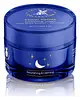
This hydrating overnight mask is formulated around Butyrospermum Parkii Butter and Niacinamide to hydrate skin and calm redness.
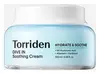
This calming moisturizer is formulated around Panthenol and Sodium Hyaluronate to calm redness and hydrate skin.

What's inside
What's inside
 Key Ingredients
Benefits
Concerns
Ingredients Side-by-side
Water
Skin ConditioningButylene Glycol
Humectant

Caprylic/Capric Triglyceride
Masking
Glycerin
Humectant
Cetyl Ethylhexanoate
EmollientButyrospermum Parkii Butter
Skin Conditioning




Dimethicone
Emollient
Niacinamide
Smoothing









Cetyl Alcohol
Emollient
Glyceryl Stearate
Emollient
Polyglyceryl-6 Distearate
Emulsifying
Polysorbate 60
Emulsifying
1,2-Hexanediol
Skin Conditioning
Cetearyl Alcohol
Emollient
Cyclopentasiloxane
Emollient
Sodium Phytate
ChelatingPEG-100 Stearate
Surfactant
Stearyl Alcohol
Emollient
Jojoba Esters
Emollient
Cyclohexasiloxane
Emollient
Panthenol
Skin Conditioning
Carbomer
Emulsion StabilisingArginine
Masking
Palmitic Acid
Emollient
Polyglyceryl-3 Beeswax
Emulsifying
Stearic Acid
Cleansing
Myristyl Alcohol
Emollient
Allantoin
Skin Conditioning
Lavandula Angustifolia Oil
Masking




Camellia Sinensis Leaf Water
Masking
Schisandra Chinensis Fruit Extract
Skin Conditioning
Coptis Japonica Root Extract
Skin ConditioningGlycyrrhiza Glabra Root Extract
Bleaching
Zingiber Officinale Root Extract
Masking
Camellia Sinensis Leaf Extract
Antimicrobial
Ethylhexylglycerin
Skin ConditioningDipotassium Glycyrrhizate
Humectant
Malachite Extract
Antioxidant
Xanthan Gum
EmulsifyingAdenosine
Skin Conditioning
Lauryl Alcohol
Emollient
Caprylyl Glycol
Emollient
Mentha Piperita Leaf Extract
Skin ConditioningMelaleuca Alternifolia Leaf Extract
Perfuming
Anthemis Nobilis Flower Extract
Masking
Rosmarinus Officinalis Leaf Extract
AntimicrobialLavandula Angustifolia Flower Extract
Cleansing
Aloe Barbadensis Leaf Extract
Emollient
Azulene
Skin Conditioning
Centella Asiatica Extract
Cleansing
Hydrolyzed Collagen
Emollient
Lactobacillus Ferment
Skin Conditioning
Phenoxyethanol
Preservative
Glutathione
Oligopeptide-32
Antiseborrhoeic
Oligopeptide-29
Antioxidant
Palmitoyl Pentapeptide-4
Skin Conditioning
Water, Butylene Glycol, Caprylic/Capric Triglyceride, Glycerin, Cetyl Ethylhexanoate, Butyrospermum Parkii Butter, Dimethicone, Niacinamide, Cetyl Alcohol, Glyceryl Stearate, Polyglyceryl-6 Distearate, Polysorbate 60, 1,2-Hexanediol, Cetearyl Alcohol, Cyclopentasiloxane, Sodium Phytate, PEG-100 Stearate, Stearyl Alcohol, Jojoba Esters, Cyclohexasiloxane, Panthenol, Carbomer, Arginine, Palmitic Acid, Polyglyceryl-3 Beeswax, Stearic Acid, Myristyl Alcohol, Allantoin, Lavandula Angustifolia Oil, Camellia Sinensis Leaf Water, Schisandra Chinensis Fruit Extract, Coptis Japonica Root Extract, Glycyrrhiza Glabra Root Extract, Zingiber Officinale Root Extract, Camellia Sinensis Leaf Extract, Ethylhexylglycerin, Dipotassium Glycyrrhizate, Malachite Extract, Xanthan Gum, Adenosine, Lauryl Alcohol, Caprylyl Glycol, Mentha Piperita Leaf Extract, Melaleuca Alternifolia Leaf Extract, Anthemis Nobilis Flower Extract, Rosmarinus Officinalis Leaf Extract, Lavandula Angustifolia Flower Extract, Aloe Barbadensis Leaf Extract, Azulene, Centella Asiatica Extract, Hydrolyzed Collagen, Lactobacillus Ferment, Phenoxyethanol, Glutathione, Oligopeptide-32, Oligopeptide-29, Palmitoyl Pentapeptide-4
Water
Skin ConditioningButylene Glycol
Humectant
Glycerin
Humectant
1,2-Hexanediol
Skin Conditioning
Hydrogenated Didecene
Skin ConditioningCaprylic/Capric Triglyceride
Masking
Panthenol
Skin Conditioning
Sodium Hyaluronate
Humectant
Sodium Hyaluronate Crosspolymer
Humectant
Hydrolyzed Sodium Hyaluronate
Skin Conditioning
Sodium Acetylated Hyaluronate
Humectant
Hydrolyzed Hyaluronic Acid
Humectant
Allantoin
Skin Conditioning
Ectoin
Skin Conditioning
Glycyrrhiza Glabra Root Extract
Bleaching
Trehalose
Humectant
Hamamelis Virginiana Extract
Antiseborrhoeic
Glyceryl Acrylate/Acrylic Acid Copolymer
HumectantPvm/Ma Copolymer
Emulsion StabilisingHydroxyethyl Acrylate/Sodium Acryloyldimethyl Taurate Copolymer
Emulsion Stabilising2,3-Butanediol
HumectantCetearyl Alcohol
Emollient
C14-22 Alcohols
Emulsion Stabilising
C12-20 Alkyl Glucoside
EmulsifyingPentylene Glycol
Skin Conditioning
Sorbitan Isostearate
Emulsifying
Caprylyl Methicone
Skin Conditioning
Salvia Sclarea Extract
AntiseborrhoeicLavandula Angustifolia Flower Extract
Cleansing
Hyacinthus Orientalis Extract
Skin ConditioningChamomilla Recutita Extract
Skin Conditioning
Centaurea Cyanus Flower Extract
Astringent
Borago Officinalis Extract
Emollient
Disodium EDTA
ChelatingCarbomer
Emulsion StabilisingTromethamine
BufferingXanthan Gum
EmulsifyingGlutathione
Malachite Extract
Antioxidant
Gluconic Acid
Chelating
Ethylhexylglycerin
Skin ConditioningWater, Butylene Glycol, Glycerin, 1,2-Hexanediol, Hydrogenated Didecene, Caprylic/Capric Triglyceride, Panthenol, Sodium Hyaluronate, Sodium Hyaluronate Crosspolymer, Hydrolyzed Sodium Hyaluronate, Sodium Acetylated Hyaluronate, Hydrolyzed Hyaluronic Acid, Allantoin, Ectoin, Glycyrrhiza Glabra Root Extract, Trehalose, Hamamelis Virginiana Extract, Glyceryl Acrylate/Acrylic Acid Copolymer, Pvm/Ma Copolymer, Hydroxyethyl Acrylate/Sodium Acryloyldimethyl Taurate Copolymer, 2,3-Butanediol, Cetearyl Alcohol, C14-22 Alcohols, C12-20 Alkyl Glucoside, Pentylene Glycol, Sorbitan Isostearate, Caprylyl Methicone, Salvia Sclarea Extract, Lavandula Angustifolia Flower Extract, Hyacinthus Orientalis Extract, Chamomilla Recutita Extract, Centaurea Cyanus Flower Extract, Borago Officinalis Extract, Disodium EDTA, Carbomer, Tromethamine, Xanthan Gum, Glutathione, Malachite Extract, Gluconic Acid, Ethylhexylglycerin
Reviews
Ingredients Explained
These ingredients are found in both products.
Ingredients higher up in an ingredient list are typically present in a larger amount.
1,2-Hexanediol is a synthetic liquid and another multi-functional powerhouse.
It is a:
- Humectant, drawing moisture into the skin
- Emollient, helping to soften skin
- Solvent, dispersing and stabilizing formulas
- Preservative booster, enhancing the antimicrobial activity of other preservatives
Allantoin is a soothing ingredient known for its protective and moisturizing properties; it's basically a quiet workhorse ingredient you can find in a huge range of cosmetics.
Though it can be derived from the comfrey plant, allantoin is produced synthetically for cosmetic products to ensure purity.
Research shows it can encourage your skin cells to turn over and renew by stimulating keratinocyte and fibroblast proliferation.
It also has mild keratolytic properties to help loosen and shed dead skin cells without being harsh.
Studies also suggest allantoin can help calm inflammation by dialing down some of the chemical signals your skin sends out when it is irritated.
This ingredient is typically used in the 0.1-0.5% range, and the FDA recognizes it as a skin protectant in OTC products up to 2%.
Overall, allantoin is a wonderful addition to most routines; it is stable across a wide pH range (~4-8), works well with other ingredients, and is considered non-sensitizing/non-irritating.
Fun fact: Allantoin is naturally occurring in comfrey root, beets, chamomile, and wheat sprouts. Our bodies even produce it as a byproduct of uric acid metabolism.
Learn more about AllantoinButylene Glycol (or BG) is used within cosmetic products for a few different reasons:
Overall, Butylene Glycol is a safe and well-rounded ingredient that works well with other ingredients.
Though this ingredient works well with most skin types, some people with sensitive skin may experience a reaction such as allergic rashes, closed comedones, or itchiness.
Learn more about Butylene GlycolCaprylic/Capric Triglyceride (aka MCT Oil) is a lightweight emollient, solvent, and texture enhancer. It is considered a skin-softener by helping to prevent moisture loss.
Though it behaves like an oil, it is not technically one due to its chemical composition. One perk of this ingredient is that it is very stable, resistant to oxidation, and unlikely to go rancid.
In practice, that translates to a long shelf life and a consistently elegant skin feel.
While there is an assumption Caprylic Triglyceride can clog pores due to it being derived from coconut oil, there is no research supporting this. Just patch test if you have concerns.
Fractionated coconut oil and MCT Oil are both listed as Caprylic/Capric Triglyceride according to INCI. This is because INCI names are based on the ingredient’s final chemical composition and not its marketing name or source.
This ingredient is treated as the gold standard fungal acne safe oil. Even though it is coconut derived, the problematic lauric acid is stripped out.
This leaves just caprylic (C8) and capric (C10) acid. These chain lengths actually trend antifungal; a 2020 study found caprylic acid was enough to disrupt Malassezia furfur cell membrane, with a caprylic acid derivative damaging membrane structures at concentrations as low as 0.2%.
Learn more about Caprylic/Capric TriglycerideCarbomer is a synthetic thickening and gelling agent. It's basically the ingredient that gives a lot of serums, gels, creams, and sunscreens their smooth, non-sticky texture.
Although legally permitted at very high levels, carbomers are normally used at concentrations below 1%.
It also needs to be neutralized to actually thicken, and because it is a large molecule, it doesn't really penetrate the skin barrier.
Allergy-wise, the risk is very low. Clinical studies show carbomers have low potential for skin irritation/sensitization even at concentrations up to 100%.
A 2024 UK study patch-tested 1,302 patients and found true allergy to the parent group of carbomer to be rare with no confirmed relevant reactions.
Learn more about CarbomerCetearyl alcohol is a waxy mixture of two fatty alcohols: cetyl alcohol and stearyl alcohol. It is an emollient and emulsifier.
Despite having "alcohol" in its name, it has nothing to do with drying solvent alcohols; the FDA also allows "alcohol-free" products to contain fatty alcohols like this ingredient.
It plays several roles in a formula:
Typical use levels for this ingredient sit around 1-10% and the Cosmetic Ingredient Review Expert Panel has affirmed safety at concentrations up to 25% in leave-on products.
Multiple assessments have found it to be non-irritating and non-sensitizing to most people.
However, there have been some cases of allergic contact dermatitis in patients with chronically compromised skin barriers.
Cetearyl alcohol has a comedogenic rating of 2 and irritancy rating of 1. Both of these numbers come from the 1989 study that used rabbit ears; a "2" means mildly comedogenic and a "1" means low irritancy.
Here's the catch: rabbit skin is more sensitive than human skin and throws a lot of false positives. A 1996 reappraisal found that ingredients rated 1-2 in the rabbit ear tests are generally safe for humans.
Remember comedogenic ratings are unable to assess the entire formula of a product or how it will react on your skin. Just be sure to patch test if you are unsure about certain ingredients.
This ingredient is not fungal acne safe. Cetearyl alcohol is a fatty alcohol with chain lengths that fall within the range that Malassezia can metabolize.
A 2019 study has also observed Malassezia growth in the presence of this ingredient, confirming it to be not-fungal acne safe.
Learn more about Cetearyl AlcoholEthylhexylglycerin is created from glycerin. It is a multitasker ingredient that:
The CIR Expert Panel found minimal skin absorption or sensitization of any kind in a safety assessment. Though this ingredient is considered well-tolerated, a small number of cases of allergic dermatitis have been published since 2002. Just be sure to patch test if you are unsure.
Industry-reported use ranges from 8% in rinse-off products and 2% in leave-on formulations.
Learn more about EthylhexylglycerinGlutathione is a tiny protein-like molecule (a "tripeptide" build from 3 amino acids: glycine, cysteine, and glutamic acid) that your body already makes on its own.
Inside your body, it acts as one of the skin's main antioxidants that help fight against free radicals.
In skincare, it's best known as a brightening ingredient that slows down tyrosinase, the key enzyme that makes skin pigment. It also nudges the skin toward making a lighter type of pigment instead of a darker one.
This is why you'll see it in products aimed at dark spots and uneven tone.
A small number of real human trials have found a topical glutathione lotion:
The honest caveat is that the current evidence is still thin (few studies, small groups, short timelines). Glutathione also doesn't absorb into skin very easily so results tend to be modest and fade if you stop using it.
One thing worth clearing up:
The scary side effects you may have heard about come from glutathione injected intravenously, which has real safety concerns. Applying it topically is a completely different thing and has a clean track record.
Most human studies used it around 2% (as Glutathione or Glutathione Disulfide) and a 2% oxidized glutathione lotion and a 2% S-acyl glutathione cream are the concentrations with actual clinical data behind them.
There's no established "ideal" percentage yet but 1-2% is the evidence-backed range.
Allergy-wise, there is very low risk for this ingredient; it was well-tolerated across the topical trials. Only one participant had mild temporary redness that cleared up on its own and another study reported no adverse reactions at all.
One trial had ~10% of users drop out for irritation was using a combination cream that also had 10% azelaic acid so the irritation likely wasn't from the glutathione. There's no notable contact-allergy signal for topical glutathione in the literature but patch-testing before first use is still sensible for those with sensitive skin.
Learn more about GlutathioneGlycerin (or glycerol) is a compound naturally found in your skin. It's a powerhouse humectant that pulls water into the stratum corneum.
Topically, glycerin does several things at once:
Your skin makes glycerin on its own (mostly from sebaceous oil breakdown) and shuttles it to your outermost layer of skin, or your epidermis, via aquaporin-3.
Aquaporin-3 is a transporter that is essential for normal skin hydration, elasticity, and repair. Interestingly, mice lacking in AQP3 have dry and less elastic skin that can be fully corrected with glycerin.
This ingredient is non-irritating, plays well with almost every ingredient, and works across all skin types. Typical use is anywhere between 3-10% but can go up to 79% in some leave-on products.
Just know very high concentrations (>40%) can feel tacky in low humidity.
Glycerin is the name for this ingredient in American English. British English uses Glycerol/Glycerine.
Learn more about GlycerinGlycyrrhiza Glabra Root Extract is an extract of the roots of Licorice. It has been found to have several benefits such as skin hydrating, conditioning, and soothing.
One component, glabridin, has extra potent antioxidant and soothing properties. It has also been found to block pigmentation from UVB rays in guinea pigs.
Licorice Root also contains a flavonoid. Flavonoids are a natural substance from in plants. Flavonoids also have antioxidant properties.
Another component, glycyrrhizin, has been found to have anti-inflammatory and antimicrobial benefits. This may make licorice root extract effective at treating acne. However, more research is needed to support this.
Liquiritin is one of the flavone compounds found in licorice. It has been found to help lighten skin by preventing tyrosinase from reacting with tyrosine. When the two react, protein is converted to melanin. Melanin is the substance in your body that gives your features pigmentation.
Learn more about Glycyrrhiza Glabra Root ExtractLavandula Angustifolia Flower Extract comes from the lavender plant.
Many components of lavender flowers are antioxidants, such as ferulic acid, caffeic acid, and several flavonoids.
Traditional Iranian folk medicine uses Lavender extract to help treat inflammation.
Lavender extract may have a scent.
It contains linalool, a known allergen. However, lavender extract contains less linalool than lavender essential oil.
Learn more about Lavandula Angustifolia Flower ExtractMalachite extract is created by grinding down the malachite stone.
More than half of the mineral is made up of copper, which plays a role in skin formation and regeneration processes.
Panthenol is a common ingredient that helps hydrate and soothe the skin. It is found naturally in our skin and hair.
There are two forms of panthenol: D and L.
D-panthenol is also known as dexpanthenol. Most cosmetics use dexpanthenol or a mixture of D and L-panthenol.
Panthenol is famous due to its ability to go deeper into the skin's layers. Using this ingredient has numerous pros (and no cons):
Like hyaluronic acid, panthenol is a humectant. Humectants are able to bind and hold large amounts of water to keep skin hydrated.
This ingredient works well for wound healing. It works by increasing tissue in the wound and helps close open wounds.
Once oxidized, panthenol converts to pantothenic acid. Panthothenic acid is found in all living cells.
This ingredient is also referred to as pro-vitamin B5.
Learn more about PanthenolWater. It's the most common cosmetic ingredient of all. You'll usually see it at the top of ingredient lists, meaning that it makes up the largest part of the product.
So why is it so popular? Water most often acts as a solvent - this means that it helps dissolve other ingredients into the formulation.
You'll also recognize water as that liquid we all need to stay alive. If you see this, drink a glass of water. Remember to stay hydrated!
Learn more about WaterXanthan gum is used as a stabilizer and thickener within cosmetic products. It helps give products a sticky, thick feeling - preventing them from being too runny.
On the technical side of things, xanthan gum is a polysaccharide - a combination consisting of multiple sugar molecules bonded together.
Xanthan gum is a pretty common and great ingredient. It is a natural, non-toxic, non-irritating ingredient that is also commonly used in food products.
Learn more about Xanthan Gum

