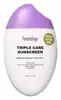
This hybrid sunscreen covers the full UV range and blocks ~98% of UVB at SPF 40.
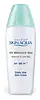
This chemical sunscreen covers the full UV range and blocks ~97% of UVB at SPF 30.


What's inside
What's inside
 Key Ingredients
Benefits
Concerns
Ingredients Side-by-side
Water
Skin ConditioningEthylhexyl Methoxycinnamate
UV Absorber


Niacinamide
Smoothing











Butyloctyl Salicylate
Skin Conditioning
Butyl Methoxydibenzoylmethane
UV Absorber
Silica
Abrasive
Glycerin
Humectant
Centella Asiatica Extract
Cleansing
Butylene Glycol
Humectant
Octocrylene
UV Absorber
Methylene Bis-Benzotriazolyl Tetramethylbutylphenol
UV Filter
Ethylhexyl Salicylate
UV Absorber
Titanium Dioxide
Cosmetic Colorant
Madecassoside
Antioxidant
Artemisia Vulgaris Extract
Skin Conditioning
Camellia Japonica Flower Extract
EmollientMorus Alba Bark Extract
Skin ConditioningBroussonetia Papyrifera Bark Extract
Skin ConditioningCamellia Sinensis Leaf Extract
Antimicrobial
Rhus Semialata Extract
Skin ConditioningPyrus Malus Fruit Extract
Skin Conditioning
Tricholoma Matsutake Extract
Skin ConditioningPhragmites Communis Extract
Skin ConditioningPoria Cocos Extract
Skin ConditioningTranexamic Acid
Astringent
Salicylic Acid
Masking



Aloe Barbadensis Leaf Extract
Emollient
Propylene Glycol
Humectant
Triethoxycaprylylsilane

Acetyl Glucosamine
Skin Conditioning
Citric Acid
Buffering
Aluminum Hydroxide
EmollientCaprylhydroxamic Acid
ChelatingDecyl Glucoside
Cleansing
PEG-40 Hydrogenated Castor Oil
Emulsifying

Xanthan Gum
Emulsifying1,2-Hexanediol
Skin Conditioning
Cocamidopropyl Dimethylamine
Emulsifying
Laureth-7
EmulsifyingLecithin
Emollient
Pentylene Glycol
Skin Conditioning
Polyacrylamide
Potassium Sorbate
Preservative
Sodium Benzoate
Masking
Phenoxyethanol
Preservative
Ethylhexylglycerin
Skin ConditioningBHT
Antioxidant
Water, Ethylhexyl Methoxycinnamate, Niacinamide, Butyloctyl Salicylate, Butyl Methoxydibenzoylmethane, Silica, Glycerin, Centella Asiatica Extract, Butylene Glycol, Octocrylene, Methylene Bis-Benzotriazolyl Tetramethylbutylphenol, Ethylhexyl Salicylate, Titanium Dioxide, Madecassoside, Artemisia Vulgaris Extract, Camellia Japonica Flower Extract, Morus Alba Bark Extract, Broussonetia Papyrifera Bark Extract, Camellia Sinensis Leaf Extract, Rhus Semialata Extract, Pyrus Malus Fruit Extract, Tricholoma Matsutake Extract, Phragmites Communis Extract, Poria Cocos Extract, Tranexamic Acid, Salicylic Acid, Aloe Barbadensis Leaf Extract, Propylene Glycol, Triethoxycaprylylsilane, Acetyl Glucosamine, Citric Acid, Aluminum Hydroxide, Caprylhydroxamic Acid, Decyl Glucoside, PEG-40 Hydrogenated Castor Oil, Xanthan Gum, 1,2-Hexanediol, Cocamidopropyl Dimethylamine, Laureth-7, Lecithin, Pentylene Glycol, Polyacrylamide, Potassium Sorbate, Sodium Benzoate, Phenoxyethanol, Ethylhexylglycerin, BHT
Water
Skin ConditioningEthyl Methoxycinnamate
UV AbsorberMethylene Bis-Benzotriazolyl Tetramethylbutylphenol
UV Filter
Cyclopentasiloxane
Emollient
Glycerin
Humectant
Ethylhexyl Triazone
UV Absorber
Polysorbate 60
Emulsifying
Diethylamino Hydroxybenzoyl Hexyl Benzoate
UV Filter
Betaine
Humectant
Phenoxyethanol
Preservative
Ammonium Acryloyldimethyltaurate/Vp Copolymer
Acrylates/C10-30 Alkyl Acrylate Crosspolymer
Emulsion StabilisingHydrogenated Lecithin
Emulsifying
Triethanolamine
BufferingPanthenol
Skin Conditioning
Disodium EDTA
ChelatingMethylparaben
Preservative
Propylparaben
Preservative
Sodium Hyaluronate
Humectant
Dipotassium Glycyrrhizate
Humectant
Sodium Acetylated Hyaluronate
Humectant
Arginine
Masking
Hydrolyzed Collagen
Emollient
Tetrahexyldecyl Ascorbate
Antioxidant
Tocopheryl Acetate
Antioxidant
Water, Ethyl Methoxycinnamate, Methylene Bis-Benzotriazolyl Tetramethylbutylphenol, Cyclopentasiloxane, Glycerin, Ethylhexyl Triazone, Polysorbate 60, Diethylamino Hydroxybenzoyl Hexyl Benzoate, Betaine, Phenoxyethanol, Ammonium Acryloyldimethyltaurate/Vp Copolymer, Acrylates/C10-30 Alkyl Acrylate Crosspolymer, Hydrogenated Lecithin, Triethanolamine, Panthenol, Disodium EDTA, Methylparaben, Propylparaben, Sodium Hyaluronate, Dipotassium Glycyrrhizate, Sodium Acetylated Hyaluronate, Arginine, Hydrolyzed Collagen, Tetrahexyldecyl Ascorbate, Tocopheryl Acetate
Reviews
Ingredients Explained
These ingredients are found in both products.
Ingredients higher up in an ingredient list are typically present in a larger amount.
Glycerin (or glycerol) is a compound naturally found in your skin. It's a powerhouse humectant that pulls water into the stratum corneum.
Topically, glycerin does several things at once:
Your skin makes glycerin on its own (mostly from sebaceous oil breakdown) and shuttles it to your outermost layer of skin, or your epidermis, via aquaporin-3.
Aquaporin-3 is a transporter that is essential for normal skin hydration, elasticity, and repair. Interestingly, mice lacking in AQP3 have dry and less elastic skin that can be fully corrected with glycerin.
This ingredient is non-irritating, plays well with almost every ingredient, and works across all skin types. Typical use is anywhere between 3-10% but can go up to 79% in some leave-on products.
Just know very high concentrations (>40%) can feel tacky in low humidity.
Glycerin is the name for this ingredient in American English. British English uses Glycerol/Glycerine.
Learn more about GlycerinThis ingredient is also known as Tinosorb M or Bisoctrizole and is a bit of an overachiever in the sunscreen world.
It's a hybrid broad-spectrum filter that covers UVA and UVB (~280-400nm) with peak absorption around 305nm for UVB or 360nm for UVA (and a tiny bit in blue-light territory as well).
One of its best party tricks is photostability; it doesn't break down with repeated sun exposure and doesn't generate free radicals in the process either. You'll also see it paired with wobbly filters like avobenzone because it helps stabilize them.
The safety profile is assuring as well. Because it's a large molecule, it doesn't easily absorb into skin and rarely causes irritation.
It's approved in the EU, Asia, and Australia up to 10% and most formulas land somewhere in the 2-10% range.
You won't find it as a sunscreen active in the US, but it can make an appearance as a formula-protecting UV-absorber.
Learn more about Methylene Bis-Benzotriazolyl TetramethylbutylphenolPhenoxyethanol is one of the most widely used preservatives in skincare (and for good reason!).
It has a large spectrum of antimicrobial activity and especially effective bacteria, yeast, and mold while only having a weak effect on your skin's natural microbiome.
On a cellular level, it disrupts the cell membranes of microbes by poking holes that make the cell leak. This shuts down the chemical reactions the microbe needs to make energy so it can no longer survive.
Another perk of this ingredient is that it stays functional across a wide pH range (3-10).
You'll often see it paired with boosters like Ethylhexylglycerin; one study showed that a 1:9 ratio of Ethylhexylglycerin to Phenoxyethanol damages bacterial membranes as effectively as doubling the Phenoxyethanol concentration on its own.
Typical use concentrations range from 0.3-1% depending on the formula, and this ingredient is capped at 1% int the EU.
Safety-wise, the fear mongering does not hold up to the evidence. The EU's Scientific Committee on Consumer Safety and FDA consider it safe as a preservative at up to 1%, including for children of all ages.
Adverse systemic effects only showed up in animal studies at exposures roughly 200x higher than what people get from cosmetics. And despite its very widespread use, this ingredient is a rare sensitizer and allergic reactions are uncommon.
Learn more about PhenoxyethanolWater. It's the most common cosmetic ingredient of all. You'll usually see it at the top of ingredient lists, meaning that it makes up the largest part of the product.
So why is it so popular? Water most often acts as a solvent - this means that it helps dissolve other ingredients into the formulation.
You'll also recognize water as that liquid we all need to stay alive. If you see this, drink a glass of water. Remember to stay hydrated!
Learn more about Water

